


If you’re looking into whether Amoxicillin can help with Pink Eye, you’re likely dealing with symptoms such as redness, discharge, or persistent irritation. Pink Eye (Conjunctivitis) can stem from several causes, bacterial, viral, or allergic, and Amoxicillin is useful only in cases linked to bacterial infections, when prescribed by a doctor.
Since many Pink Eye cases are actually viral or allergy-related, using Amoxicillin without proper evaluation can delay the right treatment and prolong discomfort. It is important to know when antibiotics are appropriate, how they work, and when they don’t help.
In this article, you’ll learn whether Amoxicillin for Pink Eye is suitable for your situation, when it can speed recovery in bacterial conjunctivitis, and what safer alternatives exist for other forms of Pink Eye.
What is Amoxicillin?
Amoxicillin is a widely used antibiotic that belongs to the family of Penicillin. It’s effective against many bacterial infections, and is used in treatment for Pink Eye caused by bacteria, medically known as bacterial Conjunctivitis.
The active salt in standard Amoxicillin medicine is Amoxicillin, which works by stopping bacteria from growing and spreading. In some cases, doctors may prescribe Amoxicillin Clavulanate for Pink Eye, to prevent bacteria from becoming resistant to antibiotics. Most people see significant improvement within 2 to 3 days. However, depending on the severity of the infection, full recovery usually takes 7-10 days in most cases.
You can get Amoxicillin in several forms, like tablets, capsules, and liquid suspensions. However, it’s important to understand that Amoxicillin is only effective against bacterial infections. This medication does not work for allergic or Viral Conjunctivitis.
Save up to 90% on your medicine bills
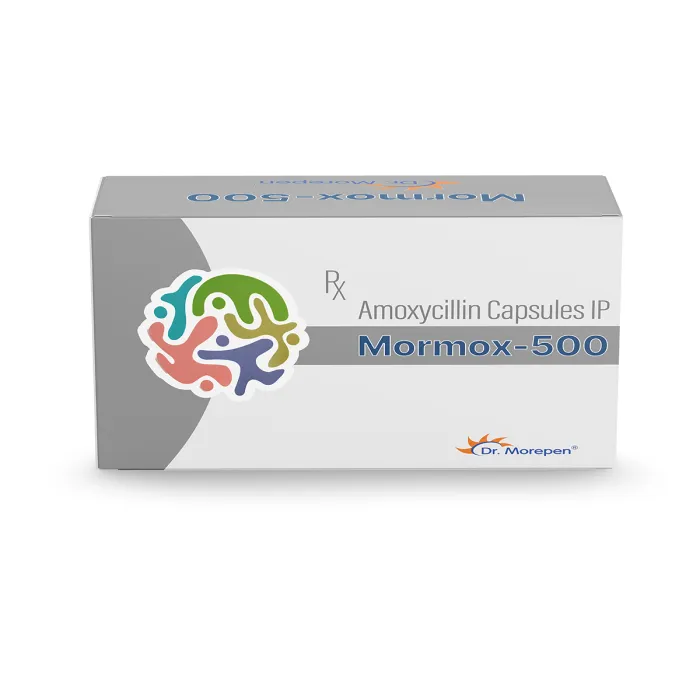
Mormox 500 Mg Capsule
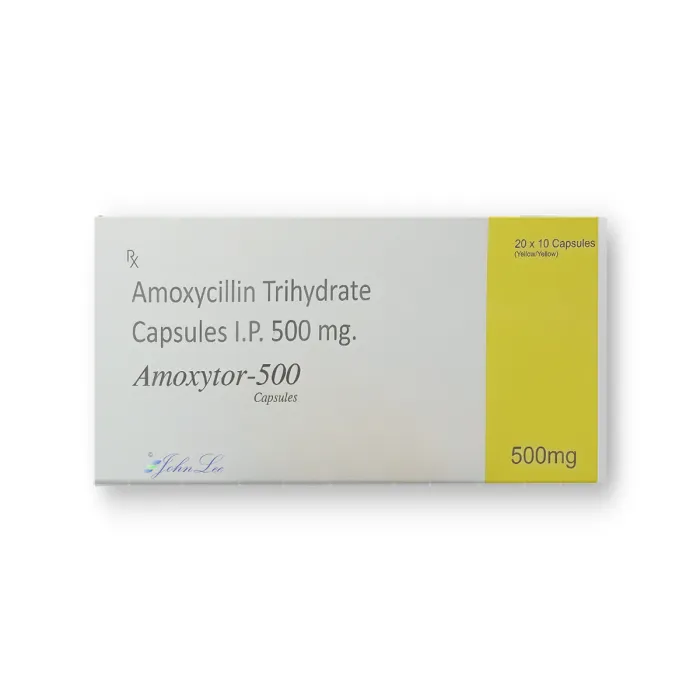
Amoxytor 500 Mg Capsule
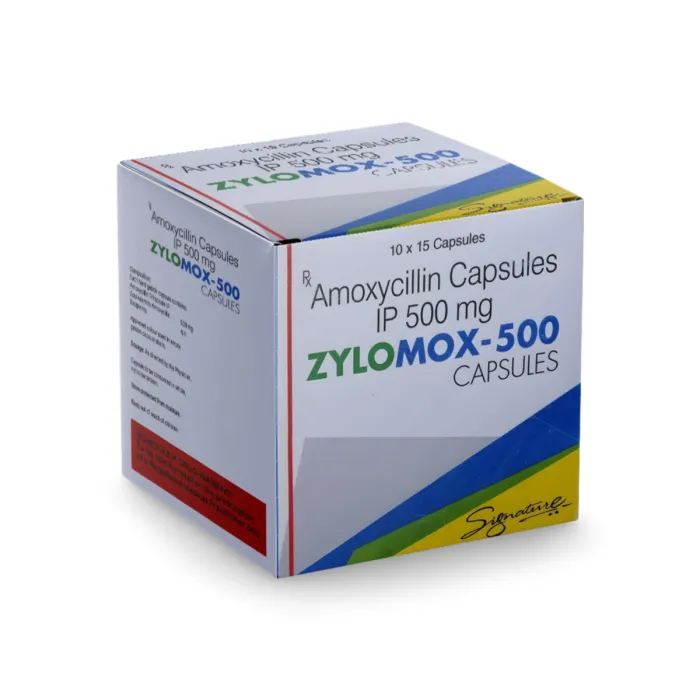
Zylomox 500 Mg Capsule
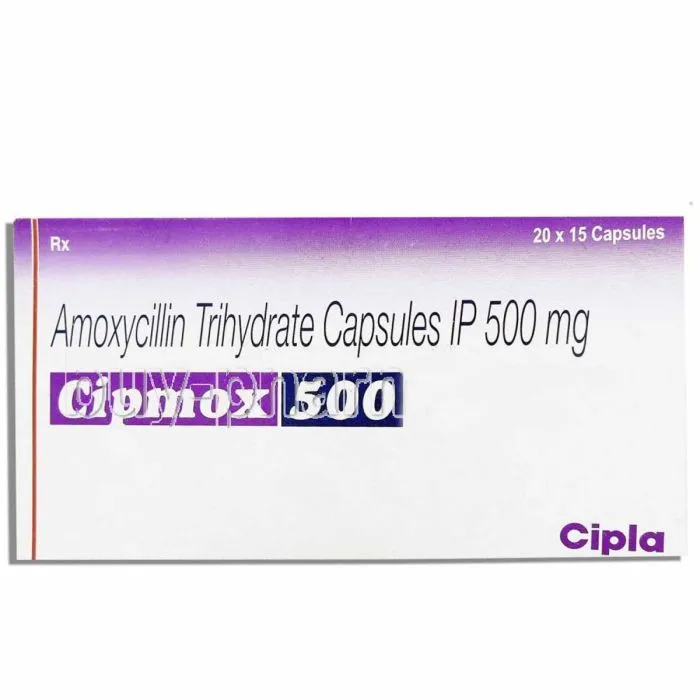
Cipmox 500 Mg
How does Amoxicillin fight Pink Eye?
Amoxicillin works by preventing bacteria from building their protective cell walls, which causes the breakdown of bacteria and their death. This action helps reduce the redness, swelling, and discharge seen with bacterial Pink Eye.
Amoxicillin also helps prevent the infection from spreading to nearby tissues, which can keep symptoms from becoming more severe or persistent. By controlling the bacterial growth early, it reduces the risk of complications such as worsening redness or prolonged discharge.
Factors affecting the efficacy of Amoxicillin
Before understanding how well Amoxicillin works for bacterial Pink Eye, it’s important to recognize that several factors can influence its effectiveness. These key elements can shape how quickly symptoms improve and whether the infection resolves fully:
- Severity of infection: Mild bacterial Pink Eye cases may clear up within a few days of starting treatment. More severe infections often require a longer course of antibiotics to fully resolve symptoms.
- Overall health: If your immune system is weak due to an illness or certain medications, your body may take longer to fight off the infection. Pre-existing health conditions like Diabetes, chronic kidney or liver disease and Autoimmune diseases can slow down the healing process and affect how well Amoxicillin works.
- Antibiotic resistance: Overusing antibiotics or not completing the full prescribed course can lead to bacteria becoming resistant. Antibiotic resistance reduces the effectiveness of the medication, making it harder to maintain eye health.
Side effects of Amoxicillin
Most people can tolerate oral Amoxicillin for Pink Eye well, but it’s essential to be aware of possible side effects. Some mild side effects may appear initially as your body adjusts to the medication. These are typically short-lived and don’t require stopping the treatment. Some temporary side effects include:
- Nausea
- Mild diarrhea
- Stomach ache
In rare cases, like allergic reactions (rash, itching, or swelling), difficulty in breathing or worsening Dry Eyes, stop taking Amoxicillin and contact your healthcare provider promptly. Being aware of these side effects helps in responding quickly and ensures that the treatment is both safe and effective.
Safe use of Amoxicillin: Before and during treatment
Using Amoxicillin safely is essential to ensure the right treatment and avoid complications. After starting this eye care medicine. Here are essential guidelines to follow before and during treatment:
- Complete dosage duration: Completing the full prescribed course is key to thoroughly clearing the infection. Skipping doses or stopping early can lead to the infection returning or bacteria becoming resistant to the antibiotic.
- Monitor for allergic reactions: Allergic reactions to antibiotics can be severe and happen suddenly. Watch for symptoms such as a rash, swelling, or trouble breathing, and seek immediate help if they occur.
- Inform about other medications: Some medications, like blood thinners and birth control pills, can interact with Amoxicillin, increasing side effects or reducing its effectiveness. Always share your full medication list with the doctor before starting treatment.
- Watch for symptom changes: While Amoxicillin should improve eye infection, worsening symptoms could mean complications or a different cause. Contact your healthcare provider if the symptoms don’t improve or get worse.
Precautions when using Amoxicillin?
Using Amoxicillin for bacterial Conjunctivitis effectively requires more than just taking the medication. Following safety measures helps prevent severe side effects, promotes steady healing, and reduces the risk of reinfection. Some safety considerations include:
- Follow prescribed dosage: Never take more or less than what has been prescribed, as this can reduce effectiveness or increase side effects. Children often require lower doses or liquid forms, so follow the doctor’s specific instructions for safety and effectiveness.
- Avoid if allergic: Do not use if you have allergies to Amoxicillin, Penicillin, or related antibiotics.
- Inform the doctor: Share all medications, supplements, and health conditions, especially kidney issues or mononucleosis, as they can affect how Amoxicillin works or increase risks.
- Special considerations: Elderly patients and those with kidney problems may require dose adjustments to avoid drug buildup.
- Stay hydrated: Drink lots of water to support kidney function and prevent dehydration.
- Don’t stop early: Finish the entire prescribed course, even if symptoms improve, to avoid resistance and relapsing bacterial eye infection.
Following these expert-backed safety guidelines ensures the best outcomes while minimizing risks during treatment with Amoxicillin for bacterial Conjunctivitis.
Conclusion
Amoxicillin is a reliable solution for bacterial infections that helps to reduce redness, discharge, and discomfort by directly targeting the bacteria. However, understanding if your condition is bacterial, viral, or allergic is crucial before starting this antibiotic medication, as it only works for bacterial Pink Eye.
Always take this antibiotic exactly as prescribed by the healthcare professional, complete the entire course, and let them know about any existing health conditions, like kidney issues or medications, like other antibiotics like Milflox, you are currently taking. This ensures maximum effectiveness while preventing the development of antibiotic resistance and side effects.
If symptoms persist beyond a few days or worsen, it may signal a different cause, and a doctor’s consultation is essential here. When used responsibly, Amoxicillin for Pink Eye not only supports faster recovery but also protects your long-term eye health.

Frequently Asked Questions
Can I buy Amoxicillin online for Pink Eye treatment?
Yes, you can buy Amoxicillin online with a valid prescription. Since not all cases of Pink Eye are bacterial, taking it without medical guidance can lead to misuse, resistance, or side effects. Ensure that you always pick a reliable online seller like Cheap Medicine Shop.
How do I know if I have viral or bacterial Pink Eye?
Bacterial Pink Eye often causes thick yellow or green discharge and affects one eye first. Viral Conjunctivitis usually causes watery discharge and redness in both eyes. Only a doctor can confirm the cause through examination and recommend proper treatment.
Can children take Amoxicillin for Pink Eye?
Yes, children can take Amoxicillin for bacterial Pink Eye, but the dosage must be adjusted for their age and weight. Pediatric formulations, like liquid suspensions, are preferred. Never give antibiotics to children without a doctor’s prescription.
What should I do if Amoxicillin doesn’t work?
If Amoxicillin doesn’t work for you, it may mean the infection isn’t bacterial, or the bacteria are resistant. The doctor could recommend alternatives, such as Augmentin or Moxifloxacin-CV 375, or determine whether your Pink Eye is viral or bacterial.
Cheap Medicine Shop only refers to credible, authoritative sources for our content. If you’re curious about how we ensure the integrity of our content, we encourage you to read our Content Information Policy.
Recent Web Stories