


Long, full eyelashes aren’t just a beauty trend; they instantly make your eyes look more awake, expressive, and defined. But factors like makeup habits, stress, poor hygiene, or weak follicles can cause lashes to thin out or stop growing the way you want.
The good news is that you can support healthier and longer lash growth with the right approach, and it doesn’t require complicated routines. Simple habits like cleaning your eyelids daily to prevent blocked follicles, brushing your lashes to boost blood flow, and nourishing them with oils like castor or coconut oil can make a noticeable difference over time.
In this guide, you will also learn how to safely use growth serums like Bimatoprost, identify habits that weaken your lashes, and find out the root causes that may be slowing your eyelash growth.
Method 1: Strengthen your eyelashes naturally
Before jumping into advanced treatments, start by strengthening your natural lashes. Healthy follicles grow longer and thicker hair, and simple daily habits can significantly improve results. When your lash line is clean, nourished, and free from damage, each new lash has a better chance of growing longer, thicker, and stronger.
1. Clean your eyelids using a mild cleanser
Removing dirt, oil, and makeup residue prevents follicle blockage and reduces breakage.
Here is the best way to clean your lashes:
- Apply a pea-sized amount of baby shampoo or a gentle cleanser on a cotton pad.
- Gently wipe across your lash line for 10–15 seconds.
- Rinse with lukewarm water.
2. Apply natural oils to protect lash follicles
Oils moisturize hair shafts, reducing fall and breakage. Using castor, coconut, or almond oil helps strengthen lashes, keep them flexible, and prevent dryness.
You must apply oil in the following manner:
- Dip a clean mascara wand into the oil.
- Brush along upper and lower lashes before bed.
- Wash in the morning.
3. Brush your eyelashes to increase blood flow
Brushing distributes natural oils and separates them. This helps nourish each lash from root to tip, promoting stronger and healthier growth.
You need to keep in mind the following while brushing:
- Use a clean spoolie.
- Brush upwards from root to tip for 15–20 seconds twice a day.
Method 2: Use growth serums and lash treatments correctly
Eyelash growth serums can enhance growth when used consistently. There are cosmetic as well as medically approved options available. The right serum can help your lashes grow longer, thicker, and darker, but only if you apply it correctly and give it enough time to work.
1. Apply Bimatoprost (0.03%) as prescribed
Bimatoprost is used mainly for treating Glaucoma, but is also a clinically proven lash-growth medication. It is available under brand names like Careprost and Latisse. It works by extending your eyelash growth cycle, helping each hair grow longer and thicker than it naturally would. You can expect improvements in your lashes within 8–12 weeks.
Here is how to apply Bimatoprost correctly:
- Apply one drop to the provided applicator.
- Brush along the upper lash line once daily at night.
- Avoid using on the lower lash line.
2. Use over-the-counter growth serums
Peptides and botanical serums strengthen lashes but work more slowly than Bimatoprost. They’re great if you prefer a gentle, non-medicated option, but you’ll need to be patient. These formulas focus more on improving lash health over time rather than delivering fast growth.
While using these serums, be mindful of the following:
- Use once or twice daily.
- Apply only on clean, dry skin.
- Avoid serum dripping into the eye.
3. Patch-test every product to avoid irritation
Many serums contain preservatives that may irritate sensitive skin. If you tend to react easily to products, always patch-test first and start with a lower application frequency. Your eyelid skin is thin and delicate, so even small irritants can cause redness or itching if you’re not careful.
Here is how to do a patch-test:
- Apply a small amount to your inner arm.
- Wait for 24 hours.
- Use only if no redness occurs.
Method 3: Improve your daily habits to prevent lash damage
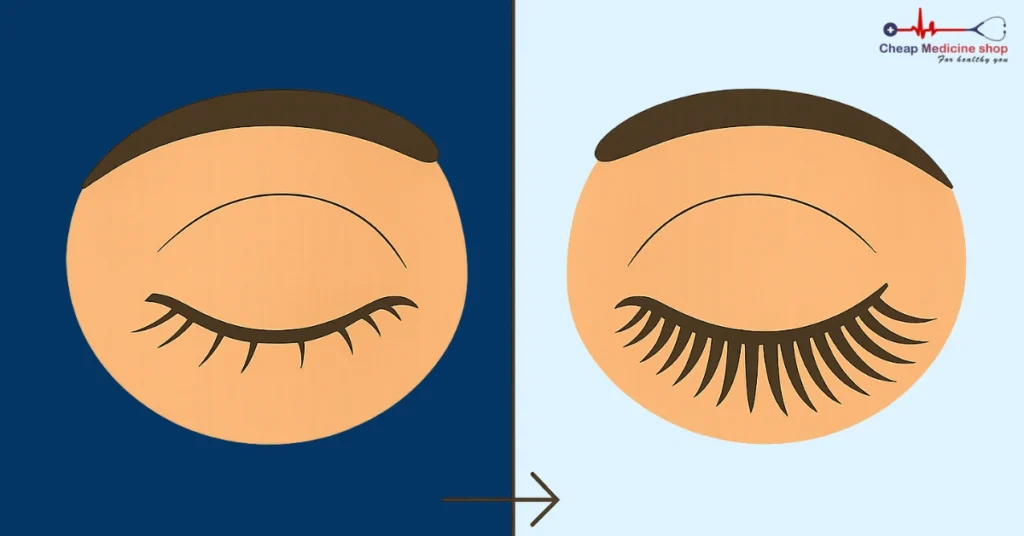
Your everyday routine may be weakening your lashes. Many little habits you don’t even notice, like rubbing your eyes or using old makeup, slowly damage the follicles over time. By adjusting these small daily actions, you protect your lashes and support healthier growth.
- Remove eye makeup every night: Mascara and eyeliner stiffen lashes and cause breakage. Use micellar water or oil-based remover to remove your makeup before sleeping.
- Replace your mascara every 3 months: Old mascara can dry out lashes and cause shedding by clumping.
- Avoid rubbing your eyes: Rubbing pulls hair out from the root. If your eyes itch, use artificial tears instead.
- Stop using eyelash curlers daily: Frequent curling weakens the hair shaft. Always curl before mascara with light pressure, never after.
Method 4: Apply natural remedies consistently

Natural remedies support follicle strength and hydration, improving growth over time. When used consistently, these gentle remedies reduce dryness, prevent breakage, and help lashes stay thicker and stronger.
- Apply aloe vera gel to hydrate lashes: Aloe soothes follicles and reduces breakage. Use a clean brush to coat lashes lightly. Leave overnight.
- Use vitamin E oil to nourish follicles: Vitamin E acts as an antioxidant that strengthens hair. Open one capsule. Dip a swab in it and apply it to lashes before bed.
- Try petroleum jelly: Petroleum jelly prevents dryness and lash fall. Coat lashes with jelly and leave overnight.
Method 5: Focus on nutrition

When your body gets enough protein, healthy fats, and vitamins, your lashes naturally grow stronger. Even small changes, like adding eggs, nuts, leafy greens, or salmon to your meals, can make a visible difference over time.
- Increase your protein intake daily: Eat more eggs, fish, chicken and lentils to meet your daily protein requirement.
- Take biotin supplements if needed: If your diet lacks enough biotin or you notice brittle hair, a daily supplement can help strengthen eyelashes from within. Doctors usually recommend a dosage of 2500–5000 mcg daily.
- Eat omega-3-rich foods for healthier follicles: Omega-3 reduces inflammation around hair follicles. Add foods like flaxseeds, walnuts, and salmon to your daily meals.
Method 6: Identify problems that slow down eyelash growth
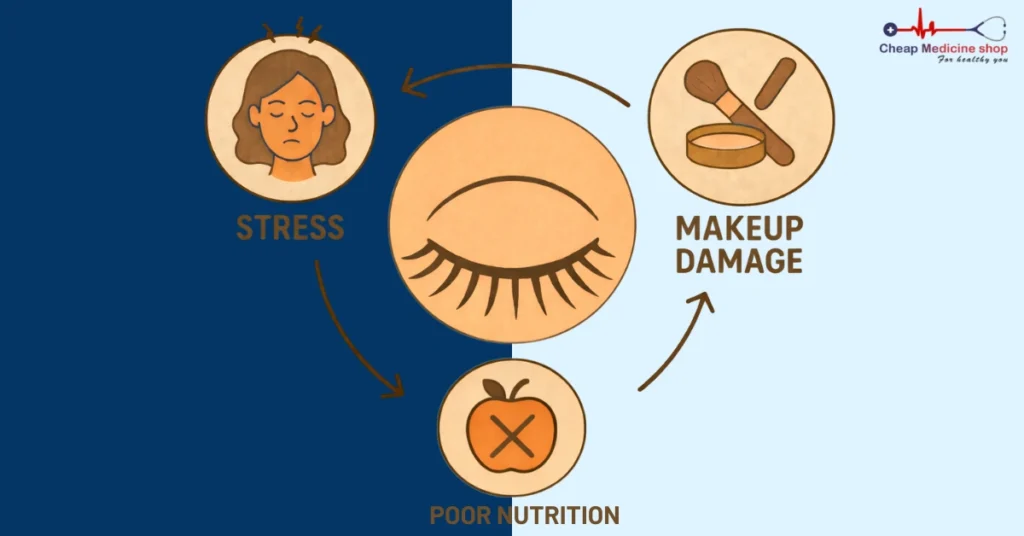
Understanding the root cause of slow or thinning eyelashes helps you fix the problem quickly. Many people focus only on serums and oils, but underlying issues like irritation, allergies, or stress can quietly damage follicles. When you learn to spot these triggers early, you can adjust your routine and support healthier, steady lash growth.
- Watch for symptoms of Blepharitis: This condition blocks lash follicles and slows growth by causing symptoms like redness, flakiness, and itching.
- Check for allergies to makeup products: Makeup reactions can trigger watering and irritation, which weakens lashes over time.
- Look for signs of stress-related shedding: High stress can push lashes into the shedding phase early, making them fall out faster.
It is important to seek professional advice if your eyelashes aren’t growing despite consistent care, or if you notice sudden thinning, excessive shedding, or irritation. A doctor can identify underlying conditions such as infections, hormonal imbalances, or nutrient deficiencies. Early consultation ensures targeted treatment and prevents long-term lash damage.
Frequently Asked Questions
How long does it take for eyelashes to grow?
Eyelashes generally take 6–12 weeks to grow fully, depending on your overall health, nutrition, and daily habits. Using treatments like Bimatoprost or nourishing oils can accelerate growth, while stress, poor hygiene, or harsh makeup habits may slow the process.
Is it safe to use multiple serums or oils at the same time?
No, using multiple serums or oils can increase the risk of irritation, especially for sensitive eyelids. Stick to one product at a time and monitor your skin’s reaction. Layering products may not improve results and can sometimes cause redness, itching, or clogged follicles.
Can eyelash extensions or false lashes damage natural lashes?
Yes, frequent use of extensions or heavy false lashes can weaken natural lashes. The adhesive and weight may cause breakage or premature shedding. Give your lashes breaks between applications, remove extensions carefully, and maintain gentle daily care to keep your natural lashes healthy and strong.
Are eyelash growth results permanent once treatment stops?
No, results from serums or medical treatments are not permanent. Once you stop the treatment, they won’t shrink or become shorter than before; the treated lashes simply shed as part of the normal cycle, and new lashes grow back to your original length. Over time, your lash appearance returns to its earlier state.
Cheap Medicine Shop only refers to credible, authoritative sources for our content. If you’re curious about how we ensure the integrity of our content, we encourage you to read our Content Information Policy.