


What you eat every day can decide whether you last longer or tire too quickly in bed. The foods you eat influence blood flow, hormone balance, and overall energy, all of which are needed for performance in bed.
When nutrition falls short, stamina in the bedroom can drop too, even if you seem healthy in your day-to-day routine. This guide will take you through the steps to recognize the signs of diet-related stamina loss and show you how to restore your energy and confidence.
Step 1: Pay attention to signals from your body
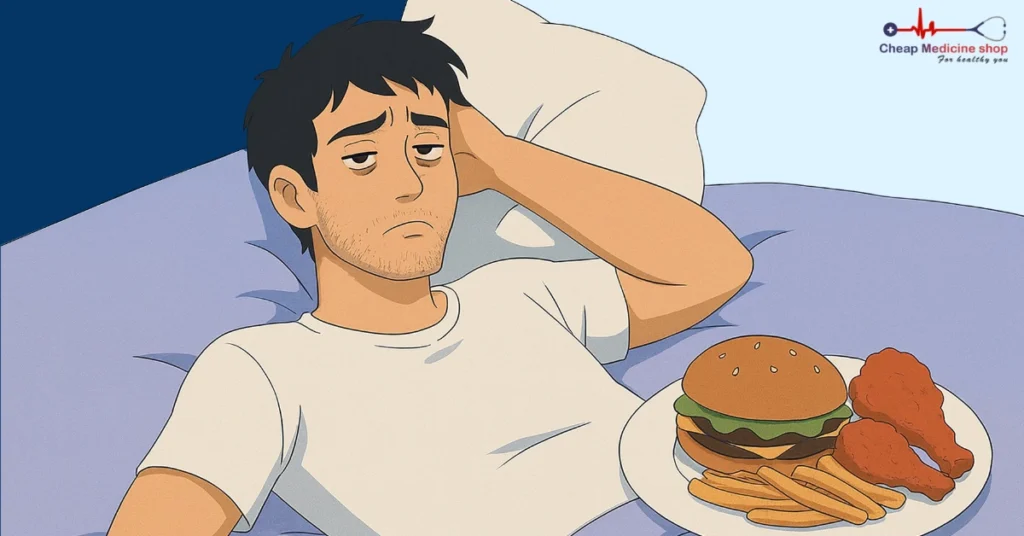
Begin by paying attention to what’s happening in your body during intimacy. Pay attention to your energy, how long you last, and whether you feel fully engaged. Your stamina relies on steady blood flow, strong energy, and balanced hormones.
When you eat too much processed food or miss out on essential nutrients, these functions weaken, and you feel the difference in bed. Below are some signs to identify when your diet is quietly draining your stamina:
1. Notice sudden drops in energy during intimacy
Note if you feel tired too quickly during sex. It may be because your body is not getting enough nutrients from your diet. Low energy often results from consuming foods high in sugar, unhealthy fats, and refined carbohydrates, which cause rapid spikes and crashes.
- Watch for symptoms like breathlessness or fatigue within minutes.
- Pay attention to whether your energy lasts longer on days you eat healthier meals.
2. Track erection quality and duration
Check if your erections feel weaker or do not last as long as they used to. Erections depend heavily on blood flow. Diets high in processed foods and low in antioxidants can damage your blood vessels, reducing stamina.
Notice if you need more stimulation than before to maintain arousal.
3. Observe changes in libido
Track whether you often feel uninterested in sex, even when relaxed. Low sex drive can signal that your diet is disrupting hormone balance, especially testosterone. Nutrient deficiencies, like low zinc or vitamin D, can reduce your desire.
Check if your libido improves when you eat balanced meals.
4. Monitor recovery time after sex
Notice if you wake up tired or sore after intimacy. A poor diet can slow your body’s recovery. If you feel drained for long hours or even the next day after sex, it may mean your body lacks proper fuel.
Tip: Keep a simple food and stamina journal for two weeks. Write down what you eat and how you feel during intimacy. Patterns often emerge quickly, helping you identify which foods boost your stamina and which ones drain it. This method gives you personal insights beyond general advice.
Step 2: Notice the signs outside the bedroom
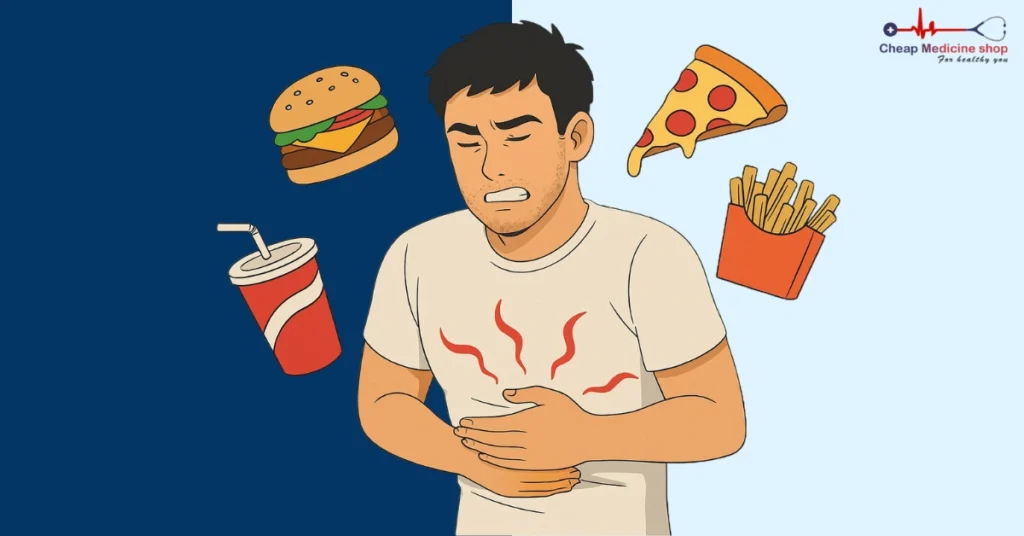
Sometimes the connection between poor diet and stamina is not obvious. To be certain, you need to look for direct signals in your daily life. These signs go beyond the bedroom and show how your body responds overall to poor nutrition. By paying attention to your digestion, mood, sleep, and circulation, you can confirm whether your diet is affecting your sexual stamina.
1. Check for frequent indigestion or bloating
Watch how your digestion affects your energy. Digestive issues can block nutrient absorption, leaving you drained when it’s time for intimacy. If heavy meals make you feel tired, that is a clear dietary signal.
Pay attention to repeated bloating or discomfort before sex; these are warning signs that your diet is cutting into your stamina.
2. Pay attention to mood and stress levels
Notice if your mood swings are linked to your eating habits. Poor diet can affect mood-regulating chemicals like serotonin. If you feel irritable, stressed, or anxious, your stamina may drop. Low moods can cause both reduced interest and weaker performance.
Try writing down what you ate before stressful days; you may start to see a pattern between your diet and your mood.
3. Notice sleep quality changes
Keep track of whether late-night junk food makes you restless. Processed foods and excess caffeine, especially caffeine from sodas, can interfere with sleep. Poor sleep lowers testosterone and stamina and can make you too tired for intimacy.
4. Look for signs of poor blood circulation
Notice if your hands and feet often feel cold. Good blood circulation is vital for erections and stamina. Diets heavy in sodium and fried foods can lead to Hypertension, slow blood flow, and weak erections.
5. Watch for weight fluctuations and belly fat
Keep an eye on your waist size and sudden weight changes. Check if your stamina has decreased as your belly fat has increased. Excess belly fat can reduce testosterone levels and affect stamina. Rapid weight gain from poor eating may be a red flag.
6. Test your stamina with light physical activity
Climb a few stairs or jog lightly; if you tire quickly, stamina in bed may also be affected. Compare your endurance on days you eat whole foods vs. processed foods. Your sexual stamina often mirrors your physical stamina. A poor diet makes even simple activities feel tiring.
How can you improve sexual stamina with diet
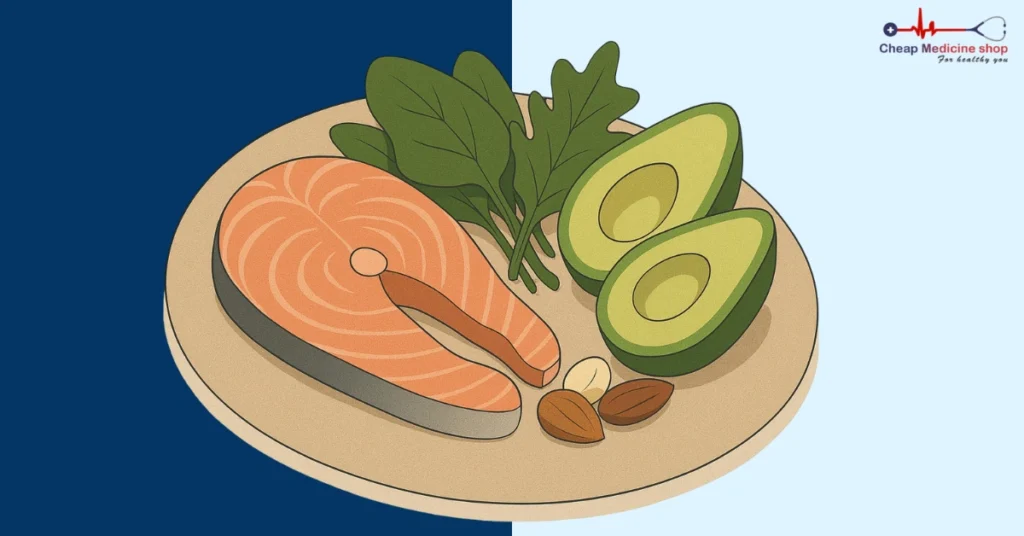
Improving sexual stamina begins with consuming foods that support blood flow, hormone balance, and sustained energy. When you eat whole, nutrient-rich meals, you naturally boost testosterone levels, enhance circulation, and avoid energy crashes. By focusing on the right balance of proteins, healthy fats, complex carbohydrates, and essential vitamins and minerals, you provide your body with the fuel it needs for stronger performance, improved recovery, and a healthier libido.
Here are some of the best foods to increase sexual stamina:
- Whole grains (oats, quinoa, brown rice): Provide long-lasting energy by stabilizing blood sugar, helping you avoid fatigue during intimacy.
- Lean proteins (eggs, chicken, fish, legumes): Support hormone production, muscle repair, and overall strength, which all contribute to better stamina.
- Healthy fats (avocados, nuts, seeds, olive oil, oily fish): Boost testosterone levels, improve nerve function, and enhance overall vitality.
- Leafy greens and colorful vegetables: Improve blood circulation by increasing Nitric Oxide levels, helping you maintain stronger erections and energy.
- Fruits like berries, bananas, and pomegranates: Offer antioxidants and natural sugars that increase energy, improve heart health, and support libido.
- Zinc-rich foods (pumpkin seeds, beans, seafood): Help regulate testosterone and support sexual desire and endurance.
- Iron- and magnesium-rich foods (such as spinach, lentils, and nuts): Enhance oxygen supply, reduce fatigue, and support sustained performance.
You can follow the 7-day diet plan to consistently fuel your body, enhance your sexual stamina, and maintain balanced energy levels throughout the week.
| Day | Breakfast | Lunch | Dinner | Snacks |
| Monday | Oats with berries, Greek yogurt and nuts | Grilled chicken salad with quinoa (gluten-free seeds); tofu salad for veg swap | Baked salmon, sweet potato, broccoli; roasted chickpeas for veg swap | Apple with almond butter; carrot sticks |
| Tuesday | Eggs, wholegrain bread toast, avocado; scrambled tofu for veg swap | Lentil soup with veggies and brown rice | Turkey stir-fry with peppers and zucchini; | Cottage cheese with pineapple chunks |
| Wednesday | Overnight oats with chia seeds and sliced bananas | Tuna/chickpea salad wrap with mixed greens | Chickpea curry with cauliflower rice | Hummus with celery, or orange |
| Thrusday | Muesli with milk and fruits | Egg/lentil salad with quinoa and tomatoes | Grilled fish, asparagus, couscous (tiny, grain-like pasta) | Nuts and yogurt |
| Friday | Toast with peanut butter and banana on the side | Falafel salad wrap ( fill the wholemeal bread with baby spinach, capsicum, falafel, grated carrot, cottage cheese and avocado) | Lean beef stir-fry with greens (such as broccoli, bokchoy, sliced carrots and bell peppers); paneer stir-fry for veg swap | Fruits or cheese sticks with celery |
| Saturday | Greek yogurt with granola and berries | Veggie lentil salad with kale, cucumber, feta, olives, canned tuna (add on for non-veg) | Sardines/eggplant bake with roasted vegetables and potatoes | Smoothie bowl with assorted fruits and granola |
| Sunday | Omelet with spinach and mushrooms; tofu stir-fry for veg swap | Chicken quinoa bowl with avocado, corn, peas and cilantro; tempeh (fermented soybeans) quinoa bowl for veg swap | Tofu stir-fry with broccoli, snap peas and rice; shrimp as an add-on for a non-veg option | Apple and a handful of seeds (pumpkin seeds, flaxseeds, chia seeds, or sunflower seeds) |
This is a general diet plan meant to guide you toward better sexual stamina. For a more personalized plan based on your health needs, lifestyle, and goals, you should consult a certified dietician for a thorough assessment.
When to seek medical advice
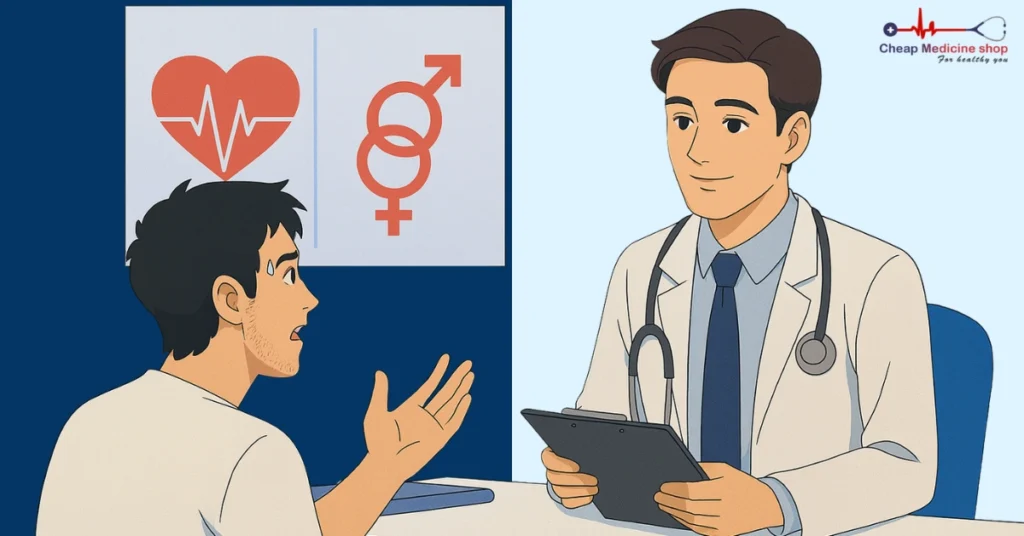
Diet alone may not always resolve stamina issues. If changes persist despite healthy eating, seek medical advice. A professional evaluation ensures that underlying problems are not missed.
- Consult a doctor if your stamina drops suddenly and severely.
- Seek help if weak erections last for more than three months.
- Get checked if you have risk factors like Diabetes, Obesity, or High Blood Pressure.
- See a specialist if poor stamina is affecting your relationship or mental health.
Frequently Asked Questions
Can dehydration or a poor diet reduce sexual stamina?
Yes, even slight dehydration slows circulation and reduces erections, lubrication, and endurance. Poor diet or skipping meals can affect stamina within weeks by lowering energy, blood sugar, and testosterone. Staying hydrated and eating balanced meals daily helps maintain energy, hormones, and sexual performance.
Does alcohol have a long-term effect on stamina?
Yes, frequent alcohol use lowers testosterone, damages blood vessels, and numbs nerve sensitivity. While small amounts may not cause harm, regular drinking weakens stamina and delays recovery after sex. Over months or years, heavy intake can lead to Erectile Dysfunction (ED).
How long does it take to regain stamina after an improved diet?
You may notice an improvement in energy and stamina within 1–4 weeks of adjusting your diet, with early benefits visible in 2–7 days. Full recovery takes 4–12 weeks, especially if you had iron, zinc, or magnesium deficiencies. Consistent nutrient-dense eating helps maintain hormone balance, improve circulation, and enhance muscle function.
Are there specific vitamins that help increase energy levels?
Yes, B vitamins, Vitamin D, and Vitamin C help increase energy levels. B vitamins help you convert food into usable energy, Vitamin D supports your mood and vitality, and Vitamin C helps your body produce carnitine for energy production. Iron is also essential for transporting oxygen, which keeps your cells energized.
Cheap Medicine Shop only refers to credible, authoritative sources for our content. If you’re curious about how we ensure the integrity of our content, we encourage you to read our Content Information Policy.