

Sexual desire, or libido, is a normal part of healthy sexual function. However, sometimes when it is too high, it can be distracting, a feature often linked to Hypersexuality(Compulsive, excessive sexual behavior) . It can appear for various reasons, such as stress, boredom, hormonal changes, emotional triggers, or simply as a habit.
When it starts interrupting your focus and mood, or pulls you away from what needs to get done, it stops feeling natural and starts feeling overwhelming. In those moments, it is important to regain control with healthy routines, emotional support, and medical guidance when needed.
Before attempting to reduce your sexual desire, take a moment for self-reflection. Ask yourself why you want to reduce desire. Is it affecting your productivity, emotional state, relationships, or sense of control? Understanding your particular motives allows you to take the best method while avoiding unnecessary guilt or disbelief.
This guide shows practical tips on how to reduce sexual desire that you can implement gradually. Each tip explains exactly what to do and why it works, so you can bring your sexual energy under control without feeling guilty or frustrated.
Tip 1. Create a routine
Having a steady routine keeps your mind busy and leaves less room for random sexual thoughts to disrupt your day. When you are disciplined, plan things ahead, and stay focused on what you’re doing, your mind is less likely to drift toward erotic urges.
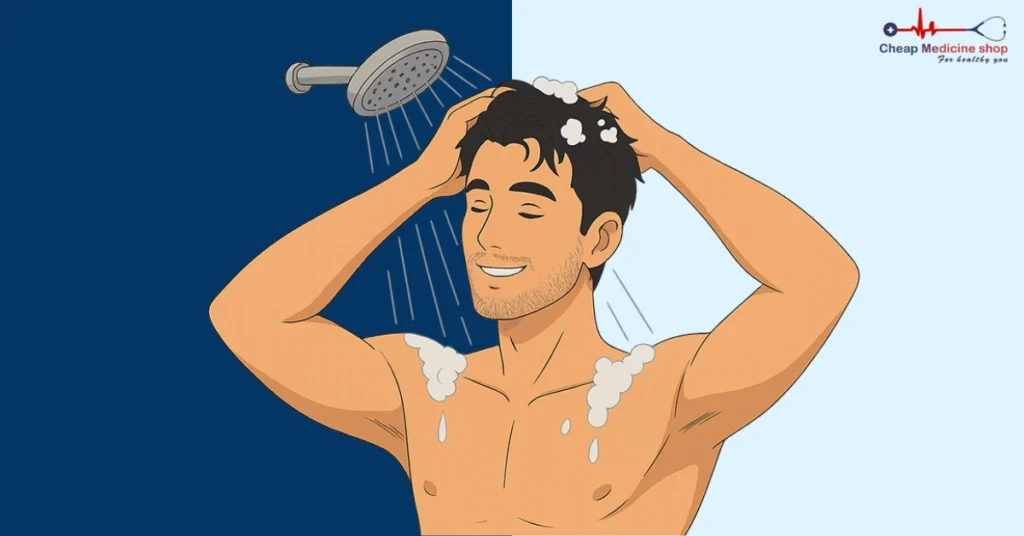
- Start a morning routine: Incorporate simple things in your morning routine, like stretching or showering. This reinforces discipline and makes it easier to manage urges later in the day. Cold showers can also reduce sensitivity, calm the nervous system, and shift your mind away from urges.
- Plan your day: Write down your tasks, assign rough timings, and follow a schedule. Set clear objectives, so your mind stays engaged and has less time to wander.
- Maintain a consistent sleep schedule: Sleep regulates testosterone and cortisol, which are hormones that influence libido. Going to bed and waking up at the same time daily helps prevent random spikes in sexual desire.
Tip 2. Reduce exposure to sexual triggers

Sexual desire often increases when your brain is repeatedly exposed to sexual cues. Identifying and controlling these triggers gives you immediate control over your sexual urges.
- Organize your digital environment: Remove websites, apps, and social media accounts that post explicit content or mute their notifications. This reduces constant subconscious reminders or triggers that can spark desire.
- Set boundaries for nighttime browsing: Using phones late at night when your mind is tired makes self-control harder. Decide on a cutoff time and leave your devices aside to avoid temptation.
- Remove stored adult content: Explicit videos, pictures, or links can act as cues that trigger desire automatically. Deleting them helps retrain your brain to respond less to habitual sexual cues.
Tip 3. Redirect sexual energy into physical activity
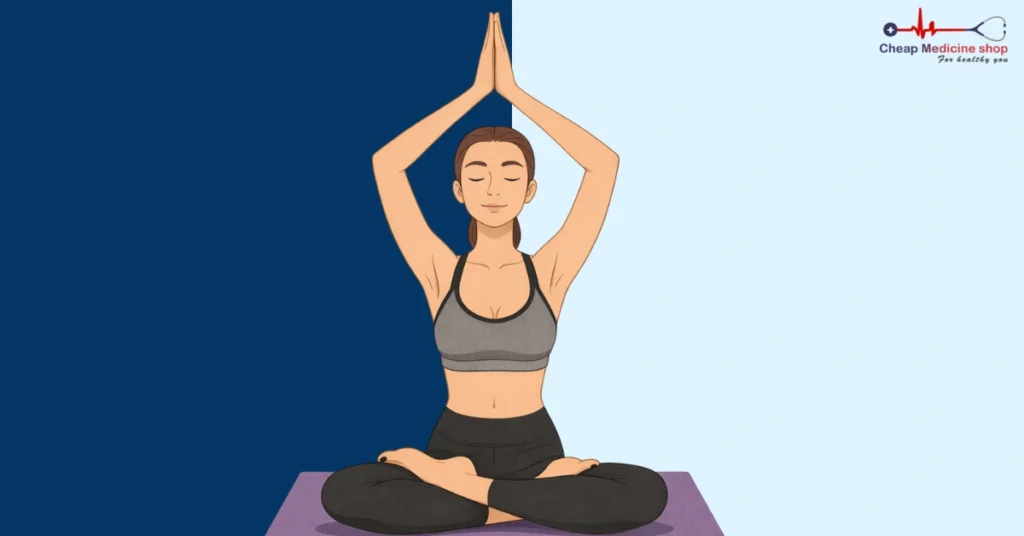
Exercises don’t just boost your health but also help balance hormones to reduce the built-up physical tension that causes sexual urges. Here’s how you can shift your energy productively:
- Exercise consistently: Choose activities such as walking, cycling, yoga, or strength training. These stabilize hormone levels, which prevents sudden desire spikes and reduces the body’s physiological need for sexual release.
- Use these exercises as a reset tool: Besides exercising in routine, use them as a distraction when an urge spikes. Go for a brisk walk, stretch, or do a short workout. This shifts your focus and dissolves the physical energy driving desire.
- Join groups: Instead of exercising alone, be around people in structured, non-sexual activities. It stimulates your mind and minimizes loneliness, which often fuels sexual thoughts.
Tip 4. Switch to meaningful distractions

Sometimes, a high libido is nothing but boredom. These temptations arise to build excitement. So, finding other enjoyable activities can help lower libido, as a stimulated mind has less capacity for constant or distracting sexual thoughts.
- Learn new things: Take online courses, read, or explore subjects you’re curious about. Stimulating your brain this way distracts it from sexual preoccupation while giving you real skill growth.
- Set achievable goals: Give yourself a deadline with a specific goal, such as building a better physique in three months. Progress towards these meaningful goals provides long-term satisfaction, decreasing the mental need for sexual release as a reward mechanism.
Tip 5. Strengthen emotional connections
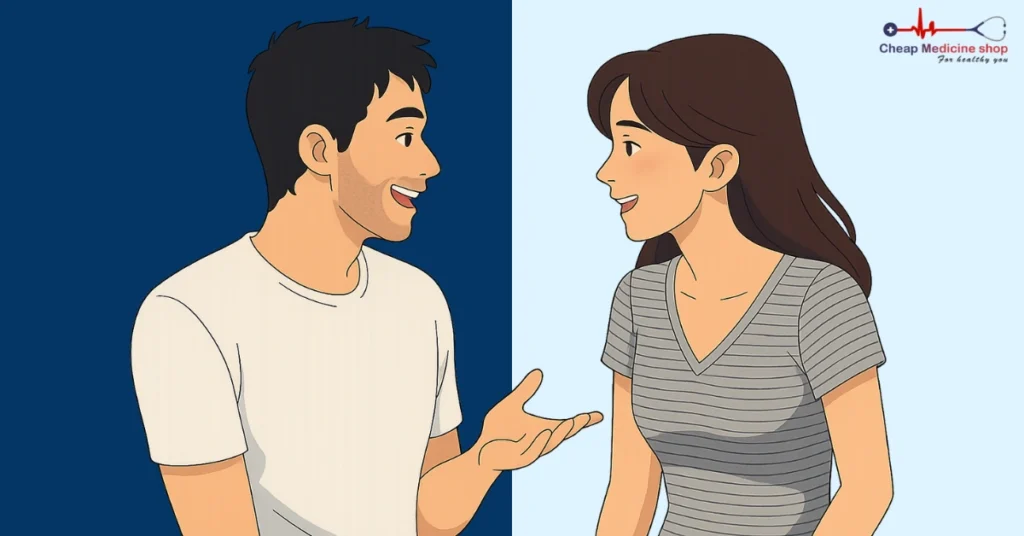
People sometimes rely on sexual activity as comfort or validation. It can also occur because of a trauma response. So building a strong, non-sexual emotional bond reduces that dependency or behavior and helps you cope in healthy ways.
- Spend quality time with supportive people: Regular interactions with friends or family fulfill emotional needs, replacing the urge to seek sexual comfort.
- Talk about your challenges: Being honest with someone you trust can help let go of guilt, shame, or secrets that might make those compulsive sexual thoughts worse.
- Regulate emotions through creative activities: Writing, drawing, music, or cooking helps you process emotions constructively. These activities reduce stress or boredom-driven sexual impulses.
Tip 6. Manage stress proactively

Stress is a major driver of sexual urges because the brain seeks quick relief through pleasure. Reducing stress naturally lowers desire.
- Practice deep breathing or meditation: Controlled breathing and mindfulness reduce cortisol and calm the nervous system, giving you better control over impulses. This helps redirect your energy from sexual thoughts to the present moment and lower arousal.
- Break tasks into small steps: Feeling overwhelmed due to work increases the temptation to escape through sexual release. Smaller, manageable steps reduce this pressure. So, instead of aiming to complete one big task, divide it into smaller steps and get it done.
Tip 7. Adjust diet and limit libido-boosting substances

Food and substances can either stabilize or spike desire. Thoughtful choices can help keep libido in check. To optimize your diet for controlling sex drive, you should:
- Eat foods that reduce sexual desire: Vegetables, legumes, and whole grains slow digestion and keep your hormones balanced. Adding them to your diet keeps sexual energy stable and prevents sudden spikes that are hard to control.
- Include calming teas: Chamomile, peppermint, or green tea can ease physical tension. Drinking them makes your body relaxed and sexual urges more manageable.
- Limit alcohol and stimulant substances: Alcohol increases your impulsivity, making it harder to resist urges. Stimulants like caffeine or nicotine can boost adrenaline and cause sexual energy to spike. So, avoid them to minimize the chances of sudden peaks in sexual desire.
Tip 8. Seek medical guidance when needed

If your sexual urges feel out of control or mess up your daily routine even after trying self-help steps, you should seek guidance from trained medical professionals for long-term relief. They can suggest ways to manage your sexual desire more effectively with targeted approaches like medicine, supplements, and therapy.
- Consult a doctor about medications: Antidepressants like Sertraline and antipsychotics like Risperidone can reduce libido. However, only a qualified doctor can prescribe these off-label after evaluation. So, do not self-medicate.
- Discuss supplements to reduce sexual desire: Herbs like licorice root or spearmint may reduce testosterone, which can lower libido. Always use them only under medical supervision to ensure safety and proper dosage.
- Consult a therapist trained in sexual health: They can help you identify triggers, break compulsive patterns, and learn coping strategies. Cognitive Behavioral Therapy (CBT) is especially effective in retraining thought patterns that drive excessive sexual desire.
Things to keep in mind
When sexual desire becomes overpowering, how you respond is just as important as the desire itself. While it seems to be a quick fix for a High Libido, using the following unhealthy shortcuts could end up in long-term physical harm or psychological suffering:
- Self-medication: Taking antidepressants, antiandrogens, or herbal suppressants without a prescription can result in hormonal imbalances and lasting organ damage.
- Excessive substance use: Alcohol or substance abuse to reduce desire can lead to addiction and chronic health problems.
- Extreme caloric restriction: Starving the body reduces testosterone and energy levels, but it also weakens the immune system and affects heart health.
- Negative conditioning: Attempting repulsion therapy (associating desire with pain or guilt) can result in intense Anxiety and psychological suffering.
- Overtraining to exhaustion: Driving the body to physical breakdown to decrease desire could result in persistent fatigue and lasting joint or muscle injury.
Frequently Asked Questions
How much sexual desire is normal?
There is no average number for a normal sex drive. Everyone has a different libido, which can also fluctuate from time to time. Some people desire to have sex every day, while others may want it once a week or not at all.
Can dehydration reduce sexual desire?
Yes, dehydration can reduce sexual desire. When your body is dehydrated, blood flow slows down, energy levels decrease, and hormone levels fluctuate. These changes naturally reduce arousal and make sexual thoughts less frequent. However, if you are aiming to reduce libido, dehydrating yourself is not the right choice.
Does fasting reduce sexual desire?
Yes, fasting can temporarily lower libido because calorie restriction reduces energy, testosterone, and dopamine. However, the effect varies by person and may not be a long-term solution.
At what age is sexual desire the strongest?
The sexual desire peaks at different ages for men and women. For men, it generally peaks in their 20s, due to high testosterone levels. For women, desire may peak later, with some studies suggesting it peaks in their 30s or between ages 27 and 45.
Does vasectomy reduce sexual desire in men?
No, a vasectomy does not reduce sexual desire in men as it does not affect testosterone or libido. So, sexual desire typically stays the same because the procedure only blocks sperm, not hormones.
Does weed reduce sexual desire?
The effect of weed on libido varies depending on the individual and the dosage. Generally, higher doses tend to reduce libido, whereas lower doses may enhance it. However, using weed as a means to control libido is not recommended.
Cheap Medicine Shop only refers to credible, authoritative sources for our content. If you’re curious about how we ensure the integrity of our content, we encourage you to read our Content Information Policy.