

If you’ve tried to lose weight before, you know how exhausting and frustrating it can feel. In reality, you don’t need strict diets or intense workouts to achieve real, lasting results. Making basic, regular changes that are easy to incorporate into your everyday routine works best.
Weight reduction is fundamentally dependent on maintaining a persistent calorie deficit, which means burning more calories than you consume. This is the fundamental concept behind any effective weight loss strategy, regardless of which method you use.
Whether you’re looking to lose a few pounds, increase your energy, or improve your general health, the right techniques, ranging from stress management to proper sleep, can make the process easier and more consistent.
This article highlights 9 of the most effective and healthy tips to lose weight, helping you achieve your weight goals without feeling starved or stressed.
1. Set realistic goals
Unrealistic ambitions frequently result in frustration, fatigue, and giving up entirely. Hence, setting realistic expectations and goals is essential for long-term success in weight reduction. The following things can help you:
- Start small: Begin with basic, practical improvements, such as daily walks or portion management, to help you stay consistent and avoid feeling overwhelmed.
- Celebrate progress: Instead of aiming for perfection, focus on consistent effort and celebrate small victories regularly to boost confidence and sustain long-term drive.
- Be patient: Recognizing that healthy weight reduction takes time, often 1-2 pounds (0.5-1 kg) each week, can help you stay realistic and avoid frustration or harmful shortcuts.
- Set clear goals: Define short-term habits and long-term outcomes to provide direction, structure, and a quantitative way to efficiently track your progress.
- Avoid comparisons: Concentrate on your own journey, as individual results differ, and comparing yourself to others can reduce motivation and create unnecessary stress.
2. Exercise daily
Physical activity not only helps your body burn calories but also improves strength, stamina, and overall fitness. Regular exercise supports fat loss, boosts metabolism, enhances mood, and reduces the risk of health issues. Some effective physical activities for weight loss include:
- Brisk walking: Brisk walking for about 30 minutes after lunch and dinner helps boost calorie burn and keeps your body active throughout the day. It also improves digestion, supports better blood sugar control, and contributes to overall heart health.
- Strength training: Strength training 2–3 times a week helps build lean muscle, which naturally increases the number of calories your body burns even at rest. This not only supports steady fat loss but also improves overall body composition and long-term metabolism.
- Increased daily movement: Increasing non-exercise activity or daily movements, such as taking stairs instead of the lift and walking short distances rather than using vehicles, plays a key role in overall calorie burn.
Save up to 90% on your medicine bills
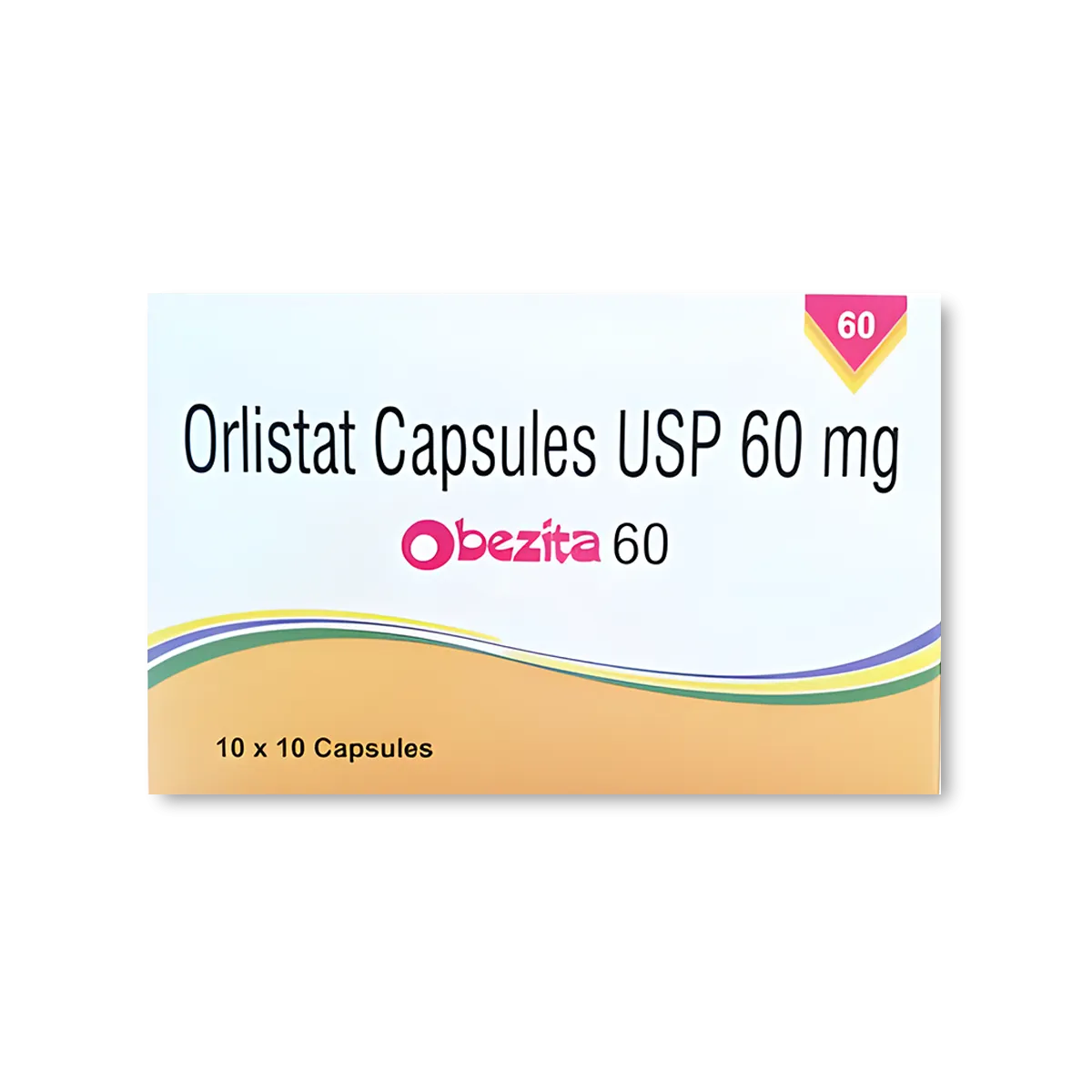
Obezita 60 Capsule
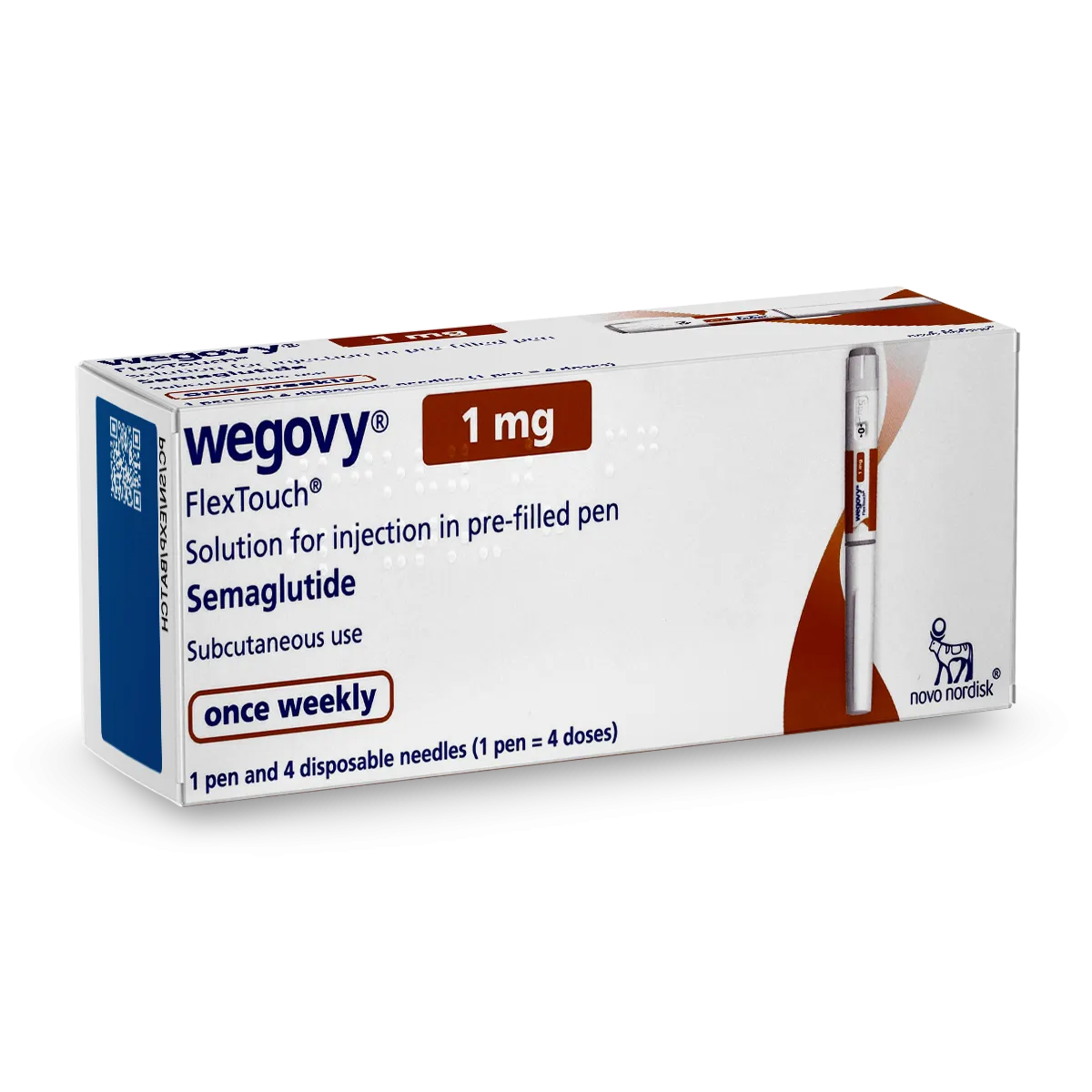
Wegovy 1mg
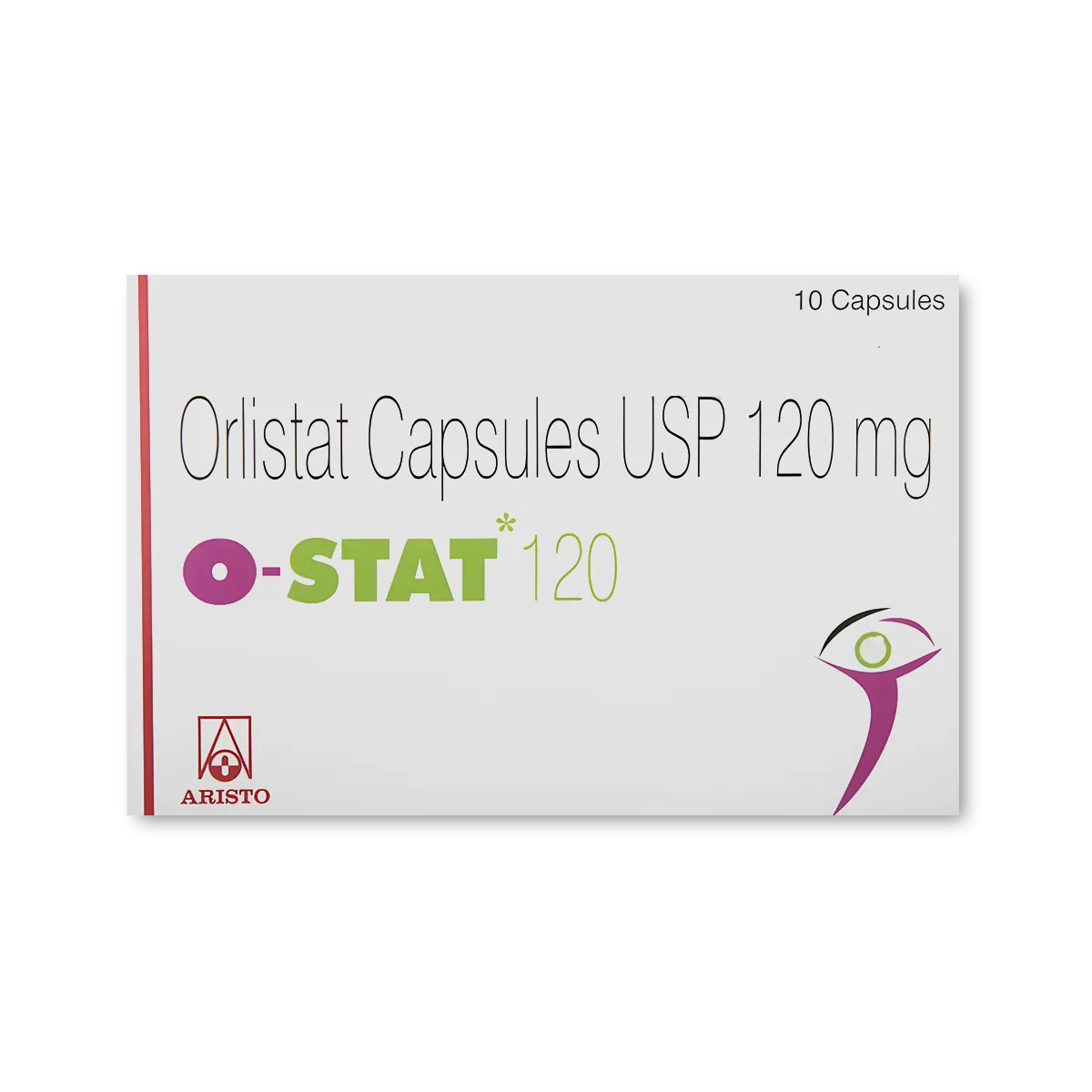
O-Stat 120 Capsule
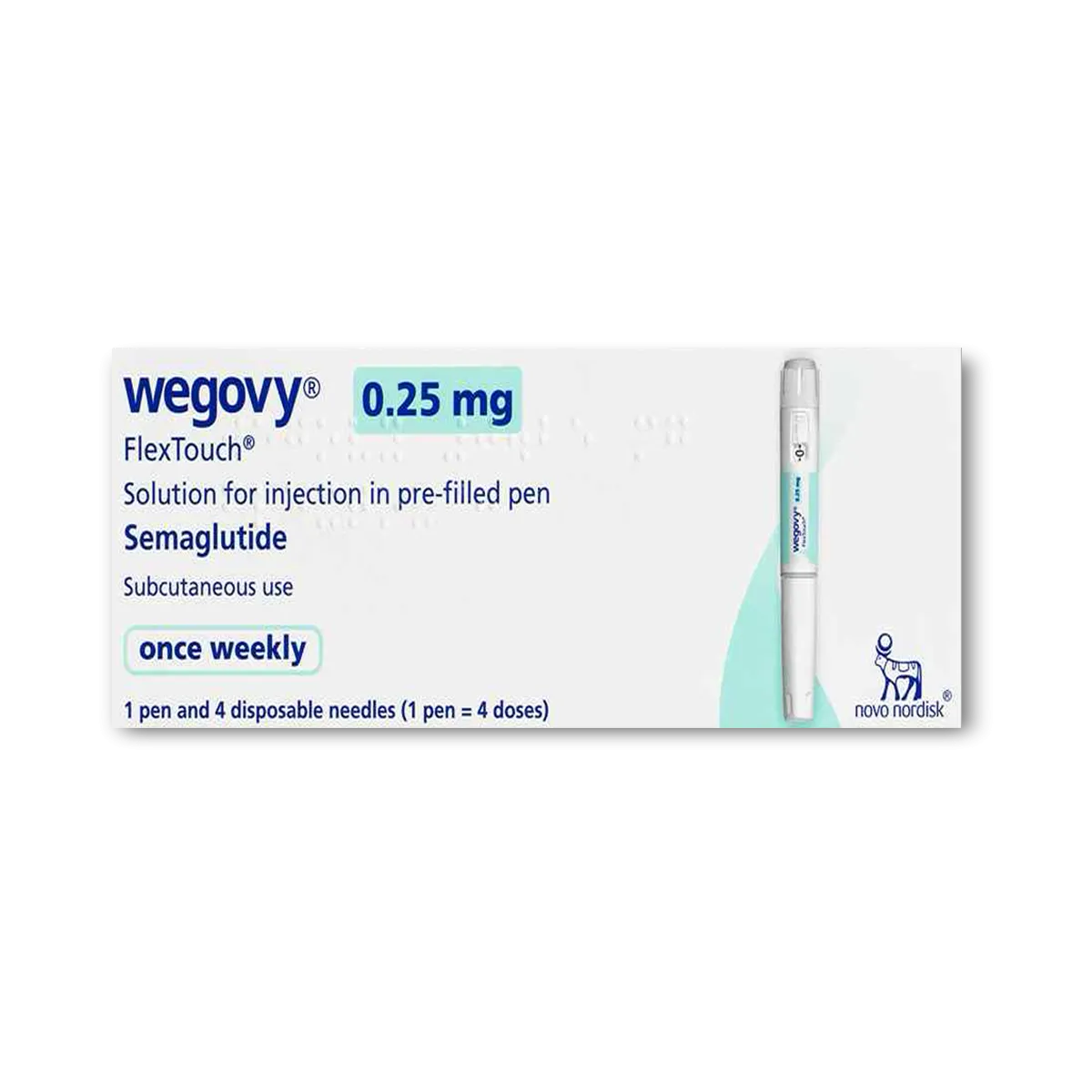
Wegovy 0.25mg
3. Manage stress levels
Stress can raise cortisol (the stress hormone) levels, which increase appetite, promote fat storage, especially around the abdomen and disrupt hunger management. If you manage stress better by adopting the following techniques, you can actually break the cycle of overeating and belly‑fat storage:
- Try relaxation techniques: Practices like yoga, meditation, and deep breathing help reduce cortisol levels and minimize cravings, which can support weight management.
- Focus on quality time: Engaging in hobbies, spending time with loved ones, or simply taking short breaks can aid shift your focus away from food and reduce the urge to snack unnecessarily. These activities keep your mind occupied and lower stress, making it easier to avoid emotional or mindless eating.
- Prioritize relaxation: Prioritizing relaxation helps regulate hunger hormones, reducing cravings and preventing overeating. It also boosts mental well-being by overcoming stress, Anxiety, and emotional eating triggers.
4. Eat a balanced diet
A balanced diet is essential for healthy, long-term weight reduction, as your body needs nutrients to function properly and burn fat effectively. Instead of cutting out whole food groups, focus on including a range of nutrient-rich foods in your daily diet, such as:
- Proteins and healthy fats: Maintain daily protein intake of (1.0–2.0 g/kg of body weight) with protein-rich foods like eggs, pulses, and chicken, and healthy fats like nuts, seeds, and olive oil to support metabolism and overall health.
- Fibers: Maintain your daily fiber consumption at 21-38 grams through fiber-rich foods like fruits and vegetables, which aid digestion, help you feel full with fewer calories, and limit appetite.
- Portion control: Portion management is also essential here; eating smaller, mindful servings helps reduce calorie intake, ensuring you have fewer calories than you burn.
- Stick to the meal plan: Stick to your dietitian’s meal plan consistently, as it builds discipline, controls portions, prevents impulsive eating, and supports steady, sustainable weight-loss progress.
5. Improve sleep quality
Getting proper, uninterrupted sleep is crucial for weight control, as poor sleep increases hunger and cravings by disrupting key appetite hormones. It also raises cortisol, lowers energy levels, and promotes fat gain, making it harder to stay active and maintain a calorie deficit.
To support sound sleep and healthy weight loss, you can try the following:
- Get proper sleep: Try to get at least 7–9 hours of uninterrupted sleep each night to help regulate hunger hormones and reduce unnecessary cravings. Good sleep also boosts energy levels, making it simpler to stay active and maintain a healthy routine.
- Maintain a proper sleep schedule: Every day, including weekends, go to bed and wake up at the same time. Create a calming nighttime ritual that includes reading, gentle stretching, or meditation.
- Avoid screen use: Avoiding screens and electronic gadgets 30-60 minutes before bedtime helps your body naturally wind down and signals it’s time to sleep. Blue light from electronics can affect melatonin (a hormone produced in response to darkness) synthesis, making it more difficult to get proper, uninterrupted sleep.
- Reduce caffeine and heavy meals: Limiting caffeine, especially in the afternoon and evening, helps improve sleep quality and prevents nighttime alertness that can disrupt rest. Avoiding heavy meals close to bedtime reduces digestive strain and promotes deeper, more restorative sleep.
6. Stay hydrated

Staying hydrated supports weight loss by boosting metabolism, aiding digestion, and reducing appetite, helping you eat less and maintain a calorie deficit. It also increases energy and exercise performance, making it simpler to stay active and burn more calories over time.
To keep yourself hydrated, consider the following approaches:
- Maintain your daily water intake: Drink 8–10 glasses of water daily to stay properly hydrated. Increase your intake if you’re active or in a hot climate to support metabolism and overall health.
- Drink water frequently: Start every meal with a glass of water to help fill your stomach and reduce overeating. Keep a water bottle with you and sip throughout the day instead of waiting until you feel thirsty.
- Swap drinks to cut calories: Replacing sugary drinks like sodas, sweetened teas, and packaged juices with water can help reduce extra calories that often go unnoticed.
7. Try intermittent fasting
Intermittent fasting is an eating pattern that emphasizes when you eat rather than what you eat. It involves alternating between times of eating and fasting, such as the famous 16:8 approach, in which you fast for 16 hours and eat within an 8-hour window. This method can help:
- Reduces calorie intake and promotes fat loss: By limiting meal intervals, intermittent fasting naturally reduces overall calorie consumption, enabling the body to burn stored fat for energy.
- Boosts metabolism: Fasting periods could increase metabolic rate by boosting hormonal activity, allowing the body to burn calories more effectively throughout the day.
- Improves insulin sensitivity and digestion: Intermittent fasting regulates blood sugar levels, improves insulin response, and allows the digestive system to rest and repair.
However, stability and appropriate nutrition during meal periods are essential. For long-term outcomes, adopt a regimen that fits into your lifestyle and health needs.
8. Consider weight loss supplements
The following supplements could help with weight loss when paired with a calorie deficit and daily workouts:
- Whey protein: 20–30 g per serving of whey protein, 1–2 times daily, helps preserve muscle mass and improves appetite during a calorie deficit.
- Caffeine: 100–200 mg of caffeine before workouts can boost metabolism, energy, and focus. However, avoid exceeding 400 mg per day.
- Fiber: 1–3 g of fiber, like Glucomannan, before meals with water, helps expand in the stomach, promoting fullness and reducing calorie intake.
- Green tea extract: Green tea extract contains antioxidants such as Epigallocatechin Gallate (EGCG). A daily intake of 250–500 mg could significantly boost fat breakdown.
Although supplements can help you lose weight, they cannot substitute a nutritious diet and healthy lifestyle choices. Also, before taking any supplements, it is best to contact a dietitian to ensure safety and effectiveness.
9. Opt for weight loss management programs
Following a planned weight loss management program will help make your journey more productive and less complicated. These programs are helpful in several ways, including:
- Offer a detailed strategy: They provide a clear strategy, including balanced meal planning, portion control, and regular physical exercise, so you won’t be left wondering what to do next.
- Help maintain consistency: They also help you stay consistent by establishing realistic objectives and measuring your success over time.
- Provide expert assistance: Many programs feature expert assistance, which could help you stay motivated and accountable.
Although these tips to weight loss are quite helpful, consulting a qualified healthcare professional before starting any weight-loss plan is advisable to ensure the technique is safe, effective, and tailored to your individual health needs.
Common weight loss mistakes
Many people struggle to lose weight, not because they aren’t working hard enough, but because a few typical behaviors are holding them back. If you want to make consistent, long-term improvement, you should identify and correct the following patterns:
- Skipping meals: Skipping meals could feel like you’re cutting calories, but it often slows your metabolism and leads to overeating later.
- Following extreme or trendy diets: They can be tempting, yet they’re rarely sustainable and often lead to burnout.
- Overlooking calories: It’s easy to overlook calories when eating healthy, but portion sizes still matter more than you think.
- Depending only on workouts: Exercise alone isn’t enough; without a calorie deficit, you won’t lose weight despite your efforts.
- Not taking proper sleep: Poor sleep disturbs hunger hormones like ghrelin and leptin, enhancing cravings and reducing control.
- Ignoring stress: High stress levels can trigger emotional eating and encourage fat storage, especially around the abdomen.
- Not setting a realistic approach: Expecting quick results often leads to frustration; lasting weight loss requires patience and consistency.
By addressing these habits, you align your daily actions with the long-term strategy needed for real, lasting results.
Conclusion
Once you stop chasing quick fixes, real weight loss becomes more doable. Setting realistic goals, adopting a nutritious diet rich in protein, fiber, and healthy fats, staying hydrated, and engaging in regular physical activity are effective strategies for weight loss that help create a strong foundation for steady weight management.
Simultaneously, prioritizing proper sleep and stress management helps balance hormones that affect appetite and cravings, making it easier to stay consistent. Additionally, intermittent fasting, supplementation, and weight management programs can also be very helpful. At the same time, avoiding common mistakes such as skipping meals, ignoring calorie intake, or relying only on exercise is equally important for lasting results.
When these effective weight-loss methods are followed regularly, they not only help with weight reduction but also enhance energy, metabolism, and long-term health without leaving you feeling overwhelmed or stressed. However, a consultation with a certified healthcare provider is advisable for safer, more effective weight loss.

Frequently Asked Questions
What drink can burn belly fat?
Although no single drink can directly burn belly fat, options like green tea, lemon water, and black coffee could boost metabolism and support fat loss. When paired with a nutritious diet and daily physical activity, these drinks can aid overall weight reduction.
Is lemon water good for weight loss?
Yes, lemon water can support weight loss by keeping you hydrated, slightly boosting metabolism, and helping control appetite when taken before meals. However, it’s not a magic solution; combine it with a balanced diet and regular workout for effective results.
How long does it take to lose weight?
Healthy weight loss typically takes time, with most people safely losing about 0.5 to 1 kg per week. Results vary among individuals and depend on diet, activity, metabolism, and consistency, but noticeable changes usually appear within 3 to 6 weeks of sustained effort.
Can we lose 10 kg in 7 days?
No, losing 10 kg in 7 days is unsafe and unrealistic. It mostly sheds water and muscle, not fat, risking a slowdown in metabolism, nutrient deficiencies, and rebound gain. Aim for 0.5-1 kg weekly through diet and exercise for healthy, lasting results.
Why am I not losing weight?
You are not losing weight due to hidden calorie intake, poor portion control, lack of physical activity, inadequate sleep, or high stress levels. Hormonal imbalances, slow metabolism, or inconsistent habits can also prevent steady, effective weight loss.
Cheap Medicine Shop only refers to credible, authoritative sources for our content. If you’re curious about how we ensure the integrity of our content, we encourage you to read our Content Information Policy.