
Erection duration is often misunderstood by most men, influenced by myths, expectations, and misinformation. They look for a number, a range, or something they can compare themselves to. In reality, erections do not work that way.
There is no fixed time for how long a man can or should stay erect. Erection duration varies from person to person and can change depending on age, health, mental state, and situation. Even for the same man, the erection time can be different on different days.
It is also important to understand that an erection does not always involve sex, penetration, or sexual activity. Men can stay erect during sleep, while resting, or without any sexual stimulation at all. That is why erection time should not be judged only in the context of intercourse.
This article explains how long can the average man stay erect in different situations, what is considered normal, and when erection duration may need attention.
How long can a man stay erect?
There is no single average time that applies to all men. An erection can last anywhere from a few minutes to an hour, depending on many physical, mental, and emotional factors.
During penetration or sexual activity
Erections during sexual activity are closely linked to arousal, stimulation, comfort, and confidence. For many men, an erection during penetration can last 10 to 15 minutes, or longer, depending on stimulation and breaks.
Penetrative sex itself often does not require a continuous erection from start to finish. Many men lose firmness slightly, regain it, change positions, pause, or slow down. All of this is normal.
Factors that affect erection duration during sex include:
- Level of arousal
- Anxiety or performance pressure
- Physical fatigue
- Alcohol use
- Relationship comfort
- Foreplay and stimulation style
Save up to 90% on your medicine bills
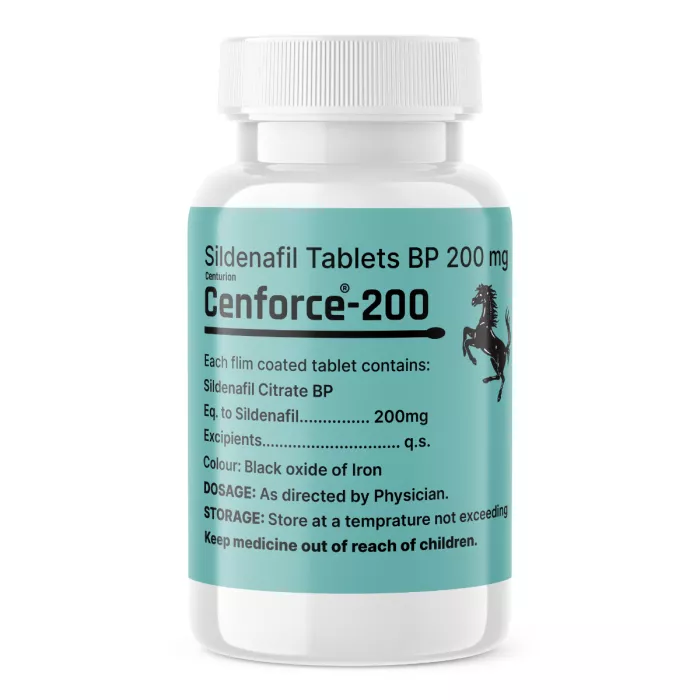
Cenforce 200 mg

Kamagra Oral Jelly Rx 100 mg
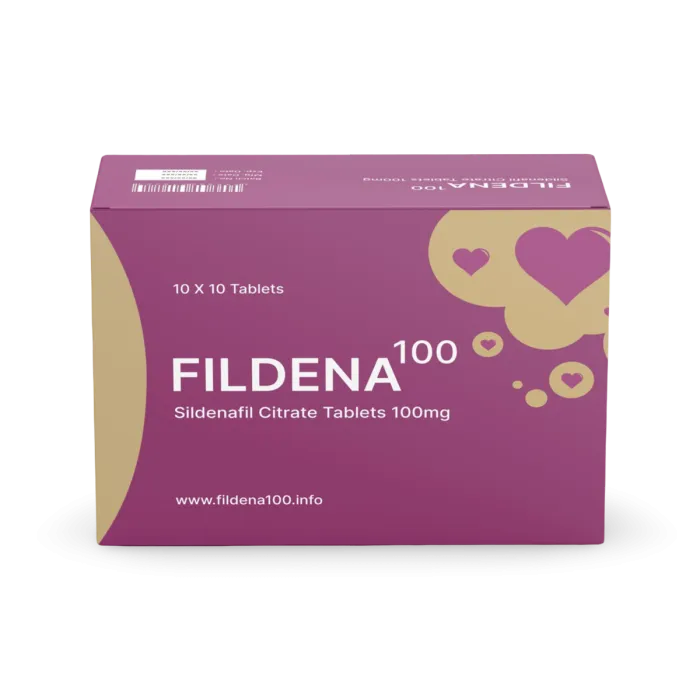
Fildena 100 mg

Vidalista 60 mg
Without sex or penetration
Men can stay erect even when there is no conscious sexual stimulation or sexual activity happening. These erections may occur:
- In the morning
- During sleep
- While resting
- Due to random physical stimulation
- During stress or hormonal changes
Morning erections or morning wood can last anywhere from a few minutes to over 30 minutes, and sometimes longer. These erections are not connected to sexual desire or penetration. They are largely influenced by blood flow, nerve signals, and hormone levels.
Spontaneous erections during the day may come and go quickly, or they may linger if the body remains relaxed and stimulated.
How long should an erection last
Normal erection duration is not defined by timing. It is defined by comfort, function, and overall health. Some men stay erect for shorter periods but feel completely satisfied. Others stay erect longer and still worry unnecessarily. Normal depends on the individual. The factors that determine if erections are normal include whether:
- Erections occur naturally
- They are firm enough when needed
- They do not cause pain or discomfort
Problems begin not when erections are short or long, but when they interfere with health, confidence, or daily life.
What is too long?
An erection that lasts much longer than expected without sexual stimulation can sometimes be a medical concern. It needs medical attention in case:
- It lasts more than 4 hours
- An erection is painful or uncomfortable
- Erection does not go away even after arousal fades
It may indicate a condition where blood becomes trapped in the penis. This is not related to sexual stamina and has nothing to do with masculinity or performance.
Occasionally, prolonged erections can occur due to certain medications, blood circulation issues or nerve problems. While rare, erections that persist for several hours should not be ignored, especially if pain is present.
What is too short?
Many men worry that their erections do not last long enough. In most cases, this worry is far greater than the actual problem. An erection that lasts from a few minutes to half an hour, long enough for stimulation or penetration and returns with arousal is usually considered normal.
Shorter-lasting erections are often linked to:
- Stress
- Anxiety
- Overthinking performance
- Fatigue
- Temporary hormonal changes
Losing an erection occasionally or needing breaks does not automatically mean dysfunction. Erections are sensitive to the mind, and mental pressure alone can shorten their duration.
Why erection time varies so much
Erection duration changes because the blood flow to penis, nerves, hormones, and the brain all play a role. Some days, erections are strong and long-lasting. Other days, they fade quickly. Both are normal experiences.
Key influences include:
- Sleep quality
- Mental health
- Diet and hydration
- Stress levels
- Emotional connection
- Age
As men age, erections may become less predictable, but that does not mean they are considered abnormal or inadequate.
When to pay attention
While variation is normal, it is more useful to look at ongoing patterns rather than one-off experiences. You must pay attention if:
- Erections stop occurring altogether
- There is persistent pain
- Erections are weak and distressing consistently
- Changes happen suddenly without explanation
In such cases, seeking professional guidance is important. A qualified healthcare provider can help identify whether the cause is physical, mental, or related to lifestyle factors and recommend appropriate next steps.
Conclusion
There is no single answer to how long the average man can stay erect. Erection duration is not fixed and is different for every individual. During penetration, erections can last around 10 to 15 minutes or longer, depending on stimulation and breaks. Erections without sexual activity, such as morning erections, can last from a few minutes up to 30 minutes or more.
It can also change based on physical health, mental state, age, and whether the erection occurs during sexual activity or without it. An erection does not always relate to penetration or sex, and it should not be measured only by performance standards. Shorter or longer erections can both be normal, as long as they are not painful and do not cause ongoing distress.
Rather than focusing on time, it is more useful to understand patterns and changes in erection quality. Occasional variations are normal and common. Concerns usually arise only when changes are persistent or uncomfortable.

Frequently Asked Questions
Does erection time decrease with age?
Yes, erection time can change with age, but it does not decrease in the same way for everyone. Blood flow, hormone levels, health conditions, and lifestyle play a role. Some men notice shorter or less predictable erections, while others maintain normal function with good health and care.
Do erections without sex last longer?
Yes, erections that occur without sexual activity, such as during sleep or rest, can last longer than those during sex. They are not linked to climax or physical exertion. The duration of an erection varies due to blood flow, hormone levels, and overall health, so occasional differences are completely normal.
Can lifestyle changes improve erection duration?
Yes, lifestyle changes like regular exercise, proper sleep, stress management, balanced diet, and limiting alcohol or smoking can improve erections by enhancing blood flow, hormone balance, and nerve function. These changes can help maintain stronger and longer erections over time, though results may vary for each individual.
Should the erection time be the same every time?
No, erection duration naturally varies from one instance to another due to mental state, fatigue, stimulation, and overall health. Shorter or longer erections at different times are normal. Only persistent changes, pain, or difficulty maintaining erections may indicate a problem needing professional evaluation.
Cheap Medicine Shop only refers to credible, authoritative sources for our content. If you’re curious about how we ensure the integrity of our content, we encourage you to read our Content Information Policy.
Recent Web Stories