
Testosterone is one of the most influential hormones in the human body. It shapes how you look, feel, and behave, especially in men. While men naturally have higher levels, women also produce testosterone in smaller amounts through their ovaries and adrenal glands.
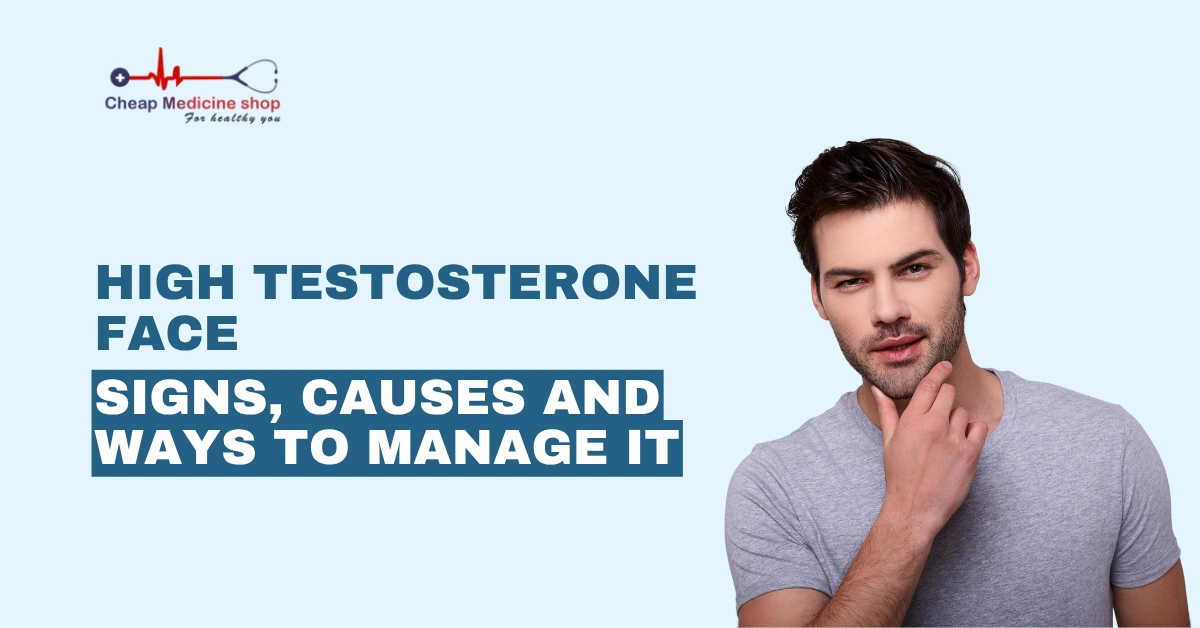
However, when testosterone levels rise too high, they can visibly affect the face in both genders. Men may notice stronger, more angular features, while women might experience oilier skin, acne, or unwanted facial hair. This is what’s often referred to as a high testosterone face.
In this article, you shall read what a high testosterone face really means, how it differs from a low testosterone face, and what both men and women can do to manage their hormone levels naturally and safely.
What is a high testosterone face?
A high testosterone face refers to the facial characteristics associated with high testosterone levels in the body. These traits can appear in both men and women, though they’re often more noticeable in men.
Testosterone affects the body’s bone growth, oil glands, and hair follicles. So, changes in this hormone can visibly reshape facial appearance over time.
Save up to 90% on your medicine bills
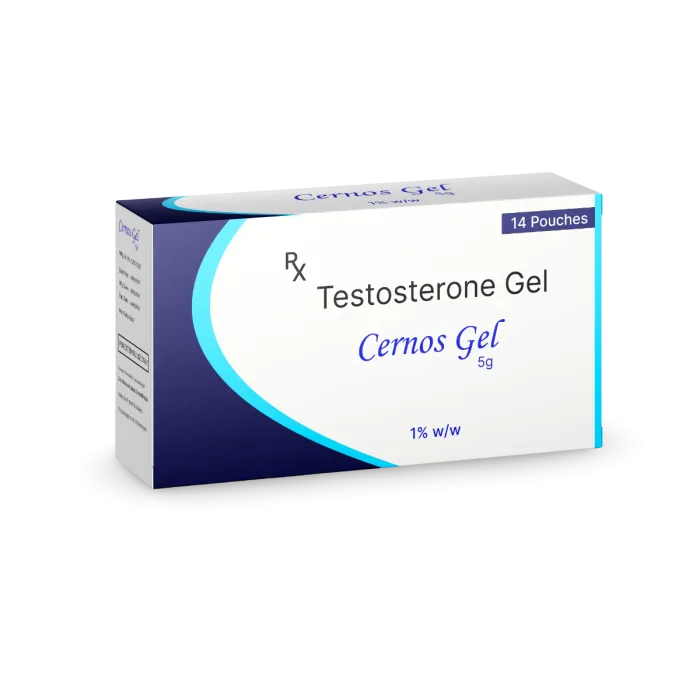
Cernos Gel 1%w/w

Cernos 40 Mg Soft Gelatin Capsule

Sustanon 250 Injection

Carmel Organics Ashwagandha Extract Tablets
Here are some facial signs often linked with higher testosterone levels:
- Sharp, defined jawline: Men with high testosterone typically have strong, angular jawlines due to better bone density and muscle definition in the lower face.
- Oily skin and acne: Testosterone increases sebum (oil) production, that can cause clogged pores and acne, particularly around the chin and jawline.
- Prominent cheekbones: Elevated testosterone contributes to more structured cheekbones, giving the face a sculpted look.
- Thick facial hair growth: High testosterone activates hair follicles, resulting in faster and denser beard growth in men. In women, it may cause unwanted facial hair.
- Pronounced brow ridge and deep-set eyes: Higher levels of testosterone are often associated with stronger bone growth around the brow area, giving a more rugged or intense look.
- Broader or fuller face: The hormone promotes muscle mass, giving the face a wider, stronger appearance, especially around the neck and jaw.
- Narrower lips: Testosterone tends to reduce soft-tissue fullness, making the lips appear thinner or less plump.
- Longer lower face: High testosterone is often linked to stronger jaw development and a vertically elongated lower face.
High testosterone face vs low testosterone face
Just as high testosterone changes your appearance in one way, a low testosterone face shows opposite characteristics. Here’s a simple high vs low testosterone face comparison:
| Feature | High testosterone face | Low testosterone face |
| Jawline | Sharp and defined | Soft, less prominent |
| Cheekbones | High and structured | Flatter or rounder |
| Facial hair | Thick, fast-growing | Sparse or patchy |
| Skin texture | Oily, prone to acne | Dry or dull |
| Facial shape | Broad or angular | Narrow or smooth |
| Muscle tone | Noticeable firmness | Reduced definition |
| Overall look | Masculine, bold | Gentle, less intense |
Causes of high testosterone levels
High testosterone may develop naturally or due to specific external factors. It can affect both men and women, influencing physical appearance, mood, and overall health. Some common causes are:
- Genetics: Some people naturally have higher testosterone levels due to their genes, which influences facial and body structure even without an imbalance.
- Steroid or testosterone supplement use: Athletes or bodybuilders who use anabolic steroids often experience rapid physical changes, including facial alterations.
- Polycystic Ovary Syndrome (PCOS) in women: Women with PCOS may produce excess androgens (male sex hormones), leading to oily skin, facial hair growth, and a more angular face.
- Chronic stress or lack of sleep: Stress and sleep deprivation disrupt hormone regulation, sometimes causing temporary testosterone fluctuations.
- Tumors or endocrine disorders: Certain adrenal or ovarian/testicular tumors can cause abnormally high testosterone production.
Lifestyle changes to manage high testosterone naturally
The good news is that in many cases, lifestyle changes can help bring testosterone levels back into balance. By strategically managing diet, physical activity, and stress, individuals can naturally improve metabolic function and increase the body’s ability to regulate and neutralize excess androgen hormones. You can try the following:
- Choose foods rich in whole grains, fruits, vegetables, and healthy fats. Reduce intake of red meat, refined sugar, and processed foods.
- Maintain a good sleep schedule. A consistent sleep cycle (7–8 hours) helps your body regulate hormone production naturally.
- Try meditation, yoga, or light exercise to relax. Chronic stress releases cortisol, which indirectly affects testosterone.
- Regular moderate exercise, especially strength training and cardio, helps stabilize hormones without overstimulating testosterone.
Medical treatment options
If high testosterone levels are confirmed through testing, your doctor may suggest:
- Hormone Replacement Therapy (HRT) to restore balance.
- Anti-androgen medications to block testosterone effects.
- Birth control pills (for women) to regulate androgens.
- Surgery or treatment for tumors, if present.
Always discuss side effects and long-term risks with a qualified healthcare provider before starting any treatment.
Conclusion
A high testosterone face isn’t just about sharp jawlines or defined cheekbones; it’s the result of real hormonal influence that affects both men and women. Features like thicker facial hair, oily skin, acne, or a stronger bone structure often reflect elevated testosterone levels.
However, these traits don’t always mean something is wrong. Genetics, lifestyle, and even fitness habits can shape how testosterone shows on your face. At the same time, it’s important to recognize that too much testosterone can disrupt your skin health, trigger breakouts, or even lead to hair thinning over time.
In contrast, a low testosterone face may appear softer, less defined, or fatigued, showing how hormone imbalance directly impacts your appearance. Maintaining a balanced lifestyle, eating well, managing stress, and seeking medical advice when needed are the safest ways to support healthy testosterone levels and keep your appearance naturally in harmony.

Frequently Asked Questions
How does high testosterone affect the menstrual cycle?
High testosterone can disrupt the menstrual cycle by interfering with ovulation. Women may experience irregular or missed periods, lighter or heavier bleeding, and symptoms like acne or excess hair growth. Conditions such as PCOS are often linked to elevated testosterone levels.
Does testosterone reduce breast size in females?
Yes, high testosterone can lead to a smaller breast size in females. This happens because testosterone lowers estrogen levels and reduces fat deposits in the breast tissue. As a result, breasts may appear less full or firm, especially when hormone levels remain imbalanced for long periods.
Is a high testosterone face permanent?
No, a high testosterone face is not always permanent. Changes caused by high testosterone can improve if hormone levels return to normal. For example, acne, oily skin, and excess facial hair may be reduced with proper treatment. However, structural changes like a defined jawline may remain stable.
Can high testosterone cause facial puffiness?
Yes, high testosterone can lead to a puffy face. Fluid retention linked to hormonal imbalance may cause mild puffiness or swelling in the face. This is more common when testosterone supplements are overused.
Cheap Medicine Shop only refers to credible, authoritative sources for our content. If you’re curious about how we ensure the integrity of our content, we encourage you to read our Content Information Policy.
Recent Web Stories