


When we talk about stamina, it’s easy to think only about lasting longer. But it is far more than that. Stamina is about feeling energetic, focused, and in control, whether you’re exercising, working, or enjoying intimate moments with your partner.
Many people believe that to get results, they must spend hours at the gym or engage in extreme training. But consistency matters more than duration or intensity. With just 10 minutes of High-Intensity Interval Training (HIIT), both men and women can improve their physical endurance.
Short bursts of cardio, strength training, breathing exercises, and stretching help your heart, lungs, and muscles function better and recover more quickly. Coupled with a healthy diet rich in necessary vitamins and minerals, you can achieve these results faster. This guide walks you through a 10-minute daily exercise routine to help you naturally improve your stamina.
Exercise 1: Warm-up your body (90 seconds)
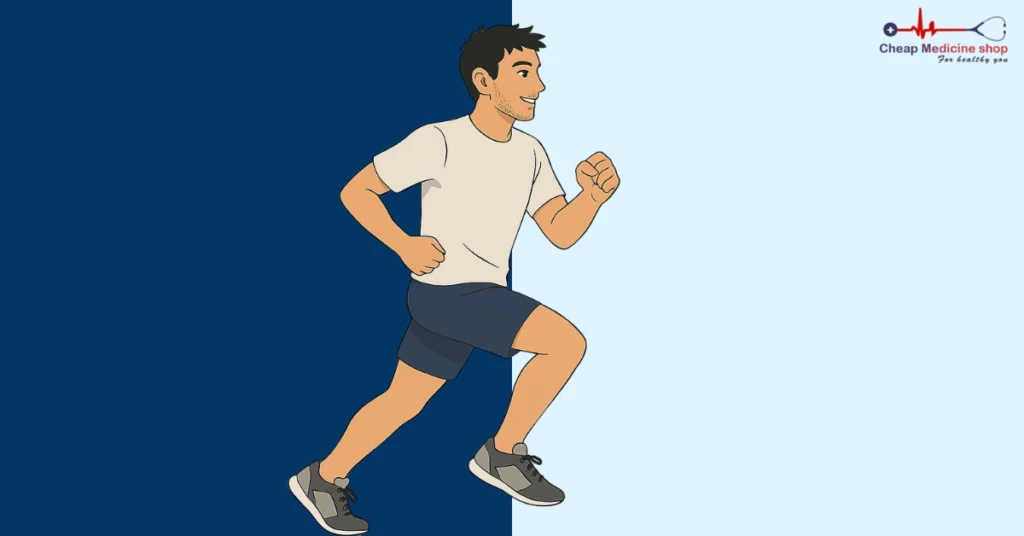
A quick warm-up increases blood flow to working muscles, relaxes tight tissues, and reduces the risk of injury. It also helps you prepare psychologically for intensive exercises ahead.
1. Arm and shoulder rolls (15 seconds)
This quick move helps release built-up stress and aids your breathing. You can do it after long periods of sitting at work, too.
- Stand tall and relax your arms.
- Roll your shoulders back ten times while breathing deeply.
- Then, rotate forward ten times in the same manner.
2. Hip circles (20 seconds)
Twenty seconds of gentle hip circles can help loosen up your lower body and boost flexibility, thereby releasing tension and improving blood flow.
- Place your hands on your hips and your feet shoulder-width apart.
- Slowly rotate the hips clockwise for 10 seconds.
- Then, rotate them counterclockwise for 10 seconds.
3. Light jog in place (15 seconds)
A quick jog boosts your blood flow, thereby improving your overall stamina. You don’t necessarily need to go out for jogging. Here’s how you can do it at home:
- Jog in place by lifting your knees softly.
- Keep your arms relaxed.
- Keep breathing steadily.
4. Upward stretch (10 seconds)
This simple practice combines mindful breathing with gentle stretching to calm your body, release tension, and boost overall stamina.
- Raise both arms upward and inhale deeply.
- Stretch upward to stretch your spine.
- Exhale softly and lower your arms.
- Repeat twice or thrice.
5. Cat-cow stretch (30 seconds)
This posture enhances flexibility and reduces injury risk during workouts.
- Begin on hands and knees.
- Inhale and arch your back (cow position).
- Exhale and circle your spine (cat position).
- Repeat 5-6 slow and controlled cycles.
Exercise 2: Begin with a cardiovascular boost (3 minutes)
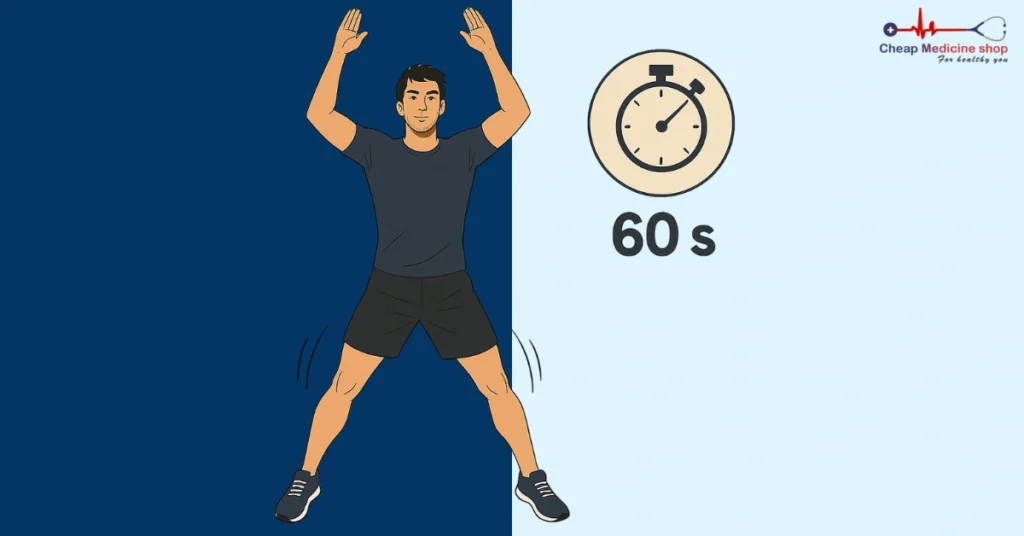
When it comes to endurance, a strong cardiovascular system is crucial because it is responsible for blood and oxygen flow. Therefore, a simple 3-minute cardio or a burst of high-intensity movements can effectively improve stamina.
1. Jumping jacks (1 minute)
Jumping jacks are a quick, full-body exercise that gets your heart pumping and your blood flowing within seconds. This is one of the best exercises to improve stamina and strength.
- Stand tall, jump your feet out, and raise your arms high.
- Return to the original position and lower your arms.
- Repeat it 10-15 times.
2. High knees (1 minute)
Get your heart pumping with this sixty-second exciting workout that increases endurance and improves your core.
- Run in place, bringing your knees as close to your chest as possible.
- Swing your arms to enhance the intensity, if needed.
3. Mountain climbers (1 minute)
Mountain climber is a full-body exercise that activates your core, increases stamina, and gets your pulse going. You can try it as follows:
- Take a push-up position.
- Alternate pushing your knees toward your chest in a rapid running action.
Exercise 3: Activate your core (3.5 minutes)
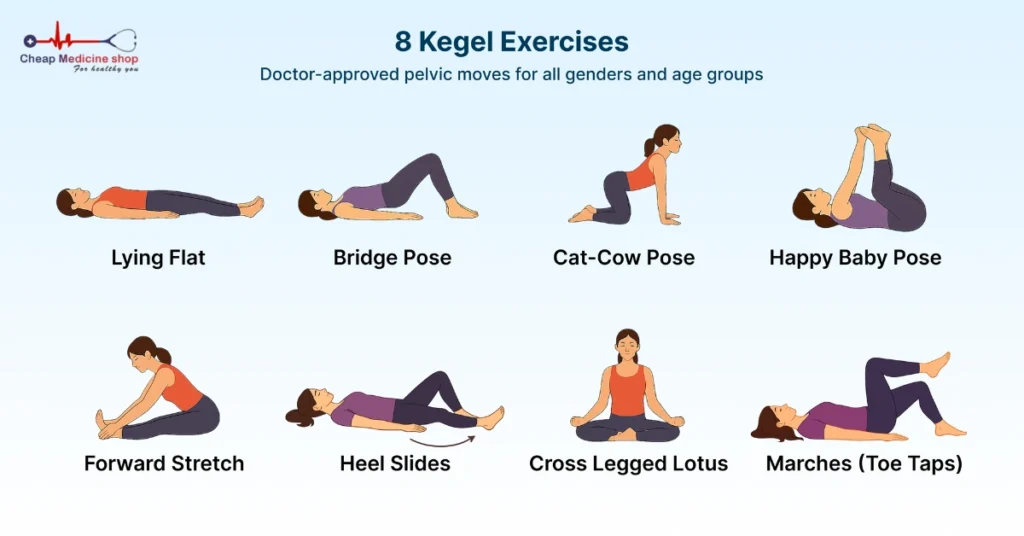
Core strength and flexibility are extremely important for physical endurance. A strong core stabilizes the body, especially during activities of greater intensity. Flexible hips and a strong lower back help minimize stiffness, allowing you to move with ease.
This exercise routine can be incorporated either as part of your morning ritual or before bedtime.
1. Plank hold (30 Seconds)
The plank is one of the best exercises to increase stamina and strengthen your core. You need to:
- Get into a push-up position, resting on your forearms.
- Keep your body in a straight line from head to heel.
- Hold for 20-30 seconds while inhaling deeply.
- Gradually, try to hold the plank position for longer durations.
2. Squats (1 minute)
Squats are one of the best exercises to increase stamina and build lower-body strength for daily activities like walking, climbing stairs, and lifting.
- Stand with your feet shoulder-width apart and toes slightly turned out.
- Bend your knees and push your hips back as if you’re sitting in a chair.
- Lower yourself so that your thighs are almost parallel to the floor (or as far as you are comfortable).
- Press through your heels to stand back up.
- Do 2-3 sets of 10 repetitions, making sure to rest for 60 seconds between sets.
3. Lunges (1 minute)
Lunges improve balance, leg strength, and stability, all of which support better stamina and movement control.
- Stand tall with your feet hip-width apart.
- Step one foot forward and bend until both knees are at about 90 degrees.
- Bend your front knee so it sits directly above your ankle.
- Lift the heel of your back foot off the ground.
- Push through your front heel to return to the starting position.
- Alternate legs and repeat 10 times per side, for 2–3 sets.
4. Kegels (1 minute)
Kegel exercises are basic contractions of the pelvic floor muscles. Suitable for both men and women, they help improve posture, core stability, and physical endurance.
- To locate the correct muscle, try to stop the flow of urine midway.
- Once identified, contract your pelvic muscles and hold for 3-5 seconds.
- Release and rest for 5 seconds.
- Repeat 10 to 15 times.
- Practice it 2-3 times daily. You can do these while sitting, standing or lying down as and when you get time.
Tip: Add Kegels to your daily routine to strengthen pelvic muscles. This exercise can help men last longer in bed and improve bladder control in women.
Exercise 4: Cool down with stretches and deep breathing (2 minutes)
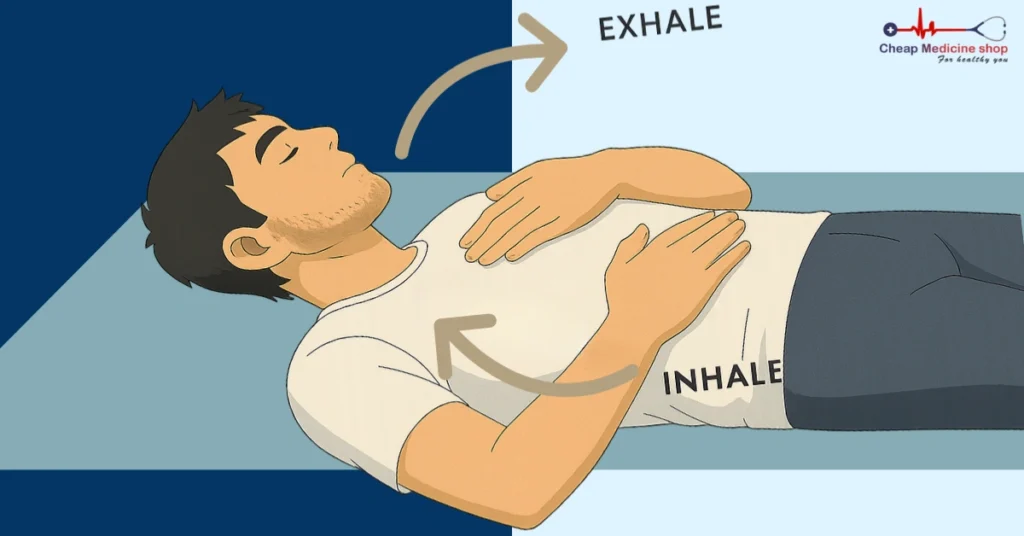
The way you breathe, especially during workouts, can greatly impact stamina and energy. When your breathing is weak and fast, it drains you out sooner. In contrast, taking deep, steady breaths allows you to last longer during exercise and in bed as well.
You can also combine breathing techniques with gentle stretches (upward or cat-cow stretch) for 10 seconds each to help you cool down. You can easily practice simple deep breathing as follows:
1. Inhale deeply (4 seconds)
When you take a slow, full breath in, your lungs expand completely, and your body relaxes.
- Sit or lie in a comfortable position.
- Place one hand on your chest and the other on your abdomen.
- Breathe in through your nose for 4 seconds.
- Concentrate on expanding your stomach, not just your chest.
- Start by holding your breath for 3-5 seconds initially, gradually increasing with practice.
2. Exhale slowly (6-8 seconds)
Learning to exhale slowly helps calm your body, steady your mind, and maintain greater control during workouts.
- Breathe out slowly through your mouth.
- Purse your lips to control your exhalation.
- Visualise Anxiety and stress leaving your body.
- Feel your stomach emptying as you exhale completely.
Additional tip: Adopt daily habits to increase stamina
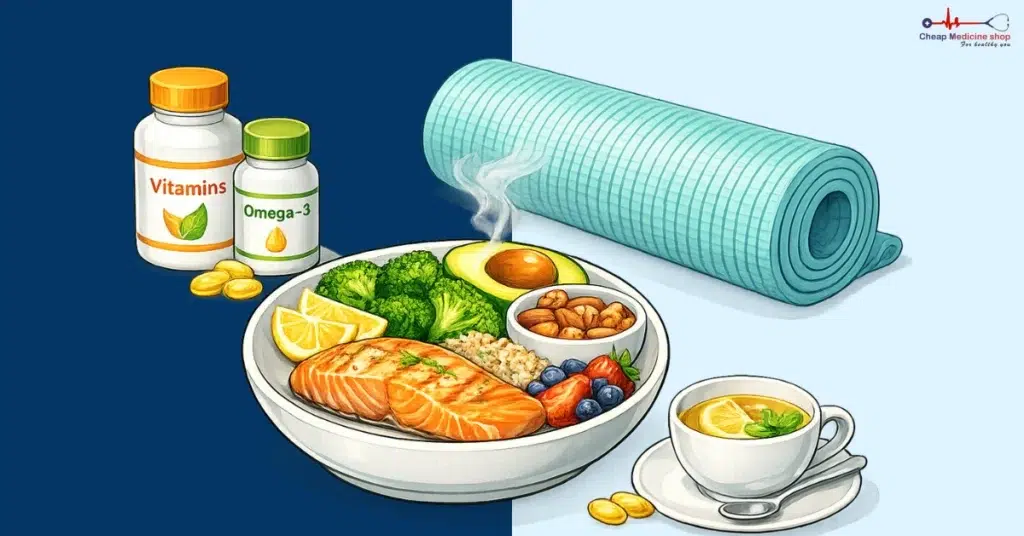
In addition to 10-15 minutes of daily exercise, minor changes to your everyday habits can greatly improve your energy, strength and endurance. These adjustments work equally well for men, women and children.
1. Eat the best foods for stamina and strength
Image suggestion: Flat lay of a balanced meal: salmon, eggs, nuts, greens, and whole grains.
What you eat directly affects how long you can work, train, or stay active without feeling drained. Choosing natural stamina booster foods helps stabilize blood sugar levels, support workouts and all-day energy.
- Get enough protein for muscle repair through eggs, lentils, beans, lean meat, cottage cheese or tofu.
- Snack on almonds, walnuts, pumpkin or sunflower seeds that provide healthy fats.
- Add whole grains like brown rice, oats, quinoa, and whole-wheat bread to your main meals to prevent energy crashes.
- Eat berries, citrus fruits, leafy greens, carrots, and bell peppers daily for antioxidants that support circulation, heart health, and overall stamina.
- Cut back on refined sugar, ultra-processed foods, trans fats and saturated fats.
Remember to stay hydrated with plain water, coconut water, lemon water, or herbal teas with minimal sugar.
2. Destress and unwind
Image suggestion: A woman relaxing in a bubble bath.
Stress and poor sleep quietly drain your stamina, even if you are exercising and eating well. Build a simple daily wind-down and sleep routine to allow your body to recharge overnight.
- Create a 10-minute de-stress ritual. It can include a short evening walk after dinner, journaling or 5-10 minutes of deep breathing or guided meditation.
- Follow a relaxing pre-sleep ritual like a warm shower, dim lights, and light reading.
- Go to bed and wake up at roughly the same time, even on weekends.
- Switch off screens 60 minutes before bed to avoid blue-light stimulation.
- Aim for 7-8 hours of uninterrupted sleep each night, as sleep deprivation can impact your overall health and vitality.
3. Take vitamins and supplements for stamina
Consult a doctor to check for basic nutrients, such as iron, vitamin B12, and vitamin D, through blood tests. Try addressing these deficiencies through diet and lifestyle changes. However, if they don’t suffice, opt for supplements under medical guidance.
Additionally, discuss including supplements for:
- Omega-3 fatty acids that maintain heart health and blood flow, which are key to increased stamina.
- Zinc to help with testosterone production and immune function.
- Amino acids like L-arginine or L-citrulline which help support circulation and endurance.
- Magnesium to aid muscle relaxation and energy metabolism to enhance daily endurance.
- Herbs such as ashwagandha or ginseng for stress management and overall vitality.
Frequently Asked Questions
Can stress or poor sleep affect stamina?
Yes, stress increases stress hormone (cortisol), while poor sleep affects recovery and hormonal balance. Together, they can significantly lower your stamina by draining your energy and delaying muscle repair. Managing stress and getting 7-8 hours of restful sleep are thus key to improved stamina.
How to check stamina?
You can check your stamina by noting how long you can jog or hold a plank without feeling exhausted. You can try the brisk walking talk test (able to hold a conversation with 10 minutes of brisk walking) or the 30-second chair stand (able to stand up from a chair 12-14 times in 30 seconds).
How long does it take to improve stamina?
With consistent daily effort, you can begin to see improvements in your stamina, like less breathlessness, in 2 to 3 weeks. More noticeable changes in endurance typically appear after 6-8 weeks of regular exercise, a good sleep routine, and a balanced diet.
What is the fastest way to increase stamina?
Combining short daily cardio exercises, strength training, proper hydration, and adequate sleep may be the fastest way to increase stamina. High-Intensity Interval Training (HIIT) a few times a week, combined with daily walking and stretching, also offers the quickest improvements when done consistently.
Is stretching really necessary before exercise?
Yes, a brief warm-up and light stretching help prepare your muscles and joints, reduce stiffness, and lower the risk of injury. Movements like hip circles or arm rolls are best done before exercise, while longer stretches are most effective after workouts.
What is the 3-3-3 rule for workouts?
The 3-3-3 rule of workouts dictates that you should aim for at least 3 days of exercise per week, mix 3 types of movement (cardio, strength, and stretching), and commit to doing it regularly for at least 3 weeks before expecting or judging your progress.
Cheap Medicine Shop only refers to credible, authoritative sources for our content. If you’re curious about how we ensure the integrity of our content, we encourage you to read our Content Information Policy.