

Low libido is a common issue many women experience at various life stages, including Pre-Menopause, Menopause, and Postpartum. Hormonal shifts, physiological changes, lifestyle habits, and emotional factors can all play a role in reducing sexual desire. Sometimes, these changes are temporary and can be effectively managed with natural strategies, such as improving their diet, staying active, managing stress, and enhancing intimacy with their partner. In some cases, supplemental treatments or professional guidance may be needed.
If low libido is ignored, it can progress to Hypoactive Sexual Desire Disorder (HSDD), which may require specialized medical care. This guide provides effective strategies to help increase female libido, including lifestyle tips, dietary and herbal approaches, supplements, intimacy techniques, and medical or therapeutic options tailored to different life stages.
Method 1: Rekindle passion with romance and foreplay
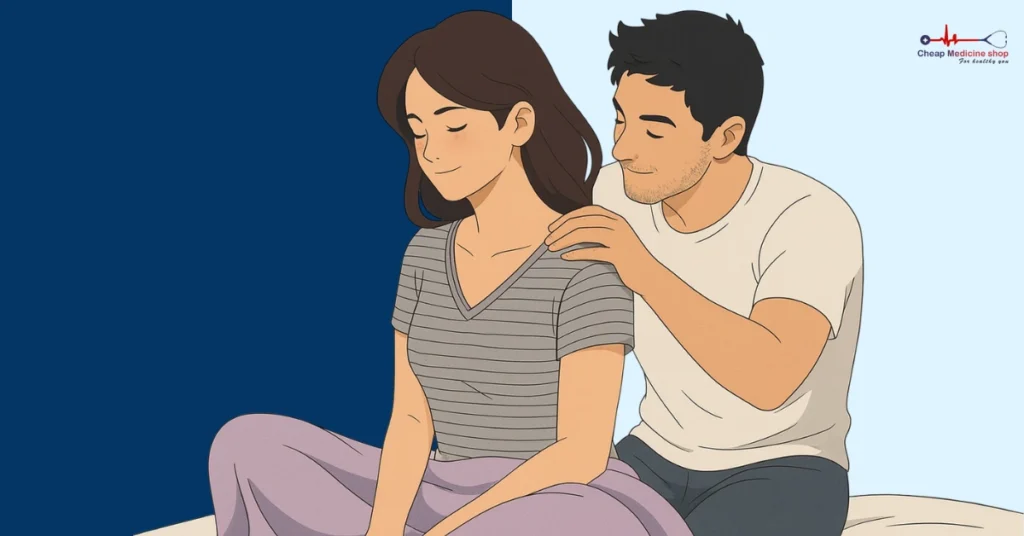
One of the most effective ways to boost female libido is by reigniting intimacy and emotional connection with your partner. Romance and foreplay help you relax, feel desired, and increase physical arousal, making sexual experiences more enjoyable. Focusing on emotional closeness and playful touch can reignite passion that may have waned due to stress, busy schedules, or hormonal changes.
Here’s what you can do
Give her a sensual massage
Cuddle your partner and offer her a massage to relieve her fatigue, or you can shower together. Since non-sexual touch relaxes the body, reduces stress, and increases oxytocin (the “love hormone”) levels, it will quickly get her in the mood.
Increase and improve foreplay
Spend more time on slow, attentive foreplay to help build arousal gradually, allowing the body to respond fully. Lengthen kissing, touching, and oral stimulation before penetration.
Create a romantic environment
Use soft lighting, calming music, and pleasant scents to create a relaxing and stimulating atmosphere. Watching erotic videos or reading erotica with your partner is also something that you can enjoy as a couple.
Try new sexual positions
Introducing novelty increases excitement and curiosity in the bedroom. Adjust the angle, change sexual position, or pace to discover new sources of pleasure. Some couples enjoy introducing another person in the dynamic. If that excites both of you, be a throuple, even if only for a night.
Practice mindfulness during intimacy
Focus on sensations rather than distractions to reduce stress. Take slow, deep breaths to calm your nerves, enhance oxygenation and improve arousal. Practice yoga poses that stimulate blood flow to the pelvic region, such as cobra pose, bridge pose and cat-cow stretch.
Keep open, honest communication
Openly discuss your desires, fantasies, boundaries, and preferences with your partner to build emotional safety and deepen intimacy. If either of you wants to use sex toys, communicate clearly and stay receptive to each other’s comfort and needs.
Method 2: Consume foods that increase your libido

A nutrient-rich diet supports hormone balance, blood flow, and overall energy, all of which are critical for maintaining sexual desire. Specific foods contain compounds that directly affect circulation and mood, making them effective natural libido boosters.
Here are some of the best foods to increase sexual desire in women.
- Berries: Berries contain antioxidants that improve circulation, reduce inflammation, and protect your vascular health. Eating them regularly can support sexual arousal and desire at every stage of life.
- Avocados: Avocados contain healthy fats that help stabilize your hormones, making them particularly helpful for Pre-menopausal women experiencing hormonal fluctuations that can reduce libido.
- Nuts and seeds (walnuts, flaxseeds): These nutrient-dense foods boost hormonal health, increase energy, and help manage Postpartum fatigue. Regular consumption supports sexual desire and overall vitality.
- Leafy greens: Leafy greens increase Nitric Oxide (NO) in your body, which enhances blood flow and arousal. They also support natural lubrication, making intimacy more comfortable and pleasurable.
- Citrus fruits/watermelon/pomegranate: Packed with vitamin C, citrulline, and antioxidants, these fruits improve blood flow, arousal, and natural lubrication. They help alleviate dryness in Menopause and enhance sensitivity in Pre-menopause.
- Oily fish (salmon, sardines): Rich in omega-3 fatty acids, oily fish support hormone balance and improve blood circulation. This is especially beneficial if you’re perimenopausal or menopausal, helping reduce depression, restore energy and sexual desire.
Method 3: Have drinks that increase your libido
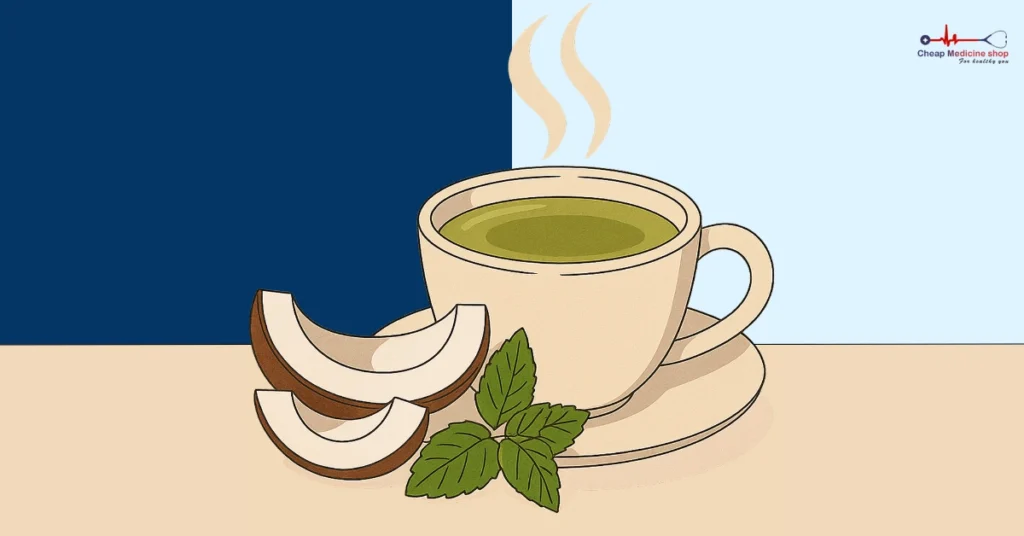
Proper hydration is crucial for good vaginal health because it helps keep vaginal tissues moist, elastic, and comfortable for sex while reducing dryness and irritation. Aim for 8-10 glasses of water each day. Try water infused with lemon, cucumber, or mint for a refreshing feel. Additionally drink:
Coconut water and green tea
Coconut water and its flesh are rich in electrolytes, helping you stay hydrated and restore energy quickly, which is beneficial if you’re postpartum or feeling fatigued during Pre-menopause. Green tea contains antioxidants like catechins and L-theanine, which improve blood flow, enhance circulation to intimate areas, and reduce stress.
Here’s how it supports women at different life stages,
- Pre-Menopause: Helps combat Premenstrual Syndrome (PMS) fatigue, stabilizes energy levels, and supports hormone balance to maintain sexual desire.
- Perimenopause/Menopause: Improves circulation, reduces stress, and may help counter mood swings that can decrease libido.
- Postpartum: Rehydrates the body, replenishes lost electrolytes, reduces fatigue, and supports energy levels for intimacy and daily demands.
Pomegranate and beetroot juice
Pomegranate and beetroot juices are rich in antioxidants that promote healthy blood flow and support hormonal balance. They help increase circulation specifically to the genital areas, enhancing arousal, sensitivity, and natural lubrication, which can boost libido. For,
- Pre-Menopause: It supports sexual sensitivity and desire by improving circulation and hormonal balance during cycle-related fluctuations.
- Perimenopause/Menopause: It helps address vaginal dryness and low arousal caused by declining estrogen, improving intimate comfort and responsiveness.
- Postpartum: It aids recovery by improving blood flow, helping offset low libido due to hormonal shifts and fatigue.
Method 4: Take herbal supplements for a libido boost
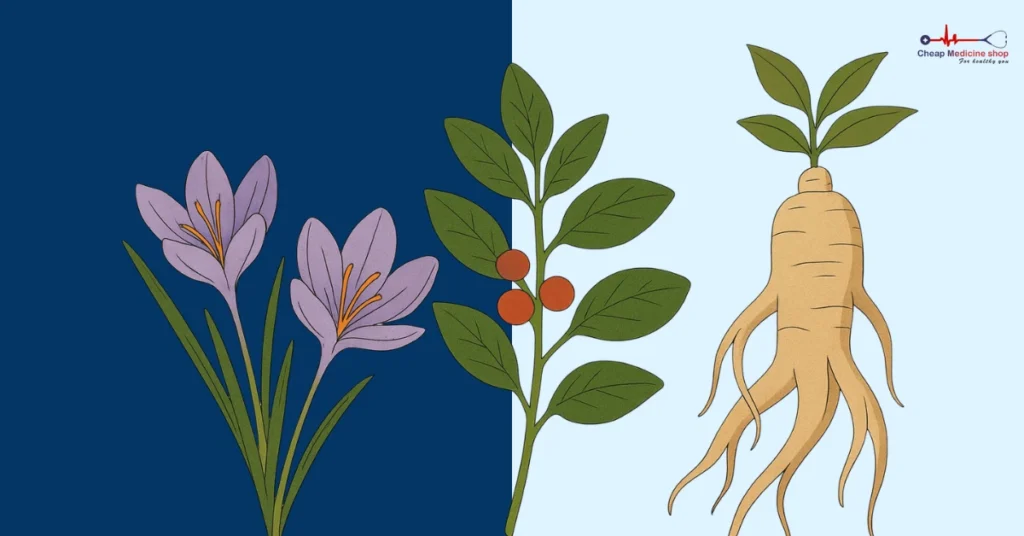
Herbal remedies have been used for centuries to support sexual health, balance hormones, and promote overall wellness. Certain herbs can enhance blood circulation, reduce stress, and improve energy, which may help increase sexual desire in women. However, results vary by individual, age, hormonal status, and underlying health conditions.
Here are some supplements that you can opt for:
- Ashwagandha, saffron, L-theanine, and damina: These herbs work synergistically to support both mental and sexual wellness by targeting stress, anxiety, and emotional fatigue, all of which are common contributors to low libido.
- Maca, ginseng, and fenugreek: These herbs have the ability to support sexual function, energy levels, and hormonal balance, making them particularly useful for women experiencing low libido due to age, hormonal changes, or stress.
- Cayenne pepper, ginkgo biloba, and tribulus terrestris: These herbs increase blood flow, helping you feel more aroused, responsive, and sensitive, naturally supporting your libido and enhancing sexual desire across all life stages.
- Chasteberry (Vitex), red clover, and shatavari: These herbs help restore estrogen balance, improve vaginal health, and reduce Menopause-related symptoms like hot flashes and mood swings.
- Epimedium: Also called Horny Goat Weed, this plant-based supplement from Chinese medicine is gaining popularity as a natural female libido booster. It contains Icariin, a compound that supports blood flow to sexual organs, enhancing arousal and sexual responsiveness.
These herbs are generally safe in moderation but may cause mild side effects. They can occasionally cause digestive issues, dizziness, headaches, drowsiness, or affect blood pressure and blood sugar. Always consult a healthcare professional before starting any herbal supplement.
Method 6: Adopt lifestyle changes
Lifestyle choices play a key role in supporting sexual desire throughout every stage of a woman’s life. Simple, consistent changes can improve hormone balance, reduce stress, boost energy, and enhance blood flow, all of which are essential for a healthy libido. Adopting positive routines can naturally increase your sexual drive and overall intimacy.
Here are some effective lifestyle changes for low female sex drive:
Start exercising to increase female libido
Regular physical activity enhances circulation, boosts energy levels, and supports hormone regulation. Research indicates that exercising for 30 minutes daily, 5 days a week, can increase libido in both men and women. So, make it a point to avoid a sedentary lifestyle and start doing:
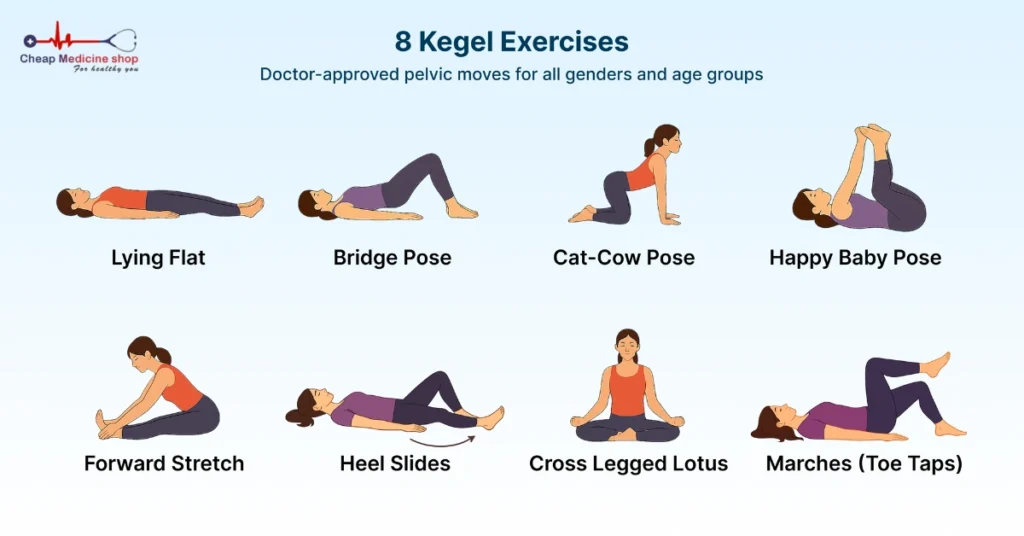
- Kegel or pelvic floor exercises to strengthen vaginal muscles, improve sensation and orgasm control. Simply, hold a contraction for 6 seconds, relax for 6 seconds, and repeat 5-6 times daily.
- Aerobic and resistance training help build stamina and regulate mood-enhancing neurotransmitters, such as dopamine and serotonin.
Maintain a consistent routine
Get 7 to 8 hours of restful sleep to support hormonal balance, including estrogen, testosterone, and energy levels. Try to wake up and go back to sleep at the same time every day to strengthen your body’s natural rhythm.
Lower stress and anxiety
Meditation and deep breathing help you release stress and tension that can enhance libido, making it easier to feel aroused. Yoga adds to these benefits by reducing anxiety, improving flexibility, and boosting blood flow, helping you feel more comfortable and satisfied in your sex life.
Improve your relationship with your partner
Stronger bonds reduce pressure during intimacy and make arousal more natural and enjoyable. So remember to share chores with your partner, partake in hobbies she likes and spend quality time outside of sex to strengthen the bonds of trust and emotional intimacy.
Quit smoking and reduce alcohol intake
Since both smoking and drinking negatively impact circulation and desire, cutting back or quitting both habits can restore vascular health, improve stamina, and enhance overall desire.
Method 6: Try sex therapy or counseling

Sexual desire is influenced not only by hormones and physical health but also by emotional, psychological, and relationship factors. If low libido persists despite lifestyle, dietary, or supplement interventions, therapy can be a highly effective way to address the underlying causes.
Here’s how therapy will help:
- Addresses psychological barriers: Anxiety, stress, depression, past trauma, or body-image concerns can all reduce sexual desire. Therapy provides a safe environment to explore these issues.
- Improves communication: Couples counseling helps partners discuss sexual needs, boundaries, and fantasies openly, fostering emotional intimacy and mutual understanding.
- Develops strategies to enhance intimacy: Therapists can guide you through exercises to increase physical and emotional closeness, such as mindfulness practices, sensate focus, or structured date nights.
- Boosts confidence and sexual satisfaction: Counseling can help women feel more comfortable with their sexuality, improve self-esteem, and reduce performance-related stress.
Method 7: Seek medical help if required
If lifestyle changes, diet, and herbal supplements don’t restore sexual desire, consult a healthcare professional. They can identify hormonal, physiological, or psychological causes and recommend appropriate treatments. Early intervention helps prevent low libido from progressing into conditions like Hypoactive Sexual Desire Disorder (HSDD), ensuring better sexual health and overall well-being.
You should seek medical help when:
- Low sexual desire persists for 6 months or more despite trying natural strategies.
- You experience pain during sex, vaginal dryness, or discomfort that affects intimacy.
- Severe fatigue, mood changes, or anxiety accompany low libido.
- There’s a sudden, unexplained drop in sexual desire or arousal.
- You notice Menopause-related symptoms such as hot flashes, night sweats, or vaginal dryness interfering with intimacy.
- Suspected HSDD or emotional distress related to sexual desire.
Depending on the cause, your doctor may recommend hormone therapy (estrogen/testosterone), vaginal estrogen, lubricants, antidepressant adjustments, or FDA-approved libido medications for women such as Addyi or Vyleesi.
Frequently Asked Questions
Which vitamins can enhance female libido?
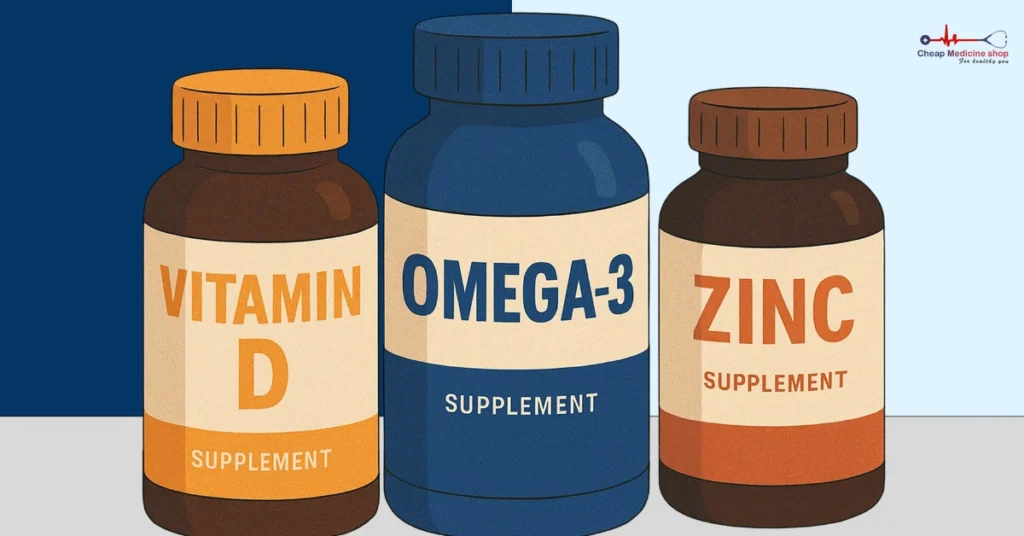
B-complex vitamins increase energy and reduce stress fatigue. Vitamin D supports hormonal balance, and vitamin E improves genital circulation, potentially reducing vaginal dryness and helping to enhance sexual desire naturally.
How long does it take for dietary changes to improve libido?
You may start noticing improvements in your libido within 4 to 8 weeks of consistently eating a balanced, nutrient-rich diet. While energy and mood may improve sooner, hormonal and circulatory benefits take several months to take effect. Your results may vary depending on factors such as age, health conditions, stress levels, and lifestyle.
How to increase libido in 1 hour?
You can’t guarantee a libido boost in exactly 1 hour, but quick strategies help. Try extended foreplay, dim lighting, or sensual scents to enhance the experience. Do Kegels or light movement to increase blood flow. Reduce stress with deep breathing or green tea. Use lubricants for dryness, especially during Menopause or postpartum.
What do females use instead of Viagra?
The medications women use instead of Viagra include Addyi and Vyleesi, both intended for premenopausal women with low libido. Addyi is a daily pill that gradually improves desire, while Vyleesi is an on-demand injectable that boosts arousal before sex. Bupropion (Wellbutrin) is also used off-label, even during menopause, to enhance desire, arousal, and orgasm by raising Dopamine and Norepinephrine levels.
Cheap Medicine Shop only refers to credible, authoritative sources for our content. If you’re curious about how we ensure the integrity of our content, we encourage you to read our Content Information Policy.