


Turning 30 doesn’t mean your energy or desire will decline. In fact, it’s an ideal stage to focus on your health. After this age, small shifts in strength, stamina, sleep quality, stress levels, and flexibility can influence sexual desire and performance, but these changes are manageable with the right habits.
How you feel in your body and mind plays a major role in confidence during intimacy. Building fitness improves energy, mood, focus, and comfort, helping you stay present and engaged.
This guide covers practical methods and fitness tips for sexual stamina, such as strength training, heart-healthy cardio, flexibility work, pelvic floor exercises, a libido-supportive diet, quality sleep, and addressing underlying mental or hormonal issues. Together, these steps help you feel stronger, more energised, and more confident in intimate situations.
Method 1: Start with strength training
Strength training is your post-30 power boost, helping you maintain muscle, stabilise blood sugar, support testosterone and growth hormone responses, and improve posture and body image.
Aim for 2–3 sessions a week, focusing on compound moves like squats, push-ups, rows, and overhead presses. Start with light weights and follow proper form. If you lack equipment, stick to bodyweight options like planks and lunges. A few trainer sessions can help you build safe, personalised technique. Once you’re comfortable, you can try this sample routine.
Beginner-friendly sample routine (10–12 minutes): Repeat the circuit 1–2 times with slow, controlled movements.
- Bodyweight squats: Do 12 repetitions, focusing on proper form and controlled motion.
- Incline push-ups (wall or table): Perform 10 repetitions, keeping your core engaged and moving steadily.
- Glute bridges: Complete 12 repetitions, lifting your hips slowly and lowering them with control.
- Bent-over backpack rows: Do 12 repetitions, maintaining a straight back and controlled lifting.
- Plank: Hold the position for 20–30 seconds, keeping your body aligned and core tight.
Move slowly, focus on form, and rest 30–60 seconds between exercises if needed.
Method 2: Keep your heart healthy
Better endurance in and out of the bedroom is correlated with a healthy heart. Cardio workouts are one of the best exercises for sexual stamina. They increase general stamina after 30, which is essential for performance and arousal.
- Opt for 150 minutes a week of moderate-intensity aerobic activity, such as dance, swimming, cycling, or brisk walking.
- Try 75 minutes of high-intensity aerobic exercise, such as High-Intensity Interval Training (HIIT) programs or running.
- Look for things you truly like doing, like walking in your garden.
Tip: Practice slow nasal inhale and exhale while doing exercises to ease the process.
Method 3: Stay flexible
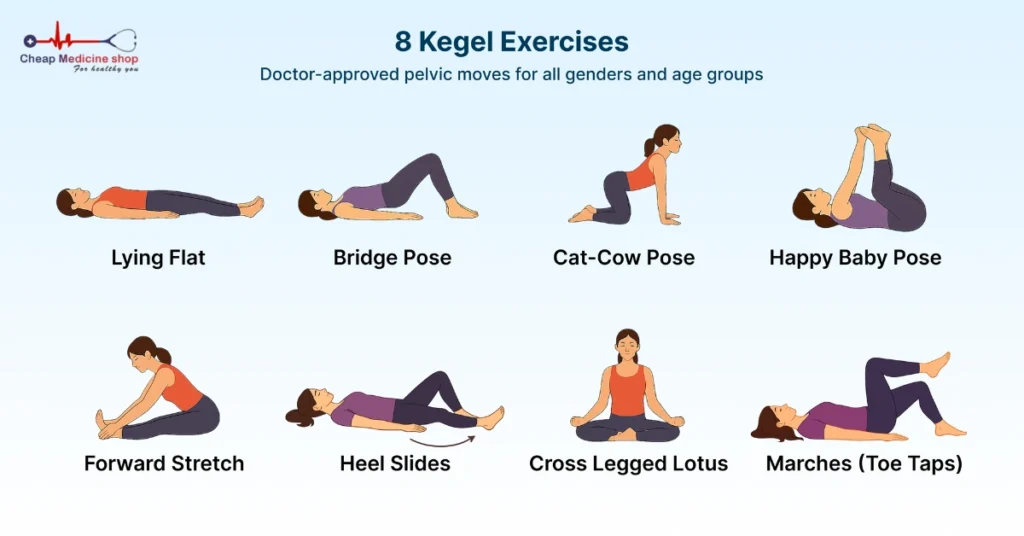
As we age, our joints and muscles naturally lose mobility, restricting daily movement and intimacy. Including yoga or stretching in your weekly regimen does more than just keep you flexible; it also helps your body and mind operate in synchronization.
1. Practice daily stretching
Stretching for 5-10 minutes after a workout or before bedtime can significantly impact. Stretching helps your muscles heal faster, promotes blood circulation, and keeps your joints working properly. Consider it your body’s reset button after a long day or an intense workout.
Regular stretching also lowers stiffness, allowing you to move more freely, whether during a workout or in intimate situations. Even basic stretches such as hamstring reaches, hip openers, and shoulder rolls can help you feel lighter and more relaxed.
2. Do yoga or pilates
If you want to take it a step further, yoga and pilates may complement your exercise regimen. Both practices focus on flexibility, balance, and core strength, all of which are essential for general health and bedroom confidence. Yoga’s emphasis on breath and mindfulness helps relieve stress and sharpen focus, while pilates improves posture and stability.
They work together to teach you how to move with greater control and awareness of your body.
3. Add pelvic floor exercises (Kegels)
Pelvic floor strength directly supports stamina, control, and confidence. Kegels improve control, enhance sensation, support better erections in men, and increase pelvic stability and comfort for everyone.
How to do Kegels (for beginners):
- Find the muscles: Try stopping your urine mid-flow; once-those are your pelvic floor muscles.
- Contract: Tighten those muscles gently for 3–5 seconds.
- Release: Relax for 3–5 seconds.
- Reps: Do 10–12 repetitions, 2–3 times a day.
- Progress: Increase hold time to 8–10 seconds as you get stronger.
4. Carry on foam rolling
Foam rolling is similar to giving yourself a massage. It targets tight places and knots caused by daily stress, prolonged sitting, or vigorous physical activity. Just 5-10 minutes of rolling out your calves, hamstrings, quads, and back may relieve muscular tension, improve mobility, and increase blood flow.
This not only improves the effectiveness of your exercises but it also keeps your body feeling free and energized throughout the day. Furthermore, frequent foam rolling helps to avoid injuries by keeping muscles flexible and joints supportive.
Method 4: Have a healthy diet for libido support
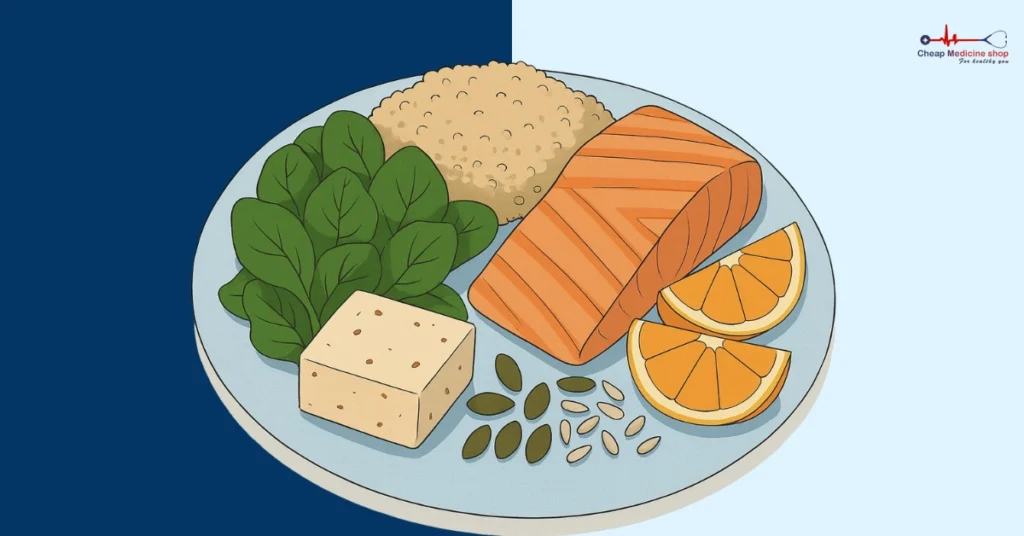
What you eat significantly influences your energy level, libido or sexual desire, mood, and general health. A nutritious, balanced meal can support fitness after 30 for sexual health enhancement.
1. Opt for the small plate formula (2–3 small meals a day)
Don’t overeat. Instead, divide your meal into small portions throughout the day. Choose smaller portions and fill your plate with:
- Protein: eggs, fish, poultry, Greek yogurt, tofu, lentils
- Colorful foods: berries, leafy greens, tomatoes, peppers (great for circulation)
- Smart carbs: oatmeal, brown rice, quinoa, whole fruits
- Healthy fats: olive oil, avocado, almonds
This style of eating supports stable blood sugar, good circulation, a healthy weight, and improved endurance. A sample meal plan would look like:
| Meal | Non-veg option | Veg option | Vegan option |
| Breakfast | Oatmeal with berries + 1 boiled egg | Oatmeal with berries | Oatmeal with berries + plant-based milk |
| Mid-morning snack | Greek yogurt | Greek yogurt | Handful of almonds or soy yogurt |
| Lunch | Grilled chicken bowl with quinoa, spinach, and tomatoes | Tofu bowl with quinoa, spinach, and tomatoes | Tempeh or chickpea bowl with quinoa, spinach, and tomatoes |
| Dinner | Fish with brown rice + mixed veggies | Lentil curry with brown rice + mixed veggies | Lentil curry with brown rice + mixed veggies |
2. Stay hydrated
Water does more than just relieve your thirst; it fuels almost every activity in your body. Staying hydrated helps maintain your energy levels, promotes good digestion, and even improves circulation, all of which are necessary for physical performance and sexual health.
Dehydration, on the other hand, can appear as fatigue, headaches, difficulty concentrating, and even a drop in mood or libido. Try taking regular sips throughout the day.
3. Limit processed foods, sugary drinks, and excessive alcohol
Highly processed meals, sodas, and excessive alcohol consumption may frequently backfire. These can trigger blood sugar spikes and drops, making you tired and annoyed. Over time, they cause weight gain, sluggishness, and inflammation, all of which can influence confidence and libido.
Excessive alcohol use also disturbs sleep and reduces sensitivity, making it challenging to enjoy intimacy. This does not imply that you must completely avoid your favorite sweets and alcohol; rather, moderation is key.
Replace soda with sparkling water, have a glass of wine occasionally rather than every night, and eat complete, nutrient-dense foods most of the time to keep your energy levels stable and your mood up.
Method 5: Have proper sleep

Quality sleep is often underestimated, yet it is highly essential for health and bedroom confidence. While you sleep, your body works hard behind the scenes to mend and build muscles, balance vital hormones such as Testosterone, and restore energy levels, allowing you to wake up feeling energetic and refreshed.
Consistent, deep sleep is also important for mood regulation and stress management, which have a direct impact on how engaged and confident you feel during intimate moments.
- Aim for 7-9 hours every night.
- Establish a consistent sleep schedule. Go to bed and get up around the same time every day, especially on weekends.
- Create a peaceful sleep ritual by reading a book, taking a warm bath, or meditating.
- Limit your screen time before bed. Blue light from your mobile and laptops might interfere with Melatonin synthesis, affecting your sleep.
- Regulate your sleep environment by keeping your bedroom dark, quiet, and cool.
Method 6: Address underlying issues
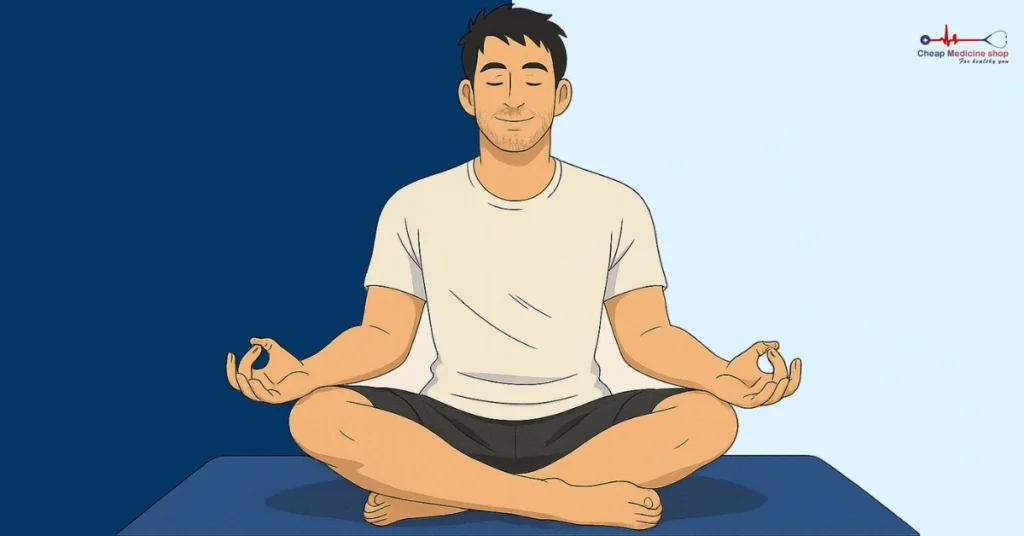
Sometimes, bedroom confidence after 30 has less to do with fitness and more to do with what’s happening beneath the surface. Mental health and hormonal balance play a major role in libido, stamina, and overall comfort during intimacy.
1. Prioritise mental health
Stress, anxiety, overthinking, and low self-esteem can all affect desire, arousal, and performance.
- Try simple stress-relief practices like deep breathing, mindfulness, journaling, or light walks.
- If anxiety or low mood is persistent, speak to a therapist or counsellor.
- Strong mental well-being makes you more present, confident, and emotionally connected during intimacy.
2. Check for hormonal changes
Hormones naturally shift after 30 and can influence libido, energy, and mood. For men, low testosterone may show up as reduced sex drive, low motivation, or persistent fatigue. For women, estrogen fluctuations can affect lubrication, mood, and desire.
If symptoms persist for weeks or months, consult a doctor for:
- Hormone level testing
- Thyroid screening
- Lifestyle or medical guidance
Balancing hormones often restores natural energy, desire, and confidence.
3. Manage chronic conditions
Issues like Diabetes, High Blood Pressure, Obesity, or high cholesterol may affect stamina and blood flow. Staying consistent with treatment and lifestyle changes greatly improves performance and comfort.
Things to keep in mind
Before trying these methods, keep a few key principles in mind; they’ll help you see better results, stay motivated, and safely build your fitness after 30. Remember these essentials:
- Warm up properly: Do 3–5 minutes of light movement (marching, arm/hip circles, gentle stretches) to prevent injuries and boost performance.
- Listen to your body: Soreness, fatigue, or pain are signals to slow down. Adjust intensity instead of pushing through.
- Progress slowly: Increase weights, reps, or workout days gradually to avoid burnout and stay consistent.
- Prioritise recovery: Rest 1–2 days a week, stretch often, and get quality sleep to support stamina, hormones, and mood.
- Be consistent, not perfect: Small daily habits matter more than intense but irregular efforts. Steady routines build long-term confidence.
Frequently Asked Questions
How do stress and mental health affect sexual confidence?
Stress and mental health play a major role in your sexual confidence. Chronic stress raises cortisol (stress hormone), which lowers your testosterone and affects performance, while conditions like Anxiety, Depression, and low self-esteem can reduce motivation and intimacy. Managing stress helps lower cortisol, improve mood, and boost overall confidence in the bedroom.
What lifestyle factors can affect sexual confidence after 30?
Several lifestyle habits can influence your sexual confidence once you cross 30. Being overweight can strain cardiovascular health, reduce stamina, and lower testosterone, all of which affect performance. Smoking further weakens blood vessels, restricts circulation, and reduces natural stamina.
Do vitamins or supplements improve bedroom confidence after 30?
Yes, supplements, such as Vitamin D, zinc, Omega-3s, and Magnesium, can boost Testosterone, circulation, and energy. While they do not replace healthy living practices, they do help to improve sexual health by supplementing exercise, nutrition, and sleep.
Does turning 30 naturally reduce confidence in bed?
No, confidence often changes because of stress, routine, or health shifts, not age itself. Many people actually feel more secure in their bodies and relationships after 30. Prioritising fitness, communication, and emotional well-being helps maintain confidence and enhances overall sexual satisfaction.
Cheap Medicine Shop only refers to credible, authoritative sources for our content. If you’re curious about how we ensure the integrity of our content, we encourage you to read our Content Information Policy.