
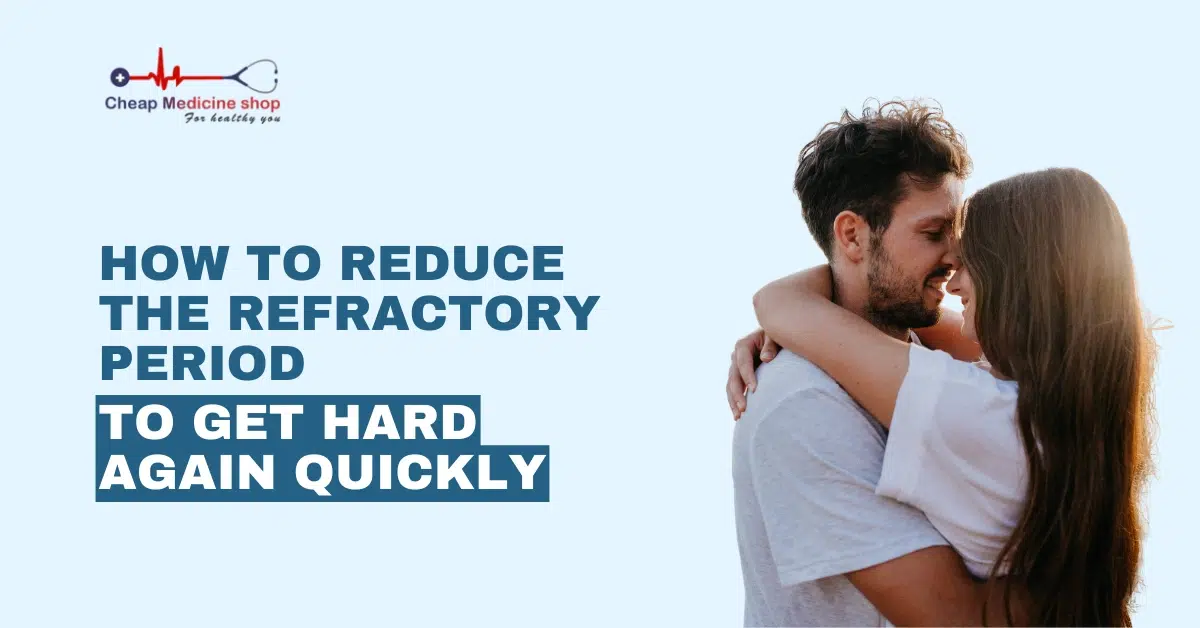
The male refractory period is a natural phenomenon that every man experiences, yet few know how to handle it effectively. It’s the body’s natural recovery phase after orgasm, when sexual arousal dips and the erection temporarily hits pause. The duration varies widely, from just minutes for some men to several hours or even a whole day for others.
Age, hormone balance, stress levels, and overall health all contribute to this downtime. Key hormonal influences like prolactin surges and testosterone dips play a significant role in male refractory duration. However, you can change the duration of the refractory period. With the proper habits, physical conditioning, a few clever recovery tricks, and sometimes medical support, you can help your body recover more quickly.
This guide breaks down practical, science-backed tips on how to reduce the refractory period. These will help you recover faster, feel more confident, and enjoy a deeper connection with your partner.
Tip 1: Prepare your body and environment before intimacy
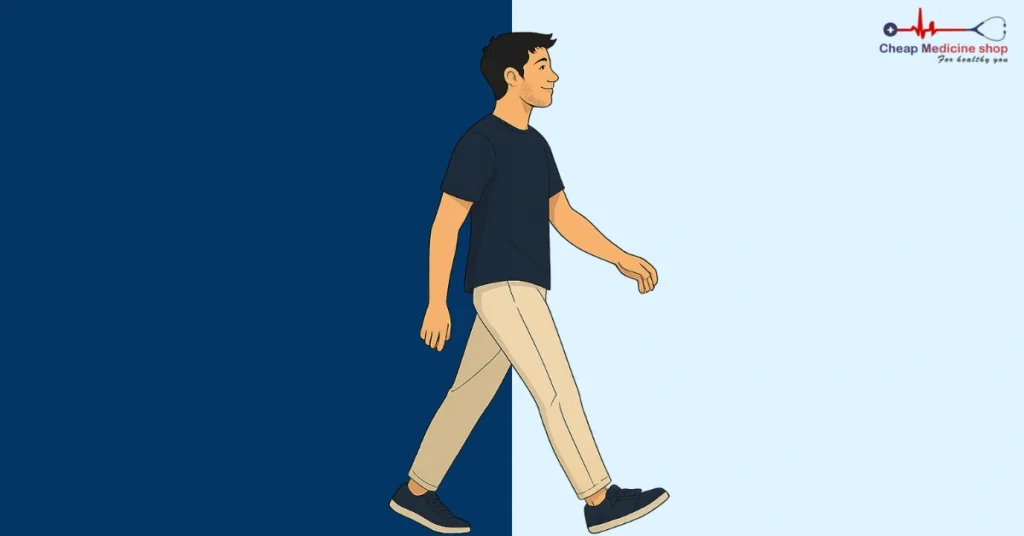
A faster recovery starts before the first touch. If your body’s tired or your mind is distracted, it takes longer to bounce back later. Here’s how to prime yourself for getting ready for round 2 even before you touch the bed:
- Stay lightly active during the day: Movement improves blood flow and hormone balance, both of which are key for faster recovery. Even a brisk walk or short workout helps. Better circulation supports quicker oxygen delivery to penile tissue, which shortens the recovery gap after orgasm.
- Eat light foods before sex: Heavy meals can slow circulation because blood is diverted to digestion. Opt for something small instead, such as fruits or nuts, to maintain blood flow where you want it. When digestion demands less blood, more remains available for sexual arousal and faster erection rebound.
- Hydrate yourself: Dehydration can slow your response time. So, drink water before you begin. Proper hydration maintains blood volume and vascular responsiveness, both critical for erectile recovery.
- Create the right atmosphere: A cold environment can restrict blood flow, making it difficult to achieve erections. Pick a warm, relaxed space that helps keep your body warmer, and you stay aroused longer. Warmth promotes vasodilation (widening of blood vessels), allowing erections to return more easily after climax.
Tip 2: Use foreplay to build stamina and control

Rushing into penetration makes you feel aroused too quickly, but it also makes the excitement fade sooner afterward. Foreplay helps you build arousal gradually, keeping your body in the ideal state for quicker rebound. Gradual arousal prevents overstimulation of the nervous system, reducing the hormonal crash that extends the refractory period.
- Let your partner touch you first: Ask them to explore your chest, stomach, inner thighs, and hips with their hands, mouth, or whatever is comfortable. These areas have rich nerve endings that boost arousal without overstimulating your genitals. This maintains active yet stable blood flow.
- Alternate between giving and receiving: Take turns with stimulation. Focusing on your partner gives your arousal brief breaks, preventing exhaustion and helping you sustain energy for longer.
- Control your breathing: When you feel close too soon, pause and take deep, slow breaths. This steadies your pulse and reduces the intensity of the orgasmic buildup, making the drop afterward gentler.
- End foreplay fully aroused, not strained: Your goal is to reach high arousal without draining. That balance means your nervous system is charged but not depleted, letting you recover faster after sex. A less-depleted nervous system restores sexual responsiveness more quickly after orgasm.
Tip: Keep arousal alive with roleplay, props, or scent cues to help shorten the refractory phase naturally.
Tip 3: Control your arousal during sex
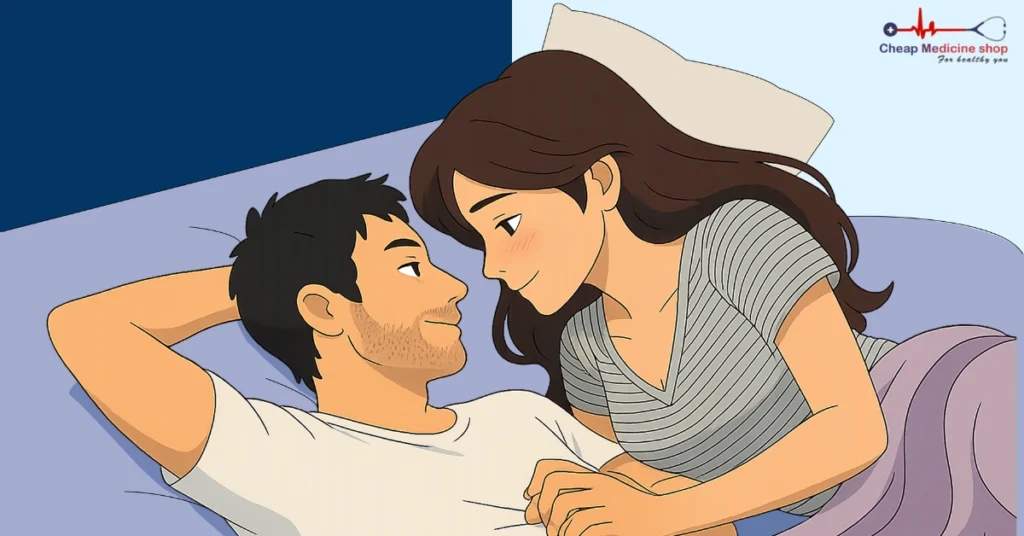
How you manage stimulation during intercourse directly affects how long your refractory period lasts. Rapid stimulation may increase arousal intensity, which can make the post-orgasm drop feel more intense. Controlled pacing keeps arousal more balanced, making it easier to get hard again. Balanced stimulation limits excessive prolactin release, a hormone strongly linked to longer refractory periods.
- Start slow and steady: Begin at a slower rhythm to establish control. This helps you stay within your optimal arousal zone longer, minimizing the dopamine crash post-orgasm that causes the erection delay.
- Change positions periodically: Positions like spooning or woman-on-top reduce physical strain and help your body regulate excitement. Shifting positions also provides small recovery breaks during the session, allowing for a more sustainable energy level throughout the session.
- Pause and re-engage: If you feel close to climax, stop thrusting, hold still, or switch to kissing or touching. These micro-pauses let your arousal settle without losing the connection.
- Stay mentally connected, not performance-focused: Reduced mental stress lowers cortisol, which otherwise interferes with testosterone and erection recovery. Thinking about going for another round creates tension and eventually Performance Anxiety. Focus on pleasure and presence instead. Mental relaxation helps keep prolactin levels lower, resulting in faster readiness later.
Tip 4: Manage the post-orgasm transition

What you do immediately after orgasm determines how quickly your body reactivates. If you disconnect completely, your system goes into full rest mode. Staying gently stimulated keeps the body semi-engaged and reduces the refractory window. Continued sensory input prevents the nervous system from entering a state of complete rest.
- Stay physically close: Continue to cuddle, massage, or touch your partner. This maintains the release of dopamine and oxytocin, which keeps arousal circuits partially active.
- Avoid sudden movement or distractions: Don’t roll away, use your phone, or rush to clean up. Staying relaxed, present, and warm supports continued blood flow, arousal, and prevents the body from cooling into a complete recovery shutdown.
- Do not ignore afterplay: Ongoing stimulation helps restore penile blood flow sooner instead of allowing arousal to drop completely. Just like foreplay is essential, so is the part that comes after. Once you climax, try switching back to oral stimulation or dirty talk, whatever works for you and helps blood return faster to the genitals.
Tip 5: Train your body for faster recovery
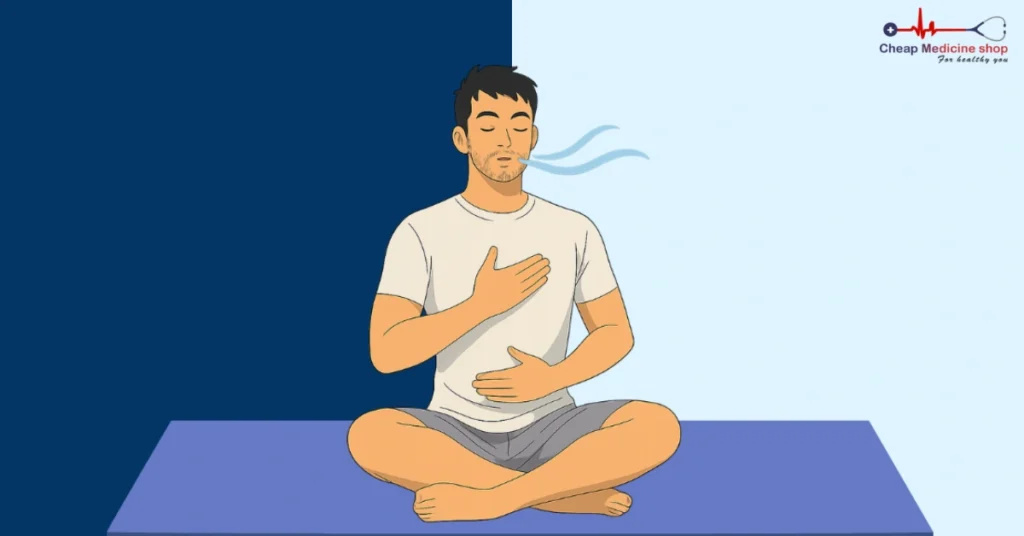
You can train your nervous system and circulation just like you train your muscles to get stronger more quickly. Repeated conditioning helps your muscles work better and improves blood flow during sexual recovery. Regular practice naturally shortens your recovery curve. You can do it over the weeks gradually to improve your erection recovery time. It does not provide instant results, but it makes a significant difference over time.
- Do Kegel exercises daily: Strengthening the pelvic floor muscles improves erection rigidity and control by helping trap blood in the penis during arousal. While Kegels do not directly change the hormonal refractory phase, improved erection quality can make it easier to regain firmness once arousal returns. Tighten your pelvic muscles (as if stopping urine mid-flow) for 3 seconds, relax for 3 seconds.
- Incorporate relaxation techniques: Close your eyes or meditate for a few minutes to improve focus and manage stress. This lowers stress hormones, resulting in quicker sexual recovery.
Tip 6: Support recovery with everyday habits

Long-term habits shape your refractory period more than quick fixes. Consistent lifestyle choices have a direct impact on testosterone levels, dopamine availability, and vascular health. To support better long-term erectile health, try adjusting your daily habits.
- Sleep well: Higher testosterone levels support faster recovery from post-ejaculatory arousal. Testosterone, your drive hormone, peaks during deep sleep. The more you lose sleep, the longer it takes you to recover. So, aim for 7-9 hours of sleep to boost testosterone.
- Limit alcohol and nicotine: Both substances restrict blood flow and slow recovery. Quitting drinking and smoking can benefit erectile health, including shortening the refractory period.
- Avoid porn and over masturbation: Overstimulating yourself physically and mentally can make arousal, erection, and recovery harder for you. Use these occasionally to help you get in the mood, but never overuse them.
- Give your body rest days: Overdoing sex daily can deplete dopamine and energy. So, rest and allow yourself time to rebuild your stamina.
Tip 7: Boost recovery with natural supplements
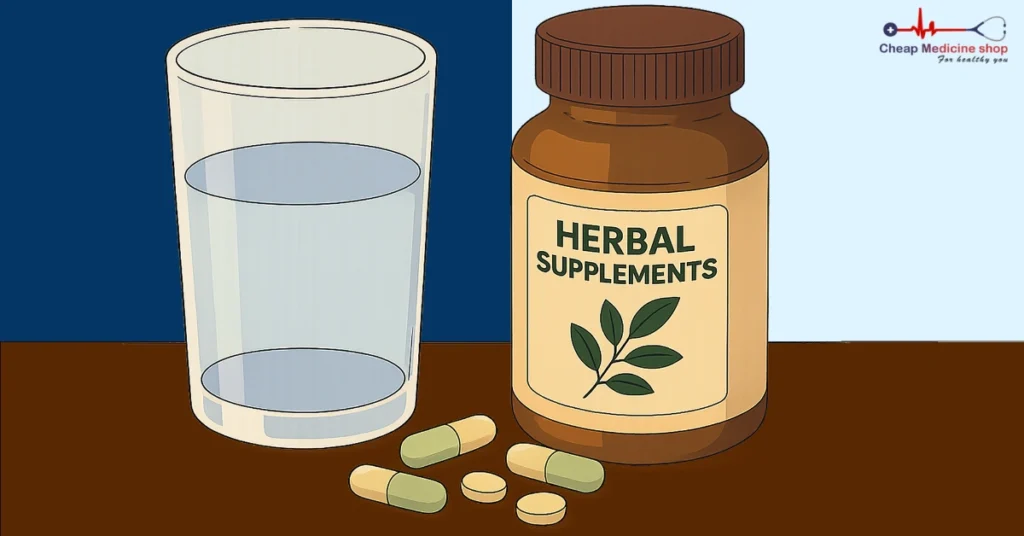
If you’ve mastered technique and lifestyle but still notice slow recovery, you can consider supplements to reduce the refractory period when used wisely. These options mainly support healthy blood flow, normal testosterone levels, and the nerve signaling involved in arousal.
They do not eliminate the refractory period directly. However, by improving circulation and supporting hormonal balance, they may help your body maintain better erectile responsiveness over time. Individual results vary, and supplements work best when combined with healthy sleep, exercise, and stress management. You can try:
- L-Arginine: It supports nitric oxide production for better circulation and faster recovery.
- Maca Root: Known as a natural stamina booster, it can balance libido and help you stay ready longer.
- Ginseng: It increases energy and supports hormone balance, making arousal return faster.
- Zinc and Vitamin D: They support testosterone and recovery. You can also find these in foods such as milk, mushrooms, eggs, and yogurt.
Tip 8: Get prescription medications or hormone therapy
As you age or if you have medical conditions that make getting erections difficult, natural methods are not enough. In such cases, your doctor can prescribe treatments that support stronger blood flow and make it easier to get aroused again.
- Phosphodiesterase 5 (PDE5) Inhibitors: Erectile Dysfunction medicines like Sildenafil or Tadalafil are approved to help men with ED achieve and maintain an erection. However, during their effective window, they can make it easier to achieve another erection sooner after climax. PDE5 inhibitors enhance Nitric Oxide signaling, which keeps penile blood vessels responsive even after ejaculation.
- Testosterone therapy: Adequate testosterone supports libido, arousal signaling, and shorter refractory periods. If low testosterone is the hidden factor for your longer refractory period, hormone therapy can improve sexual energy and recovery.
Habits that lengthen vs shorten refractory time
Before considering supplements or medications, it helps to review how everyday habits influence recovery time. The table below compares modifiable lifestyle habits that either drain sexual energy or support faster recovery:
| Lifestyle habit | Habits that can lengthen recovery | Habits that can support faster recovery |
| Sleep | Less than 6 hours, irregular schedule | 7-9 hours of consistent, quality sleep |
| Stress | Mental distraction, performance pressure | Relaxation, breathing control, presence |
| Food | Heavy meals before sexual activity | Light meals and proper hydration |
| Substance use | Excess alcohol or nicotine | Moderation or no alcohol |
| Physical activity | Sedentary routine | Regular cardiovascular exercise |
| Sexual pacing | Rushing stimulation, constant high-intensity stimulation | Gradual buildup and controlled rhythm of stimulation |
| Afterplay habit | Immediate disengagement or distraction | Continued touch, cuddling, and connection |
Reducing refractory time is less about forcing another erection and more about removing habits that delay hormonal and vascular recovery.
Frequently Asked Questions
What is the average refractory period in men?
The average male refractory period varies significantly by age and health. Younger men can recover in 5-15 minutes, while older men may take 30-90 minutes or longer to heal. However, fitness, nutrition, and emotional state also affect this time for each individual.
Can the sexual refractory period be eliminated entirely?
No, it cannot be removed entirely because it’s a natural biological reset mechanism. However, consistent conditioning, hormone balance, and mindful stimulation can substantially reduce the duration of refraction. The key is training your body and mind to recover efficiently, rather than forcing a performance too soon.
Do women have a refractory period like men?
No, the female refractory period does not exist in the same way for men. Many can achieve multiple orgasms without resting in between because prolactin and dopamine behave differently in women. However, some may still desire short pauses for emotional or physical comfort rather than a biological recovery need.
Does age affect the duration of the refractory period?
Yes, age strongly influences recovery. In younger years, male refractory recovery happens faster as testosterone and dopamine levels rebound quickly. With age, hormonal fluctuations and slower circulation lengthen the interval. Regular exercise, a good diet, and nitric oxide-boosting supplements can help maintain youthful recovery speeds well into later life.
What causes the male refractory period physiologically?
The refractory period physiology involves a surge in prolactin after orgasm, which suppresses dopamine and arousal. The nervous system enters a recovery phase, blood flow to the genital tissue decreases, and neurotransmitter levels must rebalance before arousal becomes possible again.
Do lifestyle factors influence refractory time?
Yes, lifestyle factors significantly influence refractory time. Exercise, sleep, diet, hydration, stress management, and avoiding alcohol and nicotine can improve circulation, testosterone levels, and hormone balance, leading to faster recovery. Conversely, poor habits such as obesity or fatigue can prolong recovery.
Cheap Medicine Shop only refers to credible, authoritative sources for our content. If you’re curious about how we ensure the integrity of our content, we encourage you to read our Content Information Policy.