
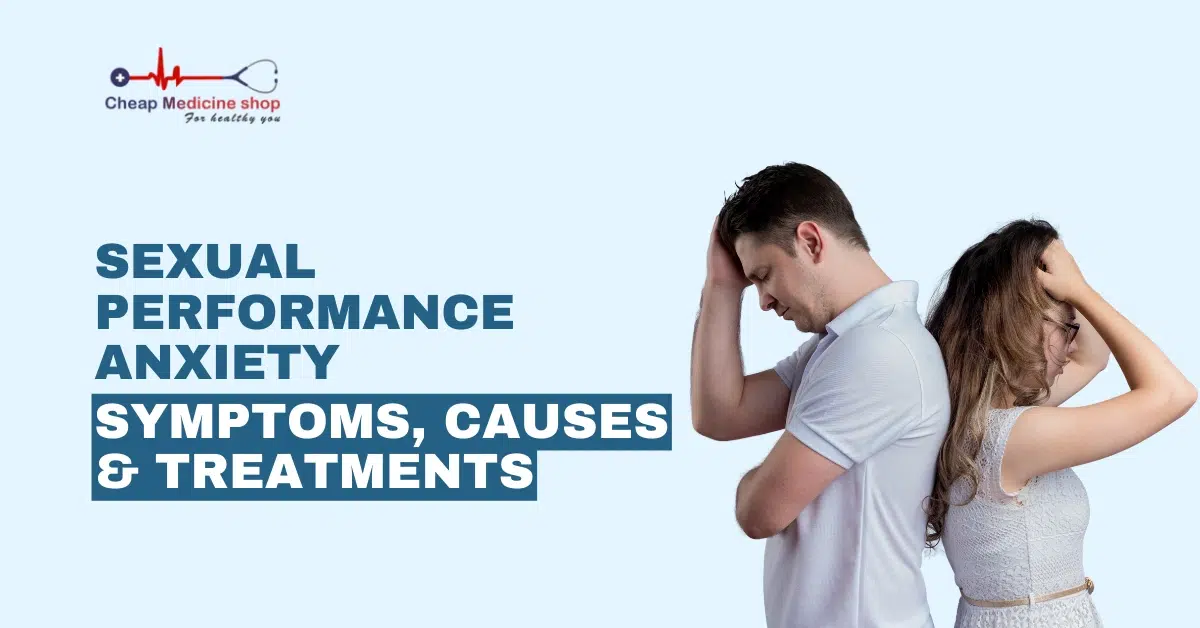
Many people feel nervous before intimacy, especially during stress or health changes. When this worry becomes strong and persistent, it can interrupt desire, focus, and physical response. This experience is known as Sexual Performance Anxiety (SPA).
Studies estimate that SPA affects up to 25% of men and 16% of women at some point in their lives. It can affect confidence, relationships, and overall well-being, yet it is more common than many realize.
Anxiety can change how the brain and body respond during sexual activity, even in healthy individuals. The good news is that this condition is manageable with the right support and information.
Understanding it clearly is the first step toward feeling more in control. Continue reading to learn in-depth about this condition, including its symptoms, causes, how to manage it, and when you should see a doctor.
What is Sexual Performance Anxiety?
Sexual Performance Anxiety is intense worry about sexual ability or fear of failure before or during sexual intimacy. This worry shifts the focus from pleasure to fear, causing the body to enter a stress state. As a result, muscles tighten, and blood flow to the sexual organs is reduced, which interferes with normal arousal and sexual function.
Occasional nervousness is common and short-lived, but a Sexual Performance Anxiety disorder is different. It repeats over time and causes distress or avoidance. It can occur even when physical health is normal.
When Anxiety activates the stress response, it directly interferes with sexual arousal and function, such as erection, which is why Anxiety alone can cause sexual difficulty.
Save up to 90% on your medicine bills
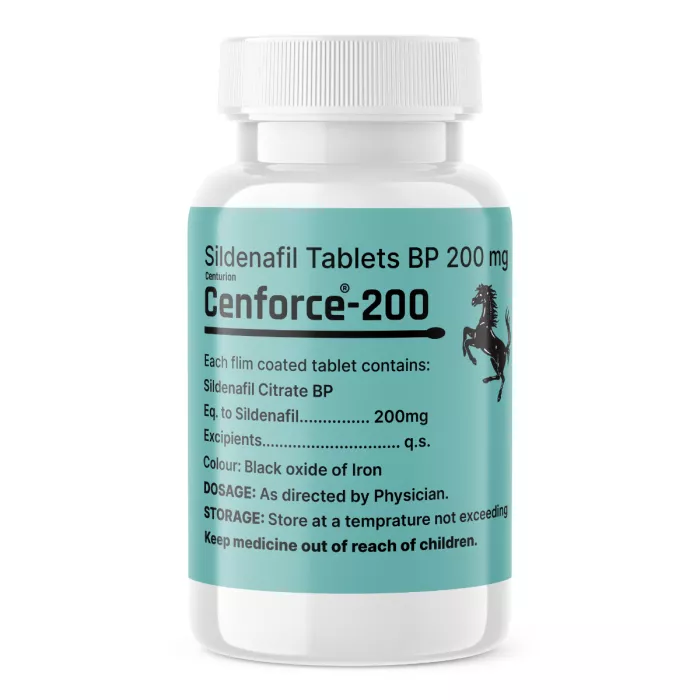
Cenforce 200 mg

Kamagra Oral Jelly Rx 100 mg
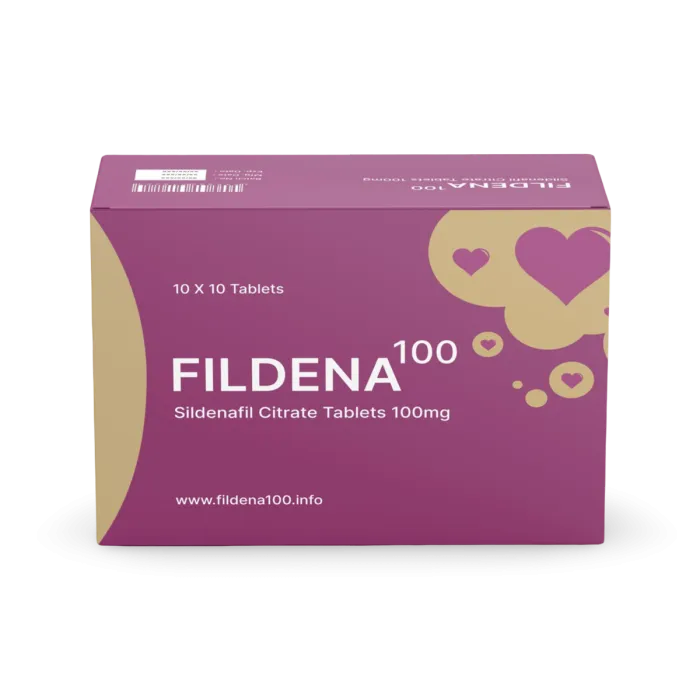
Fildena 100 mg

Vidalista 60 mg
Symptoms of Sexual Performance Anxiety
SPA is a common psychological condition where feelings of fear, worry, or nervousness regarding sexual activity interfere with arousal or enjoyment. It often creates a vicious cycle where Anxiety leads to physical difficulties, which in turn causes more Anxiety for future encounters. These effects show up in various ways, physically, psychologically, and behaviorally.
Physical symptoms
Sexual Performance Anxiety triggers the body’s ‘fight-or-flight’ response, releasing stress hormones like adrenaline and cortisol that can physically inhibit sexual function.
In men, this often manifests as erectile difficulties or ejaculation issues, both of which can be traced back to emotional or psychological factors rather than a physical cause:
- Erectile difficulties: Anxiety restricts blood flow to the penis, making erections difficult to achieve or maintain. This is sometimes referred to as Psychogenic Erectile Dysfunction, where stress and fear of failure are the primary causes rather than any underlying physical condition.
- Ejaculation issues: Anxiety disrupts the body’s normal sexual response, leading to Premature Ejaculation (climaxing sooner than desired) or Delayed Ejaculation (difficulty reaching orgasm despite adequate stimulation), both of which can make performance-related stress worse over time.
Physical symptoms of Sexual Performance Anxiety for women include:
- Vaginal dryness: Anxiety can reduce natural lubrication, making intercourse uncomfortable or painful.
- Difficulties with arousal or orgasm: Tension can make it difficult or impossible to reach climax (Anorgasmia).
General physical responses common to all sexes include a racing heart, palpitations, rapid breathing, excessive sweating, muscle tension, shaking, or an upset stomach.
Psychological symptoms
Unlike physical symptoms, psychological symptoms of SPA may not be immediately apparent, even to the individual experiencing them. These mental effects often develop gradually, subtly influencing how a person views intimacy long before Anxiety is recognized as the root cause.
If not addressed, these negative thought patterns can become deeply ingrained, turning every sexual encounter into a source of stress and pressure. This can worsen anxiety and significantly impact your overall well-being, making it harder to feel relaxed and connected.
Mental symptoms of SPA often include:
- Negative self-talk: Persistent thoughts such as “Am I good enough?” or “I’m going to disappoint my partner”.
- Spectatoring: Feeling like an outside observer of your own sexual performance, critically evaluating yourself rather than being present in the moment.
- Fear of failure: An overactive mind that focuses on potential failure instead of pleasure.
- Anticipatory Anxiety: Intense worry or fear occurring hours or even days before a sexual encounter.
- Performance pressure: The constant need to meet expectations during sexual activity, making intimacy feel more like a test than a shared experience.
Behavioral signs
Signs are what others observe, while symptoms are what a person feels internally. Behavioral signs of SPA include:
- Avoidance: Making excuses to avoid sexual situations or withdrawing from physical affection to prevent escalation to sexual activity.
- Loss of libido: A noticeable decrease in sexual drive because sexual intimacy has become a source of stress rather than pleasure.
- Relationship strain: Emotional distance or frequent conflicts with a partner due to misunderstood avoidance or frustration.
- Substance use: Relying on alcohol or other substances to relax before intimacy, which often worsens physical performance.
If these symptoms continue and start affecting your well-being, it might be helpful to speak with a sexual counselor or therapist who can offer support and guidance. Additionally, your primary care physician can help by checking for any underlying medical conditions and providing a treatment plan that’s right for you.
Causes of Sexual Performance Anxiety
SPA rarely has a single cause. It typically develops through a combination of psychological, emotional, and biological factors that reinforce one another over time, making the condition more persistent if left unaddressed. The following section covers the primary causes, including psychological triggers, relationship dynamics, and physiological contributors:
Psychological and emotional causes
Psychological and emotional factors can affect the sexual response cycle. Negative thoughts, stress, or relationship issues trigger a stress response in the body, making it harder to relax and directly interfering with arousal and sexual function.
Some such key factors include:
- Body image concerns: Insecurities regarding weight, physical appearance, or perceived inadequacy can make individuals feel self-conscious during intimacy.
- Fear of failure or judgment: Worrying about the ability to satisfy a partner or meet high expectations often leads to spectatoring, where a person monitors their own performance rather than experiencing the moment.
- Past negative experiences: Previous instances of Erectile Dysfunction, inability to reach orgasm, or traumatic sexual encounters can create lasting fear that these events will repeat.
- Relationship tension: Unresolved conflicts, lack of emotional connection, or poor communication with a partner can directly translate into Anxiety during intimacy.
- Mental health conditions: General Anxiety, Depression, and low self-esteem are strongly linked to SPA.
- Unrealistic standards: Overconsumption of pornography or societal pressures can create false expectations of what sexual intimacy should look like, leading to feelings of inadequacy.
Biological and physical triggers
Certain factors can trigger the body’s stress response, disrupting the processes needed for sexual arousal:
- Fight-or-flight response: When stressed or anxious, the body releases cortisol and adrenaline, which put the body in a stressed state. This reduces blood flow to the sexual organs and can inhibit arousal and erection.
- Life stress: External pressures from work, finances, or family responsibilities can interfere with the brain’s ability to focus on arousal.
- Medication side effects: Certain medications, particularly antidepressants (SSRIs) and High Blood Pressure medications, can affect libido and physical performance, which can then trigger Anxiety.
- Substance use: Excessive alcohol or drug use can impair physical performance, leading to situational Anxiety about future failure.
Identifying the underlying cause is an important step toward finding the right treatment approach for you.
Diagnosis
There is no single test for SPA and the diagnosis begins by ruling out physical causes, such as heart disease, hormone imbalances, or medication side effects. This is done through blood tests, hormone checks, and a physical exam.
If no physical issues are found, the focus shifts to psychological causes. Key signs of SPA include:
- Situational pattern: Sexual Dysfunction that happens in some situations but not others suggests a psychological cause.
- Sudden onset: SPA-related issues often appear suddenly, while physical causes tend to develop gradually.
- Psychological triggers: Symptoms linked to stress, relationship issues, or past negative experiences suggest Anxiety is a factor.
- Normal clinical results: If blood tests and exams show no physical problems, it supports a psychological cause.
In some cases, a mental health professional can conduct an assessment to explore thought patterns, emotional history, and relationship dynamics to confirm the diagnosis.
How to manage Sexual Performance Anxiety
Managing SPA typically follows a stepped approach. Mild cases often respond to self-help strategies, while persistent Anxiety requires professional support, medication, or both. The right approach depends on the cause, severity, and the extent to which SPA is affecting daily life and relationships.
Self-help strategies
Effective management of SPA starts with calming the nervous system and reducing performance pressure. Early strategies often involve lifestyle changes and simple techniques.
Helpful management strategies include:
- Shift focus from outcome to connection: Focus on emotional connection rather than performance.
- Limit alcohol before sexual activity: Reducing alcohol intake can prevent impairment of sexual function.
- Engage in regular physical activity: Exercise helps reduce stress and improves overall well-being.
- Communicate openly with your partner: Honest conversations can reduce Anxiety and foster emotional support.
- Breathing exercises: Slow, controlled breathing activates the parasympathetic nervous system, lowering heart rate and reducing muscle tension during moments of Anxiety.
- Mindfulness and meditation: Mindfulness-based practices improve attention, reduce intrusive thoughts, and help individuals stay present during intimacy. A research review from Johns Hopkins University supports their effectiveness in reducing general Anxiety.
These strategies provide a useful starting point, but professional support often produces stronger results. If Anxiety persists, causes distress, or interferes with most sexual encounters for more than three months, therapy, medication, or both may be necessary for effective long-term management.
Therapy and counseling
Psychotherapy is the primary and most well-supported treatment for SPA. The specific approach may vary depending on the cause, severity, and health history of the individual, with the goal being to identify and address the underlying psychological triggers rather than managing symptoms alone. Cognitive Behavioral Therapy (CBT) and Sex therapy, both forms of psychotherapy, are considered the gold standard for SPA.
These therapies work to address the root causes of SPA, helping reduce Anxiety, build confidence, and improve sexual well-being:
- Cognitive Behavioral Therapy: CBT is one of the most well-supported treatment options for SPA. It works by altering thought patterns associated with fear and stress, and has demonstrated effectiveness in reducing sexual anxiety and improving erectile function in cases of Psychogenic Erectile Dysfunction.
- Sex therapy and counseling: Sex therapy focuses on communication, expectations, and gradual exposure without pressure. It works well for relationship-based Anxiety. Couples therapy improves communication, while mindfulness-based sex therapy heightens bodily awareness.
- Hypnotherapy: Some individuals explore Hypnotherapy for SPA, and while the evidence is still limited, it is gradually increasing. It has been shown to help reduce stress and anxiety in certain individuals, though the effectiveness can vary based on the experience and approach of the provider.
When therapy alone is not sufficient, medication can play a supportive role in managing symptoms.
Medications and medical procedures
While no medications are specifically FDA-approved for SPA as a standalone diagnosis, doctors frequently prescribe the following to manage related symptoms. Always consult a healthcare provider before starting any of these treatments:
- Phosphodiesterase-5 (PDE5) inhibitors: Sildenafil (Viagra), Tadalafil (Cialis), and Vardenafil (Levitra) are the first-line medical options for treating Erectile Dysfunction. By improving penile blood flow and supporting reliable erections, these ED medications can help break the Anxiety-failure cycle and rebuild sexual confidence.
- Anxiolytics (Anti-Anxiety medications): Medications like Buspirone can be prescribed to reduce overall Anxiety levels, making it easier to engage in intimacy without the burden of anticipatory fear or persistent worry.
- Selective Serotonin Reuptake Inhibitors (SSRIs): For those experiencing Premature Ejaculation (PE) due to Anxiety, SSRIs such as Paroxetine or Dapoxetine are used off-label to delay ejaculation, which can, in turn, reduce performance-related Anxiety over time.
- Topical numbing agents: Over-the-counter or prescription creams containing Lidocaine or Benzocaine can reduce sensitivity, helping manage Premature Ejaculation. This, in turn, can alleviate Anxiety related to early ejaculation.
- Female-specific options: Flibanserin (Addyi) and Bremelanotide (Vyleesi) are FDA-approved medications that directly target low sexual desire, one of the key factors of SPA in women. Vyleesi is approved for premenopausal women, while Addyi can help both pre- and postmenopausal women under 65. By addressing diminished libido at its source, both may help break the cycle of anxiety that builds when low sexual desire begins to affect intimacy and confidence.
- Vacuum Erection Devices (VED): These non-invasive pumps help draw blood into the penis to support an erection, which can build confidence and reduce performance Anxiety over repeated use.
- Intracavernosal injections: Medications like Alprostadil are injected directly into the penis to produce a reliable erection regardless of Anxiety levels, helping individuals regain confidence in their physical response.
- Hormone therapy: When Low Testosterone in men or menopausal changes in women contribute to reduced libido and physical response, Hormone Replacement Therapy (HRT) can help restore sexual function, addressing one of the underlying causes of SPA.
Save up to 90% on your medicine bills
Cenforce 200 mg
Kamagra Oral Jelly Rx 100 mg
Fildena 100 mg
Vidalista 60 mg
When to see a doctor for Sexual Performance Anxiety
If Sexual Performance Anxiety persists despite self-help efforts, it’s important to seek professional support. Some symptoms can also point to broader health concerns such as heart disease, Diabetes, hormonal imbalances, or medication side effects, making a medical evaluation necessary.
Consider professional support if you experience:
- Ongoing Anxiety for weeks or months.
- Emotional distress, such as Depression or feelings of inadequacy.
- Relationship strain or a disrupted sexual life.
- Persistent physical symptoms (e.g., Erectile Dysfunction, Premature Ejaculation).
A healthcare provider can evaluate potential physical causes, review your medications, recommend therapy or lifestyle changes, and refer to appropriate specialists, such as a urologist or therapist, when necessary.
Conclusion
Sexual Performance Anxiety affects both the mind and body through a clear stress response. Common symptoms include Erectile Dysfunction, Premature Ejaculation, vaginal dryness, racing thoughts, avoidance of intimacy, and constant self-criticism.
Key causes range from fear of failure, body image concerns, past negative sexual experiences, and relationship tension. Biological triggers such as stress hormones, medication side effects, and alcohol use can make these effects worse. Since no single test confirms SPA, diagnosis involves ruling out underlying physical conditions through medical evaluation, alongside a psychological and sexual history assessment to identify Anxiety as the primary contributor.
Management often begins with home strategies, such as breathing exercises, meditation, maintaining a balanced lifestyle, and open communication with partners. Evidence-based treatments like Cognitive Behavioral Therapy, sex therapy, and selected medical options can address both Anxiety and physical symptoms. Medication may support treatment in specific cases, but does not replace therapy.
Consult a healthcare professional if symptoms persist or worsen. Early support improves outcomes and protects overall sexual and general health.

Frequently Asked Questions
Will Sexual Performance Anxiety go away on its own?
Yes, partially; mild cases of Sexual Performance Anxiety can fade naturally with reduced stress and time. However, persistent cases rarely resolve on their own and may require therapy or counseling. If symptoms persist for more than a month, consult a doctor.
Can Sexual Performance Anxiety happen even when medical tests are normal?
Yes, sexual difficulties can occur even when hormone levels, blood flow, and physical exams are normal. Anxiety can activate the stress response, tighten blood vessels, distract focus, and interfere with arousal despite healthy sexual organs and normal medical test results.
How does age affect Sexual Performance Anxiety?
Age slows arousal and erection response naturally after 40, heightening worry about performance. Low testosterone in men adds to it, whereas women face dryness from menopause. Hormone tests guide treatment options, including therapy and medication.
Does Sexual Performance Anxiety affect people outside long-term relationships?
Yes, Sexual Performance Anxiety can affect people in casual encounters, new relationships, or after long breaks from intimacy. New situations often increase self-awareness, fear of judgment, and pressure to perform, which can trigger Anxiety even without an emotional or long-term partner connection.
Can diet help with Sexual Performance Anxiety?
Yes, foods rich in zinc, such as nuts and seafood, support hormone balance and blood flow. Omega-3s from fish help lower inflammation associated with Anxiety. Combining exercise with a healthy diet can enhance these benefits, but it’s important to consult your doctor first for accurate diagnosis and treatment.
Can partners help reduce Sexual Performance Anxiety?
Yes, supportive partners can help reduce Anxiety by offering patience, reassurance, and open communication. By avoiding pressure, prioritizing emotional connection, and calmly addressing challenges together, partners can create a safe environment that reduces stress and helps natural arousal return over time.
Cheap Medicine Shop only refers to credible, authoritative sources for our content. If you’re curious about how we ensure the integrity of our content, we encourage you to read our Content Information Policy.
Recent Web Stories





Related Articles
Erectile Dysfunction in Men Over 50: Is it Common?
 Written by:
Janet Fudge, Pharma-D
Written by:
Janet Fudge, Pharma-D
Do Women Like Sex Over 50? What Changes After Menopause
 Written by:
Jim Carson, PhD - Life sciences
Written by:
Jim Carson, PhD - Life sciences

Generic Semaglutide: Working, Uses, Efficacy and Safety
Written by:
Jim Carson, PhD - Life sciences
Which Diabetes Medicine for Weight Loss Really Works and How?
Written by:
Jim Carson, PhD - Life sciences
How High Blood Pressure and Erectile Dysfunction Connected?
Written by:
Janet Fudge, Pharma-D
Can Sildenafil Cause a False Positive Drug Test? Fact Check
Written by:
Jim Carson, PhD - Life sciences

