


Ejaculation is a complex process involving fluid production, muscle contractions, and nerve signalling. When any of these components are disrupted, it impacts how much semen is released during orgasm. This is known as weak ejaculation, a condition with a noticeably reduced amount of semen release.
It can be frustrating and can impact self-confidence. However, you are not alone, considering it is a common sexual health issue faced by many men at some point. Moreover, effective treatment is possible with the right approach.
In this article, we will guide you through weak ejaculation, its common symptoms, such as subdued orgasm or delayed ejaculation, and causes, including obesity, stress, and aging. Diagnosis methods, effective treatment, and when to consult a doctor will also be discussed. With the proper knowledge, it is easier to handle this condition and achieve a more satisfying sexual experience.
What is weak ejaculation?
Weak ejaculation refers to the significantly decreased intensity, force, or volume of semen released during orgasm. Unlike Premature Ejaculation (PE), which is quick ejaculation, weak ejaculation is characterized by very low ejaculation output. It is also referred to as weak or low-volume semen discharge.
Sometimes, it also involves less satisfying or delayed orgasm. Weak ejaculation can impact sexual satisfaction and signal underlying health conditions. With quick intervention, it can be effectively treated.
Save up to 90% on your medicine bills

Duratia 90 Mg

Duratia 60 Mg

Orgie Plus Oral Strips

Poxet 30 Mg
Symptoms of weak ejaculation
Symptoms can vary from individual to individual. Some can observe slight changes while others may experience a significant impact on their sexual life. Occasional changes in ejaculation are normal and typically happen due to stress or fatigue.
However, persistent symptoms can indicate underlying psychological or physical issues. These common symptoms include:
- Difficulty or delay in ejaculation even after being sexually stimulated.
- Slow or weak semen stream that lacks pressure and force.
- A noticeable reduction in the amount of semen released during orgasm.
- Slight pain or discomfort during ejaculation.
- Less intense orgasm with reduced satisfaction.
Causes of weak ejaculation
Weak ejaculation can stem from several reasons, usually a combination of lifestyle, physical, and psychological causes. Understanding these factors is essential for selecting the appropriate treatment and managing symptoms effectively.
For many men, this condition often results from a combination of underlying factors rather than just one cause. The following section explores these key causes:
Physical factors
Physical changes or health conditions directly impact the nervous and reproductive systems, resulting in weak ejaculations. These include:
- Aging: Aging is the most common factor contributing to ejaculatory issues. A gradual decline in testosterone levels is typically observed in men as they age. Low levels lead to weaker ejaculatory function and low libido.
- Hormonal imbalance: Low levels of key hormones like testosterone can disrupt normal sexual functioning, including semen production. Hormonal conditions such as Hypogonadism (absence or reduction of hormones in the testes) can reduce orgasm intensity and semen volume.
- Prostate issues: Most of the fluids produced by the prostate gland become semen. Therefore, any condition involving the prostate, like enlargement, inflammation (Prostatis), surgery, or infections, can impact ejaculation strength and semen production.
- Medications: Certain medications, such as blood pressure medicines, antidepressants, and medicines targeting the central nervous system, can decrease semen volume, impacting ejaculation.
- Retrograde Ejaculation (RE): Semen tends to flow back into the bladder in the case of Retrograde Ejaculation. It results in little to no ejaculation. However, orgasm sensations can exist.
- Nerve Damage: Injuries (spinal cord or pelvic injury), neurological issues, and surgeries impacting the nerves involved in ejaculation can delay or weaken the process.
Psychological factors
The mind has a crucial role to play in sexual function. Emotional issues and stress-triggering factors can significantly lead to weak ejaculation. These factors are:
- Depression: Depression results in low libido and suppressed sexual responsiveness. This can lead to orgasm issues and reduced ejaculatory function.
- Sexual trauma: Negative sexual experiences in the past can influence current sexual life through anxiety and mental barriers.
- Relationship difficulties: Complications in intimacy or communication with a partner can reduce sexual arousal. It would lead to a weaker ejaculation.
- Stress and anxiety: As per a study published by Arch Sex Behav. in 2024, good mental health is linked with better sexual satisfaction and function. As a result, performance pressure or stress related to external life can block ejaculation reflexes and reduce orgasm intensity.
Lifestyle factors
Certain lifestyle choices or habits can degrade ejaculation quality and sexual health. These habits include:
- Alcohol consumption: Increased blood circulation is necessary for strong erections. Excessive alcohol can damage blood vessels gradually, impacting blood flow and contributing to Erectile Dysfunction (ED). This condition can further indirectly lead to weak ejaculations.
- Drug use: Illicit use of substances like stimulants or opioids can impact nerve signals and alter hormone levels.
- Smoking: Smoking can cause nerve damage and interfere with hormonal regulation. This can further lower sexual drive.
- Lack of exercise and poor diet: A lack of physical activity and nutritional deficiencies can lead to tiredness, poor blood flow, and low testosterone levels, all of which can influence sexual function.
- Obesity: Poor weight management can lead to excessive weight gain. Being overweight impacts vascular health and hormonal balance, indirectly impacting ejaculation.
Also Read: To learn the relation between ejaculation and ED, read Understanding Ejaculation and Erectile Dysfunction: Can a Man With ED Still Come?
Diagnosis of weak ejaculation
A correct diagnosis plays a critical role in identifying the underlying cause of weak ejaculation. It helps differentiate between psychological, lifestyle, and physical factors, ensuring the most targeted and suitable treatment method.
When one visits a doctor for a diagnosis, the following procedures are followed:
Initial consultation and physical assessment: During the first consultation session, the doctor asks about the patient’s medical history and discusses their symptoms. A physical exam follows this to check for physical abnormalities.
Semen analysis: This test examines sperm count, motility (movement), and semen volume to assess ejaculatory function. If sperm volume is below 2 ml, it will be considered Hypospermia (low sperm volume).
Urine test after orgasm: This analysis helps in detecting RE. Fructose, a type of sugar, is found in semen. If it is found in a urine sample obtained after orgasm, it suggests semen is not being ejaculated out of the bladder and is going into the bladder instead.
Imaging tests: These tests will be done when any physical blockage is suspected. Transrectal ultrasound is done to create images of the seminal vesicles and prostate for the doctor’s observation. Vasogram is another method that involves injecting a dye into the vas deferens ( thin tubes carrying sperm to the urethra) to make blockages visible.
Treatment of weak ejaculation
Treatment varies depending on the severity and causes. It can be categorized into medical and non-medical methods. The good news is that numerous cases respond well to the approaches listed below:
Medical treatment
Medical strategies focus on addressing physical causes and hormonal imbalances, along with treating underlying health conditions that could be contributing to a weak ejaculation. These methods are as follows:
- Hormone therapy: Testosterone Replacement Therapy (TRT) is a popular hormonal therapy. TRT improves ejaculatory strength by increasing testosterone levels and boosting libido.
- Medical procedures: Surgery is rarely recommended. However, if the underlying cause is nerve injury or prostate-related issues, specialized interventions may be required.
- Medication therapy: Currently, no FDA-approved medicine specifically treats weak ejaculation. However, medications to treat its underlying causes and improve sexual function are available. Selective Serotonin Reuptake Inhibitors (SSRIs), like Dapoxetine, or Alpha-Adrenergic Agonists like Pseudoephedrine, are suggested. Dapoxetine provides ejaculatory control, while Agonists can be used for RE.
- Addressing underlying causes: Treating conditions like nerve damage, Diabetes, and prostate complications can restore normal ejaculatory function.
Non-medical approaches
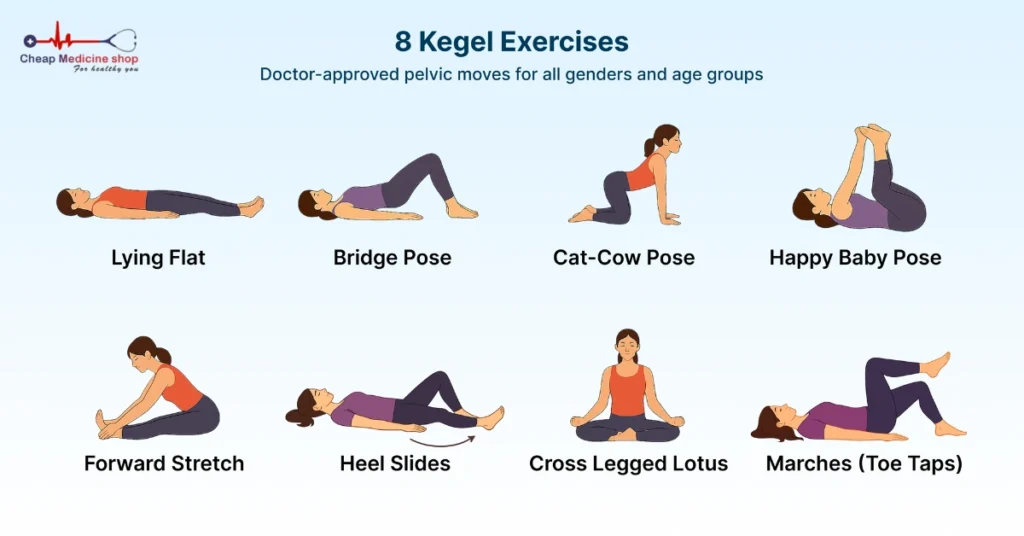
These approaches aim to increase blood flow, improve natural control over ejaculatory function, and address lifestyle-linked or psychological causes. Given below are the methods:
- Pelvic floor exercises: Exercises such as Kegels enhance force and sensation by strengthening the pelvic floor muscles involved in ejaculatory control.
- Lifestyle changes: As discussed before, alcohol and smoking cause harm to blood flow and nerve functioning. Therefore, avoiding these can naturally improve sexual function. Additionally, healthy dietary changes also help since food directly influences hormonal balance and blood circulation.
- Counseling and therapy: If the underlying cause is psychological, counseling sessions or sex therapy can effectively help deal with the condition by providing space to discuss issues linked to relationships and sexuality with a therapist. Cognitive Behavioral Therapy (CBT) also offers improvement by improving intimacy and lowering anxiety.
- Medication adjustment: If current medications for any health condition are affecting ejaculatory function, the doctor can adjust the dose or prescribe an alternative.
When to see a doctor
An occasional weak stream of sperm is generally not a concern. However, a doctor’s consultation is advised when:
- There is pelvic discomfort or urinary complications, including frequent infections.
- There is a significant decrease in sexual satisfaction or libido.
- The condition becomes persistent.
- Painful ejaculation, absence of ejaculation, or sudden burning and discomfort during ejaculation are observed.
- Relationship issues or emotional distress are adversely impacting sexual health.
Conclusion
Weak ejaculation is a complicated condition that reduces the amount or force of semen during orgasm. It can have numerous potential causes linked to your psychological, physical, or lifestyle aspects. Identifying these possible causes, like smoking, Depression, or low libido, is the first step toward improvement.
Medical approaches, like medications, and non-medical methods, including exercises like Kegels, can effectively treat this condition and provide relief. Therapy sessions with your partner and stress management also play a crucial role in the treatment process.
Most importantly, never hesitate to reach out to a doctor in case the condition persists and significantly worsens your sexual life. With the right support and proper care, you can regain control and a satisfying sexual life.

Frequently Asked Questions
How do you know if your ejaculation is unhealthy?
Signs of unhealthy ejaculation include changes in consistency, volume, and semen color. Difficulty with sexual interaction and pain during ejaculation are also indicators of unhealthy ejaculatory function. More specific signs include a semen volume lower than 1.5 milliliters and the presence of blood in the semen.
How does Diabetes affect ejaculation?
Diabetes can significantly affect ejaculation due to its influence on blood vessels and nerves involved in sexual function. Men with Diabetes can face complications like Ejaculatory Dysfunction, which includes Anejaculation (absence of ejaculation), delayed ejaculation, weak ejaculation, and RE.
Does drinking a lot of water increase ejaculation volume?
No, drinking a lot of water can not directly increase ejaculation volume. However, it does support your body in producing the required amount of seminal fluid, as semen is mainly composed of water. Remember, it can not increase semen volume beyond normal limits.
Does sugar cause weak ejaculation?
Yes, excessive sugar intake can cause weak ejaculation due to its link with low testosterone levels. Several studies have reported that the consumption of added sugars can increase insulin resistance, potentially leading to hormonal imbalances. This will further reduce libido and weaken ejaculatory function.
Cheap Medicine Shop only refers to credible, authoritative sources for our content. If you’re curious about how we ensure the integrity of our content, we encourage you to read our Content Information Policy.
Recent Web Stories