


A painful erection can be distressing and confusing for many men. While mild soreness can occur occasionally, ongoing penile pain during erection is not normal. It is often accompanied by symptoms including swelling, visible penile curvature, or discomfort during intercourse.
The causes of painful erections range from inflammatory conditions and infections to structural abnormalities involving scar tissue. In rare cases, severe pain can signal emergencies such as Priapism or penile fracture. Identifying the exact cause is important because treatment depends on the underlying condition.
This article explains 10 painful erection causes in detail, from common conditions to rare disorders. It also lists their treatment and management options and when to seek urgent medical attention to preserve erectile function.
1. Prostatitis
It refers to inflammation of the prostate gland, which is below the bladder and surrounds the urethra. Prostatitis can be caused by bacterial infection or chronic pelvic muscle tension.
Men with Prostatitis often experience deep pelvic discomfort that worsens during erection or ejaculation. Pain can also radiate to the lower back or perineum, the area between the scrotum and anus.
Urinary symptoms such as burning, urgency, or a weak stream frequently accompany erection pain. Proper diagnosis helps determine whether antibiotics or anti-inflammatory therapy are required to manage symptoms.
Save up to 90% on your medicine bills
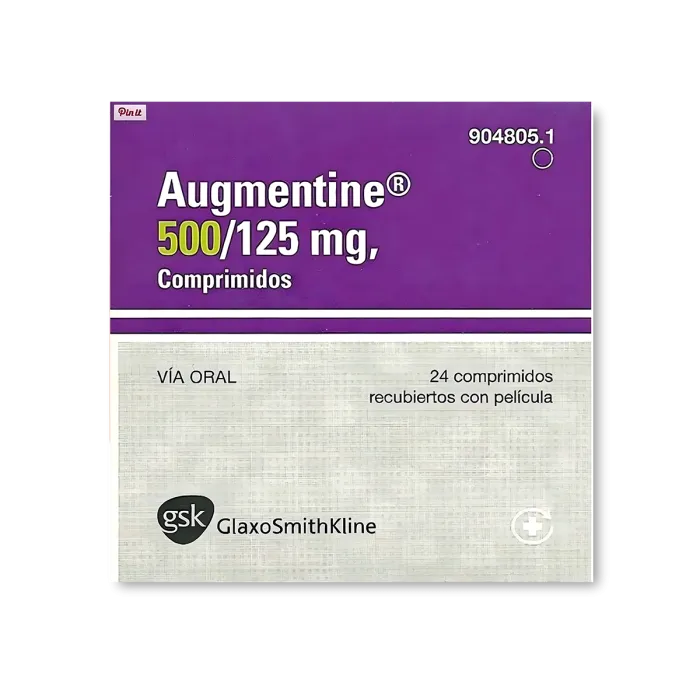
Augmentin 500/125 Mg

Azax 500 Mg

Cephadex 500 Mg

Norflox 200 Mg
2. Sexually Transmitted Infections (STIs)
Sexually Transmitted Infections, such as Chlamydia and Gonorrhea, can inflame the urethra and surrounding tissues. This inflammation can commonly lead to penile pain during erection due to tissue irritation and swelling.
Men can also notice abnormal discharge, burning urination, or testicular discomfort. If untreated, infection can spread to the prostate or epididymis (a narrow, tightly-coiled tube attached to the testicles), increasing pain and complications. Early testing and antibiotic treatment with medicines such as Doxycycline and Ceftriaxone usually resolve symptoms effectively.
3. Urinary Tract Infections (UTIs)
Urinary Tract Infections are less common in men, but can still cause significant discomfort. Bacterial growth in the urinary system irritates the urethra and bladder lining. During erection, increased blood flow and tissue expansion can intensify this irritation, leading to throbbing or aching pain.
Associated symptoms often include cloudy urine, strong odor, or pelvic pressure. Medical treatment with antibiotics, such as Sulfonamides and Quinolones, is necessary to fully clear the infection. Doctors can also prescribe pain relievers such as Non-steroidal Anti-inflammatory drugs (NSAIDs) to reduce discomfort.
4. Psychological stress and Anxiety
Mental health concerns such as chronic stress and Anxiety can cause involuntary tightening of pelvic floor muscles. These muscles support erectile function and surround key blood vessels and nerves. When they remain tense for prolonged periods, men can experience aching or pressure during an erection.
Addressing mental health issues with therapy or medicines such as Selective Serotonin Reuptake Inhibitors (SSRIs) can reduce symptoms when tension is the primary trigger. Getting 7-9 hours of sleep and relaxation techniques like yoga can also help manage psychological and sexual function.
5. Medications
Certain medications can interfere with normal blood circulation or nerve signaling involved in erections. Medicines prescribed for Depression, like Trazodone, blood disorders like Warfarin, or ED like Alprostadil, can trigger prolonged or painful erections in rare cases.
Pain typically develops due to prolonged blood trapping inside the penile tissue. Any new erection pain that begins after starting a medication should be reviewed by a doctor promptly to prevent complications. They can suggest alternative medicines to minimize discomfort.
6. Peyronie’s Disease
Peyronie’s Disease develops when scar tissue, also called plaque formation, builds up inside the penis. This scar tissue prevents normal expansion during erection and leads to penile curvature. In the early phase, men frequently report a painful curved erection and tenderness over the affected area.
Over time, curvature increases, which can interfere with intercourse and cause emotional distress. However, the condition can improve with early treatment, including oral medicines like Pentoxifylline, injections like Collagenase, or penile traction therapy devices that gently stretch the penis. In severe cases, surgery is usually required.
7. Phimosis
It is a condition where the foreskin cannot be fully pulled back over the head of the penis. During erection, the tight foreskin stretches and creates surface pain, tightness, or a pulling sensation. The discomfort is usually localized near the tip rather than deep inside the shaft.
Some men can also notice redness, small cracks in the skin, or difficulty maintaining hygiene, which can increase the risk of infection. Treatment can include topical steroid creams, such as Betamethasone, to loosen the foreskin or circumcision in persistent or severe cases.
8. Priapism
Priapism is a condition defined as a prolonged erection lasting more than four hours. It occurs when blood becomes trapped inside the penis and cannot drain properly. The shaft often remains rigid while the tip can feel softer.
Pain gradually increases as oxygen levels in trapped blood decrease. If untreated, tissue damage can begin within hours, leading to permanent ED. Emergency medical care is essential to restore normal blood flow.
Doctors initially give decongestants, such as Phenylephrine, to reduce blood flow or use a needle to drain excess blood from the penis. In severe cases, surgery is needed to restore normal blood flow.
9. Vascular disorders
Certain vascular conditions interfere with normal blood circulation during erection. Disorders such as Sickle Cell Disease (SCD) increase the risk of abnormal blood trapping within penile tissue. This can result in repeated painful erections or episodes similar to Priapism.
Diabetes can also cause painful erections due to diabetic neuropathy (painful nerve damage), which can restrict blood flow and affect genital sensation. Identifying the underlying disorder is critical for long-term management.
Doctors can advise strict blood sugar control with diet and lifestyle changes, like avoiding smoking and alcohol, for managing Diabetes. They also prescribe medicines like anticonvulsants for managing pain and other symptoms. For SCD, medicines such as Hydroxyurea or NSAIDs, blood transfusions, and surgical procedures can help relieve symptoms like painful erections.
10. Penile fracture
A penile fracture is a tear in the fibrous covering of the erectile tissue called the tunica albuginea. It usually occurs during vigorous sexual activity when the erect penis bends forcefully.
Men typically experience sudden, intense pain followed by rapid swelling and bruising. The erection quickly subsides due to internal bleeding. Immediate surgical procedure is required to prevent long-term deformity or Erectile Dysfunction (ED).
Tips to reduce the risk of painful erections?
While not all cases of painful erections can be prevented, certain lifestyle habits and precautions can help lower the risk and support better penile health. Some of the helpful strategies are as follows:
- Practice safe sex and ensure hygiene: Use condoms to reduce the risk of STIs and inflammation that can cause painful erections. Also, maintain good genital hygiene by washing with warm water and mild unscented soap.
- Avoid penile straining: Avoid rough sexual activity (using too much force) or excessive bending of the penis, as physical injury can damage penile tissue and lead to pain or scarring.
- Ensure proper blood circulation: Stay hydrated and limit excessive alcohol, smoking, and recreational drug use, as these can affect blood circulation and increase the risk of erection-related problems. Wear loose-fitting clothes and engage in regular physical activity, such as walking or jogging, to ensure proper penile blood flow.
- Manage underlying health conditions: Address contributing factors of painful erections, such as Diabetes, High Blood Pressure, or Sickle Cell Disease, with proper medical care to avoid complications.
- Use prescription medicines cautiously: Always use Erectile Dysfunction medicines or testosterone therapy like pills or cream only under medical supervision, since incorrect dosing or misuse can increase the risk of prolonged and painful erections.
Conclusion
Painful erection causes vary from common infections like Prostatitis and Sexually Transmitted Infections to structural conditions such as Peyronie’s Disease. These disorders can involve inflammation, scar tissue formation, or changes in blood flow.
More severe and rare causes, including penile fracture and Priapism, need urgent medical attention to prevent permanent damage. Understanding the causes of painful erections helps men recognize warning signs early.
Recurrent penile pain during erection is never considered normal. Prompt consultation with a qualified specialist allows accurate diagnosis and effective treatment. Addressing symptoms early improves outcomes and preserves long-term sexual health.
Taking preventive measures like practicing safe sex, maintaining good hygiene, and engaging in regular physical activity can also help reduce the risk of painful erections.

Frequently Asked Questions
Does frequent masturbation lead to erection pain?
No, frequent masturbation does not cause persistent erection pain. However, excessive friction or aggressive technique can result in temporary soreness or skin irritation. If pain continues beyond a short period, an underlying medical issue should be considered.
Is a painful erection linked to low testosterone?
No, low testosterone typically reduces libido and energy levels rather than causing painful erections. Pain during erection usually results from inflammation, infection, structural abnormalities, or blood flow disturbances rather than hormonal deficiency alone.
Does age increase the risk of painful erections?
Yes, the risk of painful erections increases with age because structural changes, vascular disease, and chronic conditions become more common. Older men are also more likely to develop Peyronie’s Disease or prostate-related problems that can contribute to erection discomfort.
Can imaging tests help diagnose the cause of erection pain?
Yes, ultrasound imaging is commonly used to evaluate blood flow, scar tissue, or plaque formation inside the penis. In a suspected penile fracture, imaging can confirm the location of the tear before surgery. These tests help guide accurate treatment planning.
Cheap Medicine Shop only refers to credible, authoritative sources for our content. If you’re curious about how we ensure the integrity of our content, we encourage you to read our Content Information Policy.
Recent Web Stories