


Losing weight is not just about eating small portions or exercising more. It also depends on how the body manages blood sugar, insulin, fat storage, and energy use. Adding supplements that support these functions can be a natural way to enhance metabolic health and support gradual weight loss when paired with a balanced diet and regular physical activity.
This is where berberine comes in. It is a plant-derived compound found in several medicinal herbs, such as goldenseal and oregon grape, and has been studied for its effects on metabolism. It helps improve insulin sensitivity, support healthier blood sugar levels, and influence the way the body stores fat. These effects can make it useful for individuals, especially those with insulin resistance or metabolic problems, in managing a healthy weight. However, it is not a replacement for prescription medications like Semaglutide.
This article explains berberine for weight loss in detail, including its benefits, side effects and what results to expect during its intake.
How does Berberine work for weight loss?
Berberine supports weight loss by improving the body’s handling of glucose, insulin, and stored fat. It does not work like a strong appetite suppressant or produce rapid weight loss on its own. Instead, it supports key metabolic functions that often affect body weight, especially in people with insulin resistance, Prediabetes, or other metabolic concerns.
Save up to 90% on your medicine bills
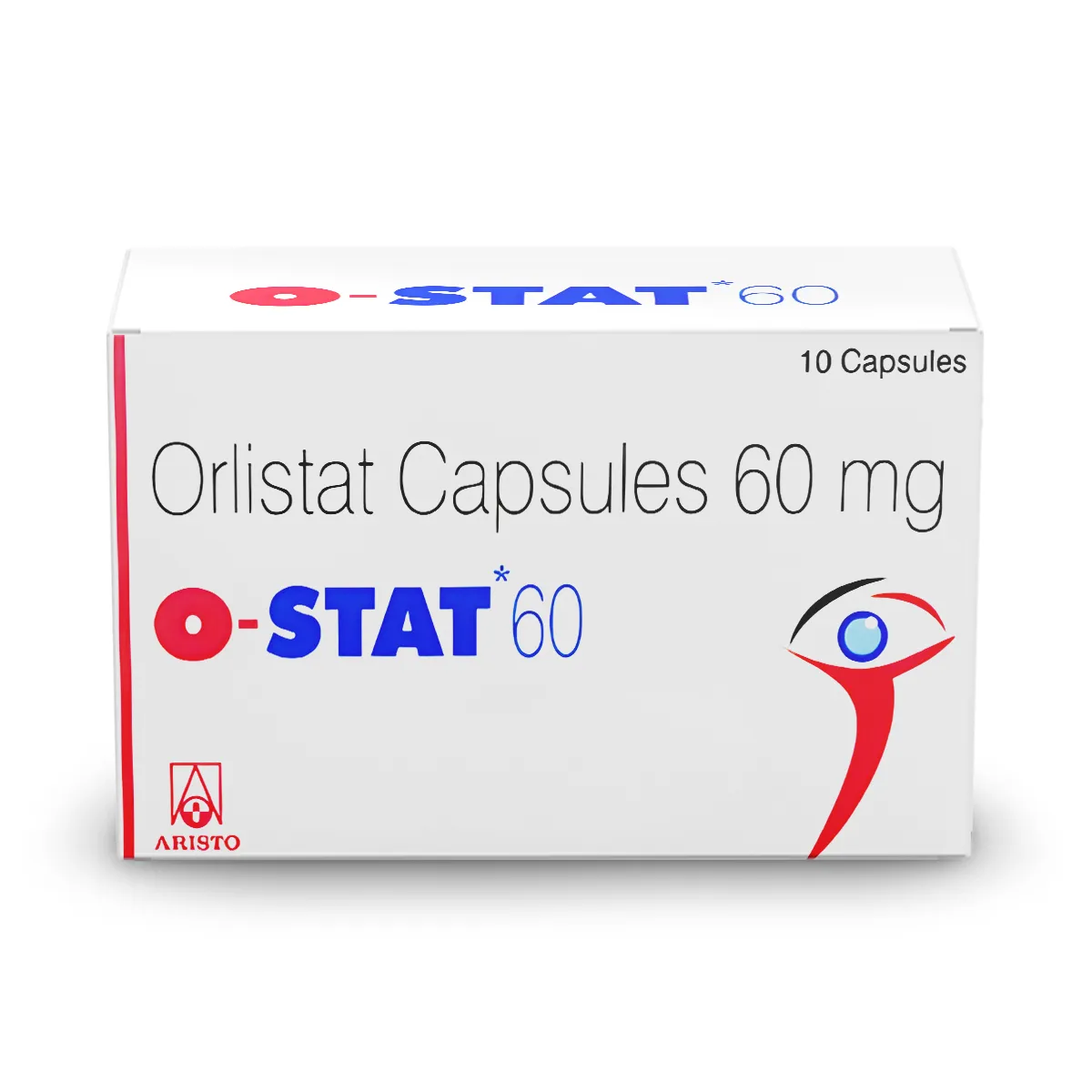
O-Stat 60 Capsule
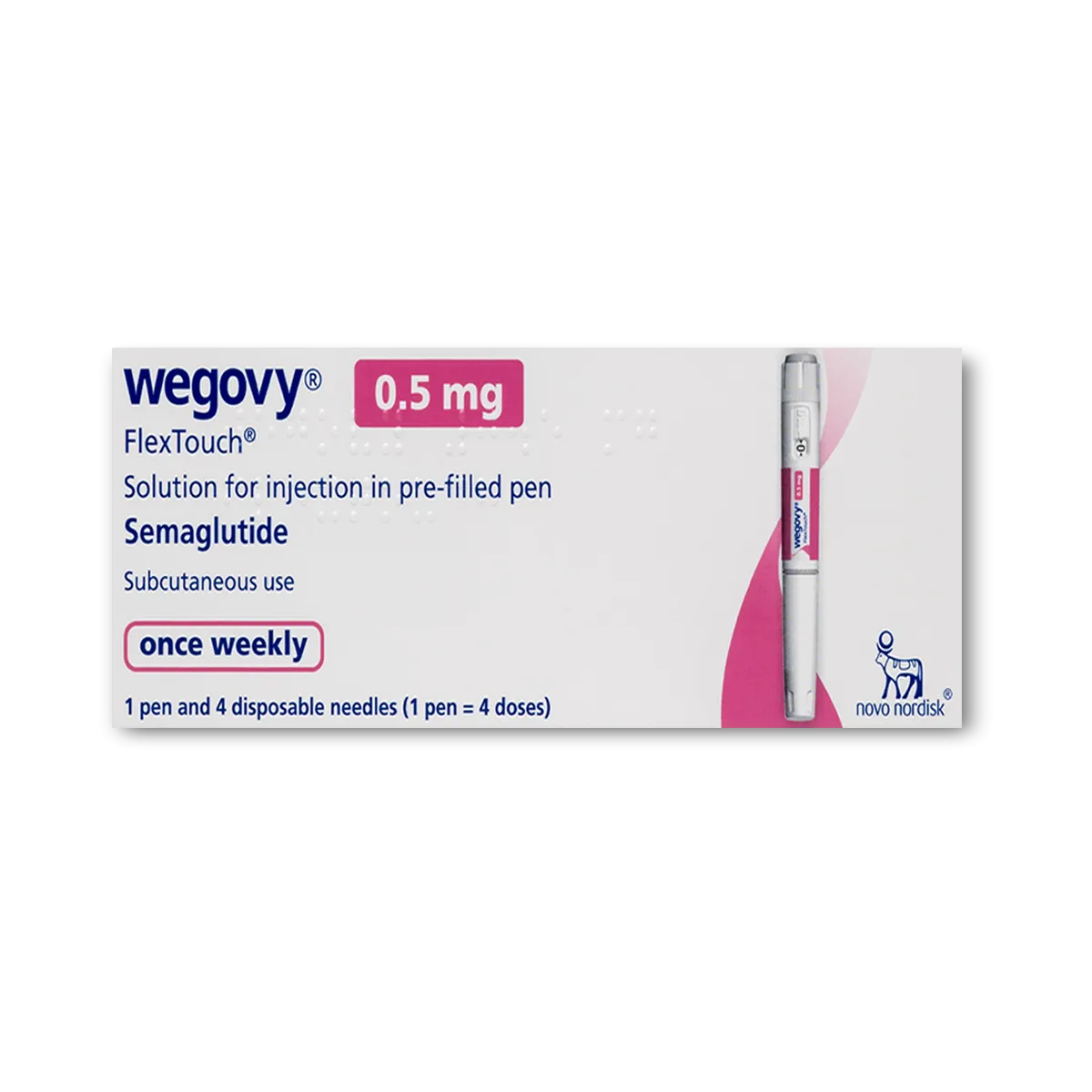
Wegovy 0.5mg
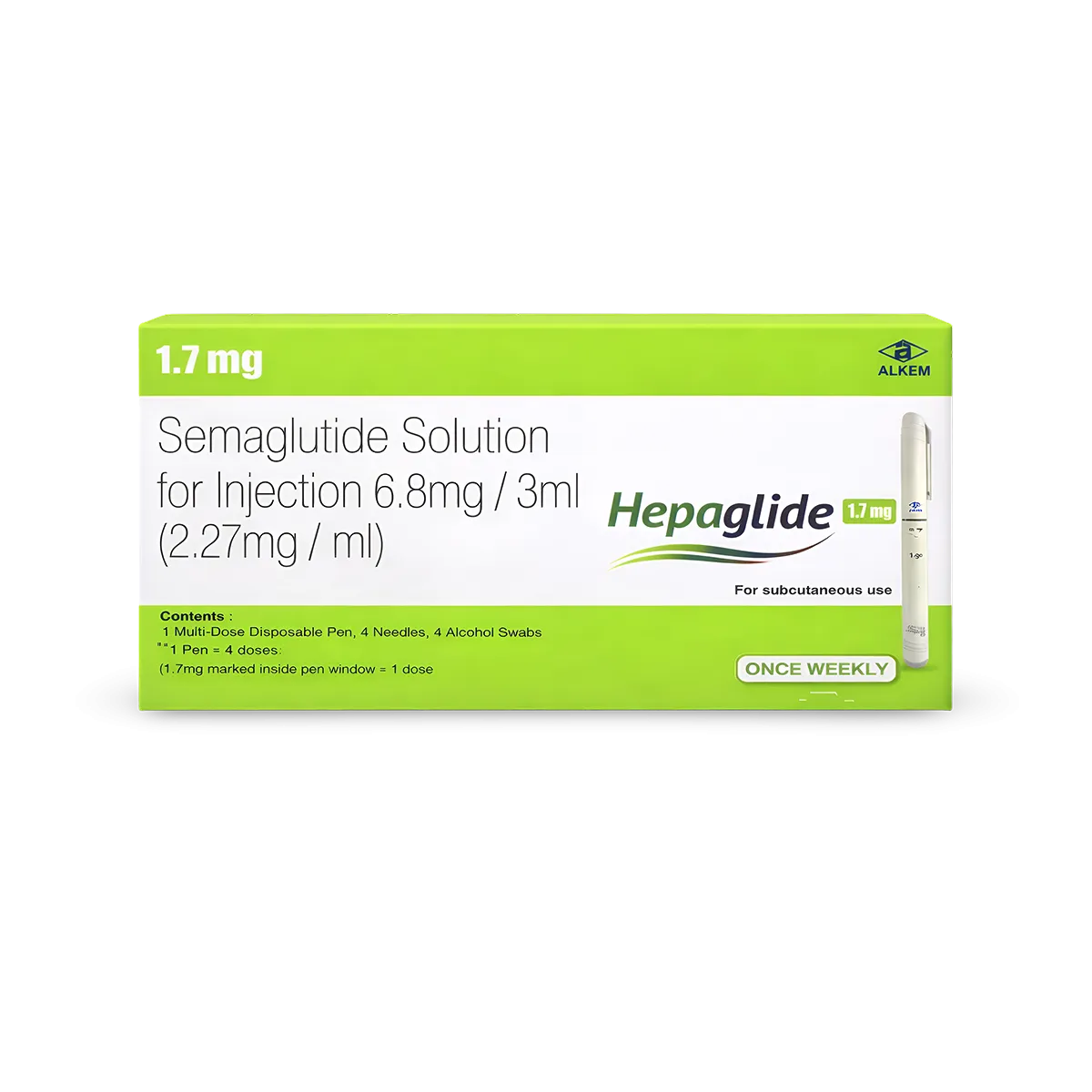
Hepaglide 1.7mg Injection
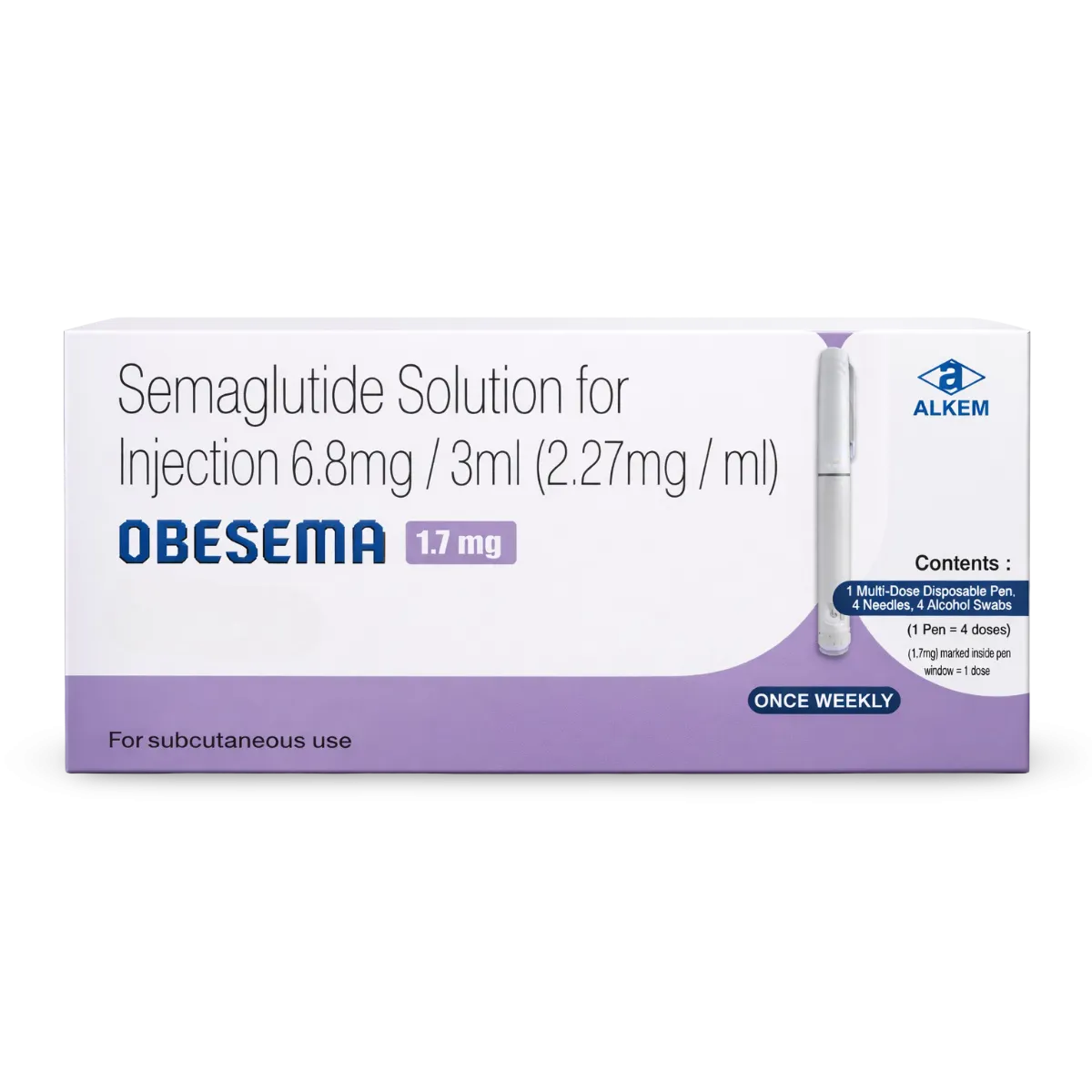
Obesema 1.7mg Injection
Here’s how berberine works for weight loss:
- After intake, berberine reaches key metabolic tissues, including the liver, muscles, fat cells, and the gut. Inside cells, it creates a mild, low-energy signal.
- This low-energy signal activates AMPK (AMP-activated protein kinase), often called the body’s metabolic switch. AMPK helps the body transition from storage energy mode to energy use mode.
- AMPK can slow the formation of new fat in the liver and fat cells while helping fatty acids enter mitochondria, where they are used for energy. This supports a shift from fat storage toward fat burning.
- Berberine can also improve insulin sensitivity, helping cells use blood sugar more efficiently and reducing excess insulin signals, which is often linked to fat storage.
- In the gut, berberine can activate bitter-taste receptors and change gut bacteria activity. This can increase GLP-1 (glucagon-like peptide-1) release, a hormone that slows digestion, supports post-meal glucose control, and can slightly improve fullness.
Weight loss with berberine is usually modest, not significant. There can be an average weight loss of around 4 lbs over 3 months, though results can vary depending on starting weight, diet, physical activity, and underlying metabolic health.
What are the health benefits of taking berberine?
While berberine’s effects on weight loss are gradual, it does provide several health benefits that can make weight management more effective and sustainable over time. They are:
- This dietary supplement can support healthier adipose tissue (fat tissue) function, which matters because fat cells regulate fat storage, low‑grade inflammation, and how the body manages energy over time.
- Steadier blood sugar levels throughout the day can help reduce sudden hunger swings and make cravings easier to manage.
- It can support a better daily energy balance, helping people stay more consistent with exercise and healthy routines.
- Some people may feel full sooner after meals, which can support portion control, although this effect is usually mild.
- Berberine can support overall metabolic health, which can make gradual weight management more realistic alongside lifestyle changes.
How to take berberine supplements
Berberine supplements are usually taken in divided doses throughout the day rather than all at once. It is commonly available in different forms, including pills, powders and drops. Each form has different serving instructions, so check the product label for strength, serving size, and directions before use.
Here are some general guidelines on its intake:
- Take each form carefully: Pills are usually swallowed with a glass of water. Berberine powder can be mixed with water, while liquid extracts should be measured with the dropper or measuring tool provided.
- Begin with a low dose: It is often best to start with 500 mg once daily for about a week. This helps check how well the body tolerates berberine.
- Increase the dose gradually: If well tolerated, the dose can be increased to 500 mg two or three times daily. This brings the usual total daily dose to 1,000 to 1,500 mg.
- Take it around meals: Berberine is commonly taken 30 minutes before or in between meals. It should not be taken with food.
- Use it consistently: Take berberine daily for several weeks, as benefits are usually seen with regular use over 8 to 12 weeks or longer.
Note that it is best to consult a doctor before you start taking it, especially if you have existing medical conditions or are taking other prescription medicines.
Side effects of berberine
Berberine is generally safe when taken in the recommended dosage. However, like any supplement, it can still cause side effects, especially when the body is adjusting to it or when the dose is too high. The most common berberine side effects are:
- Nausea
- Vomiting
- Bloating
- Constipation
- Diarrhea
- Stomach pain
These effects are often mild, temporary and can improve as the body adjusts. However, if they continue or worsen over time, consult a doctor immediately.
Contraindications and safety precautions
Berberine should be used carefully, as it is not suitable for everyone and can interact with certain medicines. Key contraindications and safety precautions that you should be aware of are:
- It is generally considered unsafe during pregnancy and breastfeeding because it can increase the risk of serious problems such as Neonatal Jaundice. It is also not usually recommended for infants, children, or adolescents due to limited safety information.
- Avoid if you have a known allergy to berberine or to berberine-containing herbs such as goldenseal, barberry, or oregon grape.
- It can minimize blood sugar levels, so it should only be used with medical supervision in people with Diabetes or a history of Hypoglycemia, especially if they already take blood sugar-lowering medicines.
- People with significant liver or kidney problems, or those taking medicines that require careful dose monitoring, such as immune-lowering medicines, some heart medicines, or anticoagulants, should use berberine only under medical supervision.
Conclusion
Berberine can be an effective herbal supplement for supporting weight loss naturally by improving key metabolic functions, including blood sugar control, insulin sensitivity, and fat metabolism. These benefits can help create a healthier internal environment for gradual and sustainable weight management.
However, this supplement is not a quick solution or a replacement for lifestyle changes, but it can be beneficial to incorporate with a healthy diet and regular exercise routine. Taking the supplement in divided doses around meals, starting with a low dose (500 mg), can help improve tolerance and support better results over time.
It is also important to be aware of possible side effects, which are usually mild and commonly include nausea, bloating, constipation, or diarrhea. Since berberine may not be suitable for everyone and can interact with certain medicines, it is important to consult a doctor before starting. When used carefully, berberine can fit into a well-rounded weight-loss plan alongside diet, exercise, and medical guidance when needed.

Frequently Asked Questions
Is berberine bad for your heart?
No, berberine is not generally considered bad for the heart and can support heart health by helping improve blood sugar and cholesterol levels. However, it can interact with certain medicines, so people with heart conditions should use it only after speaking with a doctor.
Can you take berberine long-term?
No, berberine is not generally recommended for long-term use. It is typically considered safe for short-term use, but there is limited evidence on its long-term safety. Ongoing use can sometimes cause gastrointestinal side effects such as bloating and stomach discomfort. As it can also interact with medications, long-term use should be discussed with a doctor.
Can berberine cause Tachycardia?
No, Tachycardia is not a commonly reported side effect of berberine. Current safety sources more often list gastrointestinal effects, and some research even notes heart-rate slowing rather than speeding up. But if palpitations or a fast heartbeat occur after taking it, stop use and speak with a doctor.
Why is berberine not approved by the FDA?
Berberine is not FDA-approved because it is usually sold as a dietary supplement rather than a prescription or over-the-counter medicine. In the US, the FDA does not approve dietary supplements for safety or effectiveness before they are marketed, unlike medications.
Cheap Medicine Shop only refers to credible, authoritative sources for our content. If you’re curious about how we ensure the integrity of our content, we encourage you to read our Content Information Policy.