

Semaglutide is a clinically proven Glucagon-like Peptide-1 (GLP-1) receptor agonist. It is used to support blood sugar control and long-term weight management in adults with Obesity, excess weight-related health conditions, or Type 2 Diabetes. It works by mimicking a natural gut hormone that helps regulate appetite, slows stomach emptying, improves insulin response and boosts metabolism to help burn calories more efficiently. Since these effects are gradual, Semaglutide is typically prescribed as a long-term treatment.
How long you stay on Semaglutide depends on the condition being treated, your overall health, treatment response, and whether the side effects are manageable. For weight loss in particular, there is no fixed timeline for treatment. Some people take it for 12 to 24 months, while others can continue under medical supervision for longer to support long-term health goals.
This article explains how long Semaglutide treatment typically lasts for weight management, what factors affect the timeline, and what can happen after stopping it.
How long do you stay on Semaglutide for weight loss?
Semaglutide for weight loss is generally used as a long-term treatment, often for 12 to 24 months or longer. This is because Obesity is a chronic condition, and keeping the weight off after treatment can be difficult without continued support. It is usually prescribed along with a reduced-calorie diet, physical activity, and other healthy lifestyle changes to improve overall weight-loss outcomes.
As of now, there is no fixed maximum treatment duration for Semaglutide in weight management. This is because it was originally developed for Type 2 Diabetes, a chronic condition that often requires ongoing treatment.
Research has also shown that its weight-loss benefits can be sustained for up to 4 years. However, its extended use specifically for Obesity is still being studied.
Save up to 90% on your medicine bills
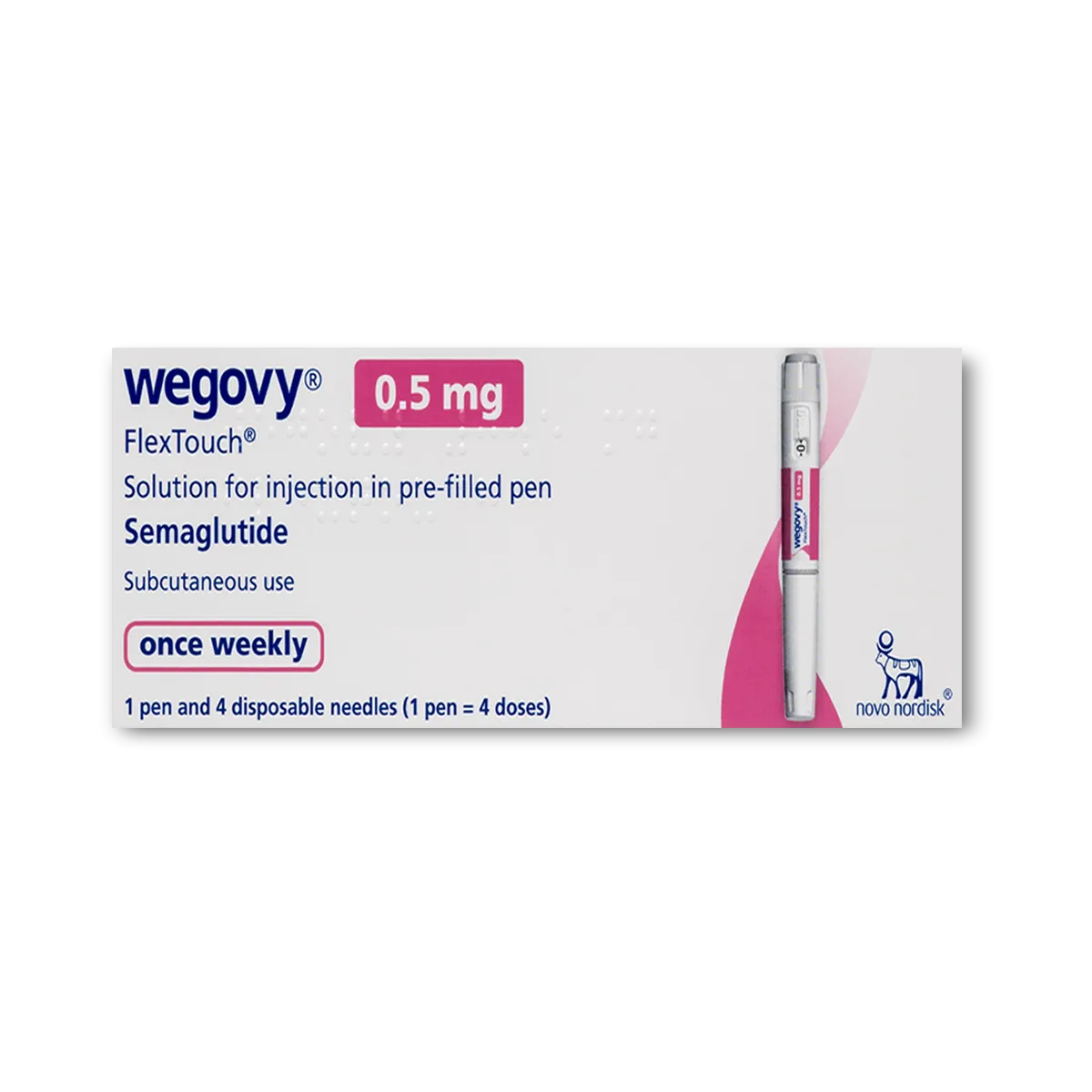
Wegovy 0.5mg
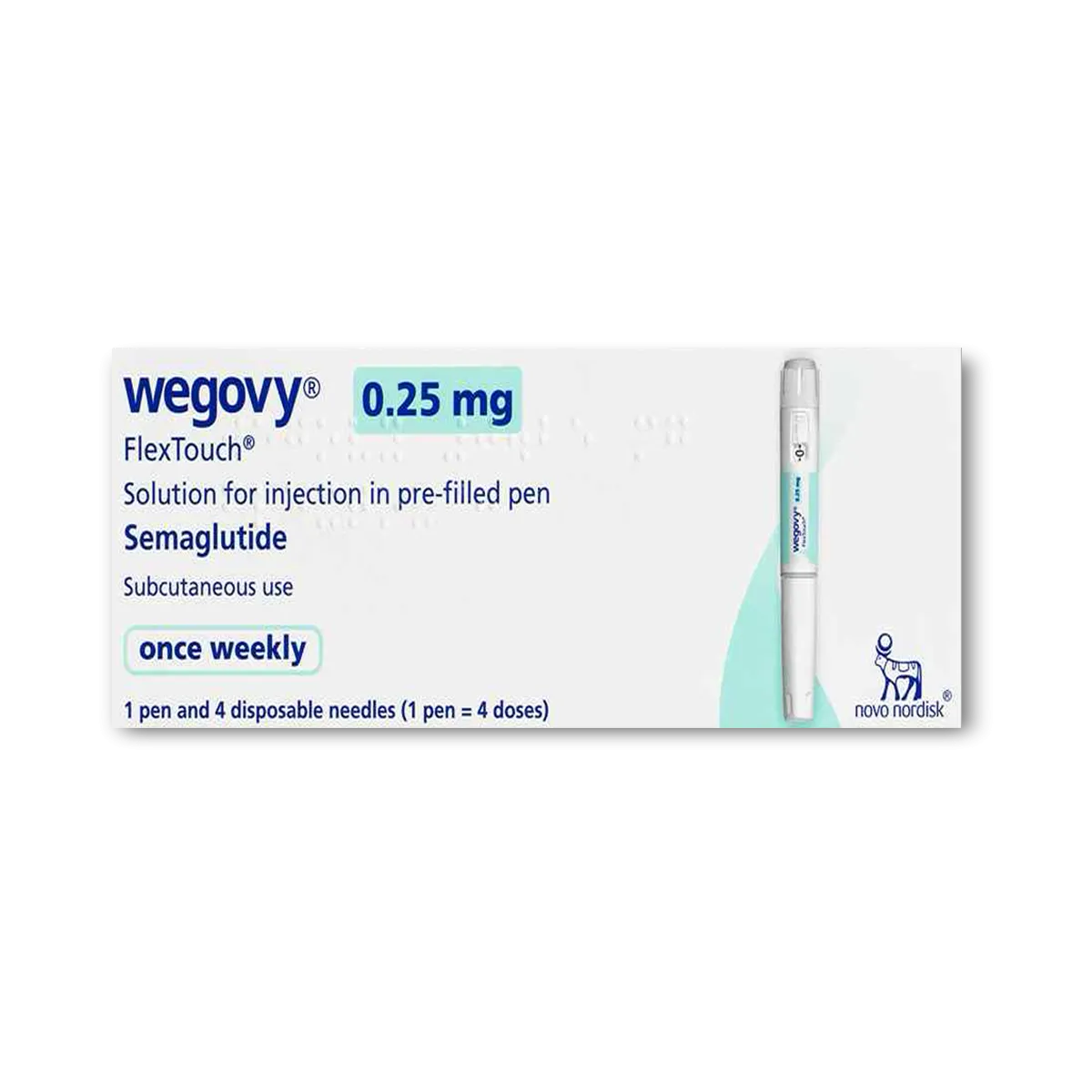
Wegovy 0.25mg
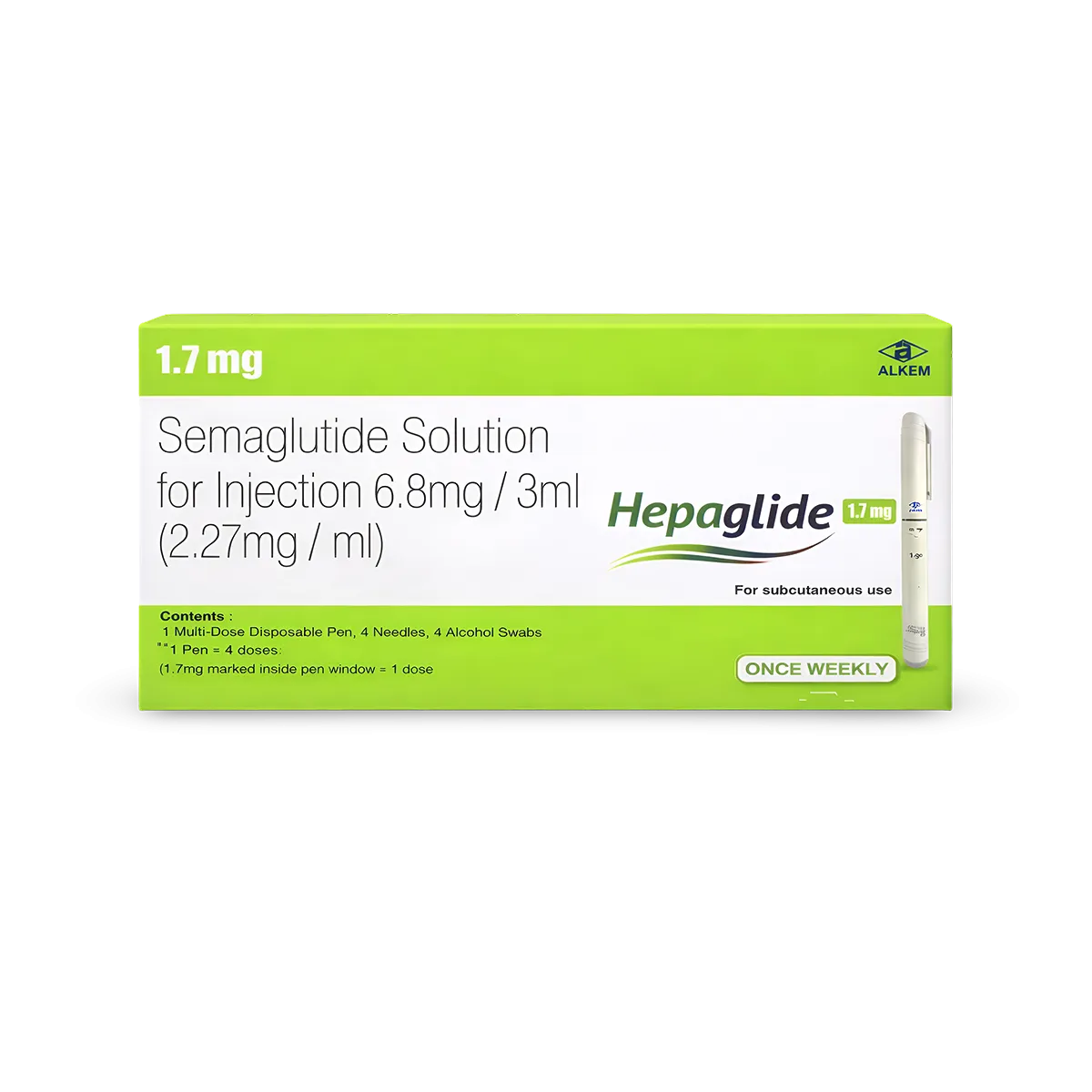
Hepaglide 1.7mg Injection

Noveltreat 0.5 mg Pre-filled Pen
Treatment phase and duration
Semaglutide treatment for weight loss usually happens in stages. It starts with a gradual dose increase, followed by a maintenance phase. This stepwise approach helps improve tolerability and supports steady progress under medical supervision.
- Initial dose: The treatment usually starts at a 0.25 mg dose once a week for the first 4 weeks to allow the body to adjust more comfortably.
- Gradual dose increase: After that, the dose is usually increased every 4 weeks to 0.5 mg, 1 mg, 1.7 mg, and then 2.4 mg once weekly, if tolerated.
- Maintenance phase: Once the dose-escalation phase is complete, treatment moves to the maintenance phase. The recommended maintenance dose is usually 2.4 mg once weekly. In some cases, 1.7 mg can also be prescribed if the higher dose is not well tolerated.
- Duration: Semaglutide is usually used as a long-term treatment, typically 104 weeks or more. However, the exact duration depends on response, tolerability, and medical review.
Expected weight loss timeline with Semaglutide
Weight loss with Semaglutide is usually gradual, not immediate. Some people notice appetite or weight changes within a few weeks, but visible weight loss usually takes longer. The results are often better when combining the medicine with healthy eating, regular physical activity, and consistent follow-up with a doctor throughout treatment.
- After 4 weeks: There can be changes in your appetite with some early weight loss. However, the amount can vary from person to person.
- After 12 weeks: Noticeable changes in weight can occur by this stage, especially if you are also following a diet and regular exercise.
- After 6 months: There can be meaningful weight changes, that is, a loss of around 5% to 10% of the initial body weight.
- After 12 months: You can expect to lose around 15 to 17% of the baseline body weight on average with Semaglutide 2.4 mg as a full maintenance dose.
Factors that affect the treatment duration of Semaglutide
The treatment duration usually depends on how much weight needs to be lost, how well the body responds to the medicine, whether side effects remain manageable, and how successfully you maintain progress after reaching the target dose.
The factors that can influence how long you stay on Semaglutide are:
- Weight-loss goal: If there is a need to lose more weight, you often need to stay on Semaglutide for a longer period. This is because weight loss with Semaglutide occurs gradually, and reaching a higher target usually takes longer, along with regular follow-up and dose review.
- Response to treatment: The efficacy of Semaglutide also affects the duration of treatment. If appetite control improves and weight loss is steady, the doctor can continue the treatment longer. If the response is limited, the treatment plan can be changed sooner.
- Side effects: Side effects such as vomiting, constipation, nausea or acid reflux can affect how long you stay on Semaglutide. If these symptoms are mild, they often improve as the body adjusts. If they stay severe or are hard to tolerate, the doctor can lower the dose or stop treatment.
- Lifestyle support: Eating habits, physical activity, sleep, and daily routine can affect how long Semaglutide is continued. Strong lifestyle support can help maintain progress, while difficulty sustaining these habits can increase the need for longer medical support and regular follow-up.
While these factors affect treatment duration, completing the treatment properly and avoiding sudden discontinuation without medical advice are important for maintaining long-term weight loss results.
What happens when you stop taking Semaglutide?
When you stop taking Semaglutide, the medicine does not leave the body right away. Its effects usually fade gradually over about 5 to 7 weeks. Here’s what happens after the treatment is discontinued:
- Hunger and cravings can return: Within 1 to 2 weeks, appetite signals often become stronger again. This can also lead to frequent cravings or recurring thoughts about food.
- Fullness can not last as long: Since Semaglutide no longer slows stomach emptying, digestion becomes faster. As a result, hunger can return sooner after meals.
- Weight regain can occur: Many people can regain a significant portion of the weight lost after stopping treatment. In the STEP 1 extension study, people gained back about two-thirds of the weight they had lost within 1 year of stopping the medication.
However, weight regain does not happen to everyone. Some people can maintain their results, especially if they continue healthy eating, regular exercise, good sleep, and follow-up care after stopping Semaglutide.
When you should stop taking Semaglutide
Semaglutide should only be stopped after a complete medical review. Some of the most common reasons for stopping or avoiding it include the following:
- Limited response to treatment: If weight loss remains limited after several months on the maintenance dose, the doctor can reassess whether Semaglutide is still appropriate. In many treatment plans, losing less than 5% of starting body weight after adequate treatment can lead to a change or discontinuation.
- Serious medical contraindications: The doctor can recommend stopping the medicine if a serious condition, such as Pancreatitis or Thyroid Cancer, develops. It is also usually avoided if you have a personal or family history of Medullary Thyroid Carcinoma (MTC) or related endocrine disorders.
- Pregnancy planning: If pregnancy is planned, the medicine should be stopped at least 2 months in advance. This is because the medicine stays in the body for a long time, that is, about a 5-week washout, which is not considered suitable during pregnancy.
- Severe or persistent side effects: If the side effects become hard to manage or do not improve, the doctor can recommend stopping it. The same applies if any allergic reactions (like swelling of the throat/face or difficulty breathing), vision changes or thyroid tumors occur.
- Weight-loss goal achieved: Some people stop Semaglutide after reaching their target weight and maintaining it for 3 to 6 months with a stable diet and lifestyle habits. Even then, it is better to stop it with a proper plan to lower the risk of weight regain.
Conclusion
Semaglutide is an effective option for long-term weight management, but how long you stay on it depends on your weight-loss goals, treatment response, side effects, and overall health after a proper evaluation by a doctor.
For many people, the early weeks of treatment are used to gradually increase the dose until the maintenance dose is reached. After that, treatment is continued based on response, tolerability, and medical review. Semaglutide is not a standalone solution; its long-term benefits are stronger when combined with healthy eating, regular physical activity, good sleep, and follow-up care.
At the same time, treatment should not be continued or stopped without medical guidance. Stopping Semaglutide too soon or too abruptly can increase appetite, reduce feelings of fullness and increase the risk of weight regain. This is why regular follow-up is important throughout treatment.

Frequently Asked Questions
Can Semaglutide be used lifelong?
Yes, Semaglutide can be used lifelong for conditions like Obesity if it continues to be effective and well-tolerated. However, doctors will continue to monitor weight loss progress, side effects, overall health, and treatment goals. They can adjust or stop the medicine if the benefits no longer outweigh the risks.
What should you not do while on Semaglutide?
Do not take Semaglutide with another Semaglutide-containing product or another GLP-1 receptor agonist. Do not start, stop, or adjust it without medical advice. Avoid heavy, greasy meals and excess alcohol as they can worsen nausea, vomiting, and stomach discomfort in some people.
How long do you stay on 0.25 mg of Semaglutide?
You usually stay on 0.25 mg of Semaglutide for 4 weeks. This is the starting dose, used to help your body adjust to the medicine and lower the risk of side effects, including vomiting, nausea or stomach discomfort. After that, the dose is usually increased under medical supervision.
Why am I gaining weight so fast after Semaglutide?
You might gain weight more quickly after stopping Semaglutide because its appetite-suppressing effect fades. This can cause hunger and cravings to return, especially after meals. You can feel less full, eat more than before, and regain weight more quickly, particularly if diet and lifestyle habits are not maintained consistently.
How long do you stay on Semaglutide for Type 2 Diabetes?
Semaglutide for Type 2 Diabetes is usually taken long-term, because Diabetes is a chronic condition. You generally continue it as long as it helps control blood sugar, is well tolerated, and your doctor determines the benefits still outweigh the risks.
Cheap Medicine Shop only refers to credible, authoritative sources for our content. If you’re curious about how we ensure the integrity of our content, we encourage you to read our Content Information Policy.