
High Blood Pressure (Hypertension) and Erectile Dysfunction (ED) are two of the most common conditions affecting men worldwide, and they are more closely connected than most people realize. Hypertension doesn’t just strain the heart; it also damages the blood vessels that healthy erections depend on.
Since erections require strong, continuous blood flow, even a minor vascular damage can make it difficult to achieve or maintain firmness. In fact, ED is often one of the earliest signs that Hypertension is quietly harming your health.
What makes this connection especially concerning is that both conditions tend to develop silently, with few obvious symptoms. If not addressed on time, they can significantly raise the risk of serious complications, including cardiovascular disease.
Understanding the link between High Blood Pressure and Erectile Dysfunction is an important first step, not just for protecting sexual health, but for safeguarding long-term overall well-being. This article will further explain in detail how both conditions are connected to each other.
Link between High Blood Pressure and Erectile Dysfunction
Hypertension is one of the major factors behind Erectile Dysfunction in men. In a study published in the journal Vascular Health and Risk Management in 2020, it is mentioned that around 71% hypertensive men have mild to moderate forms of ED.
The primary mechanism connecting these two conditions is vascular health. Achieving an erection requires a significant increase in blood flow to the penis. Excessive blood pressure restricts the blood supply to the penis in the following ways, making it harder to achieve a long-lasting, firm erection:
- Arterial damage: High Blood Pressure over time causes damage to the blood vessel lining (endothelium). This leads to Atherosclerosis, the hardening and narrowing of the arteries, which limits the amount of blood flow to the penis, causing erection problems.
- Nitric Oxide (NO) interference: Hypertension can affect the body’s capacity to produce NO, a substance that directs penile muscles to relax and let blood flow in.
- Hormone and metabolic effects: Insulin resistance, metabolic syndrome, and low testosterone are common in hypertensive patients, all of which independently enhance the risk of ED. Testosterone deficiency lowers libido and can affect erectile function, even when the vascular condition is borderline. Also, High Blood Pressure increases angiotensin II, a hormone that constricts blood vessels. This, in turn, further reduces blood flow and lowers libido.
Save up to 90% on your medicine bills
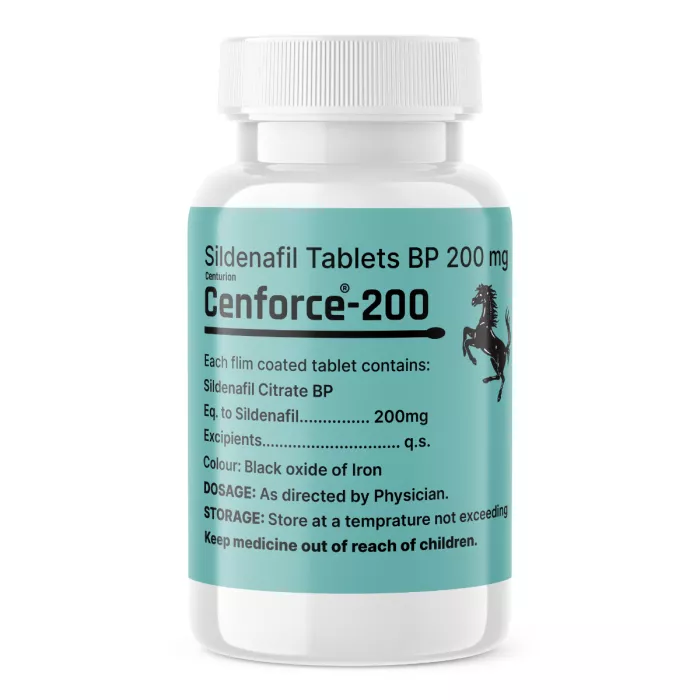
Cenforce 200 mg

Kamagra Oral Jelly Rx 100 mg
Fildena 100 mg

Vidalista 60 mg
Can BP pills cause ED
Yes, surprisingly, High Blood Pressure medications are one of the most commonly ignored causes of ED in men who already have Hypertension. Beta-blockers like Atenolol and thiazide diuretics like Hydrochlorothiazide, two of the most commonly prescribed antihypertensives, have been shown to reduce blood flow, suppress testosterone levels, and inhibit nervous system signals required for arousal, worsening erectile difficulties.
However, this risk is not associated with all blood pressure medications. Angiotensin-converting Enzyme (ACE) inhibitors and Angiotensin II Receptor Blockers (ARBs), notably Losartan, have been found to have positive effects on erectile health and overall sexual performance in men with Hypertension.
Treating High Blood Pressure and Erectile Dysfunction
Treating High Blood Pressure and Erectile Dysfunction together requires a combined approach focused on improving vascular health, often involving:
- Adopt a heart-healthy lifestyle: Have a balanced diet that includes fruits, vegetables, whole grains, and healthy fats, and reduce salt intake. Regular exercise, weight management, limiting alcohol, and quitting smoking help improve blood flow and support both heart and sexual health.
- Manage stress: Chronic stress disrupts hormones and circulation. Practicing relaxation techniques, including yoga, meditation, or deep breathing, can help improve both blood pressure and erectile health.
- Monitor and control blood pressure: Regularly monitor your blood pressure and follow the prescribed treatments. Keeping blood pressure within normal limits prevents further damage to blood vessels and, over time, improves erectile function.
- Adjust blood pressure medications if needed: If you believe your blood pressure medication is contributing to ED, do not stop it on your own. Speak with your doctor; switching to an ARB or ACE inhibitor class could resolve the issue while keeping your BP under control.
- Use ED medications under medical guidance: ED medications like Sildenafil or Tadalafil enhance blood flow to the penis, helping achieve erections when taken as directed.
- Manage underlying conditions: Conditions like Diabetes, high cholesterol, and Obesity can worsen both Hypertension and ED. Proper management through medicines, diet, and lifestyle changes improves overall vascular health.
- Consider advanced treatments if required: If oral medications are ineffective, options such as Vacuum Erection Devices (VEDs), penile injections, or surgical implants may be considered based on medical advice.
- Regular medical consultation: Continuous follow-up with a healthcare provider ensures that both conditions are well-managed, medications are optimized, and the risk of complications, such as heart disease, is minimized.
When to see a doctor?
Many men are hesitant to talk about ED, but it is a medical condition, not a personal flaw, and doctors are trained to treat it without judgment. Hence, you must consult a doctor if:
- You’ve been diagnosed with Hypertension and are experiencing changes in erectile function.
- You experience ED and have risk factors for cardiovascular disease (smoking, Obesity, Diabetes, family history).
- Your current blood pressure medication appears to be harming your sexual health.
- ED is causing relationship stress or psychological distress.
Conclusion
High Blood Pressure and Erectile Dysfunction are two widespread interconnected conditions caused mostly by vascular damage and decreased blood flow. Hypertension not only reduces circulation to the penis, but it can also interfere with Nitric Oxide synthesis, hormone levels, and overall sexual response. Even medications used to treat High Blood Pressure, like Atenolol, can lead to ED.
The good news is that both conditions can be effectively managed through lifestyle changes, proper medication adjustments, and timely medical care. Addressing both conditions together not only improves sexual health but also reduces the risk of serious complications like heart disease. However, consult a doctor for ED if you have Hypertension, cardiovascular risk factors, medication-related issues, or if it’s affecting your mental well-being or relationships.

Frequently Asked Questions
What is dangerously High Blood Pressure?
Dangerously High Blood Pressure, called a Hypertensive Crisis, occurs when readings reach 180/120 mmHg or higher. It can damage organs like the heart, brain, and kidneys and requires immediate medical attention to prevent life-threatening complications, including stroke or heart attack.
Can ED be an early sign of Hypertension?
Yes, Erectile Dysfunction is often an early warning sign of Hypertension and cardiovascular disease. Since penile arteries are smaller, they show damage sooner, suggesting that unexplained ED could signal underlying vascular problems years before major heart-related symptoms appear.
Can ED from Hypertension be reversed?
Yes, ED caused by Hypertension can often be reversed, especially in the early stages. Lifestyle changes, better blood pressure control, and medication adjustments can restore blood flow. However, long-term vascular damage could limit full recovery, requiring ongoing treatment.
Can a high BP patient take Viagra?
Yes, most High Blood Pressure patients can take Viagra if their condition is stable and controlled. However, it must be avoided with nitrate medications, as this combination can result in a severe drop in blood pressure. Hence, always consult a doctor first before combining any medications.
Which vitamin helps blood flow to the penis?
Several vitamins are known to support blood flow to the penis, especially vitamin D, which improves endothelial function and circulation. Vitamin B3 (niacin) can also help widen blood vessels, while vitamin C boosts Nitric Oxide production, enhancing blood flow and supporting better erectile function.
Cheap Medicine Shop only refers to credible, authoritative sources for our content. If you’re curious about how we ensure the integrity of our content, we encourage you to read our Content Information Policy.
Recent Web Stories