


Metformin is a prescription medicine mainly used to treat Type 2 Diabetes and is also used in some people with Prediabetes or Polycystic Ovary Syndrome (PCOS). It works by lowering the amount of glucose made by the liver by improving how the body responds to insulin.
Additionally, it can reduce appetite, thereby slightly lowering calorie intake. Because of this effect, doctors can sometimes prescribe it off-label for weight management in selected individuals. However, the weight loss seen with Metformin is usually gradual rather than rapid.
In the first 2 months, results are often modest for some people, typically around 4 lbs. However, early changes such as better appetite control, fewer cravings, and improved eating habits are more noticeable.
This article explains what 2 month Metformin weight loss results can look like, what affects those results, and practical tips to support steadier progress over time.
Metformin for weight loss: An 8-week timeline
During the first 8 weeks, Metformin usually works more like a metabolic adjustment medicine than a fast weight-loss treatment. Most people do not see significant changes this early.
During this time, your body is adapting to the dose. Stomach-related Metformin side effects, such as nausea and vomiting, are usually most noticeable at the beginning. Some people notice early appetite changes within the first several weeks. However, visible weight loss can take longer and varies widely.
Save up to 90% on your medicine bills
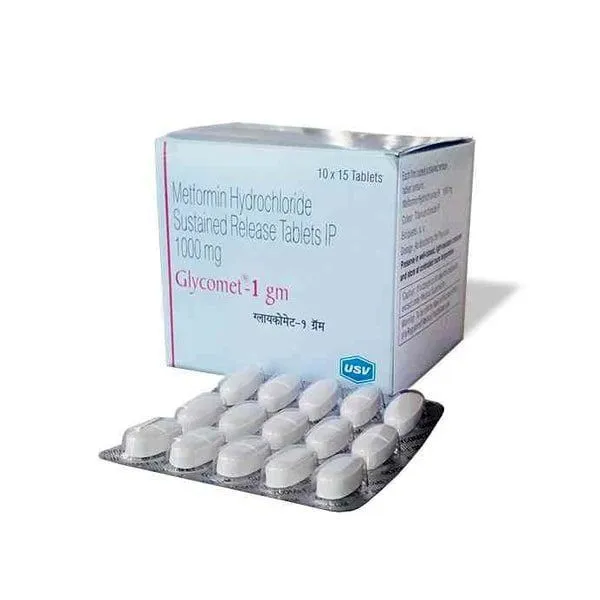
Glycomet 1000 Mg
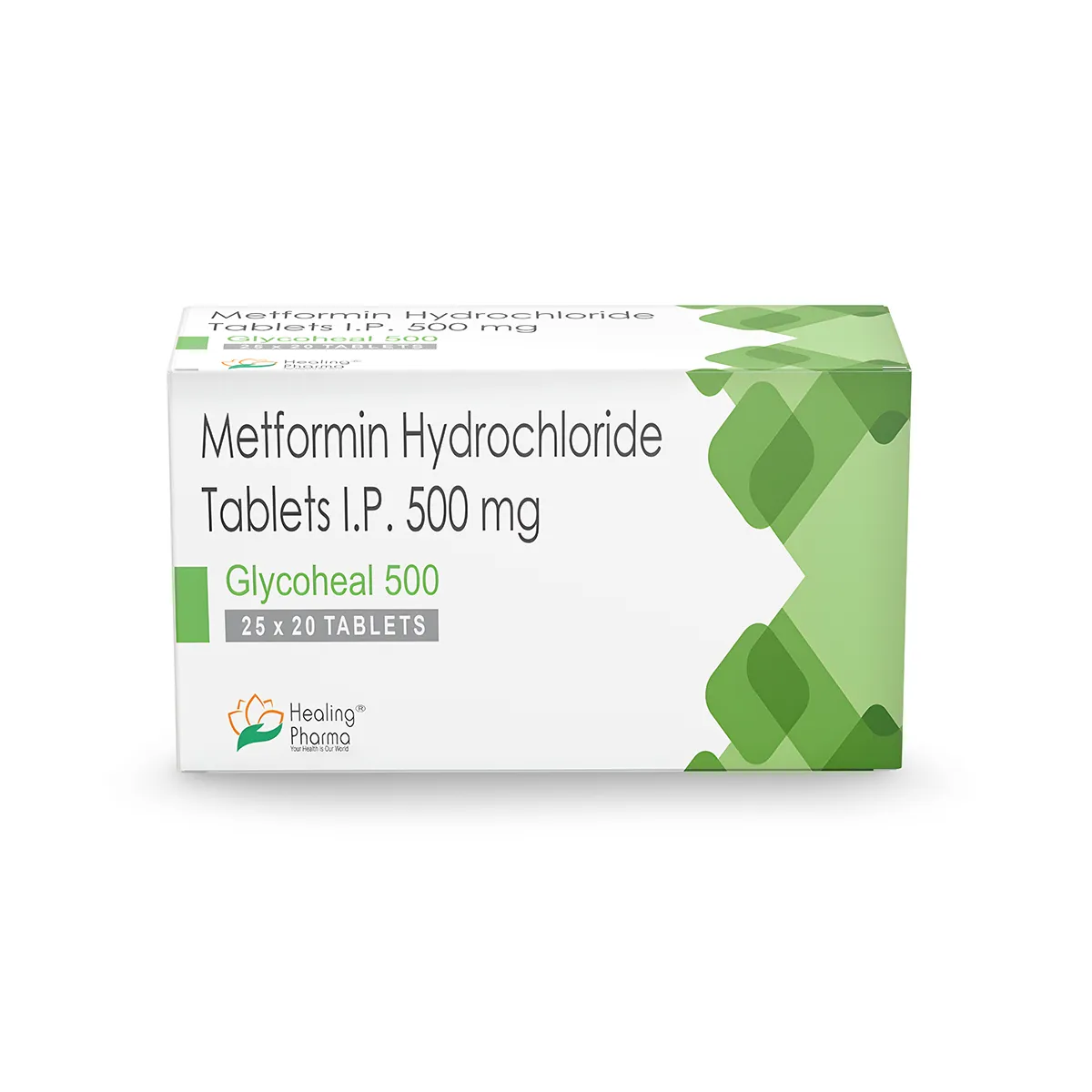
Glycoheal 500 Mg Tablet
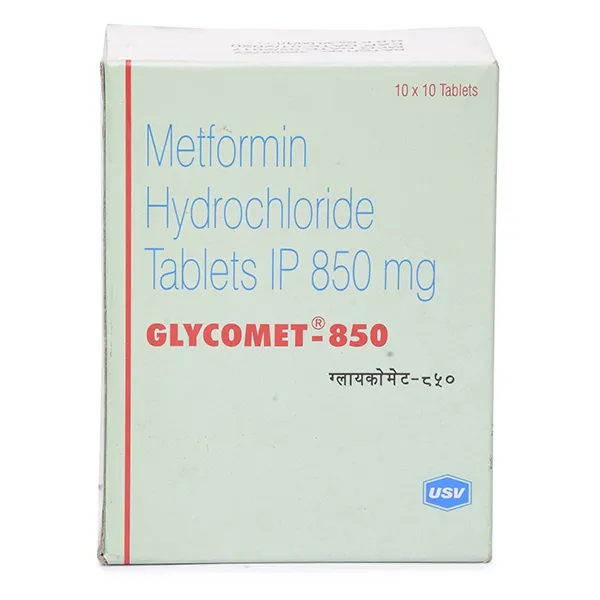
Glycomet 850 Mg
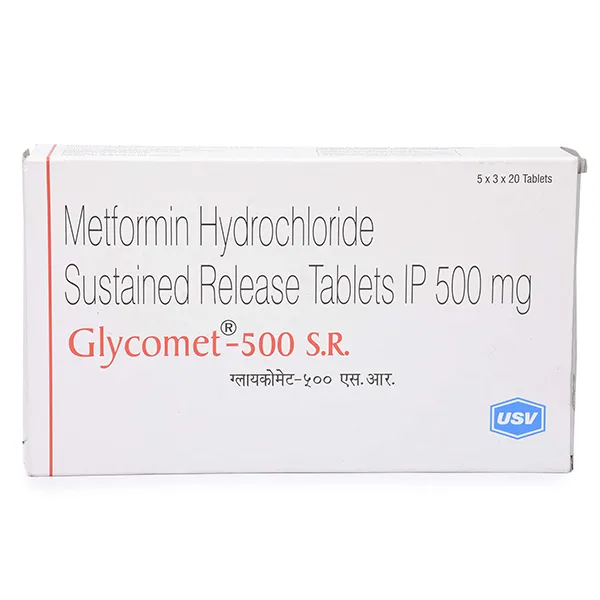
Glycomet SR 500 Mg
Here is an 8-week timeline of how Metformin aids in weight loss.
Weeks 1-2: Medication adjustment phase
During the first two weeks, weight change is often minimal or none. This phase is mainly about dose adjustment and gut adaptation. As Metformin begins reducing liver glucose output and improving how the body responds to insulin, gastrointestinal side effects such as nausea, diarrhea, acidity, and abdominal discomfort are often most noticeable, especially after starting or increasing the dose.
Weeks 3-4: Initial weight change
By this stage, stomach side effects often begin to settle in some people. Metformin’s effects on appetite and fullness signals can become more noticeable, leading to less hunger, fewer post-meal cravings, and better portion control. Weight change can begin here, but it is usually still small and not always visible on the scale.
Weeks 5-6: Gradual progress
As treatment continues, improved insulin sensitivity and more stable blood sugar levels can make cravings easier to manage. This is often the stage when small weight changes become more likely, especially when Metformin is paired with better eating habits, regular activity, and consistent use. The effect can be more noticeable in people with insulin resistance, including some with PCOS.
Weeks 7-8: Mild weight loss
By the end of 8 weeks, Metformin-related weight loss is usually modest. In some people, the change can be around 2 to 5 pounds, while others will notice little change.
A few people can lose much more over time, sometimes around 20 pounds, but that is highly individual and is more of a long-term treatment possibility, not a standard 8-week result. More often, the early benefits are reduced appetite, less bloating, and gradual progress that builds over the following months.
Factors that affect Metformin weight loss results
Metformin does not affect everyone in the same way, especially in the first 2 months. The results usually depend on the dose, how regularly you take it, your insulin resistance, lifestyle habits, starting weight, and how well your body tolerates the medicine.
- Dosage and consistency: Metformin is usually started at a low dose, often the 500 mg strength, and increased slowly to reduce stomach-related side effects. Taking it regularly and as prescribed increases its chances of supporting appetite control and gradual weight loss.
- Insulin resistance: Metformin often works better in individuals with insulin resistance, like those with Type 2 Diabetes, Prediabetes, or PCOS. In these cases, improving insulin sensitivity can help reduce cravings and support weight management.
- Diet and activity: The weight-loss effect of Metformin works best when combined with balanced meals and consistent physical activity.
- Metabolism: Every person burns energy at a different rate. People with a slower metabolism can notice slow weight changes, while others will respond more quickly, even on the same dose.
- Starting weight: Metformin’s effect on weight is often more noticeable in people who are overweight or living with Obesity. In people who are already at a lower body weight, the change is usually smaller and less obvious.
Practical tips to support better weight loss results
During the first 8 weeks, the focus is usually on building consistency so the medicine can work more effectively. Weight loss tends to be gradual during this time, but early effects, such as better appetite control and fewer cravings, can improve further with supportive lifestyle changes.
Here are some Metformin weight loss tips to support better results:
- Take it with food: Taking Metformin with meals can help reduce nausea, diarrhea, and stomach discomfort. Better tolerance often helps you stay consistent.
- Eat balanced meals: Try to include more protein and fiber, and cut back on sugary foods and refined carbs. This can help control hunger and cravings.
- Stay active: Regular exercise can support better results. Aim for moderate activity most days and add strength training when possible.
- Keep up with checkups: Talk to your doctor if side effects feel severe or if you have kidney problems. Regular monitoring is important during treatment.
- Ask about vitamin B12 if needed: Metformin can lower vitamin B12 levels over time, especially with higher doses or long-term use. Periodic monitoring can be helpful if treatment continues for a long time.
- Avoid alcohol consumption: Drinking too much alcohol while taking Metformin can increase the risk of complications, including low blood sugar and Lactic Acidosis. It is safer to limit or avoid alcohol during treatment.
Alternative medications to Metformin for weight loss
The off-label use of Metformin supports modest, gradual weight loss. However, some people, especially those who have Obesity or are overweight, need stronger medical support for weight management.
In those cases, doctors can consider other prescription medicines that are specifically used for long-term weight management. These medicines are usually combined with diet and physical activity.
- Semaglutide
- Tirzepatide
- Orlistat
- Phentermine and Topiramate
- Naltrexone and Bupropion
The right treatment depends on body weight, treatment goals, side effect risk, and how well the body responds over time. After a proper medical evaluation, the doctor will decide whether Metformin alone is enough or if a more targeted weight-loss medicine is needed.
Save up to 90% on your medicine bills
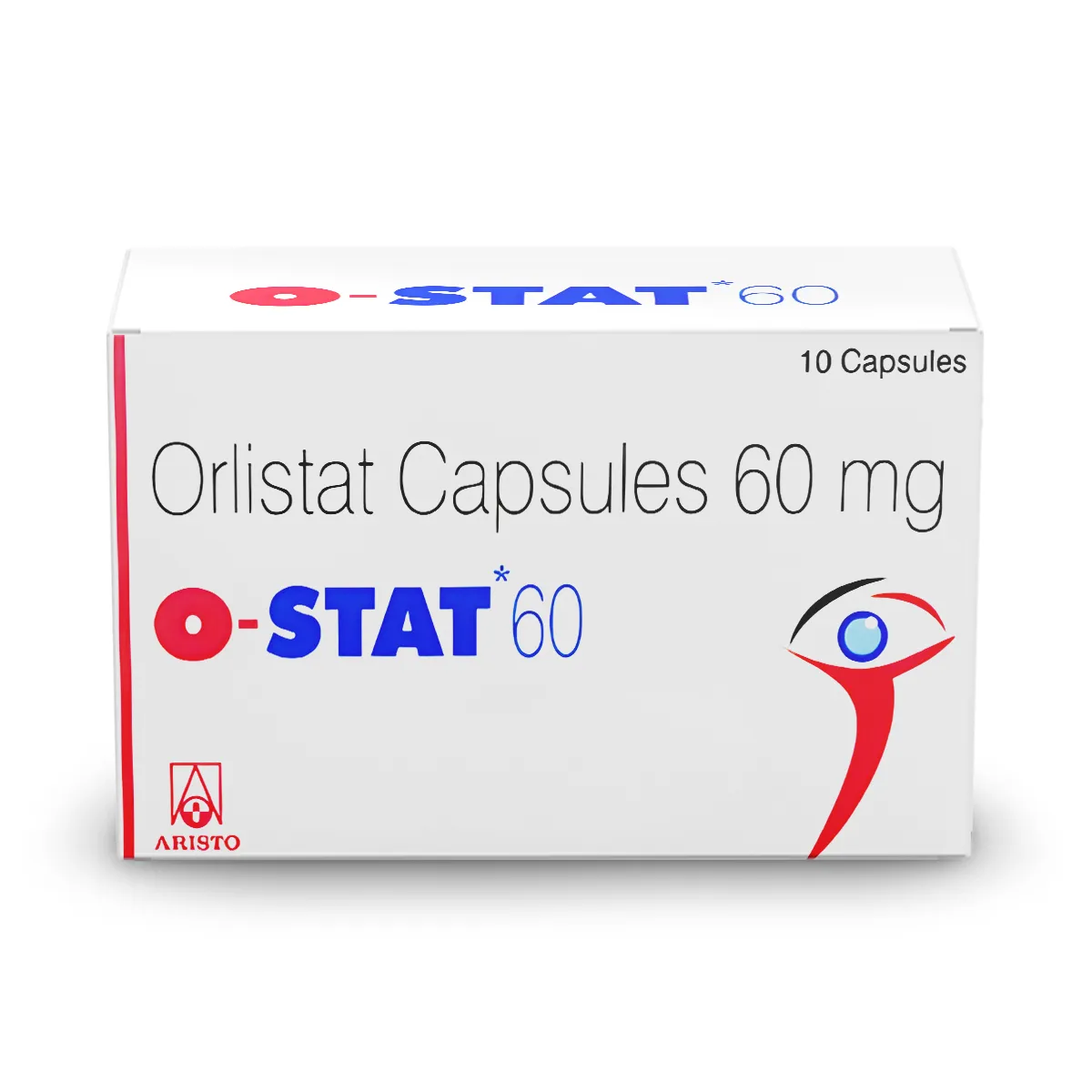
O-Stat 60 Capsule
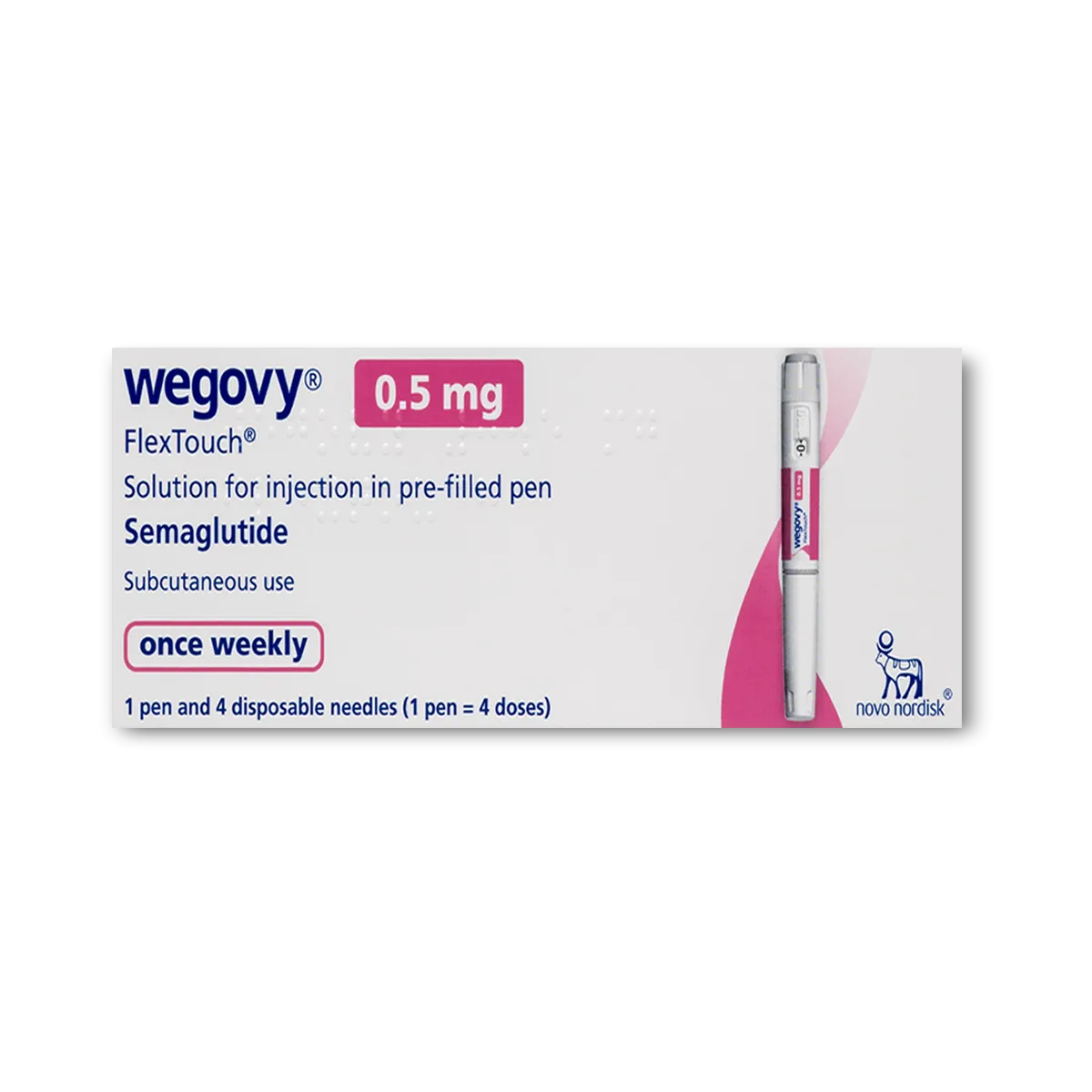
Wegovy 0.5mg
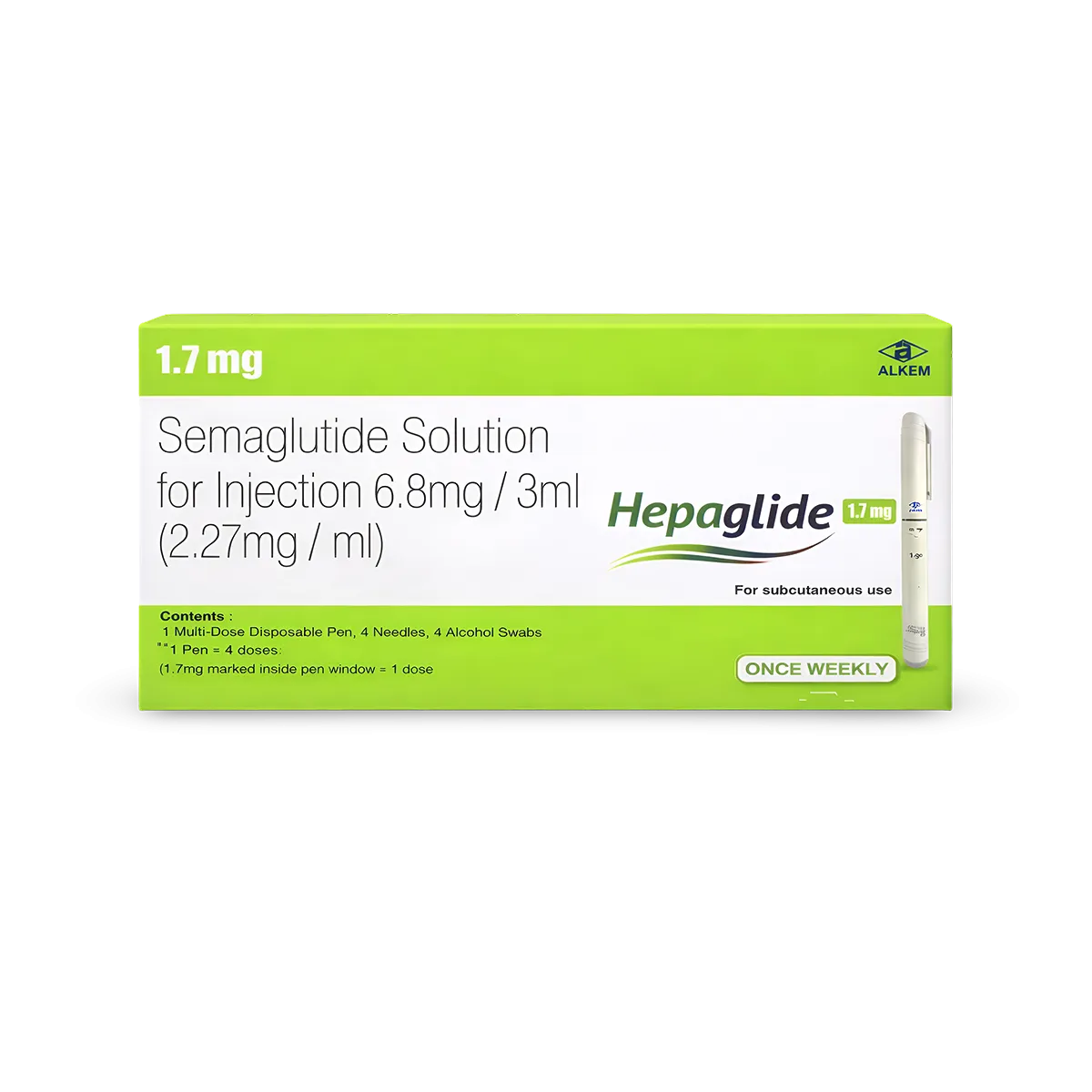
Hepaglide 1.7mg Injection

Obesema 1.7mg Injection
Conclusion
Metformin can support gradual weight loss, but the results are usually modest in the first 2 months. For many people, early progress appears as better appetite control, fewer cravings, and improved eating habits. There can also be a moderate loss in some individuals.
However, the amount of weight lost can vary based on the dose, consistency, insulin resistance, starting weight, and lifestyle habits. Metformin works best when taken regularly, paired with a balanced diet and physical activity.
For those who need stronger weight management support, doctors can also consider other prescription options, such as GLP-1 receptor agonists or Tirzepatide. It is important to follow medical advice, stay consistent with prescribed treatment, and focus on steady, sustainable progress rather than expecting faster results.
Frequently Asked Questions
Can you lose weight on Metformin without dieting?
Yes, you can lose a little weight on Metformin without following a strict diet, mainly because it can reduce appetite and cravings. But results are usually modest, and weight loss tends to be better and more consistent when paired with healthier eating habits and regular physical activity.
Why am I not losing weight on Metformin after 8 weeks?
If you are not losing weight on Metformin after 8 weeks, it can be because the dose is too low, appetite changes are mild, or diet and activity habits need more support. Some people also respond more slowly than others.
How fast does Metformin work?
Metformin can start working within 48 hours to a few days, and it usually begins lowering blood sugar within the first week of treatment. However, its full and more stable effects on blood sugar, appetite, and weight-related changes build gradually, with more noticeable benefits often seen after 2 to 3 months.
Is 500 mg of Metformin enough to lose weight?
Yes, 500 mg of Metformin is not enough to lose weight, as it is usually just a starting dose. Doctors often increase it gradually based on tolerability, and more noticeable effects are more often seen around 1000 to 2000 mg per day, if appropriate.
How long does it take to lose 20 lbs on Metformin?
Losing 20 lbs on Metformin can take several months, and for many people, it can not happen with the medicine alone. Weight loss usually starts after about 4 weeks and occurs mainly during the first 6 to 12 months, but the average loss is usually only a few percent of body weight.
Cheap Medicine Shop only refers to credible, authoritative sources for our content. If you’re curious about how we ensure the integrity of our content, we encourage you to read our Content Information Policy.