

Losing weight is not only about appearance; it is more about good health. An unhealthy body weight often increases the risk of several heart, metabolic, and reproductive problems. This is why so many people search for natural supplements. The Office of Dietary Supplements (ODS) has reported that about 15% of US adults have used a weight-loss supplement at some point.
With so many products on the market, choosing the right one can feel confusing. You have options to support muscle gain and gut health, as well as those that target weight gain due to perimenopause or Diabetes. You thus need to choose one that supports your goal.
In this blog, you will find the best supplements for weight loss for both men and women. You can also read observations from current research, the most likely side effects and precautions to take while using them.
1. Protein powder
Protein powder can support weight loss by helping you feel fuller for longer while also protecting lean muscle mass during calorie restriction. This matters because when you eat less, your protein intake often drops too. As a result, it can be harder to maintain your strength and body composition.
A quick high-protein smoothie is a great way to start your day. Available protein powder formulations include:
- Whey isolate for a lighter, fast-digesting option
- Whey concentrate for a standard protein shake
- Casein for slower digestion and longer fullness
Research suggests that whey protein is most effective when paired with resistance training. This has been seen in both men and women, including postmenopausal women. However, you should avoid whey or casein if you have a dairy allergy, lactose intolerance or kidney disease.
Save up to 90% on your medicine bills
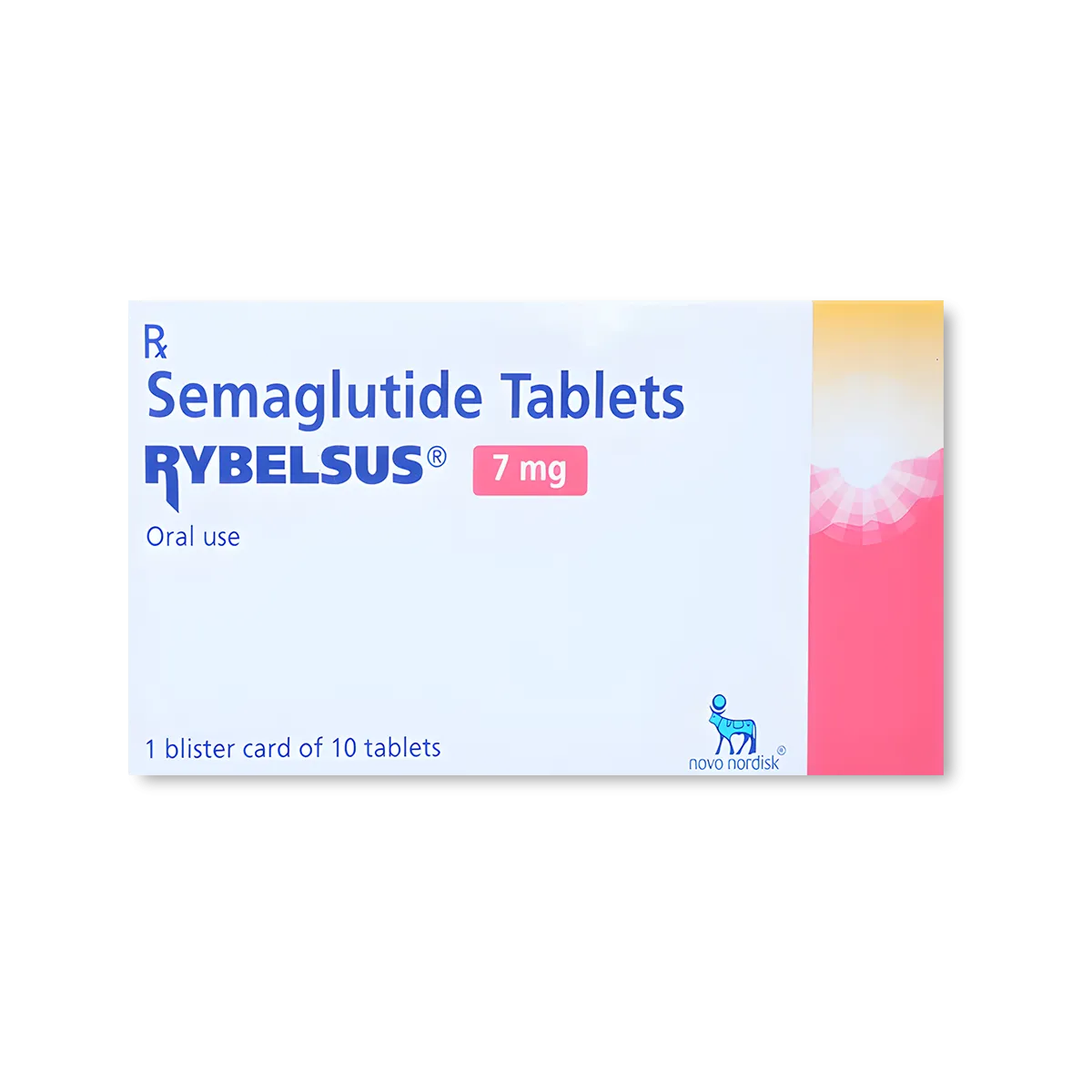
Rybelsus 7mg Tablet
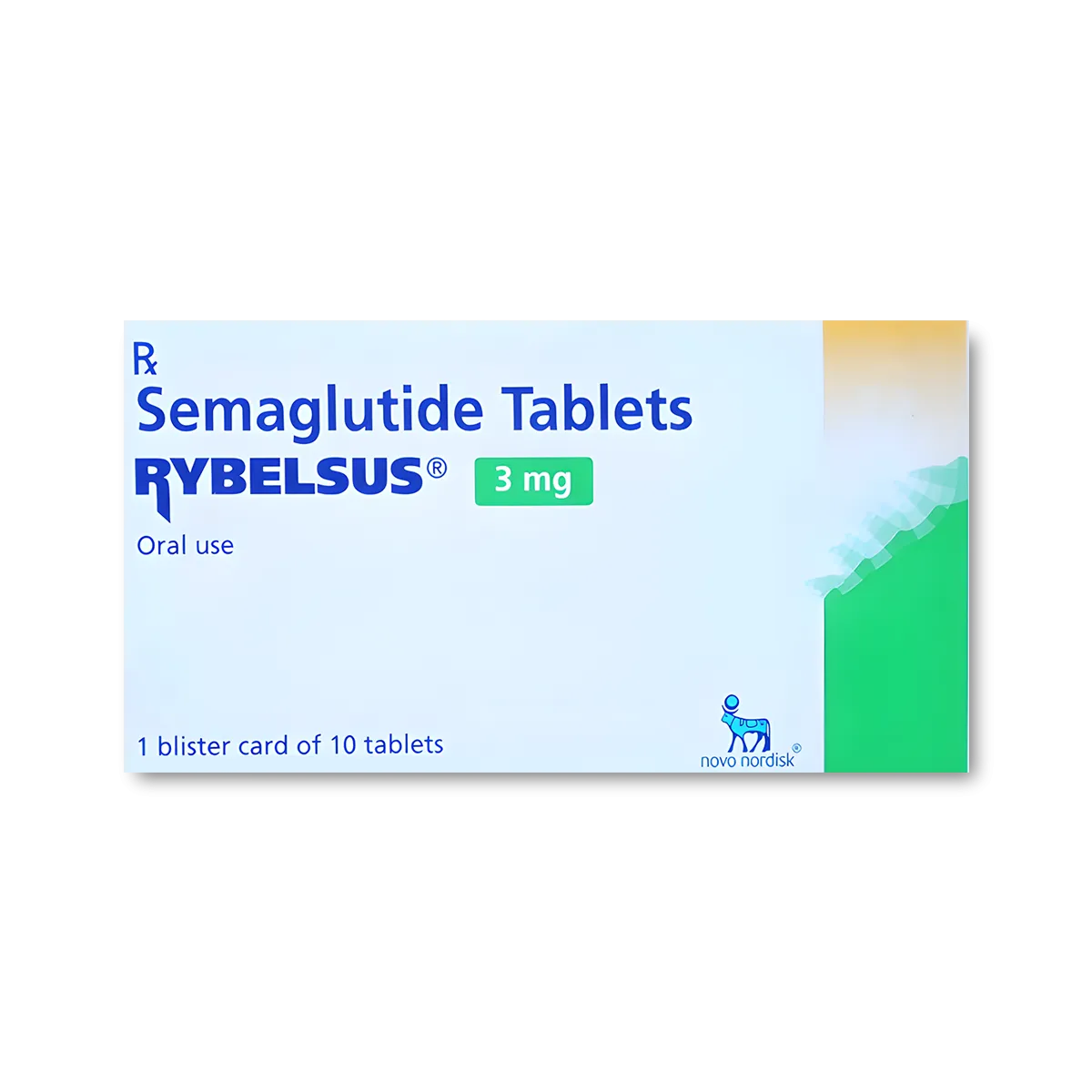
Rybelsus 3mg Tablet
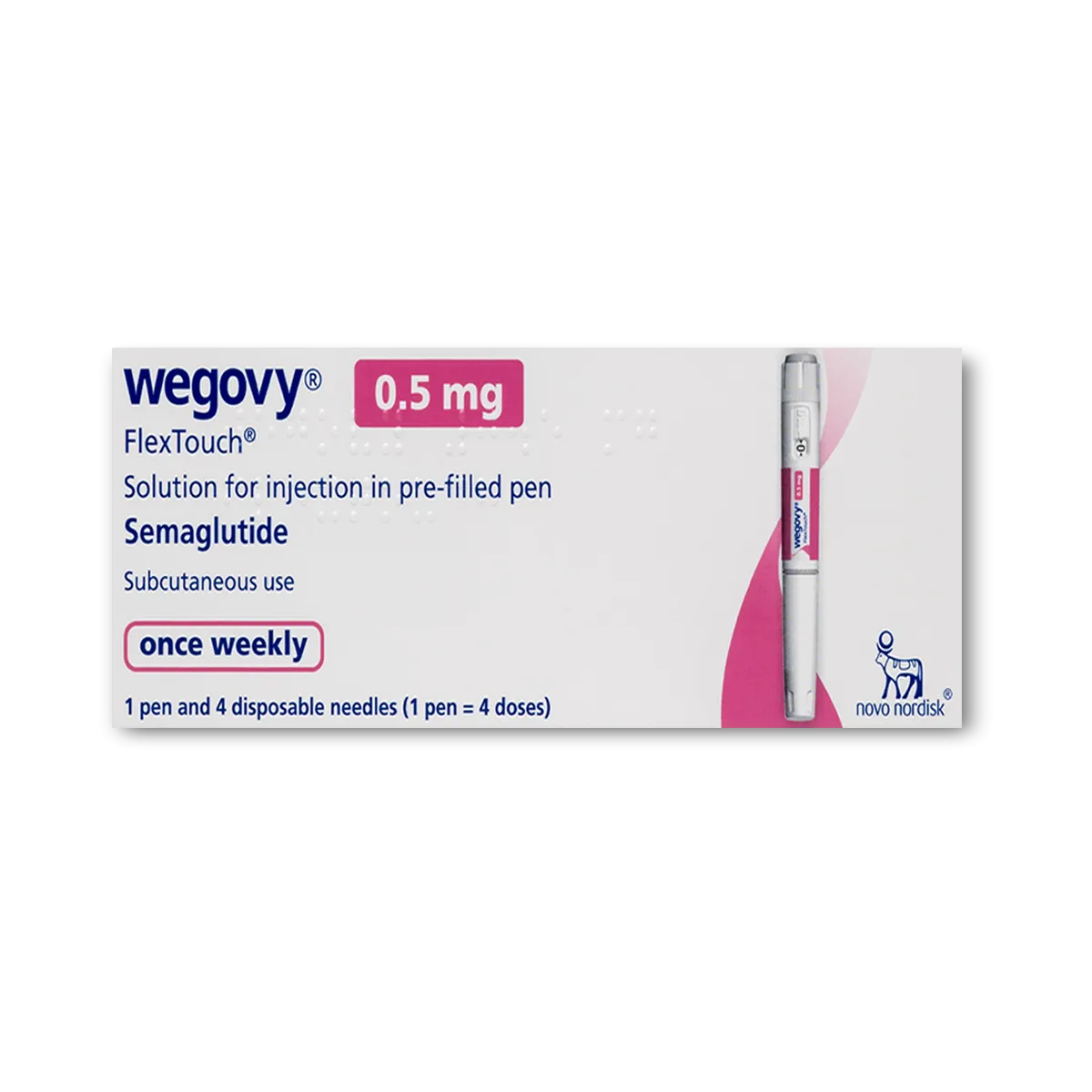
Wegovy 0.5mg
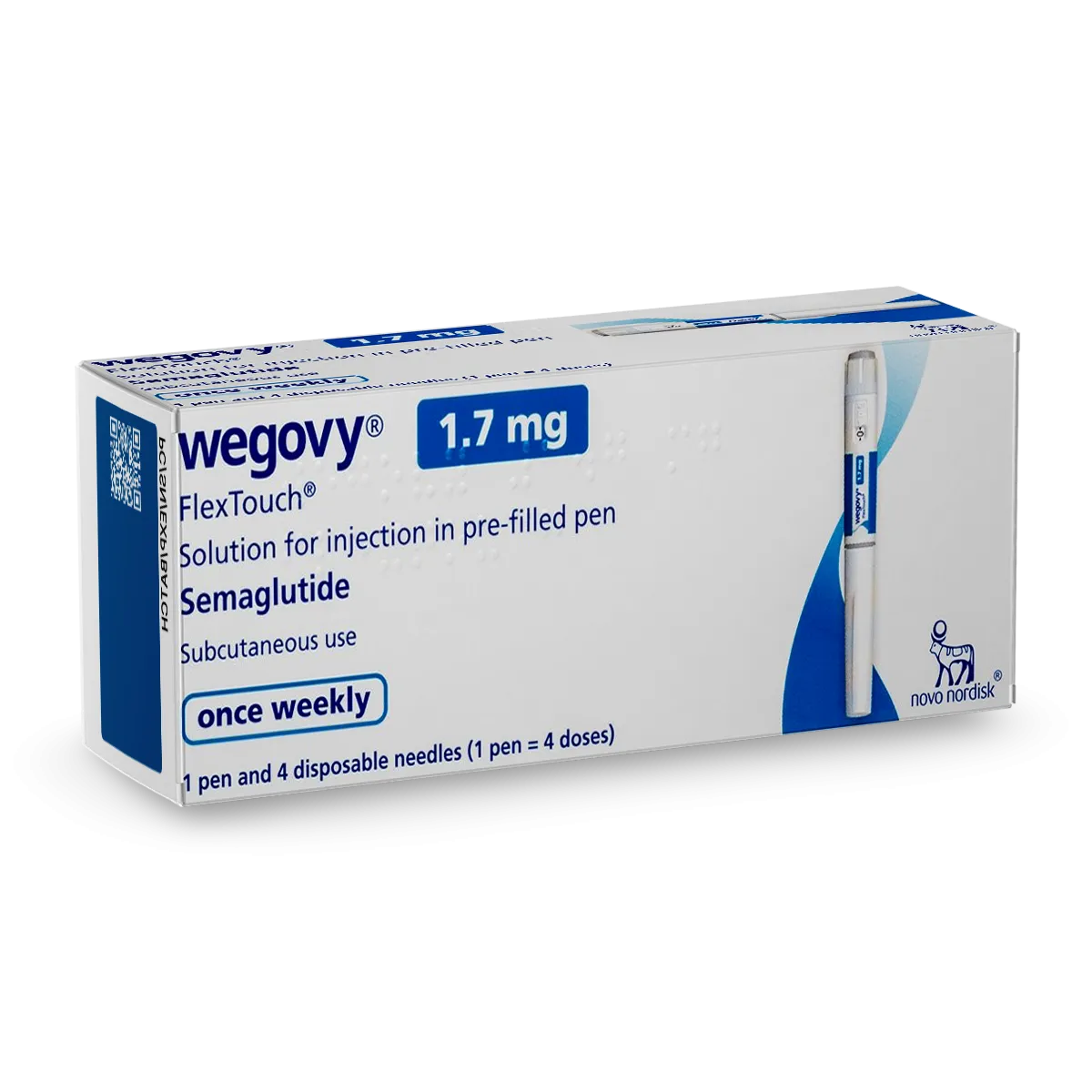
Wegovy 1.7mg
2. Probiotics and synbiotics
Probiotics support the gut microbiome, while synbiotics combine probiotics with prebiotic fibers that nourish beneficial bacteria. While neither is a direct fat burner, both can support weight loss by improving bowel regularity, reducing bloating, and supporting gut signals linked to appetite and metabolism.
Current reviews suggest that blends containing Lactobacillus and Bifidobacterium strains have shown the most promise for supporting body weight and metabolic health. These products are available as capsules, sachets, fermented drinks, or synbiotic blends.
Take them with food, preferably at the same time each day for consistent results. However, if you have an autoimmune condition or low immunity, you should speak with your doctor before use.
3. Soluble fiber supplement
Soluble fiber absorbs water to form a gel-like texture. This helps you feel full sooner and makes it easier to eat less between meals. It also supports steadier digestion and appetite control, which is especially helpful if you struggle with snacking or low-fiber diets.
A meta-analysis published by the American Journal of Clinical Nutrition found that isolated soluble fiber reduced body weight, BMI, and body fat in overweight or obese adults. Available dietary fiber options include psyllium, beta-glucan, and glucomannan. These are sold as powders, capsules, gummies, and fiber drink mixes, taken before meals with plenty of water.
Since low fluid intake can worsen digestive side effects, make sure you drink plenty of water. Avoid fiber supplements for weight loss if you have swallowing problems, bowel narrowing, or a history of blockage.
4. Berberine
Berberine is a natural compound found in plants like goldenseal, barberry and Oregon grape. It supports blood sugar control, insulin sensitivity, and broader metabolic health. With its use in Polycystic Ovary Syndrome (PCOS) weight gain and belly fat, it has become popular as nature’s Ozempic.
While it can lead to reductions in body weight, BMI, and waist circumference, berberine is not equivalent to prescription Semaglutide like Ozempic or Wegovy.
Berberine is usually sold as capsules or tablets to be taken after meals. Since it can interact with Diabetes medicines, Cyclosporine and blood thinners, review all existing medications with your doctor carefully before use.
5. Coffee and green tea
Natural caffeine content found in both slightly increases energy expenditure and helps control appetite for a short time. Green tea also contains catechins, which can support mild fat oxidation. It has also been shown to reduce total cholesterol and regulate glucose levels in people who are overweight or obese.
Together, they work best as supportive supplements for weight loss for both men and women. Coffee and green tea extract can be consumed as brewed beverages. Additionally, they are sold as capsules, drink powders and pre-workout blends.
Try to consume them earlier in the day, as the caffeine can interfere with sleep if taken late in the evening. Common side effects include jitteriness, nausea, a fast heartbeat, and High Blood Pressure. Thus, people with Anxiety, Insomnia, Arrhythmias, or uncontrolled Hypertension should avoid concentrated, purified forms.
While the supplements listed above for men and women have shown significant results in weight loss and gut health, the ones listed below serve a more supportive role. Some are better suited to specific goals like appetite control or health conditions, such as insulin resistance or inflammation.
6. Chitosan
Chitosan is a fat-binding supplement that can bind some dietary fat in the gut and reduce its absorption. While this may sound appealing, its effect on body weight appears quite small, according to the International Journal of Obesity.
It is commonly taken in capsule or tablet form before high-fat meals. Since chitosan is often derived from shellfish, do not use this weight loss supplement if you have a shellfish allergy.
7. Choline
Choline should be viewed as a nutrient-support supplement as it helps with fat metabolism, liver function, and cell health. Available in capsules, powders, prenatal blends, and phosphatidylcholine forms, it is usually taken with meals.
At higher intakes, choline can cause a fishy body odor, sweating, nausea, or upset stomach. So avoid high-dose blended products that stack choline with other stimulants.
8. Conjugated Linoleic Acid (CLA)
CLA is typically used by men or women who want help with stubborn fat rather than appetite control. This weight-loss supplement delivers the best results when combined with regular exercise and a calorie-deficient diet.
Conjugated Linoleic Acid is most commonly available as softgels, which are easy to take after meals. Some research also raises concern about possible effects on blood lipids and glucose control, so consult your doctor if you have Diabetes or Metabolic Syndrome.
9. Carnitine
Carnitine is popular as an exercise-support supplement because it helps transport fatty acids into cells for energy use. This is why it is found in products aimed at workouts, high energy, and muscle gain. It is sold as capsules, powders, and liquid blends.
It is more useful if your weight goals overlap with training, recovery, and muscle gain. A dietician or a nutritionist should review its long-term use as it can cause abdominal or intestinal discomfort.
10. Capsaicin
Capsaicin and related capsaicinoids are used in weight-loss products for appetite control. Due to their capability to increase energy expenditure, they can help you feel less hungry. They are sold as capsules, spicy-food concentrates, and blends, which you can take before or after meals.
The main downside of capsaicin is digestive and abdominal discomfort. So if you have gastritis or acid reflux, you should opt for other weight loss supplements instead.
11. White kidney bean extract
White kidney bean extract is used for its effect on the digestion or absorption of some carbohydrates. It is commonly used by those who eat higher-starch meals and want help with weight control.
It is usually available as capsules or tablets, generally taken before meals. While it is one of the best supplements for weight loss, it is not a substitute for portion control or meal planning. Use caution when using it with combination products containing multiple metabolic stimulants.
12. Omega-3 fatty acids
Omega-3s provide metabolic and inflammation support but do not directly act as fat-loss pills. They are more helpful when weight goals overlap with insulin resistance, high triglycerides, inflammation, or PCOS-type metabolic concerns.
Omega-3s are suitable for men and women aiming to improve body composition and reduce the risk of cardiovascular issues and Type 2 Diabetes simultaneously. Common forms include fish oil, algal oil, and triglyceride-form softgels. Take them with meals that contain some fat to improve tolerance.
It can cause burping, indigestion, and leave a fishy aftertaste. Consult your clinician first if you are on blood thinners or preparing for surgery.
How to lose weight safely with verified supplements
Sustainable weight loss means choosing the right supplement and complementing it with balanced meals, regular movement and good sleep. Since product quality, safety, and label accuracy can vary, the choice of supplement matters as much as the ingredient itself.
To use the best supplements for weight loss safely and effectively:
- Match the supplement to your actual goal, such as fullness, protein intake, gut health, blood sugar support, or meal structure.
- Choose products built around ingredients that have some proven support from clinical trials rather than hype alone.
- Prefer brands with third-party testing or certification, such as United States Pharmacopeia or NSF International, when available.
- Avoid multi-ingredient fat-burner blends or proprietary mixes.
- Consult a healthcare provider for timing, interaction checks, and safe dosage, especially if you already take other medicines for underlying conditions.
Although you may experience some side effects such as bloating, gas, loose stools, Diarrhea or abdominal discomfort, stop use if they become severe or difficult to manage. Seek immediate medical advice if you experience palpitations, severe digestive symptoms, rash, dizziness, or unusual weakness.
Conclusion
The best supplements for weight loss are those that align with your goals and metabolic needs. Some people need better gut health and appetite control, while others need to increase protein intake for muscle gain. Accordingly, there are multiple options to choose from.
Protein powder, probiotics and soluble fiber are some of the safest and most practical choices for everyday use. Moreover, you can consume caffeine through green tea extracts, coffee or pre-workout drinks, but not if you have High Blood Pressure. Options like chitosan, choline, capsaicin, and berberine are also low-impact add-ons that do not directly act as fat-burners but do help with weight management.
Make sure to choose verified products, skip stimulant-heavy blends and avoid products with miracle claims. While mild digestive discomfort is likely, seek medical guidance if you develop palpitations, rash, or dizziness. For safe and sustainable weight loss, complement your supplements with balanced meals, regular movement and good sleep cycle.

Frequently Asked Questions
Are vitamins necessary for weight loss?
No, vitamins are usually not necessary for weight loss itself. They matter more if you are low in nutrients, feeling fatigued, or eating a very restricted diet. In such cases, correcting a vitamin D or B12 deficiency can support metabolism and overall health.
Which minerals can help me lose weight?
Minerals like magnesium and chromium can help lose weight by regulating insulin and glucose metabolism. Moreover, magnesium can help curb cravings, while chromium can improve appetite control. They can complement your weight loss plan, especially if you are borderline obese or your blood sugar balance is poor.
Which supplements work best together?
The supplements that work well together are protein with fiber or probiotics for fullness and omega-3 fatty acids with protein for metabolic support. You can also combine berberine with magnesium to improve appetite control and insulin sensitivity in those with Diabetes or PCOS. Always discuss safe combinations with your doctor.
How long does it take to see results from weight loss supplements?
Results from weight-loss supplements typically appear within 4-12 weeks of consistent use. You will notice reduced appetite and greater fullness within 1-2 weeks, while fat loss accelerates after 1 month. Results vary depending on your starting weight, metabolism, meal plan, physical activity and the supplement itself.
Do GLP-1 supplements work?
Yes, over-the-cosunter GLP-1 supplements like omega-3 fatty acids or probiotics can help with weight loss. However, their potency and efficacy are lower than those of prescription GLP-1 medicines. For serious weight gain, discuss weight-loss medicines containing Semaglutide (Wegovy), Tirzepatide (Mounjaro), or Liraglutide (Saxenda) with your doctor.
Cheap Medicine Shop only refers to credible, authoritative sources for our content. If you’re curious about how we ensure the integrity of our content, we encourage you to read our Content Information Policy.