
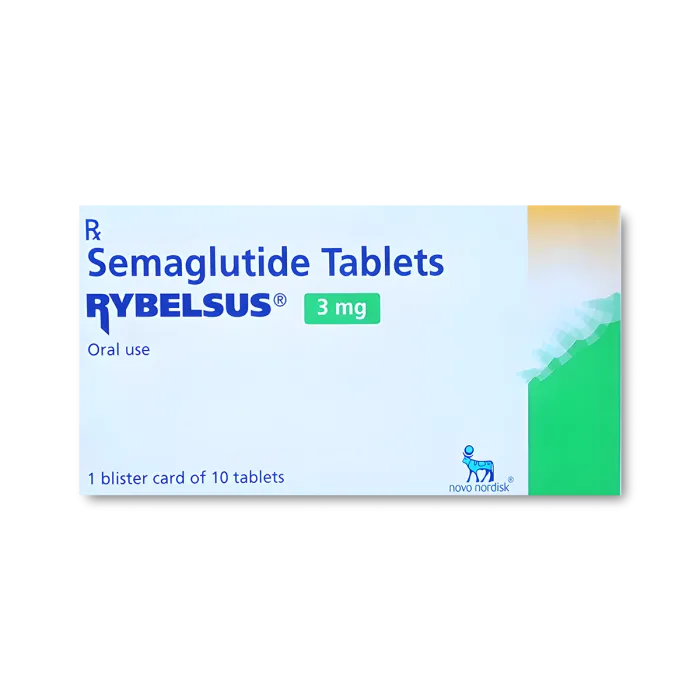
Rybelsus 3mg Tablet
Starting at just
$297.19
In stock
Only %1 left
SKU
CMS8531
Rybelsus 3 mg is an oral antidiabetic medication for Type 2 Diabetes Mellitus in adults. It contains an FDA-approved active ingredient, Semaglutide (3 mg), a synthetic analog of the naturally occurring hormone GLP-1. This medicine belongs to the GLP-1 receptor agonist (GLP-1 RA) class and is manufactured by Novo Nordisk India Pvt Ltd.
Semaglutide helps the pancreas release the right amount of insulin when blood sugar is too high. It also moves sugar from the blood to other body tissues, where it is used for energy. It slows the stomach's emptying, resulting in a longer-lasting feeling of fullness. Reduced hunger and calorie intake can also help in weight loss.
Common side effects of Rybelsus include upset stomach, gas, and bloating. If taken alongside other antidiabetic medications like insulin or sulfonylureas, patients can also experience low blood sugar levels (Hypoglycemia). Avoid alcohol while taking the medicine, as it may negatively interact with Rybelsus. Other significant interactions include diseases like Pancreatitis and Thyroid Cancer.
Regular use of Rybelsus 14 mg is crucial for optimal effectiveness. Patients should only discontinue the medication under medical guidance. A healthcare professional recommends using it alongside a healthy diet and consistent physical activity for better diabetes control.
Rybelsus offers several benefits to patients with Type 2 Diabetes Mellitus.
Rybelsus 3 mg is a prescription-based medication that patients should take according to their doctor's instructions. Here are some general guidelines.
The strengths and substitutes of Rybelsus 3 mg available at Cheap Medicine Shop are:
| Rybelsus 14mg Tablet | $108.80/10 tablets |
Like any medication, Rybelsus 3 mg can also cause some side effects. These mild effects will subside as the body adjusts to the medication. However, if they continue or worsen, consult a doctor immediately.
 Liver disease
The medication is considered safe for patients with liver disease. However, as a precautionary measure, consult a doctor before taking Rybelsus.
 Kidney impairment
The medication is considered safe for patients with kidney impairment. However, as a precautionary measure, consult a doctor before taking it.
 Pregnancy and breastfeeding
This medication is typically not advised during pregnancy due to limited information on its effects on the unborn baby. It's essential to consult a doctor to get the most suitable treatment. Similarly, there isn't enough data to confirm whether the drug is excreted into milk or if it could harm a nursing infant. Seeking medical advice is essential before starting this medication.
 Avoid
Avoid
Avoid taking the medication if you are allergic to Semaglutide. Avoid alcohol, as it may cause fluctuations in blood sugar levels.
You may start to see improvements in blood sugar control within a few weeks, but it can take several months to see the full effect. The 3 mg dose is mainly for adjustment; benefits are more noticeable at higher doses.
No, Rybelsus 3 mg is not used for weight loss. The FDA disapproves of it. While some people may experience weight loss as a side effect, it is specifically prescribed for controlling blood sugar in Type 2 Diabetes Mellitus patients.
Yes, Rybelsus can affect your appetite. One of the common side effects of Rybelsus is a decreased appetite, which can result in eating less and, as a result, weight loss in some people. This effect occurs because Rybelsus causes food to stay in your stomach longer, resulting in a longer-lasting feeling of fullness and potentially reducing your overall calorie intake.
No, Rybelsus is not recommended for people with a history of Medullary Thyroid Carcinoma (MTC) or Multiple Endocrine Neoplasia syndrome type 2 (MEN 2), due to a possible increased risk of thyroid tumors.
Eating smaller, more frequent meals, choosing bland foods, and avoiding fatty or spicy foods may help reduce nausea and stomach upset. Drinking plenty of fluids can prevent dehydration from vomiting or diarrhea.