
Drug testing programs are designed to detect controlled or illicit substances with a high degree of accuracy. A false positive result occurs when a test incorrectly indicates the presence of a drug that was not taken. It can affect employment, competitive sports participation, or legal matters.
As certain prescription medications are known to interfere with screening tests, concerns sometimes arise about Erectile Dysfunction (ED) medicines such as Sildenafil Citrate.
So, can Sildenafil cause a false positive drug test?
Generally, no, as Sildenafil is not classified as a controlled substance and does not cause a false positive result. This article helps understand how drug panels work and what recent research suggests about Sildenafil and the risks of false results.
Can Sildenafil cause a false positive or show up on a drug test?
No, Sildenafil generally does not cause a false positive and does not appear on standard 5, 10, or 12-panel drug tests. These panels are structured to detect specific controlled substances, including amphetamines, cocaine, opioids, tetrahydrocannabinoids (THC), benzodiazepines and phencyclidine (PCP).
Sildenafil is a prescription medicine, but it is not a controlled substance. It is also not included on the current World Anti-Doping Agency (WADA) prohibited list, which identifies substances banned in sport.
The chemical structure of Sildenafil, which is a Phosphodiesterase 5 (PDE5) inhibitor, is significantly different from the medicine classes targeted in routine screening, making cross-reactivity unlikely. However, a recent 2023 review reported that Sildenafil was associated with false-positive amphetamine results during immunoassay screening (initial testing).
It is vital to note that these findings were based on limited observational data rather than controlled clinical trials. So, at present, the evidence is not sufficient to establish a confirmed relationship between Sildenafil and false positive drug tests.
Save up to 90% on your medicine bills
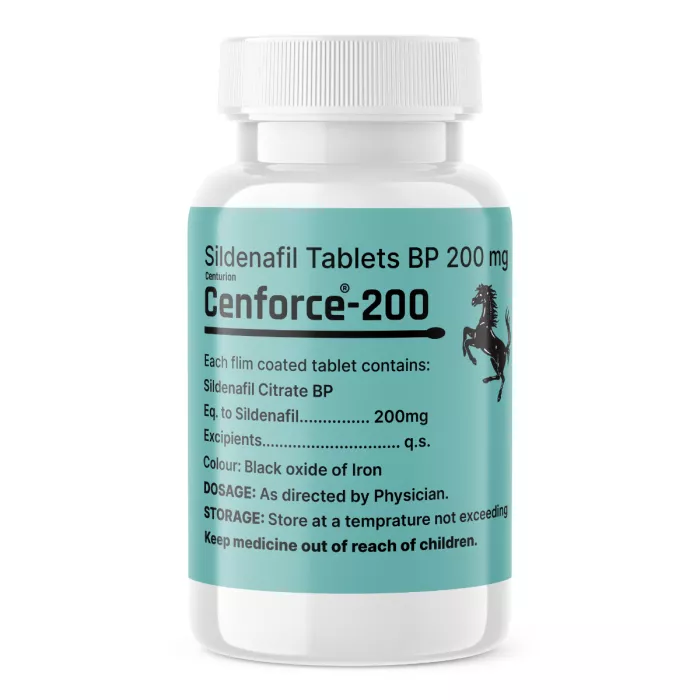
Cenforce 200 mg

Kamagra Oral Jelly Rx 100 mg
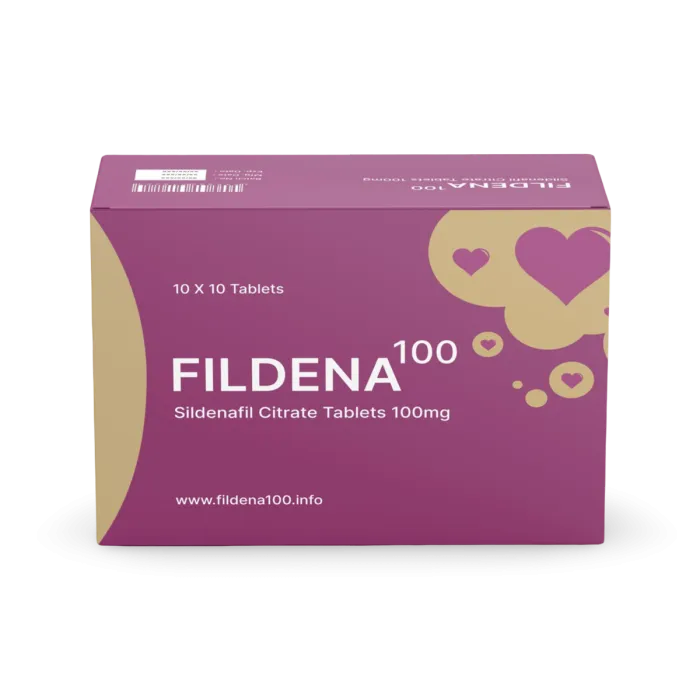
Fildena 100 mg

Vidalista 60 mg
When and how can Sildenafil be detected?
Sildenafil can only be detected if specifically tested for in a toxicology analysis. Advanced gold-standard tests such as Gas chromatography-mass spectrometry (GC-MS) or Liquid chromatography-mass spectrometry (LC-MS) can be used to detect this ED medicine.
They use the following biological samples for confirmation:
- Urine: Sildenafil metabolites (substances formed when the body breaks down the medicine) can be detectable for approximately 24 to 48 hours after a single dose.
- Blood: The parent medicine is generally measurable for up to 24 hours.
- Hair: It can reflect repeated or long-term exposure to Sildenafil (over 90 days), but this method is not part of routine screening.
- Saliva: The ED medicine remains detectable for up to 24 hours, but it is not typically included in standard testing protocols.
- Gastric content and tissues: These samples can also detect Sildenafil. However, they are reserved for rare cases, such as forensic or post-mortem investigations.
Once the sample is collected, it is tested in the laboratory to first separate Sildenafil from other substances in the sample. Then, its presence is confirmed by identifying its distinct chemical structure and molecular mass.
What causes false positive drug tests?
False positives most often occur during the initial immunoassay screening stage. As screening tests detect drug classes rather than specific chemical identities, certain medications or foods can occasionally trigger a similar antibody reaction, leading to a false-positive result. Some of the examples include:
- Decongestants containing Pseudoephedrine (can resemble amphetamines)
- Certain antidepressants, such as Sertraline, Bupropion, and Trazodone
- Antibiotics such as Rifampin (can interfere with opiate screens)
- Antipsychotic medications such as Quetiapine and Chlorpromazine
- Poppy seeds, which can mimic Morphine
Laboratory handling errors, sample contamination, or rare metabolic variations can also contribute to false positives. However, an initial positive result is not considered final. It is usually followed by confirmatory laboratory testing to identify the exact substance and verify results.
A Medical Review Officer (MRO) review to check for legitimate prescription use. If no controlled substance is confirmed, the result is corrected to negative before official reporting.
Practical guidance before a drug test while taking Sildenafil
Although Sildenafil is unlikely to interfere with standard drug panels, practical steps help avoid unnecessary concern. If a drug test is scheduled, you should:
- Continue taking Sildenafil as prescribed: Do not stop using the medicine or change the dose without medical advice.
- Disclose current prescription medicines: Inform the testing authority or healthcare professional about any prescribed medicines being used before sample collection.
- Keep proof of prescription available: Preserve a valid prescription or medicine label, as it can help verify legitimate use if questions arise later.
- Mention supplements or herbal products: Some supplements can interfere with screening tests or contain hidden ingredients not listed on the label. So, for safety, disclose them before a test.
Conclusion
Generally, Sildenafil does not cause a false positive drug test and is not included in routine testing panels. These standard testing panels are designed to detect controlled substances such as amphetamines and opioids. As Sildenafil differs from them in chemical structure, cross-reactivity during routine immunoassay screening is considered unlikely.
However, a 2023 review described rare preliminary amphetamine false positives due to Sildenafil. Yet, these findings were limited, and current research is insufficient to establish a confirmed relationship between Sildenafil and false-positive results.
As Sildenafil is not detected in standard drug testing, it can only be identified through confirmatory methods such as GC-MS or LC-MS. Also, most false positives are linked to other medications, such as certain antidepressants and antibiotics, or food such as poppy seeds.
When any initial positive result is noted, it is verified through confirmatory testing and MRO evaluation. If going from a drug test, it is best to continue taking Sildenafil as prescribed, inform the testing authority about current medicines, and keep a prescription to present to avoid unwanted consequences.

Frequently Asked Questions
Can Sildenafil be detected weeks after use?
No, Sildenafil and its metabolites are detectable in urine samples for up to 48 hours. So, detecting it weeks after use is not possible. Also, it is not detected in routine drug tests.
How is Sildenafil eliminated from the body?
Sildenafil is mainly metabolized by the liver via CYP3A4 into inactive metabolites. About 80% of it is excreted from the body in feces via bile, and 13% is excreted in urine.
How to wash out Sildenafil?
There are no reliable or medically proven methods to accelerate Sildenafil clearance from the body. Full clearance occurs on its own and usually takes 15-25 hours after a dose.
Can liver or kidney disease affect the detection time of Sildenafil?
Yes, liver impairment slows metabolism and increases Sildenafil exposure, prolonging its elimination. Severe or Chronic Kidney Disease similarly extends detection times by reducing clearance, often requiring dose adjustments. It is best to consult a doctor for an individual assessment of the severity of impairment and its impact on timing.
Cheap Medicine Shop only refers to credible, authoritative sources for our content. If you’re curious about how we ensure the integrity of our content, we encourage you to read our Content Information Policy.
Recent Web Stories