
Erection changes do become more common after 50, and many men assume this is because they are getting old. While true, aging alone isn’t what is making your erections feel weaker, less consistent, or harder to maintain. Erectile Dysfunction (ED) or persistent erectile trouble is often linked to underlying conditions such as Hypertension (High Blood Pressure), stress, low Testosterone levels, medication side effects, or lifestyle habits.
While the condition is concerning, especially if it has begun interfering with confidence and partnered intimacy, ED is not something you just have to accept and move on. Erectile Dysfunction in men over 50 is highly manageable with both natural and medical support. From adding zinc to your diet and walking daily to taking prescription pills like Viagra or Cialis, some minor changes can help you achieve firmer, longer-lasting erections.
In this article, you’ll read how common ED is after 50, what causes it and how you can fix it naturally or medically. You will also learn when it may be an early sign of a deeper neurological or cardiovascular disorder that needs evaluation.
Is Erectile Dysfunction common after 50?
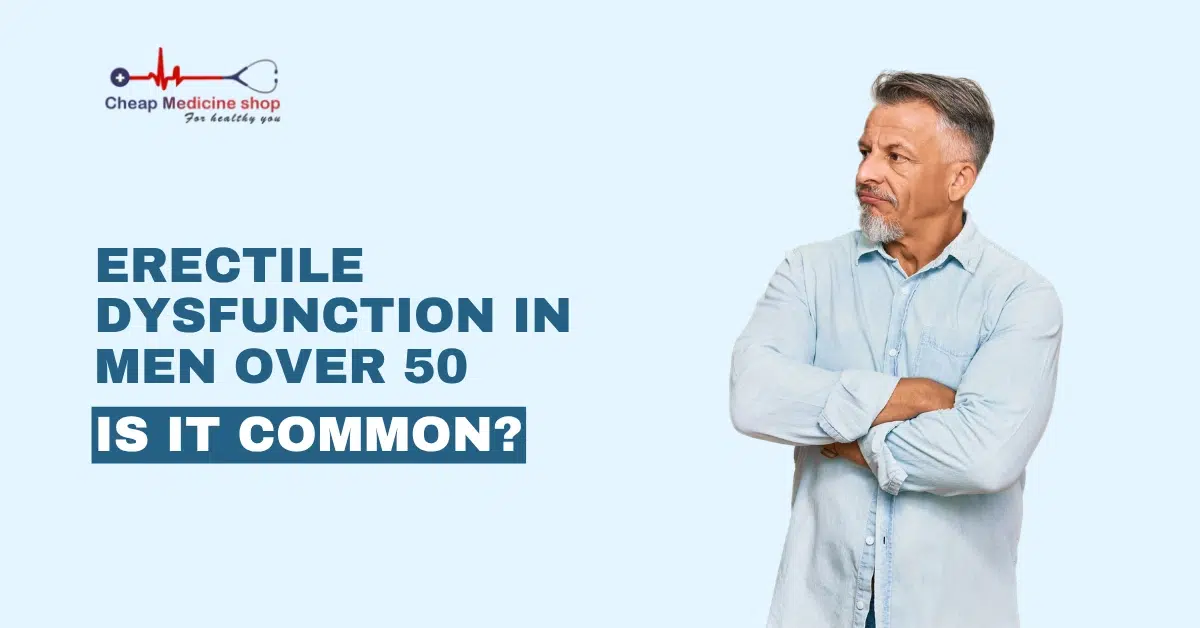
Yes, Erectile Dysfunction or Impotence is more common after 50 than in the formative years. While erections vary widely in terms of firmness, frequency, and duration, slower arousal, reduced strength, or a need for stronger stimulation can occur with age.
The Massachusetts Male Aging Study (MMAS) reported that, on average, 52% of men ages 40 to 70 had some degree of ED, with prevalence increasing by 10% every decade. It also found that complete Impotence tripled from 5% to 15% during this time.
This matches what many clinicians see in practice, too. But this does not mean it is just a normal part of aging that simply needs to be accepted. It is highly manageable once the underlying cause is identified and treated.
Save up to 90% on your medicine bills
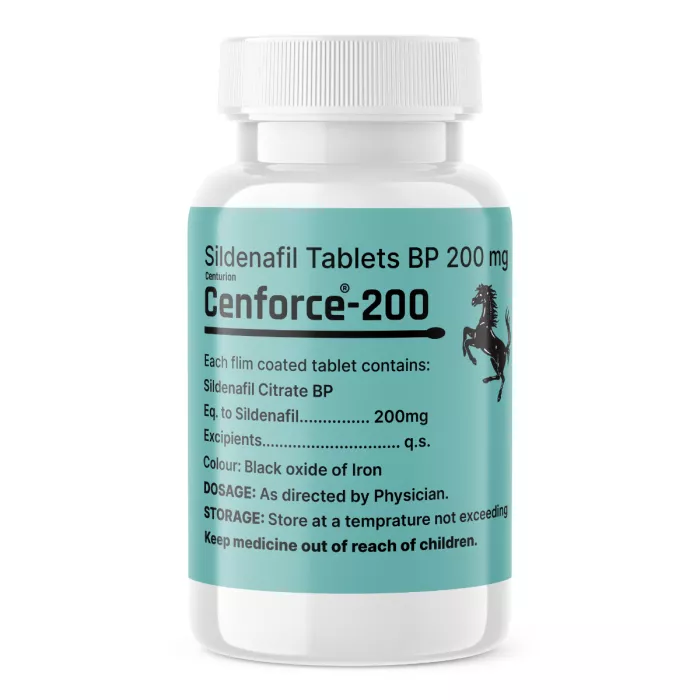
Cenforce 200 mg

Kamagra Oral Jelly Rx 100 mg
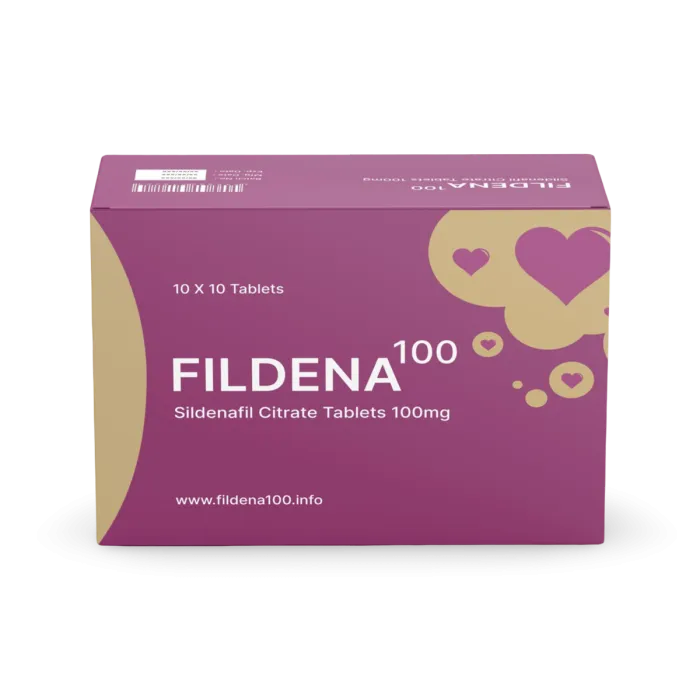
Fildena 100 mg

Vidalista 60 mg
What are the causes of Erectile Dysfunction at 50?
ED in men after 50 is caused by age-related changes in the body, other health conditions and often, medications which negatively impact erections. In many cases, more than one factor is involved, which requires a thorough diagnosis by a specialist.
Physical causes
As men age, reduced blood flow due to constricted blood vessels or plaque buildup (Atherosclerosis) makes erections less reliable. Other reasons that contribute significantly to erectile issues include:
- Hypertension, Diabetes, and High Cholesterol: These conditions can damage blood vessels and nerves over time. This directly affects the body’s ability to get and maintain an erection.
- Heart disease and Obesity: Since men with heart disease or Obesity are more likely to have poorer vascular health, they are more likely to develop ED, especially after 50.
- Low Testosterone: Testosterone naturally declines with age in most men, starting at age 40 with a dip of almost 1% per year. Low levels can cause low libido or weak erections, especially when combined with other health issues.
- Medication side effects: Some antidepressants, beta-blockers, and blood pressure medicines can contribute to erectile issues by either altering blood flow or nerve signals. If your symptoms began after a new prescription, discuss the same with your doctor.
Mental and emotional causes
Even when the physiological processes are working properly, emotional and psychological triggers can interfere with arousal and sexual response. These include:
- Performance Anxiety and stress: The pressure to perform well in the bedroom can cause Sexual Performance Anxiety. This can begin a repeating cycle of stress to satisfy your partner, experiencing weak or soft erections and then, once again, worrying about it.
- Depression and mood disorders: Depression can greatly affect your sexual desire and performance. Low energy, lack of motivation, and feelings of hopelessness can also directly impact sexual function, often leading to ED.
- Relationship issues: Ongoing conflicts, poor communication or a lack of emotional intimacy in a relationship can diminish sexual desire and arousal.
- Low self-esteem: Feelings of inadequacy, whether due to body image issues, aging, or past experiences, can erode confidence in sexual situations. This lack of confidence can lead to Psychological ED, even when a physical cause is absent or minimal.
- Chronic stress: Long-term stress from work, financial pressures, or personal problems can raise cortisol levels and cause mental fatigue. In men over 50, this can disrupt arousal and reduce the ability to maintain firm erections.
Lifestyle-related causes
Certain lifestyle habits, such as smoking or poor sleep, not only affect your overall health but also impact circulation and erections. These include:
- Smoking: It damages blood vessels and reduces circulation, which directly affects erectile function.
- Heavy alcohol use: Drinking too much can weaken erections in the short term and worsen ED risk over time.
- Inactivity and weight gain: Lack of exercise and excess weight are linked with poorer cardiovascular health, one of the primary causes of Erectile Dysfunction in older men.
- Poor sleep: Poor sleep can affect hormone balance, energy, and sexual performance. In some cases, untreated sleep problems add to ED symptoms.
How to treat ED in men over 50 with medical support
In older men, treating ED means improving blood flow with pills like Viagra, reviewing current medications, and addressing psychological conditions simultaneously.
Prescription ED medications
Phosphodiesterase type 5 (PDE5) inhibitors are the first-line medical treatment for Erectile Dysfunction, regardless of age. These improve blood flow to the penis and help men achieve and maintain an erection when sexually aroused. According to the severity of Impotence and your needs, you can be prescribed:
- Sildenafil: Popular under brand-name Viagra, Sildenafil starts acting in 30-60 minutes and provides effective results for 4-6 hours after intake.
- Tadalafil: It works similarly to Sildenafil but has a longer half-life, allowing it to be effective for up to 36 hours. Sold under the brand-name Cialis, it is known as the weekend pill.
- Vardenafil: This ED medicine is known for its reliable performance, with an onset time of 25-60 minutes and a duration of action lasting up to 5 hours.
- Avanafil: This newer-generation PDE5 is one of the quickest-working medications, with effects starting within 15-30 minutes. It lasts for 4-6 hours, depending on individual metabolism, food intake and concurrent medications.
Other medical options
For men who do not respond to oral medications or do not prefer popping pills, other medical options can be prescribed, including:
- Penile injections: This treatment involves injecting a medication (Alprostadil) directly into the penis to cause an erection. It helps get an erection within 20 minutes and remains effective for up to an hour. It is highly effective for men with severe ED.
- Testosterone Replacement Therapy (TRT): It is prescribed when erection problems or low libido is caused by low testosterone levels. It is available in several forms, including injections, patches, and gels.
- Counseling and therapy: Since psychological factors, such as stress, Anxiety, and Depression, often play a significant role in ED, addressing these mental health issues through Cognitive Behavioral Therapy (CBT) or sex therapy can improve erectile function.
- Vacuum Erection Device (VED): A VED uses a vacuum pump to draw blood into the penis, creating an erection. A ring is placed at the base of the penis to maintain the erection during intercourse. It delivers immediate results and is best suited for older men who want a non-invasive, drug-free option.
- Penile implants: This is a surgical option in which a device is placed inside the penis to help produce an erection when needed. They offer a permanent solution for men with severe or long-term Erectile Dysfunction.
How to prevent Erectile Dysfunction at 50 naturally
When ED is linked to improper blood circulation, weight gain, poor sleep or stress, specific lifestyle changes have improved symptoms in obese men aged 35-55. Backed by studies, these measures can improve blood flow, energy, and sexual confidence over time.
- Follow a heart-healthy diet: A Mediterranean-style diet, filled with fruits, vegetables, whole grains, and lean proteins, supports healthy blood flow. This is one of the healthiest ways to manage Erectile Dysfunction at 50 naturally.
- Exercise regularly: Consistent pelvic floor (Kegel) exercises help strengthen muscles that support both erection and ejaculation. Regular physical activity, such as walking, light jogging and squats, improves circulation and can make erections more reliable.
- Quit smoking and limit alcohol: Cutting back on both can improve cardiovascular health and erectile function. It can also lower the future risk of sexual dysfunction.
- Manage underlying conditions: Keeping health conditions such as Diabetes, Hypertension (High Blood Pressure) and High Cholesterol under control can help slow the progression of ED.
- Sleep better: Men who sleep better often notice improvements in sexual performance and desire.
- Manage stress: A consistent sleep routine and relaxation techniques like yoga or breathing exercises support healthier erections and sexual stamina.
- Try old-time remedies or supplements: Herbs, such as Panax Ginseng, Yohimbine, or Horny Goat Weed, as well as L-Arginine or Zinc supplementation, can help improve erections in men over 50.
When to consult a doctor for ED?
Erectile Dysfuntion in men after 50 can sometimes be more than just a part of normal aging and instead, a sign of a developing condition. Because the blood vessels in the penis are smaller than those in your heart, Coronary Artery Disease or Stroke often show up as ED before other cardiovascular symptoms become obvious. Thus, you should take your erectile troubles more seriously if:
- They came on suddenly, maybe due to severe stress or new medications.
- You also have Diabetes, High Blood Pressure (Hypertension), High Cholesterol, or heart disease.
- They are accompanied by low libido or fatigue, which could indicate Low Testosterone.
- You feel distressed, embarrassed, or it is affecting your relationship.
- You get short-lived erections or lose erections during sex despite adequate stimulation.
- You have no nocturnal and no morning erections.
Persistent ED requires a thorough evaluation. A healthcare professional will help identify possible physical, hormonal, or psychological causes and personalize a treatment plan for you.
Conclusion
Erectile Dysfunction in men over 50 is common, but it is not something men simply have to accept. After 50, ED is more often linked to reduced blood flow, Diabetes, High Blood Pressure (Hypertension), High Cholesterol, weight gain, medication side effects, stress, or Low Testosterone than to age alone. The good news is that many of these causes can be improved, treated or managed.
Natural methods such as exercise, weight control, better sleep, reduced alcohol intake, and quitting smoking can help improve erections. However, for diagnosed ED, prescription medications, vacuum pumps, or counseling are recommended, depending on the cause of Impotence.
If erectile issues occur suddenly or you lose morning erections, they should be discussed with a doctor. For men with underlying health conditions like Hypertension and Diabetes, this evaluation becomes even more important as it could be indicative of a worsening cardiovascular issue.

Frequently Asked Questions
Do all older men have Erectile Dysfunction?
No, not all older men have Erectile Dysfunction, as many males over 50 or 60 still have satisfying sexual function. Even though aging does increase the risk of ED blood vessel disease, Diabetes, Hypertension (High Blood Pressure), and medication side effects also contribute to it.
Can ED be reversed in older men?
While ED can improve in older as well as younger men when the underlying cause is addressed, reversal of the condition will depend on the severity of symptoms and overall health. Better control of blood sugar, blood pressure and cholesterol, along with ED medicines such as Sildenafil or Tadalafil, should help manage ED effectively.
What is the best treatment for ED in men over 50?
The best treatment for ED in men over 50 is often a combination of oral PDE5 inhibitors like Viagra or Cialis and healthy lifestyle changes such as regular exercise and a better diet. For more severe cases, doctors might suggest vacuum devices or injections.
How can telemedicine platforms help older men with ED?
Telemedicine platforms help older men with ED by offering private consultations, symptom review and medication assessment online. They also provide follow-up care from licensed clinicians without the need for an in-person visit. This makes it easier for the elderly to discuss sensitive concerns more conveniently.
What should I know while dating an older man with Erectile Dysfunction?
Dating an older man with Erectile Dysfunction requires patience, open communication, and the willingness to support their treatment plan. Low-pressure discussions and redefining intimacy as a couple can improve both confidence and mutual pleasure.
Cheap Medicine Shop only refers to credible, authoritative sources for our content. If you’re curious about how we ensure the integrity of our content, we encourage you to read our Content Information Policy.
Recent Web Stories