
Some medicines used for Type 2 Diabetes also help with weight loss. They reduce appetite, slow digestion, and improve blood sugar, all at once.
That dual benefit matters. More than 40 million Americans live with Diabetes, and 90 to 95% of them have Type 2. For many of them, weight and blood sugar are tied together, so a single treatment that supports both goals is often the simpler path.
You may be reading this because you want treatment that supports both blood sugar control and weight management. Or you may not have the condition and want to know whether some of these medicines can also be prescribed as part of medical treatment for obesity or overweight. In some cases, they can, but only with a doctor’s prescription and ongoing supervision.
This article covers which Diabetes medicines actually help with weight loss, how much you can expect to lose, when to be cautious, and how long treatment usually continues.
Diabetes medicines for weight loss
Diabetes medicines used for weight loss do not all work in the same way. Glucagon-like Peptide-1 (GLP-1) medicines and Tirzepatide are usually the main options linked with meaningful weight loss. Metformin and Sodium-glucose Cotransporter 2 (SGLT2) inhibitors can support mild weight changes, but they are not dedicated obesity treatments.
Here is how the four main classes compare:
| Medicine type | Weight loss effect | How it works | Use case |
|---|---|---|---|
| GLP-1 receptor agonists | Moderate to high | Mimic a gut hormone that lowers appetite and slows digestion | Type 2 Diabetes or medical weight management |
| Dual GIP / GLP-1 (Tirzepatide) | High | Work on two gut hormone pathways to improve fullness and glucose control | Type 2 Diabetes or medical weight management |
| Metformin (Biguanide) | Small | Lowers sugar made by the liver; improves insulin sensitivity | Type 2 Diabetes, Prediabetes, or insulin resistance (off-label for weight) |
| SGLT2 inhibitors | Mild | Helps the kidneys flush extra sugar out through urine | Type 2 Diabetes, with selected heart or kidney benefits (off-label for weight) |
These are prescription Type 2 Diabetes medicines; doctors usually consider prescribing weight-loss treatment for people with Obesity, defined as a Body Mass Index (BMI) of 30 or higher. They can also consider it for people who are overweight, with a BMI of 27 or higher, and have a weight-related condition such as High Blood Pressure, High Cholesterol, or Sleep Apnea.
Save up to 90% on your medicine bills
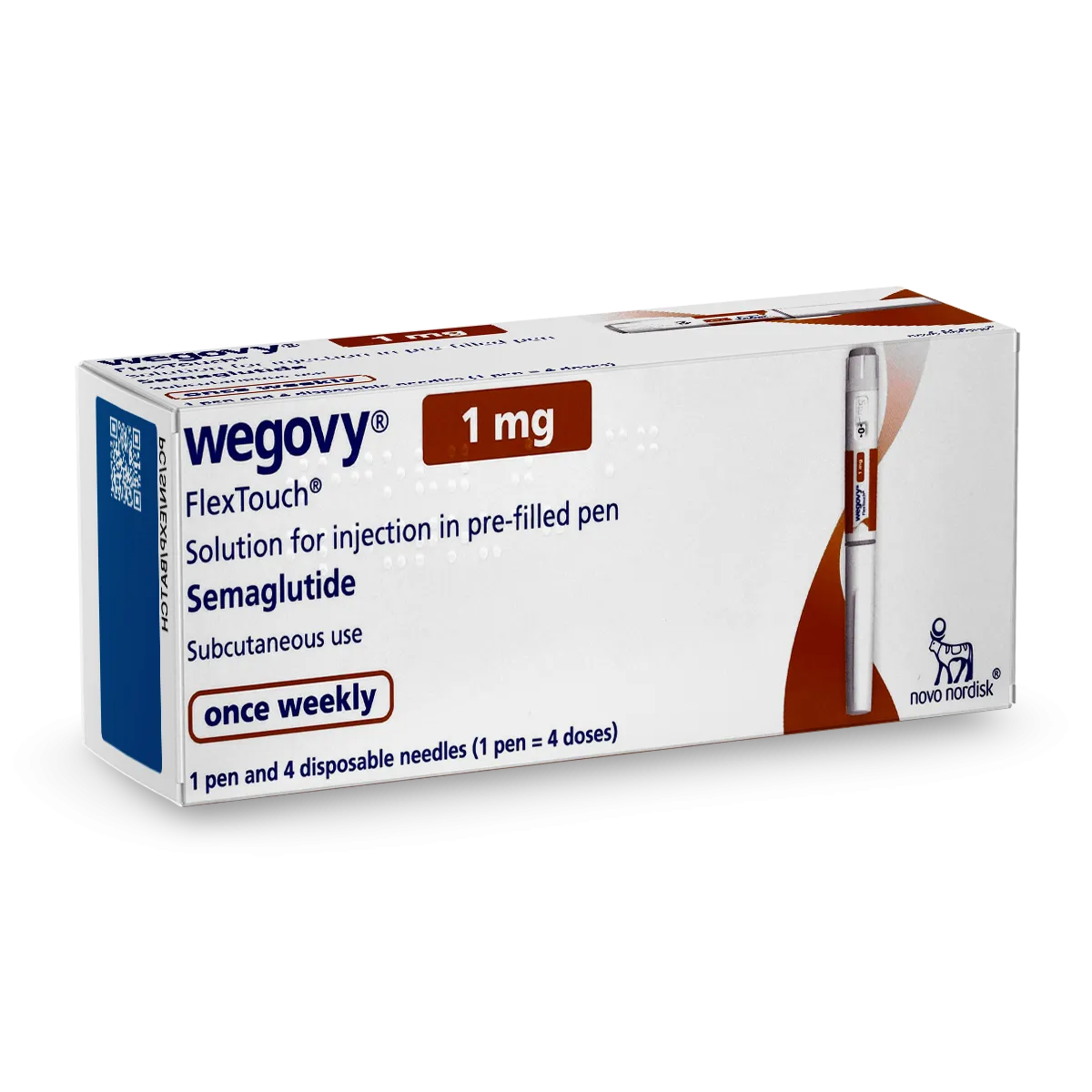
Wegovy 1mg
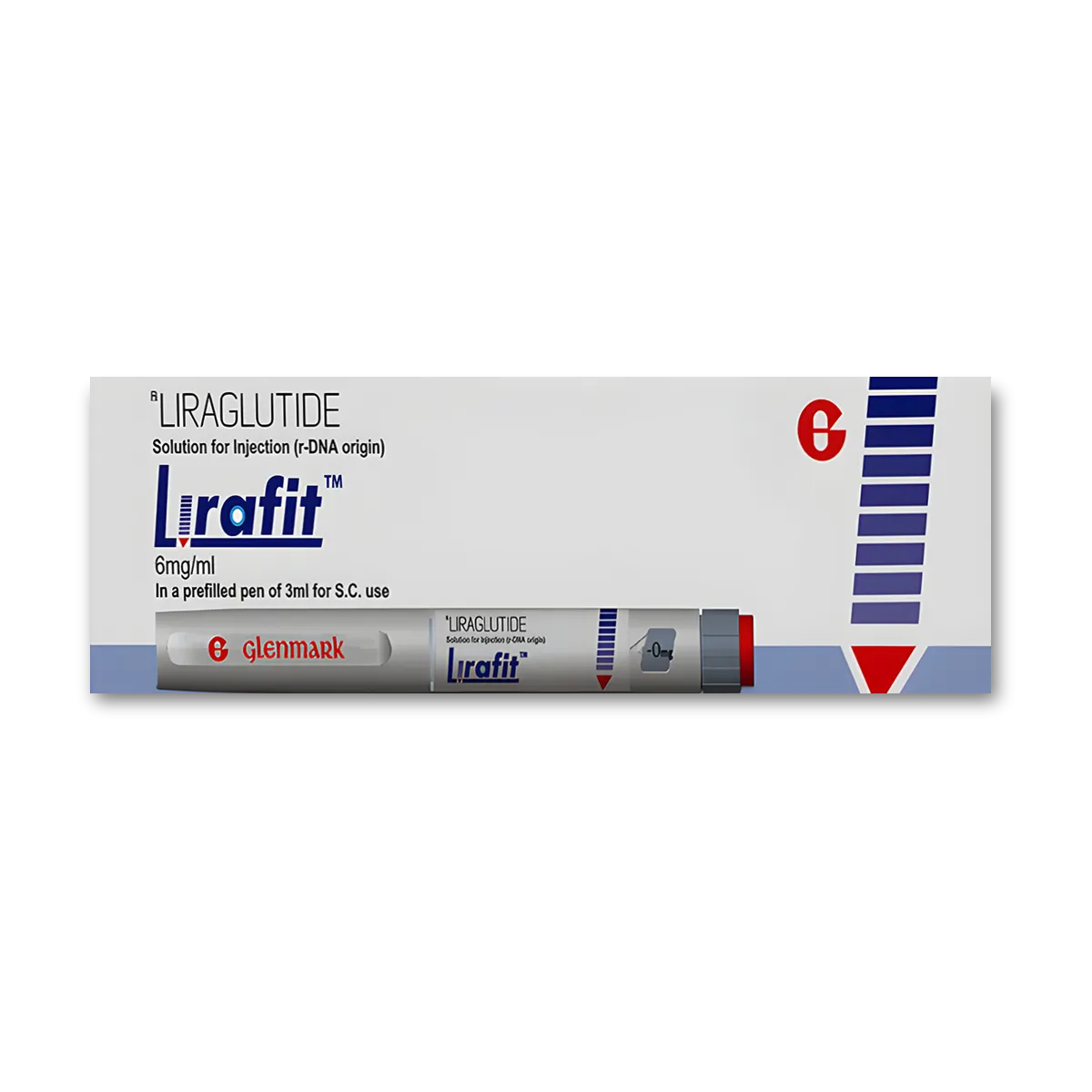
Lirafit Solution for Injection
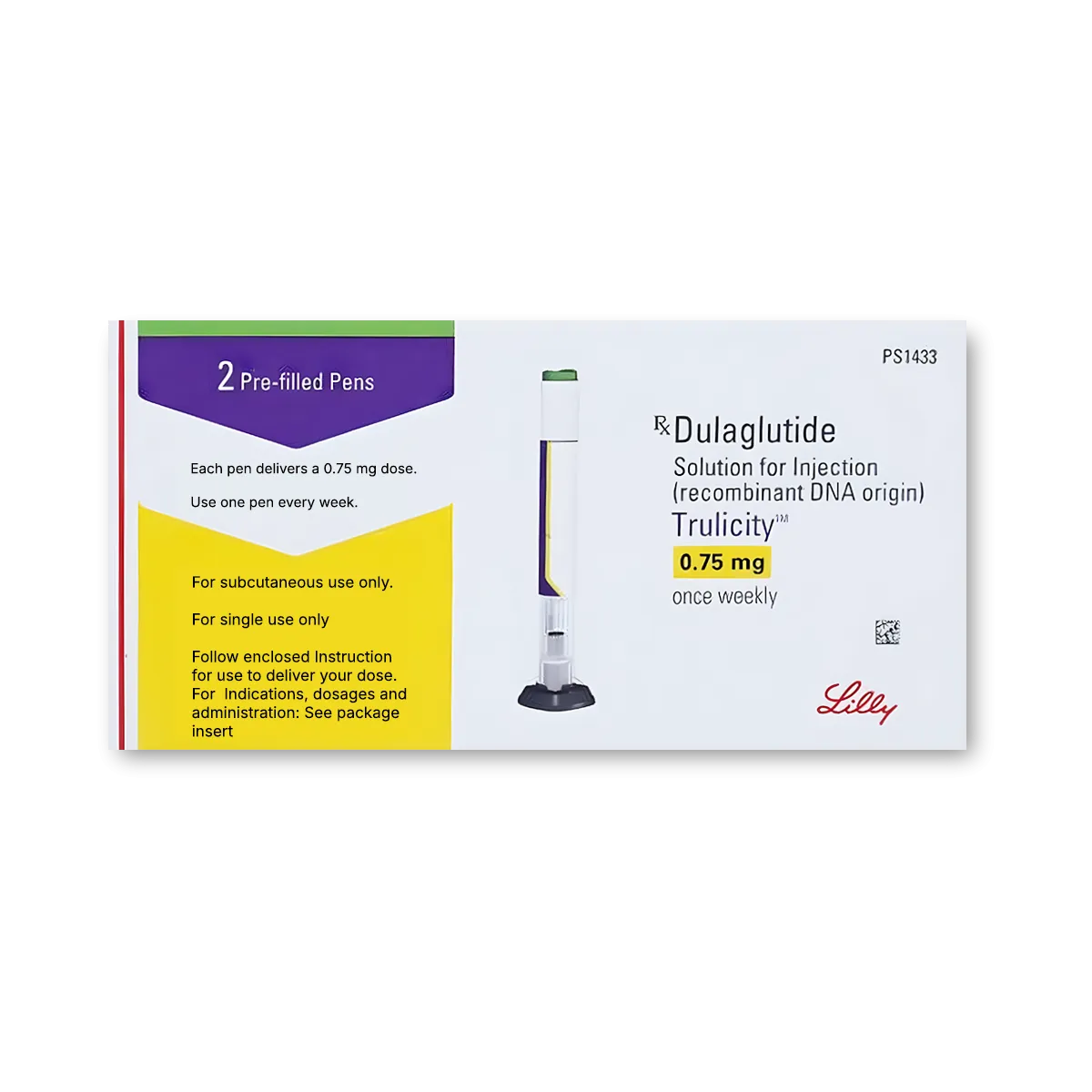
Trulicity 0.75mg Pre-Filled Pen
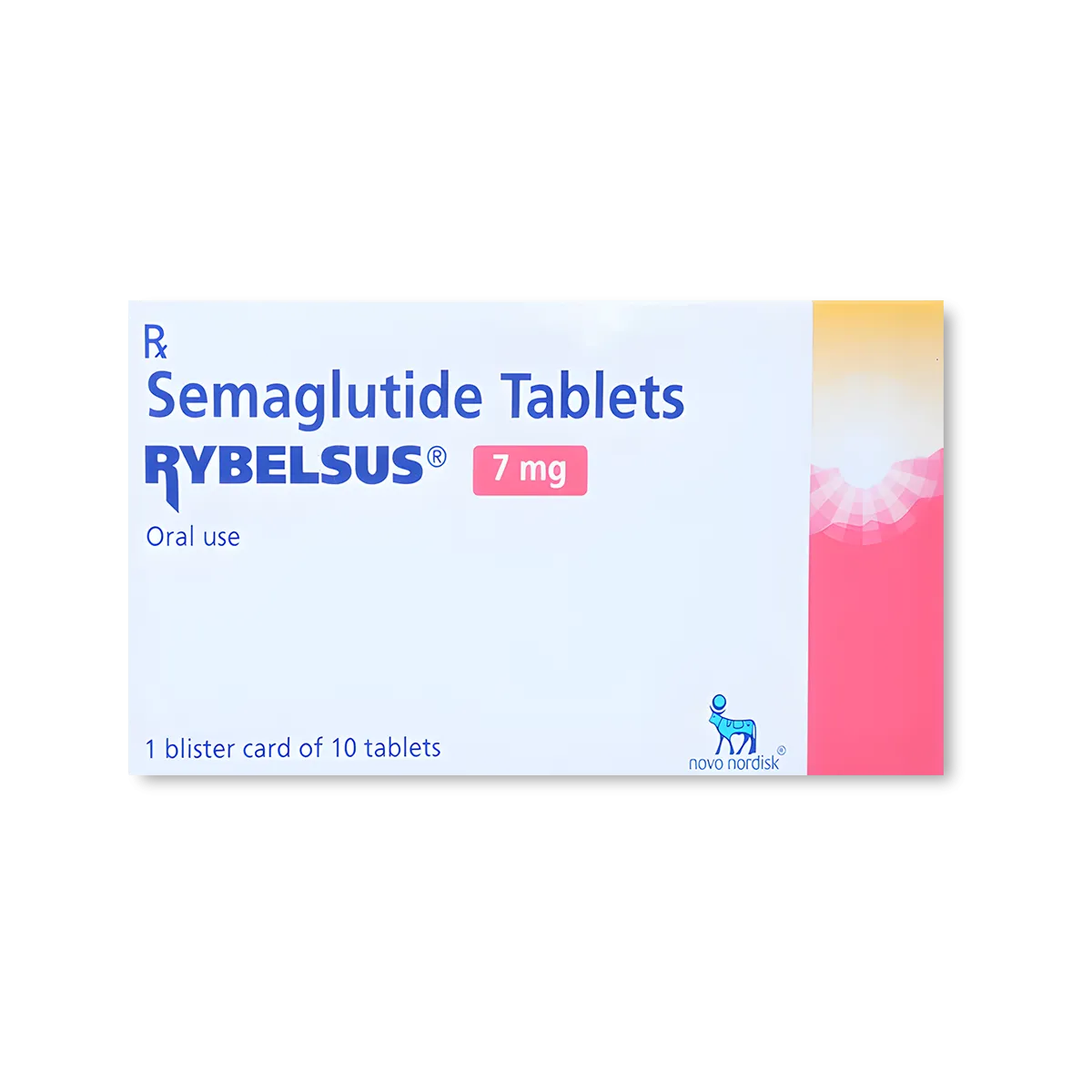
Rybelsus 7mg Tablet
1. GLP-1 receptor agonists
Glucagon-like Peptide-1 is a hormone your gut releases after meals; GLP-1 medicines copy that hormone. They help you feel full sooner, slow how fast food leaves your stomach, and help your pancreas release insulin when blood sugar is high.
- How they help: They make you feel full faster and stay full longer, and can also reduce cravings, and as a result, you eat less. Most GLP-1 medicines are once-weekly injections, though Liraglutide is a daily injection and Rybelsus is a daily tablet, the only oral option in this class.
- What results to expect: Hunger can reduce within a few weeks, and blood sugar can improve in 1 to 2 weeks. Noticeable weight loss often appears after 1 to 3 months, with continued loss over 6 to 12 months.
- Common side effects: Nausea, vomiting, diarrhea, constipation, or stomach discomfort, mostly in the first few weeks or after a dose increase. These usually settle as your body adjusts.
- Examples: Semaglutide (Ozempic, Rybelsus, Wegovy), Liraglutide (Victoza, Saxenda), Dulaglutide (Trulicity, mainly used for blood sugar).
2. Dual GIP and GLP-1 receptor agonists
This newer class works on two gut hormones at once, GLP-1 and GIP, which stands for Glucose-dependent Insulinotropic Polypeptide. Acting on both pathways provides stronger appetite control and often results in greater weight loss than GLP-1 alone.
- How they help: The combined hormone effect helps you feel full for longer and lowers your appetite. This can make portion control easier without feeling as hungry.
- What results to expect: The timeline is similar to GLP-1 medicines, but weight loss can be greater for some people. Appetite changes can begin within weeks, while clearer weight changes often appear from month 2 or 3 onward.
- Common side effects: The same gut-related effects as GLP-1s, such as nausea, diarrhea, constipation, vomiting, and stomach discomfort, can occur, especially when starting treatment or increasing the dose.
- Examples: Tirzepatide is found in Mounjaro for Type 2 Diabetes and Zepbound for weight management. Both contain the same active ingredient but are approved for different uses, so they should not be switched without medical advice.
3. Metformin
Metformin is an older oral Diabetes tablet that works mainly in the liver. It lowers the amount of sugar the liver releases between meals and helps the body respond better to insulin. It belongs to a medicine class called Biguanides.
- How it helps: Metformin has a modest effect on weight; it does not suppress appetite or slow digestion like GLP-1 medicines. Some people lose a few pounds, while others stay weight-stable, which is still better than the weight gain that comes with some other Diabetes medicines.
- What results to expect: Any weight change with Metformin is usually small and gradual. It often occurs over months, especially when combined with diet changes, increased activity, and better management of insulin resistance.
- Common side effects: Stomach upset, nausea, loose stools, gas, and a metallic taste can occur, especially at the start. These effects are often milder when Metformin is taken with meals.
- Examples: Glucophage, Glucophage XR, Glumetza, Fortamet, Riomet, and generic Metformin.
4. SGLT2 inhibitors
SGLT2 stands for Sodium-glucose Cotransporter 2, a protein in your kidneys that normally pulls filtered sugar back into your blood. These tablets block that protein, so extra sugar leaves the body through urine.
- How they help: Losing SGLT2 inhibitors flushes out excess sugar calories in urine, leading to weight loss. The weight-loss effect is usually mild and works alongside diet and activity. In selected cases, doctors can prescribe them off-label for weight support, but blood sugar, heart, and kidney benefits are usually the main reasons they are prescribed.
- What results to expect: Weight loss is usually small and gradual. Some people notice a few pounds of weight reduction over several weeks to months.
- Common side effects: More frequent urination, thirst, Urinary Tract Infections (UTIs), genital yeast infections, and dehydration can occur in some people.
- Examples: Dapagliflozin, sold as Farxiga; Empagliflozin, sold as Jardiance; Canagliflozin, sold as Invokana; and Ertugliflozin, sold as Steglatro.
When to avoid these medicines
Diabetes medicines used for weight loss are not suitable for everyone. Tell your doctor before starting treatment if you:
- Are pregnant, planning a pregnancy, or breastfeeding.
- Have had Pancreatitis, gallbladder disease, kidney problems, dehydration risk, or severe stomach-emptying issues.
- Have a personal or family history of Medullary Thyroid Carcinoma, a rare Thyroid Cancer, or Multiple Endocrine Neoplasia Syndrome Type 2 (MEN2).
- Take medicines that can interact, including insulin, sulfonylureas, diuretics, or other blood sugar-lowering medicines.
Share your full medicine list and medical history before starting. This includes prescription medicines, over-the-counter products, and supplements.
These medicines are usually long-term treatments, not short courses. Your doctor will review your progress, side effects, blood sugar, weight, and overall health before deciding whether to continue, adjust, or stop treatment. If treatment stops, weight and blood sugar can return to earlier levels, so follow-up visits and a long-term plan matter.
Conclusion
Diabetes medicine for weight loss can help, but the right choice depends on how much weight support you need and whether blood sugar control is also a goal. If you need stronger appetite control, your doctor may consider GLP-1 medicines such as Semaglutide, Liraglutide, or Dulaglutide. These can reduce hunger within weeks and show clearer weight changes in 1 to 3 months.
If you need a stronger option, Tirzepatide, found in Mounjaro and Zepbound, works on two gut hormone pathways and can lead to greater weight loss. Metformin can help if insulin resistance or Prediabetes is part of the concern, but results are usually small.
SGLT2 inhibitors such as Farxiga or Jardiance primarily support blood sugar control, heart health, and kidney function, with mild weight loss. Always review pregnancy plans, Pancreatitis risk, kidney issues, and current medicines with your doctor before starting.

Frequently Asked Questions
Is Ozempic approved for weight loss?
No, Ozempic is a brand name for Semaglutide approved specifically for Type 2 Diabetes. Wegovy has a higher dose of Semaglutide and is the version approved for weight management. A doctor decides which Diabetes medicine for weight loss is appropriate based on your diagnosis, weight, and health.
What should you do if you miss a weekly Semaglutide injection?
If you miss a weekly Semaglutide injection, take it within 5 days if you can. If more than 5 days have passed, skip that dose and take the next one on your regular day. Do not take two doses close together to catch up, because this can increase side effects.
Does health insurance cover Semaglutide or Tirzepatide for weight loss?
Yes, Semaglutide and Tirzepatide can be covered by health insurance, but it depends on the plan. Coverage is more common when they are prescribed for Type 2 Diabetes than for weight loss alone. Without coverage, out-of-pocket costs can be very high, so check with your insurer first.
Does oral Semaglutide have to be taken on an empty stomach?
Yes, oral Semaglutide needs to be taken on an empty stomach to work properly. Take it first thing in the morning with a small amount of plain water, then wait at least 30 minutes before eating, drinking other fluids, or taking other oral medicines.
Do GLP-1 medicines work without changes to diet or exercise?
Yes, GLP-1 medicines can work without formal diet or exercise changes. They may still reduce appetite and support weight loss on their own. However, results are usually better and more sustainable when the treatment is combined with healthier eating habits and regular physical activity.
Which is stronger for weight loss, Ozempic or Mounjaro?
Mounjaro is generally stronger for weight loss than Ozempic. Tirzepatide, the active ingredient in Mounjaro, acts on two gut hormone pathways, while Semaglutide in Ozempic acts on one. This can lead to greater average weight loss, but the right choice still depends on your doctor’s advice.
Does alcohol affect Semaglutide or SGLT2 inhibitor treatment?
Yes, alcohol can affect both Semaglutide and SGLT2 inhibitor treatment. It can worsen nausea and dehydration with Semaglutide. With SGLT2 inhibitors, it may increase the risk of Diabetic Ketoacidosis, a rare but serious complication. Ask your doctor how much alcohol, if any, is safe with your medicine.
Cheap Medicine Shop only refers to credible, authoritative sources for our content. If you’re curious about how we ensure the integrity of our content, we encourage you to read our Content Information Policy.