

A decline in sexual desire, or libido, is common for women after 60. It is primarily influenced by menopause, which lowers estrogen and testosterone levels, affecting lubrication, sensitivity, blood flow, and overall arousal. Age-related health conditions, fatigue, emotional stress, and discomfort during intercourse may also contribute to reduced interest over time.
However, sexual desire does not disappear permanently with age; it just dips. With appropriate understanding and support, it can improve gradually. Learning how to increase female libido after 60 involves addressing physical comfort, emotional well-being, and overall health.
Targeted lifestyle measures, intimacy-supportive practices, and medical options can help improve responsiveness and satisfaction. This article explains 9 practical, evidence-based approaches to support female libido and improve sexual confidence.
Natural and medical ways to improve female libido after menopause
Women over 60 can benefit from numerous natural ways to bring back their libido. Natural approaches focus on rebuilding comfort, stimulation, and emotional safety, which help boost libido indirectly. These methods support the body’s natural response to intimacy and are often effective when used consistently.
1. Increase stimulation and sexual frequency
After 60, arousal usually requires more time and stimulation than in premenopausal days. Longer foreplay, such as kissing, gentle touch and massage, can help build a mood for intimacy. Manual or oral stimulation and focusing on pleasure rather than penetration can also help activate the sexual response better.
Prolonged absence of sexual activity can also cause dips in libido. So, maintaining regular sexual activity, including solo stimulation and partnered intercourse, maintains blood flow and sensitivity, supporting postmenopausal sex drive.
Save up to 90% on your medicine bills

Lovegra 100 Mg

Femalegra 100 Mg

Super Lovegra Tablet
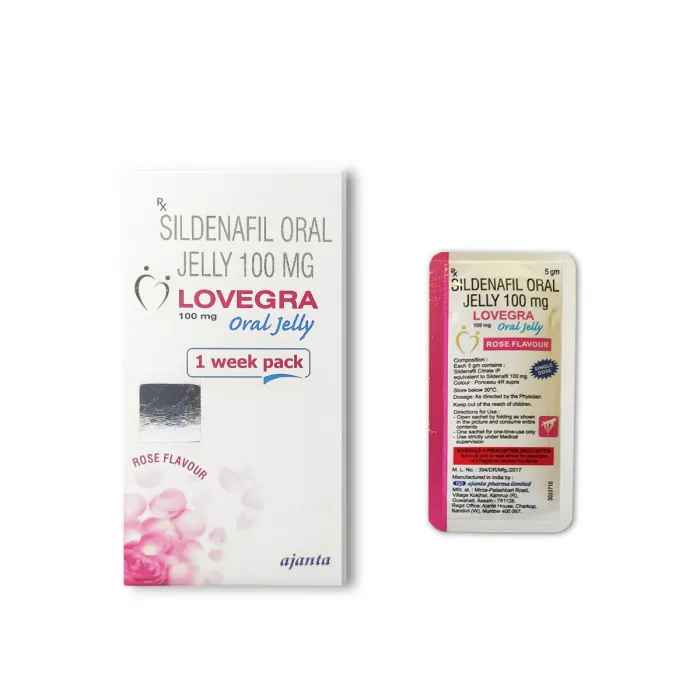
Lovegra Oral Jelly
2. Nutrition for hormonal balance
Balanced nutrition supports energy levels and hormonal balance in women over 60. Eating phytoestrogen-rich foods like soy products (tofu, edamame), flaxseeds, and sesame seeds can mimic estrogen effects.
Consuming omega-3 sources, such as salmon, walnuts, and chia seeds, in the diet can help reduce inflammation and improve blood flow to the genitals. This leads to better arousal and a more responsive experience to stimulation. Moreover, zinc-rich foods such as oysters and pumpkin seeds, as well as lean proteins, can also boost testosterone and desire in women.
3. Healthy lifestyle changes
Modifying lifestyle to incorporate healthy habits can significantly improve sex drive in postmenopausal women. Light exercises for libido can improve blood circulation and mood, promoting better sexual function in females.
Incorporating low-impact activities, such as walking or swimming, for 30 minutes daily can boost pelvic blood flow. They also increase endorphins (hormones that act as natural painkillers) without straining the joints. So, it can benefit those who experience pain during intercourse.
Additionally, prioritizing 7-9 hours of quality sleep with a consistent bedtime, and limiting alcohol and quitting smoking, can also preserve vascular health for arousal.
4. Stress management
At any stage of life, stress is a major factor that can reduce libido. Reducing stress supports sexual wellness and libido alongside quality sleep. Practicing mindfulness meditation, yoga, or deep breathing for 10 minutes daily lowers the stress hormone cortisol, elevated levels of which suppress libido.
Besides solo stress management, building emotional closeness with the partner can also help restore desire. Activities like scheduled date nights or open communication about desires can rebuild trust and reduce anxiety, which is beneficial for libido.
5. Herbal supplements for libido support
Herbal supplements such as ginseng, maca root, and ashwagandha are commonly used to support energy and improve female arousal. While scientific evidence is limited, some women report improved desire after using these supplements.
However, it is essential to use them cautiously after reading the label and discussing with a healthcare provider, as many supplements can interact with medicines and cause side effects. Never purchase them from unreliable sources, as those may not meet safety standards or contain harmful ingredients.
In some cases, natural remedies are not enough to boost libido and medical treatments are required. They help address the physical changes that happen after menopause and with age, such as vaginal dryness, reduced sensitivity, and slower arousal. However, it’s essential to use them only under a doctor’s guidance to stay safe.
6. Lubricants and vaginal moisturizers
Reduced natural lubrication is a major cause of low desire as it can cause pain during intercourse, which creates a fear or avoidance of intimacy. Lubrication significantly decreases in the 60s, due to declining estrogen.
Over-the-counter (OTC) options like water-based or silicone-based lubricants reduce irritation due to friction during sex, and vaginal moisturizers applied several times a week improve tissue hydration and elasticity. For severe dryness, medical-grade lubricants and long-acting prescription moisturizers provide stronger relief when OTC products are insufficient.
These options enhance comfort, reduce avoidance of intimacy, help maintain regular sexual activity, and lead to improved arousal and interest.
7. Local estrogen therapy
This therapy improves vaginal dryness, thickness, and sensitivity to manage Dyspareunia (pain during intercourse). It restores comfort and blood flow, making arousal easier and intimacy more enjoyable. Available options include creams, tablets, or rings.
Another option is Vaginal DHEA (Prasterone), which only acts locally in the vaginal tissues. It works by converting into small amounts of estrogen and testosterone directly in the vagina. This improves lubrication and nerve sensitivity, which helps enhance libido without significantly affecting the overall hormonal balance in females.
8. Non-hormonal medicine
Ospemifene is a non-hormonal oral medicine that improves the health and elasticity of vaginal tissues. It does not directly boost libido. However, it reduces pain and vaginal dryness during intimacy, making intercourse more comfortable and enjoyable, which can help boost sexual desire.
9. Off-label medicines and therapy
Some medications are prescribed off-label under the supervision of a medical professional. Low-dose testosterone therapy can improve sexual arousal, motivation, and responsiveness in selective postmenopausal women.
Sildenafil medicines like Lovegra have also been used off-label to improve genital blood flow, supporting physical arousal when desire is present but response is weak.
When to consult a doctor for low libido?
Generally, most females over 60 can improve or stabilize their libido with a combination of lifestyle adjustments and open communication with partners. However, there are cases where low libido remains persistent or worsens despite these efforts.
So, you should consult a doctor if low libido is:
- Persistent or worsening
- Associated with pain, bleeding, or severe dryness
- Causing emotional distress
- Not improving with natural remedies or lifestyle changes
In such cases, medical evaluation helps identify hormonal issues, medications causing low libido as a side effect, or vaginal health problems and ensures safe, effective treatment choices.
Conclusion
To increase female libido after 60, natural methods such as extended foreplay, frequent sexual encounters, lubrication, and stress management can help. Foods high in omega-3s, lean proteins, and zinc can also rebuild sexual desire. Some women can also find herbal remedies like ashwagandha helpful.
When natural remedies are not enough, medical options are also available to enhance libido. Local estrogen therapy, vaginal DHEA, Ospemifene, and off-label medicines like Sildenafil, when used under guidance, can help restore vaginal health, sensitivity, and arousal. Prescription and OTC lubricants can also reduce dryness and make intercourse more comfortable.
By combining natural methods with appropriate medical interventions, women can boost libido, improve arousal, and enjoy fulfilling sexual relationships well into menopause.

Frequently Asked Questions
Does menopause make sexual desire go away completely?
No, menopause does not make sexual desire disappear completely in all women. While hormonal changes can reduce libido or slow arousal, many women continue to feel interest in intimacy. However, individual experiences vary. If you experience a complete loss of desire, consult a doctor for advice.
Can women use Viagra for libido?
No, women cannot use Viagra, as it is not approved for women and does not increase sexual desire. It is designed to treat only Erectile Dysfunction (ED) in adult men. Doctors canprescribe off-label alternatives for females, such as Lovegra.
What drink can arouse a woman?
No drink can directly arouse a woman. However, certain beverages can indirectly support it by improving blood flow or promoting relaxation. Warm cocoa, ginseng tea, or a small amount of red wine can help create the right physical or mental conditions for arousal, especially when combined with stimulation and emotional comfort.
Can menopausal women use Flibanserin?
No, Flibanserin is approved only for premenopausal women with low sexual desire and is generally not recommended for menopausal women. Its safety and effectiveness after menopause are limited. Doctors usually consider other treatment options better suited for this age group.
Can medications affect libido in older women?
Yes, medicines prescribed for blood pressure, Depression, sleep, or chronic pain can reduce sexual desire or arousal. A doctor can review medications and adjust treatment if sexual side effects become a concern.
Cheap Medicine Shop only refers to credible, authoritative sources for our content. If you’re curious about how we ensure the integrity of our content, we encourage you to read our Content Information Policy.
Recent Web Stories






Related Articles

Can Hot Water Cause Erectile Dysfunction? Myths Busted
 Written by:
Janet Fudge, Pharma-D
Written by:
Janet Fudge, Pharma-D

Older Men and Erections: What to Expect With Aging?
Written by:
Janet Fudge, Pharma-D

Hungry After Sex: Why it Happens and What it Means?
Written by:
Janet Fudge, Pharma-D

How to Fix Retrograde Ejaculation for Sexual Satisfaction
Written by:
Janet Fudge, Pharma-D

How to Treat Vaginal Dryness and Restore Comfort
 Written by:
Jim Carson, PhD - Life sciences
Written by:
Jim Carson, PhD - Life sciences

How Do You Make a Female Ejaculate for Lasting Pleasure
Written by:
Janet Fudge, Pharma-D

