
Erections depend on healthy blood flow, hormones, nerve function, and mental well-being. Even small changes in any of these areas can disrupt sexual performance. If you struggle to understand why you can’t get an erection, it can feel frustrating, confusing, and sometimes embarrassing.
However, it’s a common issue experienced by many men at various stages of life. For some, it’s occasional, and for others, it can be a persistent struggle to get and maintain erections, which is called Erectile Dysfunction (ED).
Whether you can’t get fully hard, lose firmness during sexual activity, or struggle only sometimes, the underlying reasons often fall into physical or psychological categories. Stress, alcohol, medications, chronic health conditions, or relationship pressures can all influence how the body responds during intimacy.
This article answers why can’t I get hard?, including why it may happen only in certain situations, why it is persistent, and what these patterns reveal about your health. Toward the end, you’ll find practical, evidence-based steps you can use to improve erection quality and sexual confidence.
1. Physical causes
Physical factors play a significant role in erection quality, and even minor disruptions can affect firmness or consistency. When the body struggles with blood flow, hormone balance, or nerve function, erections may weaken, fade too quickly, or become difficult to achieve.
These causes often develop gradually and may be linked to overall health. Below are the physical reasons for ED:
Low testosterone levels
Testosterone supports libido, arousal, and morning erections. Low levels of testosterone can make it difficult to get fully hard or maintain firmness. Symptoms often include low energy, reduced desire, or weaker erections over time.
Save up to 90% on your medicine bills
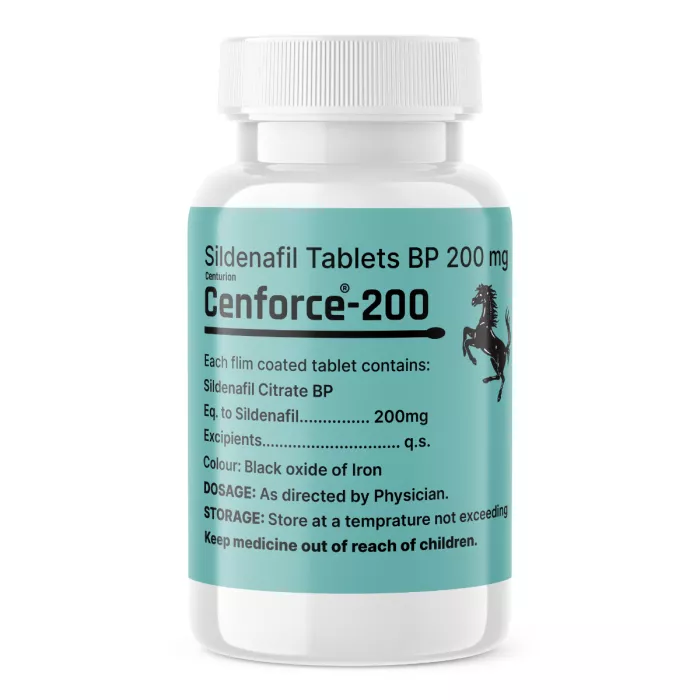
Cenforce 200 mg

Kamagra Oral Jelly Rx 100 mg
Fildena 100 mg

Vidalista 60 mg
Poor blood flow and vascular issues
Healthy blood circulation is essential for erections. Conditions like High Blood Pressure, High Cholesterol, Diabetes, or heart disease can limit blood flow, leading to erections that aren’t hard enough for intercourse or fade quickly. This can also result in Erectile Dysfunction.
If you have any of these medical conditions or a family history that increases your risk of developing them, it is essential to consult a doctor. They can evaluate if the erection issues have underlying medical causes.
Poor lifestyle or habits
Bad lifestyle choices like substance abuse, poor diet, or lack of physical fitness can affect erections. Consuming alcohol slows nerve responses, hinders brain signals, and lowers arousal, explaining why some people can’t get hard when they drink.
Smoking and certain recreational drugs also weaken blood vessels, affecting erectile firmness over time. Similarly, having poor sleep or being overweight can also cause erection difficulties.
Age-related erectile function decline
Age naturally affects testosterone levels, blood flow, and nerve responsiveness. These changes make erections slower to develop or less firm, even in otherwise healthy individuals.
Reduced elasticity of blood vessels and declining hormone production can gradually weaken the quality of erections. Age-related issues are more common in men aged 40 or above.
Medication side effects
Certain medicines can make it difficult to stay hard long enough to penetrate or achieve a firm erection. Some of them are:
- Antidepressants like Selective Serotonin Reuptake Inhibitors (SSRIs)
- Antihypertensives like beta-blockers
- Antihistamines
- Pain medicines like Non-steroidal Anti-inflammatory Drugs (NSAIDs)
If you use any of these medicines and start noticing erection issues, consult your doctor for guidance and alternatives if possible.
Condom-related sensitivity loss
Some people can’t get hard with a condom due to reduced sensation on the penis or anxiety about losing the erection while putting it on. The shift in focus interrupts arousal and affects firmness. If you have issues only with a condom on, sensitivity loss could likely be the cause.
Surgeries and nerve-related injuries
Certain surgeries or injuries can directly affect your nerves, blood vessels, or structures responsible for erections. Procedures like prostate surgery, pelvic surgery, or colorectal surgery may unintentionally damage the nerves that control erections.
Similarly, spinal cord and pelvic injuries or trauma to the lower back or genital area can disrupt nerve signals or blood flow, making it difficult to get or maintain an erection. It is essential to consult a doctor if you have developed erection troubles after such injuries or surgeries.
2. Psychological and situational causes
Emotional and mental factors strongly influence arousal and erection quality. Stress, anxiety, low mood, or relationship tension can interrupt sexual response even when desire exists. In many cases, erections work fine during masturbation but not during sexual activity, indicating a situational cause rather than a physical problem.
Performance Anxiety and stress
Stress and Performance Anxiety are among the most common reasons people can’t get hard during sex. When the brain is preoccupied or under pressure, it reduces arousal signals and decreases blood flow to the penis. This can happen even if desire is present.
Psychological factors and relationship dynamics
Mood disorders, past negative experiences, and relationship tension can all reduce arousal. You may get hard alone but can’t get hard during sex, which often points to emotional or situational causes rather than physical problems.
Occasional factors
If you can’t get hard sometimes but other times you can, this often points to temporary factors like work overload, fatigue, or distraction. Occasional difficulty is normal and not always a sign of Erectile Dysfunction.
3. Combined or multi-factor causes
Many people experience erection problems due to a combination of physical and psychological factors working together. For instance, a mild injury to the pelvic region alone may not cause erectile issues, but it can trigger Performance Anxiety. Both factors together can worsen erectile function.
Stress also amplifies physical factors. For example, when stress is high, the body is more sensitive to alcohol’s suppressive effects on arousal, or it can result in poor sleep, which may disrupt hormone levels more dramatically. These overlapping influences can make erections inconsistent; working sometimes, failing other times.
How to improve erections without medicines?
The right way to improve an erection depends on the underlying cause. Below are some effective ways to enhance erection quality without using medicines:
- Lifestyle modifications: Maintaining a healthy weight, better sleep, exercising regularly, quitting smoking, and reducing alcohol intake improve circulation and sexual function.
- Psychological support: Therapy or counselling can help reduce Performance Anxiety, trauma, or relationship stress affecting erections.
- Hormone therapy: If symptoms suggest Low Testosterone, hormone testing and Testosterone Replacement Therapy (TRT) may help restore libido and erection quality.
- Better condoms: Thinner or ultra-sensitive condoms can help if sensitivity loss is the issue that causes ED or occasional erection issues.
When to see a doctor for erection issues?
Occasional erection troubles are common and often manageable with self-care or remedies. However, you should consult a doctor if your erection issues are:
- Persistent or worsening
- Accompanied by pain
- Not improving with natural remedies or lifestyle adjustments
- Affecting your relationship and sexual confidence
These can be signs of Erectile Dysfunction and need medical treatment. Your doctor can analyze the symptoms to diagnose ED and may prescribe oral medicines like Sildenafil or Tadalafil. They increase blood flow to provide stronger erections and boost sexual confidence.
If oral medicines are not enough in severe cases, doctors can suggest using Vacuum Erection Devices (VEDs), penile implants, injections, or undergoing surgery to help restore erectile function.
Conclusion
Finding why you can’t get hard begins with identifying whether the cause is physical, psychological, or a combination of both. Erections rely on hormone balance, adequate blood flow, nerve health, emotional well-being, and a comfortable sexual environment. When any of these factors change, it can lead to difficulty achieving a full erection, maintaining an erection, or performing consistently in various situations.
Lifestyle habits like drinking, smoking, poor sleep, or stress also play a significant role. By paying attention to when the issue occurs, how frequently it happens, and what other symptoms are present, you can pinpoint the likely cause more accurately.
Once you determine the cause, you can select the most suitable treatment for you after discussing it with your doctor. Options to improve erections include medications like Sildenafil, VEDs, therapy, and surgery.
Lifestyle changes, such as improving sleep and managing weight, can also help enhance erectile function. With the right approach, you can regain strong, reliable erection quality and feel more confident during intimacy.

Frequently Asked Questions
Can dehydration affect erections?
Yes, dehydration can reduce blood volume and lower circulation, which may make erections weaker or harder to achieve. It also increases fatigue and can affect arousal. Staying well-hydrated supports vascular function and overall sexual performance.
Why do I wake up hard but lose erections during sex?
If you wake up hard but lose erections during sexual activity, it often indicates physiological or situational factors like stress or Performance Anxiety. Morning erections are controlled by automatic sleep cycles, while sexual erections depend on arousal and mental focus.
Do long gaps without sex affect erection quality?
No, long gaps without intimacy do not affect erection quality directly. However, long breaks can increase anxiety or reduce confidence, which may impact erections. In such cases, you can talk to your partner to resolve the issues.
Can frequent masturbation affect erections during sex?
Yes, excessive masturbation may temporarily reduce sensitivity or make erections during partnered sex feel different, but it doesn’t cause permanent ED. Adjusting habits usually restores normal responsiveness.
Does cycling cause erection problems?
Yes, long-duration cycling can compress nerves and blood vessels in the pelvic area, potentially leading to numbness or weaker erections. Using a better saddle and taking breaks helps reduce this risk.
Cheap Medicine Shop only refers to credible, authoritative sources for our content. If you’re curious about how we ensure the integrity of our content, we encourage you to read our Content Information Policy.
Recent Web Stories