
One common topic that repeatedly comes up in discussions around Erectile Dysfunction (ED) is exposure to hot water. You, too, might have heard someone say that hot showers, baths, and hot tubs can affect your erections or sexual performance. But is it true?
No, by itself, hot water does not cause Erectile Dysfunction or Impotence. However, frequent or prolonged exposure can influence blood flow, nerve signaling, and hormonal balance. Thus, being confused about whether to take a hot shower or a cold bath is quite normal.
In this article, we will bust common myths and explain the scientific relationship between water temperature and erectile health. You will also learn tips to maintain the quality of your erection and sperm by regulating body temperature effectively.
Does hot water cause Erectile Dysfunction?
No, hot water from a few occasional hot baths or showers does not cause Erectile Dysfunction in normal healthy men. However, frequent and prolonged exposure to high temperatures may affect circulation and fertility in some men.
Spending extended time in environments above 40°C (104°F), such as hot tubs or saunas, can:
- Cause vasodilation (widening of blood vessels) and lower blood pressure.
- Increase dehydration, which lowers blood volume as well as blood pressure.
- Elevate scrotal temperature, which may affect testosterone production.
- Delay nerve signals required to achieve and maintain an erection.
This may temporarily negatively impact erectile function. It is more likely in those with pre-existing risk factors for ED, such as Diabetes, Obesity, cardiovascular disease, smoking history, or Low Testosterone.
More interestingly, studies show that heat exposure from hot tubs and saunas can reduce sperm quality and motility. This can make it hard for sperm to fertilise the egg, making it difficult to conceive. Thus, male fertility is the more worrisome concern due to excessive heat, not ED.
Save up to 90% on your medicine bills
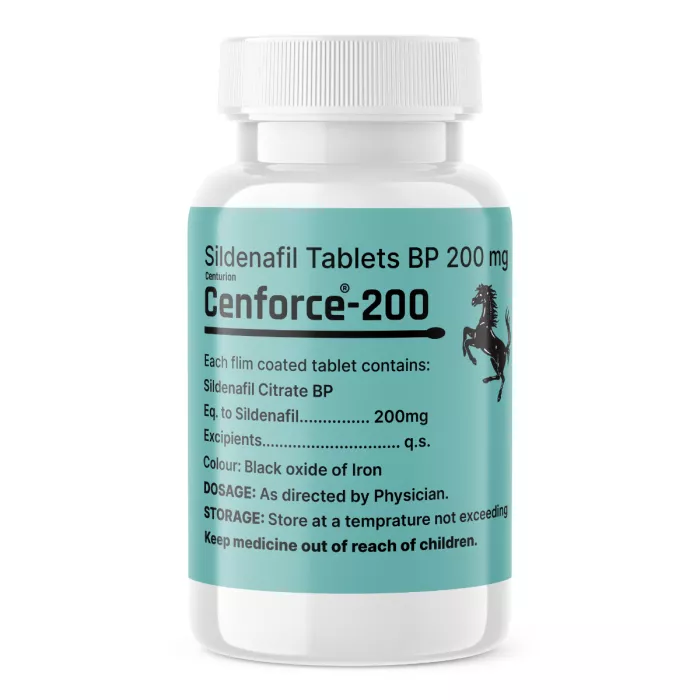
Cenforce 200 mg

Kamagra Oral Jelly Rx 100 mg
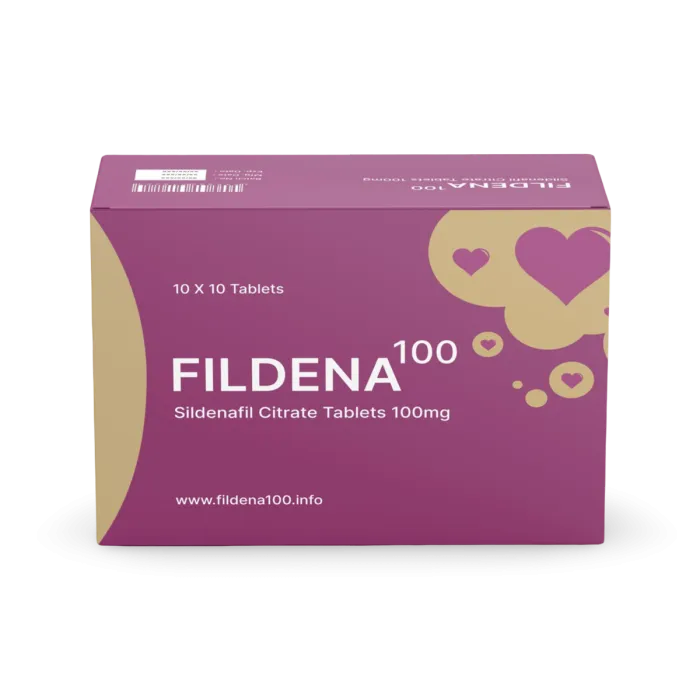
Fildena 100 mg

Vidalista 60 mg
Relationship between body temperature and erectile function
Erections rely on stable blood circulation, healthy nerves, balanced hormones, and proper hydration. Body temperature can influence each of these systems.
When your body becomes too warm or too cold, it adjusts blood flow to protect vital organs, which may temporarily affect penile circulation. This may lead to weak erections or temporary ED.
Normal temperature shifts usually cause short-term effects, but repeated or prolonged exposure may influence sexual health in the long run. Read below a few common queries with scientific explanations about their impact on erectile performance.
Can hot weather cause Erectile Dysfunction?
No, hot weather does not directly cause Erectile Dysfunction, but dehydration and heat stress may temporarily affect erection quality. Moreover, alcohol intake during hot weather can worsen dehydration and circulation, leading to weak erections.
High environmental temperatures, especially above 35°C (95°F), can:
- Increase sweating and fluid loss: If you become dehydrated, blood volume decreases, which may reduce penile blood flow. Since erections depend on adequate circulation, dehydration can make them weaker or harder to maintain.
- Enhance fatigue and stress: Elevated stress hormones (cortisol) and fatigue may interfere with sexual desire and arousal.
- Elevate scrotal temperature: Your testes function best at a temperature about 2-4°C lower than core body temperature. A randomized trial in 20 healthy men showed that frequent 43°C scrotal warming (30 min sessions) severely, but reversibly, damages sperm production.
To maintain scrotal temperature, wear breathable, loose-fitting underwear and avoid placing your laptop on your lap for prolonged periods.
Does drinking hot water help Erectile Dysfunction?
No, there is no clinical evidence that drinking hot water helps with Erectile Dysfunction. What matters most is that you stay hydrated, regardless of the temperature of the water you drink.
Dehydration can directly worsen erectile function by decreasing blood volume and hampering circulation. Overhydration, on the other hand, can dilute essential electrolytes, which are crucial for nerve signaling and muscle contraction. This can contribute to fatigue, low libido, or weaker erections.
Thus, maintaining a proper balance is essential for temperature regulation and erectile health.
Practical tips to protect erectile health in hot conditions
Evidently, poor temperature regulation, whether from excess heat or dehydration, can interfere with sexual performance. Simple lifestyle changes and adjustments in bathing habits or fluid intake can help maintain stable body temperature and support healthy erectile function.
Bathing temperature guidelines
Moderation is key when it comes to hot or cold exposure. Occasional showers of either type are safe for most men, but prolonged exposure to extremes may affect blood circulation. Therefore,
- Limit hot baths, hot tubs, or saunas to 15 minutes or less.
- Avoid repeated exposure to water above 40°C (104°F).
- Keep cold showers above 15°C (59°F).
- Start with 30 seconds of cold exposure and gradually increase to 1–2 minutes.
- Try alternating warm and cool showers or short cold plunges.
Hydration and circulation tips
Some practical hydration tips to prevent dehydration-related ED are:
- Drink fluids consistently throughout the day; avoid gulping large amounts at once.
- Aim for 15.5 glasses (3.5 litres) daily.
- Increase intake during hot weather or intense exercise.
- Replace electrolytes (sodium, potassium, magnesium) lost due to heavy sweating or exercise.
- Consume caffeine and alcohol in balanced moderation.
These approaches should only be viewed as supportive measures and not as approved treatments for ED. For persistent or recurring erectile difficulties, a proper evaluation by a healthcare professional is recommended.
Conclusion
It is quite evident that hot water alone does not cause Erectile Dysfunction, nor does it cure it. However, prolonged or repeated hot baths, hot tubs or saunas can interfere with blood flow, nerve signaling, and testosterone production, causing erectile difficulties. This is more likely in men who are already at risk due to Obesity, Diabetes, or cardiovascular diseases.
Moreover, drinking hot water does not treat it and is only a myth. Thus, staying well hydrated and limiting excess alcohol are important to support healthy erectile function. Moreover, avoid bathing in temperatures below 15°C or above 40°C to maintain sexual health.
However, if erection problems persist despite lifestyle adjustments and balanced bathing habits, consult your doctor for a proper evaluation and treatment with ED pills.

Frequently Asked Questions
Can cold water cause Erectile Dysfunction?
No, cold water does not directly cause Erectile Dysfunction, but temperatures below 15°C (59°F) can cause vasoconstriction, that is, the narrowing of blood vessels. Since erections depend on increased blood flow to penile tissue, this narrowing may temporarily reduce rigidity.
Can cold showers help with Erectile Dysfunction?
No, cold showers cannot help with Erectile Dysfunction as they are more likely to reduce blood flow to the penis. They can temporarily worsen erection strength and duration instead. However, brief cold showers may improve alertness and circulation, which can indirectly help sexual performance in some men.
Can a man get an ice bath erection?
Yes, an ice bath (10–15°C) may cause a temporary reflex erection due to sudden cold exposure. This is not a functional or sustainable erection for sexual activity because it is short-lived.
What can I drink for a full erection?
No drink guarantees a full erection; however, a few natural drinks (pomegranate, watermelon and beetroot juice) boost Nitric Oxide for better erections. Equally important is to stay hydrated and maintain blood circulation. You should also avoid excess alcohol, sugary drinks, or caffeine, as they can worsen erections by causing dehydration.
Cheap Medicine Shop only refers to credible, authoritative sources for our content. If you’re curious about how we ensure the integrity of our content, we encourage you to read our Content Information Policy.
Recent Web Stories