

Sexual Dysfunction (SD) is a condition in which a person has difficulty experiencing satisfaction during sexual activity. It can interfere with desire, arousal, orgasm, or overall comfort, and it affects both men and women. Because sexual health is closely linked to physical and mental well-being, untreated Sexual Dysfunction can impact emotional health and intimate relationships.
Research shows that SD is extremely common, with over 40% of women and 31% of men experiencing it at some point. Yet many people hesitate to talk about it, which delays diagnosis and treatment. Recognizing the condition early helps individuals manage symptoms more effectively.
In this article, you learn what Sexual Dysfunction means, the different types, the symptoms to watch for, the causes, and the treatment options available. The goal is to help you understand the condition clearly so you can take the right steps toward better sexual and overall well-being.
What is Sexual Dysfunction and its types
Sexual Dysfunction is a condition that makes it difficult for a person to feel pleasure or satisfaction during sexual activity. It affects both genders and can be linked to physical, psychological, or emotional factors. Doctors usually classify SD into four main types based on which part of the sexual response cycle is affected.
Save up to 90% on your medicine bills
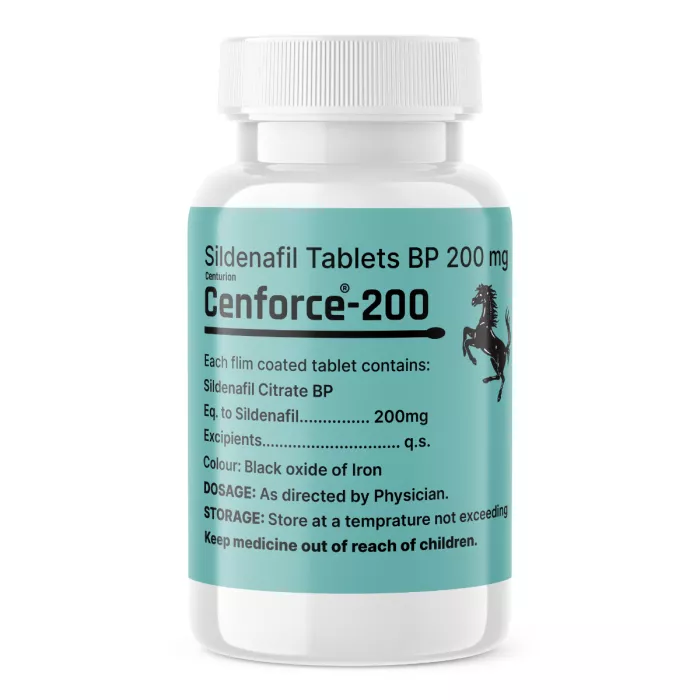
Cenforce 200 mg

Kamagra Oral Jelly Rx 100 mg
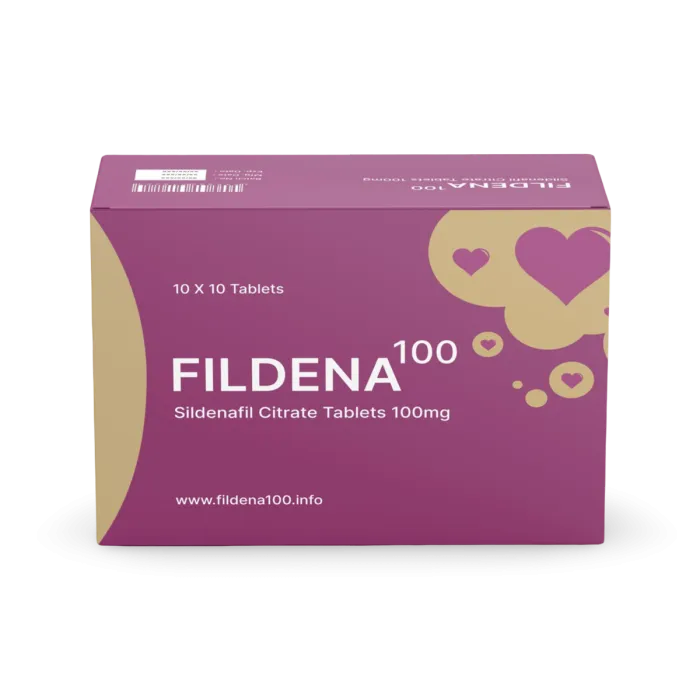
Fildena 100 mg

Vidalista 60 mg
- Desire disorders: They occur when a person has very little or no interest in sexual activity. This can include male hypoactive sexual desire disorder or female sexual interest/arousal disorder (FSIAD). People feel disconnected from sexual thoughts or lack the motivation to engage in intimacy.
- Arousal disorders: These occur when a person has sexual desire but cannot achieve or maintain adequate physical arousal. In men, this commonly presents as Erectile Dysfunction (ED), where an erection cannot be achieved or sustained. In women, it may involve difficulty with vaginal lubrication, genital swelling, or reduced physical responsiveness despite feeling mentally interested in sex.
- Orgasm and ejaculatory disorders: These involve difficulty reaching orgasm or problems with ejaculation. A person may take longer than usual to climax (delayed orgasm) or be unable to orgasm at all (anorgasmia). In men, ejaculatory disorders include Premature Ejaculation (PE), and delayed ejaculation, where ejaculation takes an unusually long time despite adequate stimulation.
- Pain disorders: They refer to discomfort or pain during intercourse, known as Dyspareunia. It affects both men and women, while conditions like Vaginismus in women cause involuntary tightening of vaginal muscles, making penetration painful or sometimes impossible.
Symptoms of Sexual Dysfunction
Sexual Dysfunction symptoms can look different in men and women, but they often affect desire, arousal, orgasm, or overall comfort during sexual activity. It can also impact emotional well-being, self-esteem, and intimacy with your partner. Being aware of the signs early can help you seek timely treatment and improve your sexual health. Below are the common signs for each.
Symptoms in males
Men can experience a range of sexual difficulties, from reduced interest in sex to problems with erections or ejaculation. These issues can cause frustration, anxiety, and decreased confidence in sexual situations. Common symptoms in men include:
- Low sexual desire or reduced interest in sex.
- Erectile difficulties, such as trouble getting or maintaining an erection.
- Difficulty reaching orgasm or delayed orgasm.
- Premature Ejaculation, when ejaculation happens sooner than desired.
- Pain during ejaculation or intercourse (less common but possible).
- Performance Anxiety, stress, or loss of confidence related to sex.
Symptoms in females
Women may notice changes in sexual desire, arousal, or pleasure, which can affect intimacy and satisfaction. These symptoms often cause emotional distress and can affect relationships if left unaddressed. Common symptoms in women include:
- Lower interest in sexual activity.
- Difficulty becoming aroused, including poor lubrication.
- Trouble reaching orgasm or having less intense orgasms.
- Pain during intercourse, such as burning, throbbing, or sharp pain.
- Vaginismus, which makes penetration difficult or painful.
- Emotional distress, anxiety, or strained relationships due to sexual challenges.
Causes of Sexual Dysfunction
Sexual Dysfunction can result from a mix of physical and psychological factors. Often, multiple causes overlap, making it important to consider both the body and mind when addressing sexual health issues. Knowing these causes can help guide treatment and improve outcomes.
Physiological causes
Physical conditions or changes in the body can directly affect sexual function. Common physiological causes include:
- Hormonal imbalances, such as low testosterone in men or estrogen deficiency in women.
- Chronic illnesses, including Diabetes, heart disease, or kidney problems.
- Disorders affecting the nervous system, including Parkinson’s disease or Multiple Sclerosis.
- Some medicines, including antidepressants, blood pressure treatments, and chemotherapy, can affect sexual function by lowering desire.
- Vascular issues, which affect blood flow to the sexual organs.
- Aging, which can naturally decrease libido and arousal.
Psychological causes
Mental and emotional factors can strongly influence sexual function, sometimes even more than physical issues. Common psychological causes include:
- Stress, work pressure, or major life changes.
- Anxiety or Depression can reduce desire and arousal.
- Relationship problems, including poor communication or unresolved conflicts.
- Past sexual trauma or abuse can create lasting sexual difficulties.
- Performance Anxiety, fear of not satisfying a partner or fear of sexual failure.
Diagnosis
Diagnosing SD combines medical evaluation, patient history, and sometimes tests to identify physical and psychological causes. A healthcare provider reviews your symptoms, onset, medications, lifestyle, and relationship factors.
Physical exams check for hormonal, nerve, or circulatory issues, while lab tests include hormone panels, blood sugar tests, and lipid profiles to identify underlying causes. Specialized tests could include:
- Penile Doppler ultrasound for Erectile Dysfunction in men.
- Vaginal or pelvic examinations for women.
- Psychological assessments or questionnaires to identify stress, Anxiety, or Depression contributing to dysfunction.
Early diagnosis is important because it allows targeted treatment, improves sexual satisfaction, and enhances overall well-being.
Treatments for Sexual Dysfunction
Sexual Dysfunction can often be managed effectively using a combination of lifestyle changes, medications, therapy, and mechanical aids. The best approach depends on the cause, its severity, and the individual’s needs. Exploring each option can help you find a solution that improves both sexual function and overall well-being.
Lifestyle changes
Making consistent lifestyle improvements can have a significant impact on sexual health. These changes help improve blood flow, hormone balance, and energy levels, all of which are essential for maintaining sexual function. Adopting healthier habits also supports long-term overall wellness.
- Increase physical activity: Regular exercise boosts circulation, improves stamina, and balances hormone levels, all of which enhance sexual performance and satisfaction. Even moderate activities, such as walking or swimming, can make a noticeable difference over time.
- Adopt a healthy diet: Eating a balanced diet that includes plenty of fruits, vegetables, whole grains, and lean proteins supports heart health and hormone balance, supplying the essential nutrients and energy needed for optimal sexual function.
- Quit smoking and limit alcohol: Smoking and excessive alcohol consumption can impair circulation and reduce sexual responsiveness. Cutting down or quitting these habits can improve arousal, stamina, and overall sexual performance.
- Manage health conditions: Chronic conditions like Diabetes, High Blood Pressure, and Obesity can interfere with sexual function. Managing these health issues with the right treatment and lifestyle modifications promotes sexual health and prevents complications.
Medications
When lifestyle improvements don’t help you with an ongoing SD issue, medical treatment can play a key role in addressing Sexual Dysfunction. A doctor chooses the appropriate medication based on the specific sexual concern, the individual’s sex, and any existing medical conditions.
- For men: Phosphodiesterase type 5 (PDE5) inhibitors, such as Sildenafil, Tadalafil, Vardenafil, and Avanafil, improve blood flow to the penis, helping men with Erectile Dysfunction achieve and maintain erections. They are usually taken before sexual activity and work only when combined with sexual stimulation.
- For women: Certain medications are approved specifically for premenopausal women with low sexual desire. These include Flibanserin (brand name Addyi), like Fill 100 mg, and Bremelanotide (brand name Vyleesi). Flibanserin is taken daily, while Bremelanotide is an injectable medication used 45 minutes before sexual activity. Both act on brain chemistry to help increase sexual interest and responsiveness over time.
- Hormone therapy: Hormonal imbalances can play a major role in Sexual Dysfunction. Testosterone replacement in men or estrogen/progesterone therapy in women can help restore normal libido and sexual function when prescribed under medical supervision.
Therapy and counseling
Psychological factors, including stress, anxiety, or past trauma, can contribute to Sexual Dysfunction. Therapy and counseling offer a supportive environment to address these mental barriers and enhance intimacy. These approaches often work best alongside medical or lifestyle interventions.
- Sex therapy: A trained sex therapist can help couples or individuals overcome Performance Anxiety, relationship issues, and difficulties with arousal or orgasm. Therapy sessions often include techniques like Cognitive-Behavioural Therapy (CBT), communication exercises to improve communication and sexual satisfaction.
- Counseling: Mental health counseling can help manage stress, Depression, and Anxiety factors that can negatively impact sexual desire and performance. By addressing these underlying issues, sexual function often improves naturally.
Mechanical and surgical aids
When other treatments are insufficient, mechanical or surgical aids can provide practical solutions. These devices are designed to help achieve or enhance sexual function safely and effectively, particularly for those with severe or persistent dysfunction.
- Vacuum devices: Vacuum erection devices work by drawing blood into the penis and are often used with a constriction ring to maintain it. They are non-invasive and can be a good option for men who cannot take medications.
- Penile implants: Surgically implanted devices allow men with severe Erectile Dysfunction to achieve an erection on demand. Implants provide a permanent solution when other treatments fail.
- Dilators and vibrators: These non-invasive tools are often suggested by healthcare providers or sex therapists to improve comfort and arousal. Dilators help relax vaginal muscles for conditions like Vaginismus, while vibrators enhance stimulation and make orgasms easier to achieve. Both can support better sexual comfort and satisfaction.
When to see a doctor
You should consider seeing a doctor if sexual difficulties persist for several weeks or begin affecting your confidence, relationships, or emotional well-being. Occasional issues are normal, but consistent problems often indicate an underlying physical or psychological cause.
Early evaluation can prevent the condition from worsening and make treatment more effective. Seek medical help if you experience:
- Ongoing problems with desire, arousal, orgasm, or pain.
- Erectile issues that occur frequently, not just occasionally.
- Painful intercourse or vaginal tightness that makes sex uncomfortable.
- A sudden drop in sexual interest or performance.
- Symptoms linked with chronic illnesses like Diabetes, Hypertension, or Depression.
- Medication side effects that interfere with sexual function.
If you’re unsure whether your symptoms are serious, a healthcare professional can guide you with a simple conversation. SD is treatable in most cases, and getting help early can improve both sexual and emotional health.
Conclusion
Sexual Dysfunction can affect desire, arousal, orgasm, or comfort, and its impact often goes beyond the physical touch, emotional well-being, confidence, and relationships. The condition appears as low sexual interest, difficulty getting aroused, trouble reaching orgasm, or pain during intercourse, and both men and women can experience these challenges for different physical and psychological reasons.
Hormonal changes, medical conditions, stress, anxiety, or relationship problems all play a role, which is why proper diagnosis is essential. With the right help, SD is highly manageable.
Simple lifestyle changes, medical treatments, therapy, and supportive devices can all make a meaningful difference. Seeking guidance early allows most people to regain satisfying sexual function and enjoy healthier, more comfortable intimacy.

Frequently Asked Questions
Is Sexual Dysfunction permanent?
No, Sexual Dysfunction is not always permanent. Many cases of SD improve with the right treatment, such as lifestyle changes, medications, therapy, or managing underlying health conditions. Some people recover fully, while others experience long-term improvement with consistent care.
Which fruit is good for Sexual Dysfunction?
Fruits that support blood flow and hormone balance, such as watermelon, pomegranate, berries, and bananas, help improve sexual health. These fruits support heart health, which directly impacts sexual function.
At what age do women have Sexual Dysfunction?
Sexual Dysfunction in women can occur at any age but becomes more common after age 40 due to hormonal changes, especially around menopause. However, younger women may also experience symptoms related to stress, anxiety, medical issues, or relationship factors.
How does a man with Erectile Dysfunction feel?
A man with ED can feel physically frustrated by the inability to get or maintain an erection. This leads to significant emotional distress, like shame, low self-esteem, depression, and anxiety, often causing relationship strain and fear of intimacy.
Cheap Medicine Shop only refers to credible, authoritative sources for our content. If you’re curious about how we ensure the integrity of our content, we encourage you to read our Content Information Policy.
Recent Web Stories