


Semaglutide is the active ingredient in popular medications like Ozempic, Wegovy and Rybelsus, used for Type 2 Diabetes and weight loss. It improves blood sugar control, slows stomach emptying, and reduces appetite.
Like all medications, it can cause some side effects, such as nausea, vomiting, Diarrhea, and constipation. These symptoms are usually most noticeable when treatment begins, with the first 4 weeks being the roughest. However, they become easier to manage as your body adjusts to the dose.
This blog discusses how long Semaglutide side effects last, both with the injectable and oral forms. You will also learn which ones can linger, how you can manage them effectively, and when to seek medical help.
How long do the side effects of Semaglutide last?
Most Semaglutide side effects typically last between 2-3 days and 8-12 weeks, depending on the formulation you use and your tolerance. Symptoms often flare again after each dose increase (titration), which is typically after 4 weeks of the initial dose.
The safety review published by Frontiers in Endocrinology in 2021 found that the most commonly reported gastrointestinal concerns and their duration were quite similar for both injectable and oral Semaglutide.
According to the data collected through the Semaglutide Treatment Effect in People with Obesity (STEP) trial, the usual symptom-wise duration was:
- Nausea: 8 days for each episode, though it returned after dose increases.
- Vomiting: 2 days, subsiding considerably from week 20 onwards.
- Diarrhea: 3 days, stabilizing around week 30.
- Constipation: 47 days, making it the longest-running side effect. It might require active management with hydration and Imodium, if advised.
- Headaches: A few hours to about 1 to 2 days, especially with dehydration or reduced food intake.
- Fatigue: Most noticeable during titration, improving after 4 weeks on a stable dose
Moreover, injection site reactions can cause temporary discomfort, but they are usually not severe.
Save up to 90% on your medicine bills
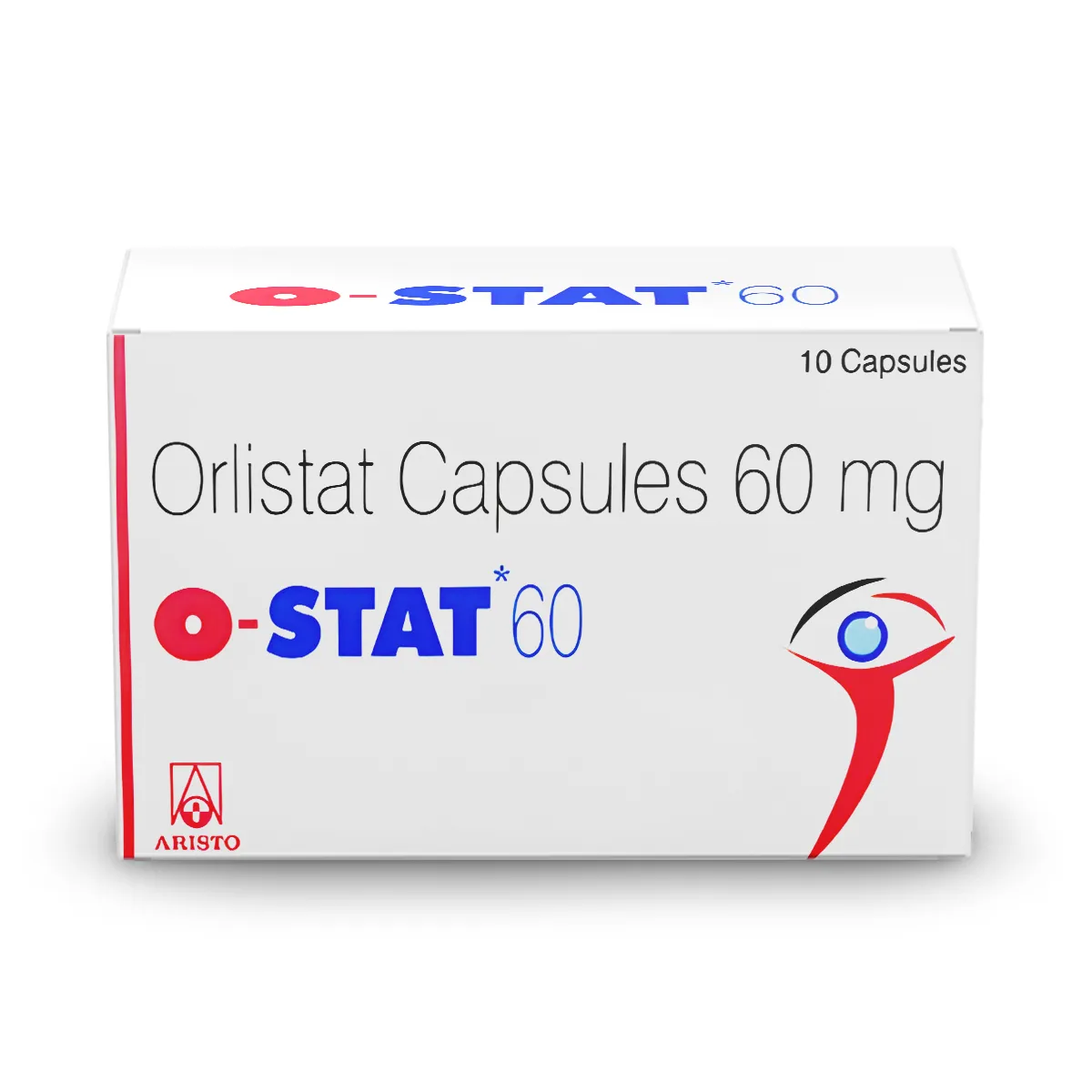
O-Stat 60 Capsule
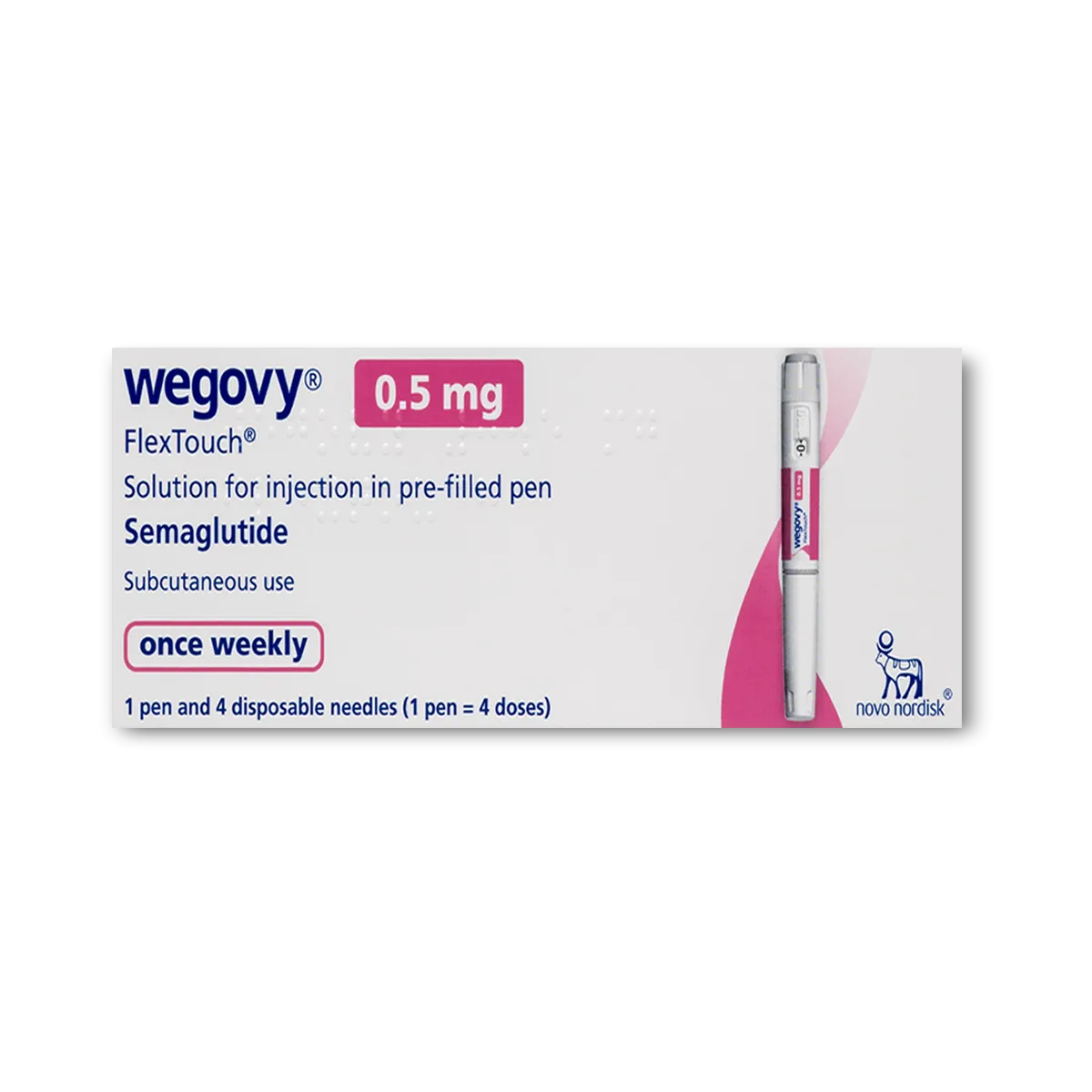
Wegovy 0.5mg
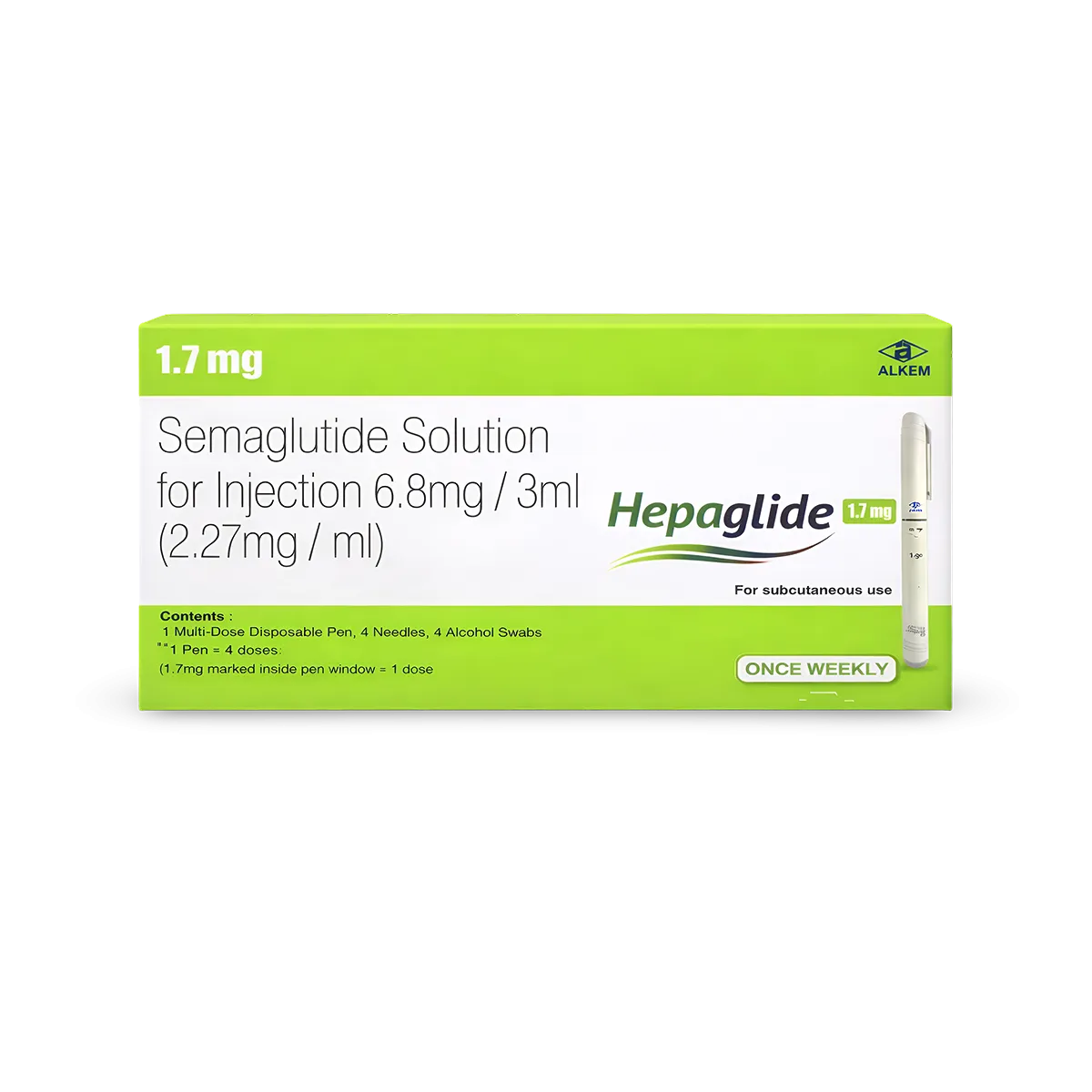
Hepaglide 1.7mg Injection

Obesema 1.7mg Injection
How long after taking Semaglutide do side effects start?
Semaglutide side effects begin to appear soon after the first dose is administered. The timing varies depending on its formulation:
- For oral Semaglutide, peak levels are reached in about 1 hour. So, stomach-related symptoms often start the same day after intake.
- With injectable forms, Ozempic or Wegovy, symptoms occur within 24 to 72 hours after administration. This is because subcutaneous (below the skin) Semaglutide reaches peak plasma levels in about 1 to 3 days.
Moreover, symptoms often flare up again when the dose is increased until a safe and effective maintenance dose is reached. However, they improve after 2-3 months on a stable strength. They can either go away completely or become much easier to tolerate after 20 weeks of regular use.
That said, the timeline is not identical for everyone and depends on several factors discussed in the next section.
Factors that affect the duration of Semaglutide side effects
The duration and the severity of side effects vary from person to person. The following biological and pharmacological factors shape how long Semaglutide side effects last:
- Dosage: Higher doses are linked with more frequent gastrointestinal side effects. Due to slower stomach emptying and an amplified feeling of fullness, effects can persist longer.
- Dose escalation: Rapid increases over a short period are harder to tolerate because your gut and brain have less time to adapt to the change in signaling. This is why a gradual escalation over 4-8 weeks is used to reduce the severity of adverse gastrointestinal effects compared to a rapid 2-week jump.
- Time on a stable dose: Once you stay on the same dose for several weeks, the body adapts to the slowed gastric emptying and reduced appetite.
- Adherence to guidance: Missing doses, restarting at the wrong dose, eating large fatty meals, and not drinking enough fluids can all make side effects feel worse or last longer.
- Health status: If you already have reflux, Irritable Bowel Syndrome (IBS), Chronic Constipation or kidney disease, side effects become harder to tolerate and slower to settle.
- Biologic sensitivity: Individual differences in digestion, how the body processes the medicine, and appetite signaling also affect how long semaglutide side effects last.
This is why some people have mild symptoms for a few days and move on with their regular lives. Whereas others have ongoing constipation, bloating, or appetite-related headaches for months.
How to manage the side effects of Semaglutide?
If your side effects are mild and temporary, simple home strategies can help. But if they persist, you can take OTC antiemetics occasionally, if advised. You can manage short-term symptoms of Semaglutide as follows:
Infographic to be added here: Doc link
Moreover, with long-term Semaglutide use, you are at risk of more serious issues that require medical intervention. These include gallbladder and kidney problems, Low Blood Sugar or Hypoglycemia, Diabetic Retinopathy and Pancreatitis. To lower this risk, stay well hydrated and do not ignore ongoing nausea, vomiting or Diarrhea.
However, if you experience fever, yellowing of the skin or eyes, eye floaters, shakiness, dizziness or confusion, seek medical advice promptly.
When to see a doctor for Semaglutide side effects?
Most Semaglutide side effects do not need urgent care. But some symptoms are not part of the usual adjustment phase and should not be pushed through. Contact your healthcare provider if:
- Nausea or vomiting is severe, making it hard for you to keep fluids down.
- Diarrhea or vomiting lasts more than 24 to 48 hours.
- You also have a fever or severe pain with Diarrhea.
- Abdominal pain is intense, worsening, or localized.
- Constipation does not improve despite supportive care.
- You develop signs of an allergic reaction or vision changes.
However, do not start, modify or stop your Semaglutide dose without medical guidance. This can lead to reduced benefits as well as increased side effects.
Conclusion
Semaglutide side effects typically last 8 to 12 weeks. The most commonly reported concerns with both oral and injectable forms are nausea, vomiting, Diarrhea, headache, and fatigue. While these resolve within 2-3 days, constipation can persist for several weeks.
How long Semaglutide side effects last depends on the dose, escalation plan, your diet, hydration, and your body’s tolerance. They become most noticeable in the first 4 to 8 weeks of treatment and flare again after each dose increase. Once a stable, maintenance dose is achieved, they stabilize or subside completely after 20 weeks of treatment.
Most symptoms are manageable and improve with time. Eating smaller meals, avoiding greasy foods and maintaining fluid intake can make the adjustment period easier. However, severe vomiting, abdominal pain, dehydration, persistent constipation, or vision changes need medical attention.
If the side effects of Semaglutide keep returning or become hard to tolerate, talk to your doctor about a dose adjustment and supportive care.

Frequently Asked Questions
Does everyone have side effects from Semaglutide?
No, not everyone has side effects from Semaglutide. Although many people do face some stomach-related symptoms like nausea, Diarrhea and constipation. They are usually mild to moderate and often ease over time.
Do Semaglutide side effects go away completely?
Yes, Semaglutide side effects can subside completely, within 2 to 3 months on a stable dose. Nausea, Diarrhea, and vomiting often improve within a few days, while constipation can be managed with stool softeners.
Can side effects continue after stopping Semaglutide?
Yes, side effects can continue for several weeks after stopping Semaglutide. This is because Semaglutide can remain in the circulation for 5 to 7 weeks after the last dose. However, if symptoms persist, contact your healthcare provider.
Who should not take Semaglutide?
Semaglutide should not be taken by people with a personal or family history of Medullary Thyroid Carcinoma or MEN 2 due to the risk of Thyroid Cancer. Those with a known allergy to Semaglutide, a history of Pancreatitis, or confirmed pregnancy should avoid use.
Cheap Medicine Shop only refers to credible, authoritative sources for our content. If you’re curious about how we ensure the integrity of our content, we encourage you to read our Content Information Policy.