


Are you experiencing sleepless nights or difficulty in going to bed a few days before your menstrual cycle?
Though there can be several factors behind your Insomnia, Premenstrual Syndrome or PMS can be one of them.
Affecting nearly 48% of women, PMS is a combination of physical and emotional symptoms that many women experience before their menstrual period.
It generally stays for a few days following the beginning of menstruation and can significantly disrupt one’s everyday routine.
An individual diagnosed with PMS can experience various symptoms, such as mood swings
feeling upset, tiredness, and headaches.
However, some women can also experience a not-so-common symptom of PMS: Insomnia.
But why does PMS lead to sleepless nights? Is there any effective way to manage PMS Insomnia?
Let us proceed with this article and find everything related to Premenstrual Syndrome and Insomnia.
Understanding PMS Insomnia
The term PMS Insomnia denotes sleep deprivation caused by the menstrual cycle.
Sleep disturbances are a common symptom of Premenstrual Syndrome (PMS), including premenstrual Dysphoric Disorder (PMDD), the more severe form of PMS.
According to research, women with PMS are at least twice as likely to experience Insomnia before and throughout their menstrual cycle.
In addition, approximately 70% of women diagnosed with PMDD experience difficulty initiating and maintaining sleep in the days preceding their period.
But why does PMS give Insomnia, and what is the connection between PMS and Insomnia?
PMS induces hormonal shifts, particularly in estrogen and progesterone, disrupting neurotransmitters and sleep-regulating hormones.
Emotional changes like stress and Anxiety during PMS can also contribute to Insomnia.
This intricate connection between hormonal fluctuations and emotional factors can disturb sleep patterns, causing Insomnia during the premenstrual period.
Therefore, it is important to visit a doctor for effective treatment of PMS Insomnia.
Are you confused between PMS and PMDD? Since both of these conditions lead to Insomnia and are related to the menstruation cycle, it is natural to get confused between them.
To clear your confusion regarding PMS and PMDD, read PMDD vs PMS.
Save up to 90% on your medicine bills

Naprosyn 500 mg

Brufen 400 mg
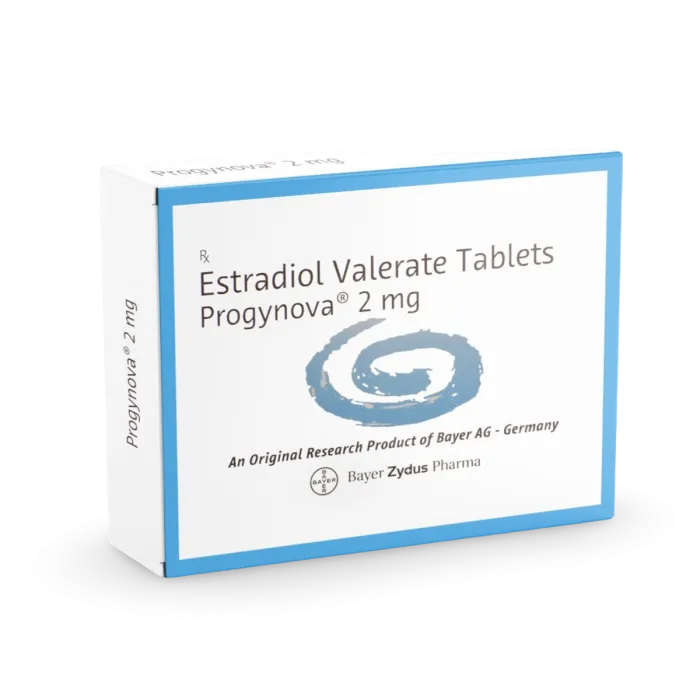
Progynova 2 mg

Oestrogel 2.5 gm / 1.5 mg
What are the Causes of PMS Insomnia
 Source: marrakeshh_from_GettyImages
Sleep disturbances associated with menstruation are more prevalent in the late luteal phase (1–2 weeks before your period) than in other phases of the menstrual cycle.
During the late luteal phase, individuals can start to experience PMS symptoms.
According to research from 2016, regardless of PMS, the late luteal phase influences stage 2 sleep and REM (rapid eye movement) sleep.
The sleep disturbances observed during this period are likely influenced by the fluctuating hormone levels and the rapidity of their changes.
Sleep disturbances may result from the impacts of these hormonal fluctuations on body temperature and melatonin synthesis.
In a small 2014 study, a more pronounced increase in progesterone levels in the days before period was associated with more severe sleep disturbances.
It is normal for progesterone to increase body temperature.
Apart from these causes, following PMS symptoms can also contribute to Insomnia.
- Cramps
- Bloating
- Swollen breasts
- Constipation
- Headache
- Sensitivity to noise and light
- Mood symptoms, like Anxiety and Sadness
However, it is an essential point to note that only 12.2% of women experience severe forms of these symptoms that impact their daily lives.
Common Symptoms of PMS Insomnia
An individual can experience several symptoms of PMS Insomnia.
It is important to look for these -symptoms to diagnose the cause and treat PMS effectively.
Let us closely examine common symptoms of PMS Insomnia that can keep you awake.
- Sleeping difficulties
- Waking up in the middle of the night
- Sleepy and fatigued during the day
- Irritable or low mood
- Poor memory
Most individuals experience milder forms of symptoms of PMS Insomnia.
Still, it would be best to visit your nearby doctor for a consultation regarding PMS.
Did you know that some individuals can experience PMS symptoms without any periods?
To learn more about this condition, read PMS Symptoms But No Periods: What to Do?
How to Treat PMS Insomnia
There are various ways to treat PMS Insomnia.
A common PMS Insomnia treatment can be light therapy.
Light therapy or phototherapy, is a treatment that involves exposure to an artificial light source
Light therapy could potentially be beneficial for individuals suffering from PMS Insomnia.
Light therapy can help regulate circadian rhythm and release serotonin and melatonin. These hormones may have positive effects on mood and sleep.
Besides light therapy, certain PMS medicines can also treat Insomnia.
PMS Insomnia may also be treated with Selective Serotonin Reuptake Inhibitors (SSRIs).
A 2013 review of 31 randomized controlled trials concluded that SSRIs effectively alleviate PMS symptoms.
Apart from SSRIs, it is essential to have your hormone levels measured by a laboratory because imbalances in hormones can cause Insomnia and vice versa.
Progesterone supplementation might also be beneficial for PMS Insomnia if an individual is having progesterone deficiency or estrogen excess.
It would be best to visit your doctor for the effective management of your PMS Insomnia.
PMS Insomnia Natural Remedy
 Source: Susannah Townsend from baseimage
Apart from the treatment, various natural remedies may help you sleep peacefully.
The following are the effective remedies that can help you manage PMS Insomnia naturally.
- Maintain a regular sleep schedule
- Achieve consistent exposure to natural light
- Limit television and phone use at night
- Consider utilizing natural sleep aids such as theanine, valerian, ashwagandha, CBD, or kava
- Daily meditation can be beneficial for stress management
- Join a daily exercise routine
- Avoid consuming caffeine before bedtime
- Consume abundant fruits and vegetables, whole grains, and lean protein.
- Limit sugary and processed foods
Key Notes
PMS Insomnia is a combination of physical and emotional symptoms that many women experience before their menstrual cycle.
It is more prevalent during the late luteal phase and can disrupt sleep patterns.
PMS induces hormonal shifts, particularly in estrogen and progesterone, disrupting neurotransmitters and sleep-regulating hormones.
Emotional changes like Anxiety and stress during PMS contribute to Insomnia.
Age, family history of Insomnia, excessive drinking, inadequate exercise, smoking, and irregular bedtimes can also contribute to PMS Insomnia.
Treatment options include light therapy, certain PMS medicines, Selective Serotonin Reuptake Inhibitors (SSRIs), hormone levels measurement, and progesterone supplementation.
Natural remedies for managing PMS Insomnia include regular sleep, exposure to natural light, whole grains, lean protein, and limiting sugary and processed foods.

Frequently Asked Questions
Does magnesium help with PMS Insomnia?
Yes, magnesium can help with PMS Insomnia.
This essential mineral promotes relaxation and regulates neurotransmitters, improving sleep quality during premenstrual. Buy Now
Are there age-related factors influencing PMS Insomnia?
Yes, age-related factors can influence Insomnia in people with PMS.
Hormonal changes associated with age, such as perimenopause, can influence the severity of PMS symptoms, including Insomnia. Buy Now
How long does PMS Insomnia typically last?
PMS Insomnia usually occurs in the days leading up to menstruation. It may last for a few days to a week. Buy Now
Can mindfulness techniques help with PMS Insomnia?
Yes, mindfulness techniques, such as deep breathing and meditation, can effectively manage stress and improve sleep quality. Buy Now
Can PMS cause Anxiety and Insomnia?
Yes, PMS can cause Anxiety and Insomnia.
Hormonal fluctuations during the premenstrual period may lead to heightened Anxiety levels, and these emotional changes can contribute to difficulty in falling or staying asleep. Buy Now
Cheap Medicine Shop only refers to credible, authoritative sources for our content. If you’re curious about how we ensure the integrity of our content, we encourage you to read our Content Information Policy.
Recent Web Stories