


Premenstrual Syndrome (PMS) is a group of symptoms that many women experience in the week or two before menstruation.
Premenstrual Dysphoric Disorder (PMDD) is a severe form of PMS that causes extreme mood shifts and physical symptoms.
PMS and PMDD are two conditions that affect many women, affecting their emotional well-being in the days leading up to menstruation.
It is important to distinguish PMDD and PMS to provide an exact diagnosis and appropriate treatment.
In this article on PMDD vs PMS, we aim to clarify the differences between PMS and PMDD by exploring their symptoms, diagnosis, and available treatments.
Premenstrual Syndrome (PMS)
Premenstrual Syndrome (PMS) is the term used to describe a group of emotional and physical symptoms that many women experience in the days before their menstrual cycle.
This discomfort is experienced during the reproductive stage of the menstrual cycle and can range from mild to moderate.
In addition to mild bloating, Nausea, and breast tenderness, women may experience mood swings, changes in appetite, and irregular sleep patterns.
Even though these symptoms can be annoying, they can usually be controlled with medications, lifestyle changes, and, occasionally, over-the-counter painkillers.
Understanding the specifics of PMS is important for differentiating it from more severe conditions like Premenstrual Dysphoric Disorder (PMDD) and ensuring appropriate management.
Wondering about the onset of PMS? Read When Does PMS Start: Finding the Answer
Save up to 90% on your medicine bills

Naprosyn 500 mg

Brufen 400 mg
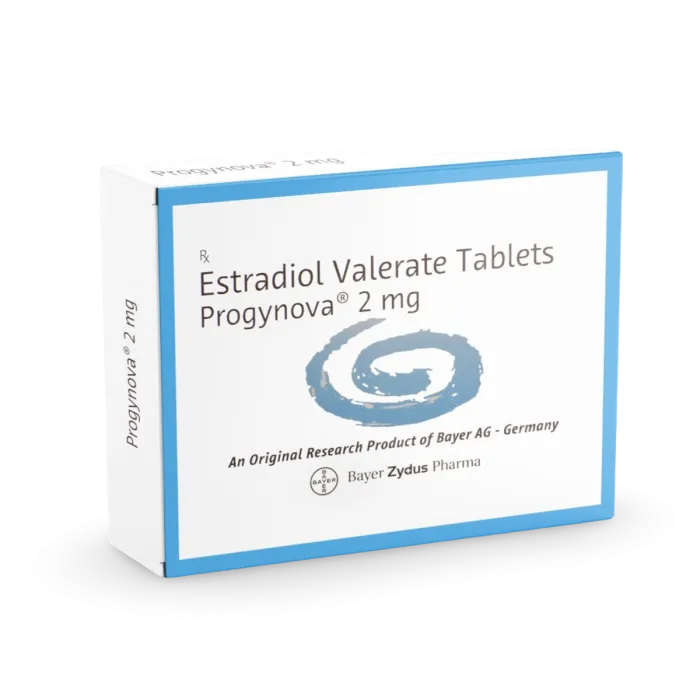
Progynova 2 mg

Oestrogel 2.5 gm / 1.5 mg
Premenstrual Dysphoric Disorder (PMDD)
 Source: marchenko_family
Premenstrual Dysphoric Disorder (PMDD) is a severe form of Premenstrual Syndrome (PMS) that affects a minority of women.
Unlike typical PMS, PMDD can be significantly unpleasant, impacting both mental and physical well-being.
Women with PMDD frequently experience severe physical symptoms like headaches and bloating, in addition to severe mood disorders like sadness or Anxiety.
The symptoms of PMDD significantly impair day-to-day functioning, social life, and work performance.
To differentiate PMDD from less severe premenstrual symptoms, medical professionals use particular diagnostic criteria.
This allows for an accurate diagnosis and a customized treatment plan for affected individuals.
PMDD vs PMS Diagnosis
Premenstrual Syndrome (PMS) and Premenstrual Dysphoric Disorder (PMDD) diagnosis require an in-depth examination by doctors.
Physicians diagnose PMS based on recurrent emotional and physical symptoms during the Luteal phase.
However, a more strict set of criteria, such as the severity and impairment of symptoms, are needed to diagnose PMDD.
Doctors frequently refer to published guidelines, like the Diagnostic and Statistical Manual of Mental Disorders (DSM-5), to differentiate between the two.
Furthermore, keeping a menstrual diary to record symptoms can help with diagnosis.
Getting medical advice is essential for a precise diagnosis and ensuring that the individual’s unique condition determines the right course of treatment.
PMS vs PMDD Treatment
 Source: Signature_image
A combination of lifestyle modifications and, occasionally, medical treatment is required for the effective management of PMS and PMDD.
Over-the-counter or prescription-based medication for PMS can help with physical discomfort.
Still, stress management, regular exercise, and a balanced diet are better for overall well-being.
However, more focused strategies, such as prescription medications like antidepressants or hormonal therapies, might be necessary for PMDD.
Treating the emotional symptoms linked to PMDD can also benefit from psychotherapy, especially Cognitive-Behavioral Therapy (CBT).
Consulting with a doctor is important for personalized guidance and developing a specific treatment plan.
Want to know more about the treatment options for PMS? Read Breaking the Monthly Battle: Effective PMS Treatment Options
PMDD vs PMS: An Overview
While there are certain symptoms that PMDD and PMS share, the main differences are in their severity and impact on day-to-day living.
Understanding these differences is essential for accurate diagnosis and customized treatment plans.
| Characteristic | Premenstrual Syndrome (PMS) | Premenstrual Dysphoric Disorder (PMDD) |
|---|---|---|
| Symptom Severity | Mild to moderate discomfort | Severe, often incapacitating symptoms |
| Mood Disturbances | Mild mood swings | Severe emotional disturbances (e.g., intense sadness or Anxiety) |
| Impact on Daily Life | Generally manageable | Can significantly interfere with daily activities and relationships |
| Duration of Symptoms | Typically a few days | Lasts longer and is more intense, often up to two weeks before menstruation |
| Physical Symptoms | Mild bloating, breast tenderness, headaches | Severe physical symptoms, including pronounced bloating and intense breast pain |
| Behavioral Changes | Moderate changes in appetite, sleep, and energy levels | Disruptions in daily activities due to the severity of symptoms |
| Prevalence | Common, affecting many women | Less common, affecting a smaller percentage of women |
Conclusion
Premenstrual Syndrome (PMS) is a group of symptoms that can be both physical and emotional.
Premenstrual Dysphoric Disorder (PMDD) is a severe form of PMS.
To ensure accurate diagnosis and appropriate treatment, it is important to distinguish PMDD and PMS.
While milder changes in mood and body characterize PMS, PMDD is characterized by more severe and disruptive symptoms that can greatly interfere with day-to-day functioning.
Appropriate diagnosis by doctors is necessary for customized treatment plans.
Lifestyle changes like regular exercise and a balanced diet can help both conditions.
Still, PMDD may also need additional medical treatments like Psychotherapy or antidepressants.
Consulting a doctor for severe or ongoing PMS symptoms ensures a personalized health plan.

Frequently Asked Questions
Can birth control methods be used to treat PMDD and PMS?
Yes, hormonal birth control methods, such as oral contraceptives, can be effective in managing PMDD and PMS symptoms.
They regulate hormone levels, reducing the severity of mood swings, pain, and other associated issues.
Consult a healthcare professional to determine the most suitable contraceptive approach for individual needs and health considerations.
Is it possible to have both PMDD and PMS simultaneously?
Yes, it is possible to experience both PMDD and PMS simultaneously.
While they represent distinct conditions, some individuals may exhibit overlapping symptoms.
Seeking medical guidance is essential for an accurate diagnosis and a personalized treatment plan to address the unique challenges posed by the coexistence of PMDD and PMS.
Can stress worsen PMDD and PMS symptoms?
Yes, stress can worsen both PMDD and PMS symptoms.
The hormonal changes associated with stress may intensify mood swings, irritability, and physical discomfort during the premenstrual phase.
Managing stress through relaxation techniques, exercise, and mindfulness can contribute to symptom relief for individuals experiencing PMDD or PMS.
How can one differentiate between normal menstrual mood changes and PMDD or PMS symptoms?
Distinguishing normal menstrual mood changes from PMDD or PMS involves assessing their severity, duration, and impact on daily life.
Consulting a healthcare professional is advisable for accurate diagnosis and appropriate management strategies customized to individual needs.
Cheap Medicine Shop only refers to credible, authoritative sources for our content. If you’re curious about how we ensure the integrity of our content, we encourage you to read our Content Information Policy.
Recent Web Stories