
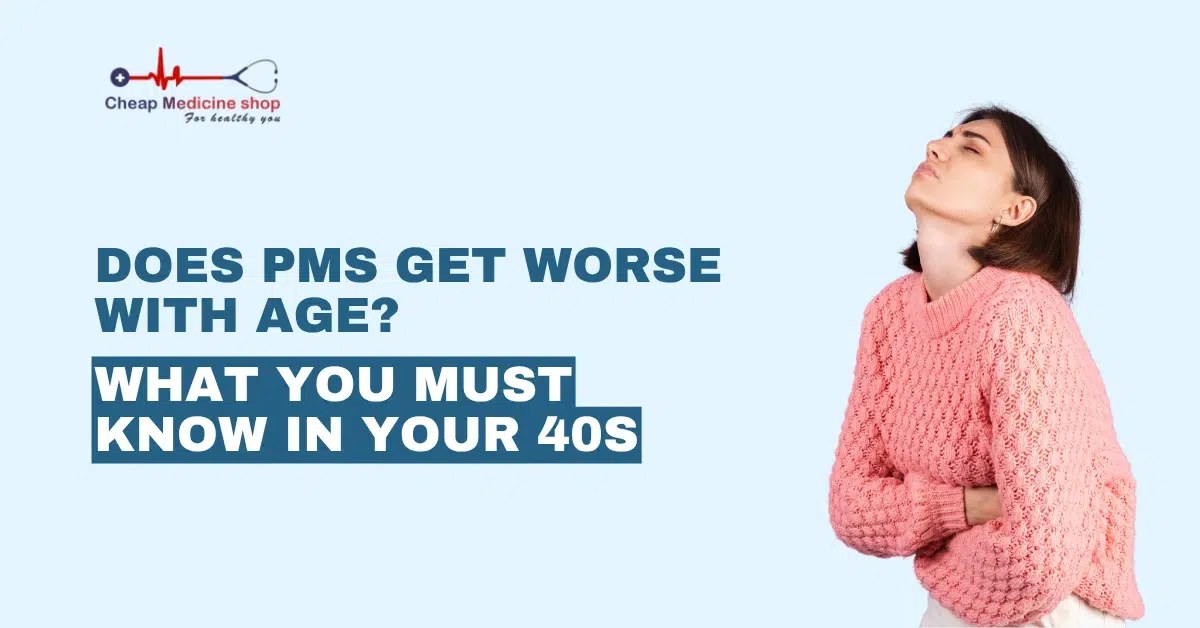
If Premenstrual Syndrome (PMS) once felt manageable but now seems more and more unbearable every month, you are not imagining it. Many women in their 30s and 40s notice that the cramps hit harder, the mood swings last longer, and the fatigue feels heavier than it did a few years ago. These changes are real and common.
One common question women raise with their gynecologists during this stage of life is why PMS gets worse with age. The answer could be shifting hormone patterns, rising stress levels, or nutritional deficiencies. In many cases, it can be an early sign of perimenopause.
This blog explains what causes worsening symptoms and how you can manage them at home with simple lifestyle changes and a few supplements. You will also learn when these could indicate something other than PMS and require medical intervention.
Is it normal for PMS to get worse with age?
Yes, it is quite normal for PMS to feel worse with age, especially in the late 30s and 40s. Over 90% of women report some premenstrual symptoms, with women in their 30s being the most likely to experience food cravings, mood swings, Anxiety, and fatigue.
Here is how PMS hormonal changes, experiences and symptoms tend to shift across the decades:
| Age group | What happens in PMS? | Symptoms that stand out |
|---|---|---|
| 20s | Hormone levels follow a fairly predictable pattern. The body adapts to fluctuations more efficiently. | Mild bloating, light cramping, minor mood shifts, Acne flare-ups, irritability, food cravings |
| 30s | The stress hormone cortisol rises due to worry and sleep disturbances. Hormone sensitivity builds up. | Increased irritability, fatigue, breast tenderness, severe cramps, trouble concentrating and heightened Anxiety before a period |
| 40s and perimenopause | Estrogen and progesterone become unpredictable as perimenopause approaches. | Severe mood swings, intense cramping, sleep disruption, brain fog and heavier or unpredictable periods. |
A large international sample of 238,114 menstruating females found that symptoms like absentmindedness, low libido, sleep changes, weight gain, hot flashes and swelling increased with age. Conversely, the frequency of abdominal spasms decreased with age.
However, this does not mean everyone follows the exact same pattern. Some women notice only small changes over time, while others might feel a clear jump in their symptoms.
Save up to 90% on your medicine bills

Naprosyn 500 mg

Brufen 400 mg
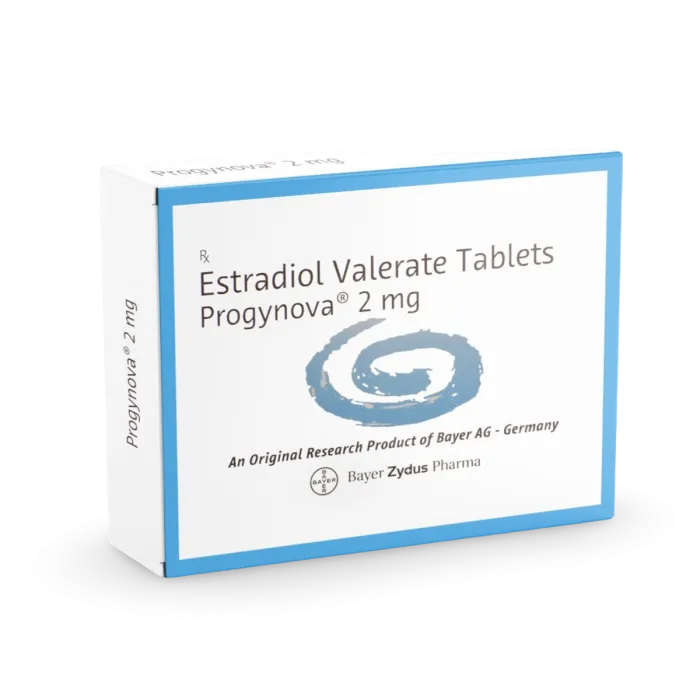
Progynova 2 mg

Oestrogel 2.5 gm / 1.5 mg
Why do PMS symptoms feel stronger in your 30s or 40s?
There is no single reason why PMS symptoms feel more intense, more disruptive, or harder to predict than they did before. In most cases, several hormonal, physical, and lifestyle-related changes overlap with time.
1. Perimenopause hormonal fluctuations
Perimenopause often begins in the 40s, but some women notice early changes in their late 30s. During this transition, female hormones, estrogen and progesterone, rise and fall less predictably. This hormonal instability can intensify bloating, breast tenderness, irritability and headaches, especially in those who are already sensitive to cycle-related hormone changes.
2. Menstrual cycle changes with age
As hormone patterns shift, the menstrual cycle can also change. Periods may come earlier, later, be heavier, or be more irregular than before. This makes PMS harder to anticipate and track, adding to psychological stress that further amplifies your symptoms.
3. Stress and lifestyle factors
By the 30s and 40s, most women are balancing work, finances and caregiving. This chronic stress raises cortisol (stress hormone), which can make the body feel more reactive to hormonal shifts. At the same time, poor sleep and reduced physical activity can make fatigue, cravings, bloating, and mood symptoms feel worse in the days before a period.
4. Nutritional deficiencies that build over time
Dietary habits often shift in midlife due to busy routines, skipped meals and greater reliance on processed foods or heat-and-eat options. While they are not the only reason PMS worsens with age, they can make an already sensitive cycle feel more draining.
- Low magnesium levels are linked to cramping, bloating, and mood-related PMS symptoms.
- A deficiency in vitamin B6 is associated with increased irritability and low mood in the luteal phase (days after ovulation and before menstruation).
- Low calcium and iron can further worsen fatigue, muscle tension, and physical symptoms of PMS.
5. Underlying conditions
Sometimes, premenstrual syndrome feels worse because another health issue is overlapping with the cycle. These include:
- Depression: Many symptoms of perimenopause or PMS, including fatigue, sadness, poor sleep, and low motivation, can overlap with signs of Depression.
- Thyroid dysfunction: Both underactive and overactive thyroid problems can affect cycle regularity, energy, mood, and bleeding patterns.
- Premenstrual Dysphoric Disorder (PMDD) causes intense mood symptoms, such as severe Anxiety, Depression, irritability, and emotional swings that interfere with work, relationships, or daily functioning. PMDD is diagnosed in 3-8% of women, but it is known to cause severe distress in up to 18% of women of reproductive age.
How to manage worsening PMS symptoms naturally
The good news is that worsening PMS does not have to be your new normal. While you can manage physical symptoms, such as cramps, headaches, backaches, and breast tenderness with over-the-counter pain relievers, others can improve with better sleep, diet and exercise routine.
Lifestyle changes
Small but consistent daily habits can significantly reduce symptom intensity each month. So begin to:
- Exercise regularly: Walking, swimming, cycling, or yoga, for at least 30 minutes most days, helps improve both physical and mood-related PMS symptoms.
- Get adequate sleep: Try to get 7 to 9 hours of sleep each night, with consistent sleep and wake times to support hormonal regulation. This is especially crucial during the luteal phase, the 2 weeks before the period.
- Make dietary adjustments: Reducing alcohol, caffeine, salt, and excess sugar intake helps decrease bloating, cravings, breast tenderness, and irritability associated with PMS.
- Manage stress: Use stress-management tools, such as journaling, breathing exercises and mindfulness, to lower stress levels.
These simple strategies can also help reduce perimenopause-related weight gain.
Natural remedies
Natural remedies can be useful, but they work best as part of a broader plan rather than as a quick fix. Some options for PMS relief include:
- Magnesium and Vitamin B6: Magnesium, especially when paired with Vitamin B6, plays a key role in regulating the neurotransmitters involved in premenstrual mood changes. It is most helpful for cramps, bloating, and mood swings.
- Calcium: Calcium supplementation significantly reduces premenstrual symptoms in several women.
- Chasteberry and Black cohosh: Both are often used to manage cycle-related breast tenderness, irritability, or mood changes.
- Omega-3 fatty acids: These help reduce both physical and psychological PMS symptoms due to their anti-inflammatory properties.
Since supplements have limited clinical evidence, and what works for others may not be suitable for you, it is recommended to consult a healthcare provider for proper dosage and usage guidance.
When to see a doctor about PMS symptoms?
A mild increase in PMS severity with age is common and often manageable with the right lifestyle adjustments. But if they affect daily life or persist beyond the PMS window, you should consult a gynecologist or an endocrinologist. Seek medical advice if:
- Symptoms suddenly become much more severe than usual or what you have experienced in previous cycles.
- Mood swings, such as intense Anxiety, Depression, or irritability, interfere with your ability to work, sleep, or maintain your relationships.
- Periods become significantly heavier, more painful, or increasingly irregular from one month to the next.
- Symptoms occur throughout the entire month rather than only in 1-2 weeks before your period begins.
- You suspect PMDD or any other hormone-related condition.
A doctor will help identify the cause and recommend appropriate treatment with hormonal birth control or antidepressants.
Conclusion
PMS gets worse with age, and for most women, this turning point falls somewhere in their 30s or 40s. Erratic estrogen and progesterone fluctuations during perimenopause, rising cortisol from chronic stress, and nutritional gaps are among the most common reasons symptoms feel harder to manage with each passing cycle.
Managing this shift starts with consistent physical activity, 7-9 hours of sleep and reducing caffeine and alcohol intake. You should also address nutritional deficiencies through diet or supplements.
However, if symptoms begin disrupting your work, sleep, daily life or relationships, it is best to consult a doctor. Since premenstrual symptoms often overlap with perimenopause, PMDD, or thyroid disorders, a proper diagnosis of the cause and customized treatment plan will help you navigate this transition better.

Frequently Asked Questions
Can PMS symptoms start for the first time in your 40s?
Yes, PMS symptoms can begin or become noticeable for the first time in your 40s. Hormonal shifts during perimenopause can trigger premenstrual symptoms that were previously absent or too mild to notice. If new symptoms appear in midlife, consult your doctor to manage them effectively.
Does PMS go away after menopause?
Yes, PMS typically goes away after menopause because the hormonal cycle that drives it no longer occurs. However, if emotional, cognitive or physical symptoms continue after menopause, they may indicate thyroid disorders or mental health issues. These should be discussed with a healthcare provider.
Can PMS return or change after pregnancy?
Yes, pregnancy and childbirth can alter hormonal patterns in ways that change PMS afterward. Some women notice their symptoms improve after having children, while others say they worsen. These changes are linked to shifts in estrogen and progesterone sensitivity that can persist postpartum.
How do I know if it is PMS or PMDD?
You can identify PMS by symptoms that are uncomfortable but manageable, and PMDD by symptoms severe enough to disrupt your work, relationships, or daily functioning. Premenstrual Dysphoric Disorder typically involves intense Anxiety, Depression, or pain that feels unbearable and requires medical evaluation.
Do birth control pills help with severe PMS?
Yes, birth control pills are an effective way to manage severe PMS or PMDD. Some commonly used options include Drospirenone, Levonorgestrel and Desogestrel. Make sure to take them only with a doctor’s prescription and guidance.
Cheap Medicine Shop only refers to credible, authoritative sources for our content. If you’re curious about how we ensure the integrity of our content, we encourage you to read our Content Information Policy.
Recent Web Stories