


Semen volume, or the amount of ejaculate a male releases upon orgasm, naturally changes with age, diet, stress levels and physical activity. But if you are consistently producing less ejaculate than usual, it may affect your confidence, fertility goals, or sexual health.
Before you run for a quick fix at your nearest pharmacy, note that there is no FDA-approved pill specifically designed to increase ejaculatory volume. However, you can make steady improvements in ejaculation through hydration, masturbation techniques and pelvic floor exercises.
This guide on how to increase semen volume covers science-backed quick tips and long-term methods to improve both the quality and quantity of your seminal fluid.
Method 1: Increase seminal fluid quickly
Some quick adjustments can help you temporarily boost your semen volume. These include simple changes like hydration, temperature control, and short-term abstinence (refraining from sex). Contrary to popular opinion, taking a break from sexual activity and masturbation is not unhealthy.
1. Hydrate well and avoid dehydrating drinks
Semen is mostly water, so even mild dehydration can reduce fluid output and make ejaculate thicker. Semen volume refers to the total amount of fluid ejaculated, which is mostly made up of seminal plasma, not sperm. Sperm count is the number of sperm cells present, while sperm quality covers how well those sperm swim and are shaped.
You can have high volume with low sperm count, or low volume with excellent sperm quality, so these three are very different things. Since seminal plasma is primarily composed of water, your hydration levels have a direct and almost immediate impact on semen volume.
To keep things flowing, you can follow these habits:
- Drink water throughout the day, not just before sex.
- Try to drink at least 3-4 liters of water daily.
- Opt for electrolyte-rich drinks if you sweat frequently or exercise heavily.
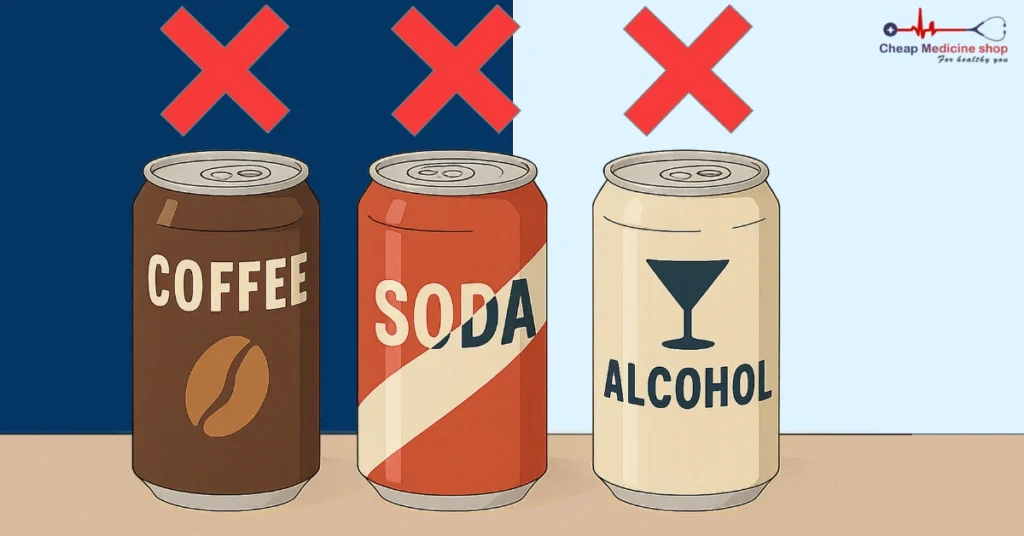
- Avoid alcohol, soda, energy drinks, and excessive caffeine, especially before sex.
Tip: Carry a water bottle with you throughout the day. Small, consistent sips work far better than drinking a large amount right before intimacy.
2. Abstain from ejaculation for 3 days
Research has shown that abstinence of 2 to 5 days has a significantly positive impact on sperm concentration and volume. Your semen is produced by two main glands: the seminal vesicles, which contribute around 70% of the total fluid, and the prostate gland, which adds another 20 to 30% along with enzymes that help liquefy semen after ejaculation.
Both glands need adequate time between ejaculations to replenish their secretions, which is exactly why abstinence works. Taking 2 to 3 days between ejaculations will allow your body to restore seminal fluid naturally. Avoid multiple ejaculations in the same day, especially if you are trying to conceive, as abstinence beyond 5 days can also reduce sperm motility. A 2-5 day window is ideal.
3. Increase semen volume by masturbation technique
The Edging or start-stop method builds heightened arousal and leads to stronger contractions during orgasm. This technique directly affects ejaculatory force and the amount of semen released.
Here’s how you can practice edging, with or without your partner:
- Stimulate yourself until the point right before climax.
- Pause all movement and let the urge settle.
- Maintain slow breathing to stay in control.
- Repeat this 2-3 times more.
- Finally, let yourself climax and ejaculate.
Tip: Practicing during solo sessions first will make it easier to coordinate with a partner later.
Method 2: Produce more semen volume naturally

Physical inactivity, irregular sleep patterns and high stress levels influence your ejaculation and erection more than you might know. Cultivating better habits, such as getting 7 hours of quality sleep, exercising regularly, and managing stress through yoga or meditation, can naturally boost semen production over time.
1: Practice Kegel exercises
A strong pelvic floor improves ejaculation power and seminal fluid release. Here’s how you can do Kegel exercises correctly to increase semen volume:
- Identify your pelvic muscle by stopping urination midstream.
- Tighten these muscles for 4-5 seconds and then relax them.
- Repeat this 10-15 times per session.
- Do this 2-3 times daily.
- Practice while sitting, standing, or lying down, as the situation allows.
2. Manage stress and sleep well
High cortisol, the stress hormone, lowers testosterone, which is the primary male sex hormone. This can directly reduce the production of semen and sperm. To bring your testosterone levels back on track and support male fertility, you can try the following:
- Get 7-8 hours of uninterrupted sleep every night.
- Do meditation, deep breathing, or yoga.
- Reduce work stress and take mental breaks, as needed.
- Stay physically active without overexerting yourself or overtraining.
3. Keep your testicles cool
Your testicles must stay slightly cooler than your body to produce healthy semen. Overheating reduces both the volume of semen and the quality of sperm. To keep things cool and support reproductive health, you should:
- Skip hot tubs, saunas, and long hot showers.
- Wear loose cotton underwear instead of tight briefs.
- Avoid sitting for extended periods with your legs crossed.
- Take movement breaks if you work at a desk or drive for long hours.
4. Quit smoking
Smoking has a devastating effect on semen parameters, quantity, sperm count, and sperm shape. This not only reduces semen volume but also reduces male fertility. Thus, it’s best that you cut down and gradually quit smoking. You must also avoid recreational drugs that can lower testosterone.
Method 3: Increase male ejaculate with diet and supplements

What you eat plays a bigger role in semen production than most people realize. Your body builds seminal fluid directly from the nutrients you consume, so a poor diet will reflect in your ejaculate volume over time.
Nutrient-rich foods, amino acids that convert to Nitric Oxide (NO), and herbal supplements support healthier erections as well as ejaculations. This is where nutrition for semen becomes especially important, as your body cannot produce quality seminal fluid without adequate nutrients.
1: Eat foods that increase semen volume
Nutrient-rich foods help maintain hormonal balance, sperm production, and healthy seminal fluid. Include more of the following in your daily diet:
- Zinc, found in eggs, pumpkin seeds, nuts and seafood like oysters.
- Vitamins C and E from citrus fruits, mango, berries and almonds.
- Tomatoes, pomegranate or dark chocolate provide antioxidants.
- Folate-rich spinach, lentils or avocados.
- Nitric Oxide is provided by beetroot and leafy cruciferous vegetables.
2: Begin amino acid or herbal supplements
Amino acids help improve blood flow, protect male vitality and maintain hormone balance. Some effective supplements to increase semen volume include L-arginine, L-carnitine, and L-lysine.
Additionally, herbal supplements such as ashwagandha, maca root, and fenugreek have shown promise in naturally boosting testosterone levels and male ejaculate. These herbs also improve sexual stamina and reproductive health.
Method 4: Focus on semen quality vs quantity

More semen does not always mean better fertility or sexual satisfaction. Instead, your focus should be on improving sperm count, erection strength, and sexual stamina so that both you and your partner are mutually satisfied.
Moreover, it will increase your chances of conceiving. It is also worth knowing that semen volume and sperm quality are not the same. Sperm quality covers motility, which is how well sperm swim, and morphology, which is their shape. A man can ejaculate a large volume but still have poor sperm quality, and vice versa, so if conception is your goal, quality matters far more than quantity.
1: Improve sperm count and motility instead
WHO Manual defines normal sperm concentration as ≥15 million/mL with 40% motility. So, if you and your partner are planning to conceive, get a semen analysis done to assess your fertility. Doctors will check for your sperm count and motility (the ability of sperm to move effectively), both of which are important for the fertilization of an egg.
Since semen volume alone doesn’t reflect fertility, follow the tips listed in Methods 1 to 3 to improve both the quality and quantity of your sperm.
2: Get checked for underlying medical conditions
If your semen volume stays low even after making lifestyle changes, the cause may be linked to medical conditions.
- Diabetes, Hypertension, or infections can interfere with healthy production.
- Retrograde Ejaculation is a condition where the semen travels backwards into the bladder, leading to low semen volume.
- Ejaculatory Duct Obstruction due to stones, scar tissue, or tumors can also reduce it.
Talk to your doctor about testing for hormonal balance and medications for ejaculation-related concerns.
Frequently Asked Questions
What is the average ejaculatory volume by age?
The average ejaculatory volume for most men is 1.5 to 5 mL. The volume peaks in the early 30s, then slowly decreases with age and hormone levels. Men in their 40s-50s typically produce 1.9 to 2.8 mL of ejaculate, which is entirely normal for said age group.
What are the benefits of increasing semen volume?
Higher semen volume doesn’t provide any direct health benefits, but it can enhance total sperm output, chances of conception and orgasm intensity. However, quantity alone does not determine partner satisfaction, attractiveness or fertility in general.
How to increase sperm volume overnight?
The only short-term method to increase sperm volume is hydrating well and abstaining from ejaculation for 2-3 days. You cannot significantly increase semen volume overnight; long-term changes require a nutrient-rich diet, adequate sleep, and regular exercise.
How much Lecithin should I take for semen volume?
There is no clinically proven human dose of Lecithin to increase semen volume. Some animal studies have shown benefits, but no studies have confirmed improvements in human ejaculation. You should avoid supplementing without consulting a medical professional.
Cheap Medicine Shop only refers to credible, authoritative sources for our content. If you’re curious about how we ensure the integrity of our content, we encourage you to read our Content Information Policy.