

Erections often change as men grow older. These changes are typically gradual and influenced by factors such as physical health, blood circulation, nerve function, and hormone levels, which naturally change with age.
Many older men notice differences in firmness, timing, or consistency compared to earlier years. This can affect overall sexual confidence, performance, and make intimacy uncomfortable with age.
However, it is possible to improve erectile function with lifestyle changes, therapy, and medications like Sildenafil. This article discusses everything about older men and erections, including common erection issues, factors that influence them, and available options for managing them.
Can older men still get erections?
Yes, older men can have erections. Aging does not eliminate the ability to get an erection, but it can change how erections develop, how firm they feel, and how long they last during sexual activity. These changes usually occur gradually and vary from person to person.
As men age, they can experience certain erection-related changes and issues, such as:
- Weak erections: Many older men start experiencing erections that are less firm than before.
- Occasional difficulty in maintaining erections: An erection starts normally, but fades occasionally before or during sexual activity.
- Slower erection onset: More time and stronger stimulation are required to achieve an erection compared to younger years.
- Reduced or absent morning and nighttime erections: Spontaneous erections during sleep or early morning, called Nocturnal Penile Tumescence (NPT) or morning wood, can become less frequent with age.
- Longer refractory period: The recovery time needed to achieve another erection after orgasm increases with age, sometimes taking hours or longer.
- Inconsistent erections: Erections can occur unpredictably or sometimes fail even when sexual desire is present.
- Erectile Dysfunction (ED): Erection difficulties, such as getting and maintaining erections, become consistently harder. Erectile Dysfunction becomes more common with age, especially in men over 50.
Save up to 90% on your medicine bills
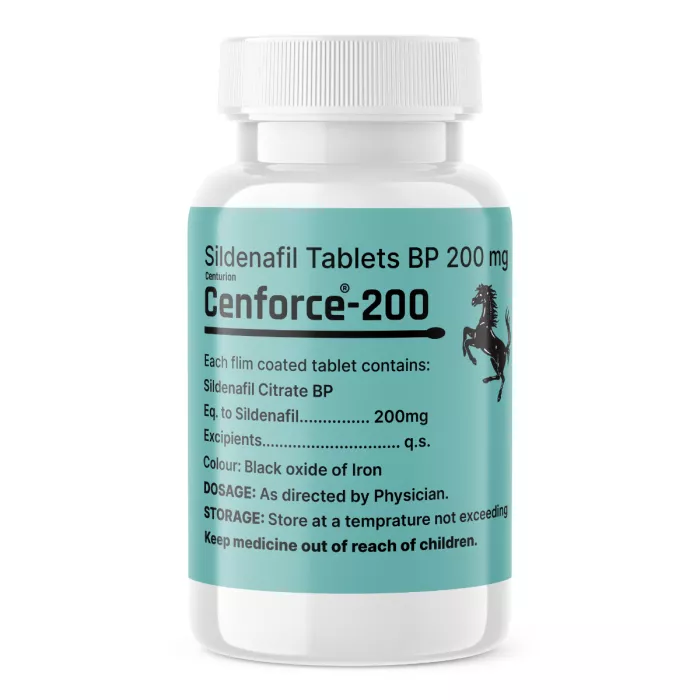
Cenforce 200 mg

Kamagra Oral Jelly Rx 100 mg
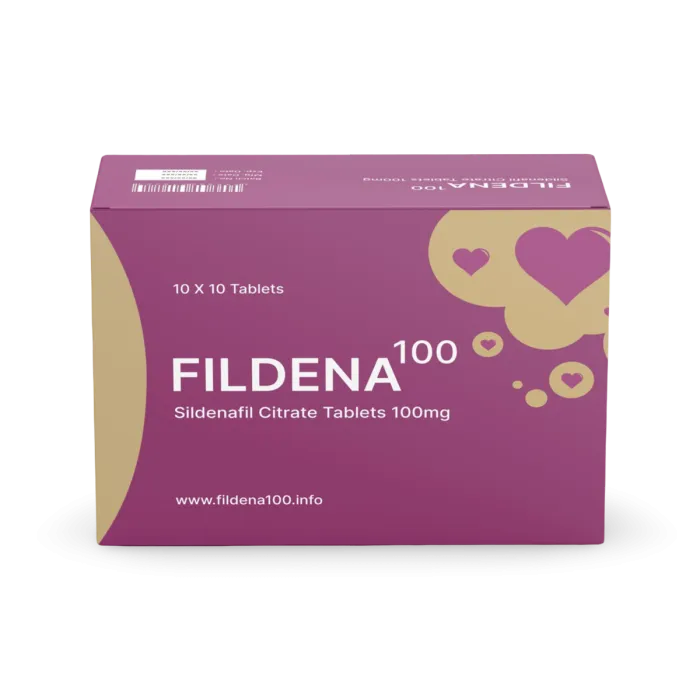
Fildena 100 mg

Vidalista 60 mg
What causes erectile changes with age?
Erections depend on coordinated blood flow, nerve signaling, hormones, and psychological readiness. Aging can affect each of these systems, increasing the likelihood of changes in erection. The most common factors that impact erectile health include:
Reduced blood flow
Adequate blood flow to the penile tissue is essential for firm erections. Age-related vascular changes, such as arterial stiffness, plaque buildup, and reduced blood vessel elasticity, can limit blood supply. This often results in short-lived or weak erections.
Nerve signaling changes
Nerve pathways involved in erections can become less responsive with age. This can occur due to gradual wear and tear on nerve fibers, reduced nerve sensitivity, or minor nerve compression resulting from poor posture, inactivity, or repetitive movements.
Conditions such as spinal degeneration can also impair nerve signalling. These changes can slow the transmission of signals needed for a full or timely erection, leading to weaker or incomplete erectile responses.
Hormonal shifts
Testosterone levels gradually decline with age. While low testosterone does not directly stop erections or cause ED in most men, it can reduce sexual responsiveness and overall sexual interest. This can decrease the strength and quality of erections.
Medical conditions
Certain health conditions in older men can contribute to erection problems by affecting blood flow, inflammation, or hormone levels. Cardiovascular diseases, Obesity, and Metabolic Syndrome can reduce blood circulation to the penis.
Prostate disorders, Diabetes, and Sleep Apnea can also impact erection quality as they alter hormone balance, cause inflammation, or their treatments interfere with normal sexual function.
Medications
Certain medications can interfere with erections by affecting blood flow, nerve function, or hormone balance. Common examples include blood pressure medicines such as beta-blockers, antidepressants, mainly Selective Serotonin Reuptake Inhibitors (SSRIs), prostate medications like alpha-blockers, and some hormonal or psychiatric medicines.
Psychological factors
Mental and emotional health continues to influence erections later in life as men age. Stress, Performance Anxiety, Depression, relationship concerns, and trauma can weaken erections or make them inconsistent, even when physical health is otherwise stable.
How to improve erections in older men?

Managing erection issues in older men requires addressing the underlying contributing health factors. The right option to improve erection quality is decided based on symptom severity, overall health, and how long the erection issues have been present.
Lifestyle and supportive measures are often the first step, while medical treatment is considered when erection problems persist or significantly affect sexual activity.
Lifestyle changes and natural remedies
A few simple adjustments in daily habits can support overall health and maintain erection quality. Some of the options to enhance sexual performance and erections in older men include:
- Regular exercise: Aerobic and resistance exercises improve blood flow, cardiovascular health and weight management to improve erections. Some of the simple options include walking, swimming, yoga, or strength training.
- Healthy diet: A balanced diet rich in fruits, vegetables, whole grains, lean proteins, and healthy fats supports vascular health and hormone balance. Correcting deficiencies in zinc, vitamin D, magnesium, or omega-3 fatty acids can also improve erection quality.
- Adequate sleep: Quality sleep regulates hormones, including testosterone, and supports sexual responsiveness. So, aiming for 7-9 hours of sleep is vital.
- Stress reduction: Practices such as relaxation techniques, mindfulness, meditation, and deep breathing help calm the nervous system. This reduces stress and boosts blood flow, which can improve erection consistency.
- Partner communication: Open discussions with sexual partners can enhance intimacy, reduce Anxiety, and boost sexual confidence, which can improve erections.
- Herbal supplements: Herbal options, such as ginseng, L-arginine, or maca root, may also be beneficial in improving erectile function by boosting blood flow. However, they should be used only under medical supervision.
Medical treatment options
When you are diagnosed with ED, medical treatments can help restore or improve erections. Doctors can prescribe an appropriate treatment option based on symptom severity, underlying causes, and individual health:
- Phosphodiesterase Type 5 (PDE5) inhibitors: Oral ED medicines such as Sildenafil, Tadalafil, Vardenafil, or Avanafil are the first-line treatment for diagnosed ED. These prescription medicines improve penile blood flow and firmness in men with persistent erection difficulties.
- Testosterone therapy: It is prescribed for men with erectile issues due to confirmed low testosterone after proper testing. This hormone therapy improves testosterone levels in older men to improve sexual interest and responsiveness.
- Therapy: It includes options such as Cognitive Behavioral Therapy (CBT), sex therapy, and couples therapy, conducted by medical professionals. These options provide structured support to address stress, Performance Anxiety, Depression, and relationship concerns. It helps men achieve more consistent and satisfying erections in case of psychological issues.
When to see a doctor for erection issues?
Occasional erection changes are common with aging, but medical evaluation is recommended if problems are persistent, worsening, or affecting quality of life. Seek medical advice if erection issues are:
- Persistent or progressively worsening
- Associated with pain
- Accompanied by urinary symptoms like weak or frequent urination
- Observed with blood in semen
- Causing emotional distress or relationship difficulties
Conclusion
Aging naturally brings changes in sexual function, and understanding how it affects older men and erections is crucial. Erections are possible at any age, but factors like reduced blood flow, hormonal shifts, medical conditions like Diabetes, medications like antidepressants, and psychological influences can affect erection quality.
Many older men notice weaker, slower, or inconsistent erections, longer recovery times, and reduced spontaneous erections, with some experiencing clinical Erectile Dysfunction. However, these changes are often manageable. Lifestyle strategies, including regular exercise, a healthy diet, adequate sleep, stress reduction, and open partner communication, can support sexual health and improve erection quality.
Herbal supplements like ginseng and medical interventions like ED medicines, testosterone therapy, or counseling can further enhance erectile function when needed. Early recognition of erection issues can help manage aging and erectile function to maintain satisfying sexual activity, preserve intimacy, and improve overall confidence.

Frequently Asked Questions
Which oil is best for penis blood circulation?
Oils such as coconut, olive, and almond are considered beneficial for penile massage to improve blood flow. However, there is insufficient scientific evidence to suggest that any oil directly enhances penile circulation or improves erections. If you are facing erectile issues, it is always consult a doctor for appropriate guidance.
What can I drink for a full erection?
No drink alone guarantees a full erection. However, you can drink beverages like pomegranate juice, beetroot juice, and green tea, which may support blood flow and vascular health due to their high antioxidant and nitrate content. While they can aid overall circulation, they alone cannot fix erection issues. Combining them with lifestyle or medical interventions is more effective.
At what age does a man stop getting hard?
There is no fixed age at which erections stop. Men can maintain the ability to get hard throughout life, though firmness, frequency, and recovery time can gradually decline with age, health issues, or hormonal changes.
What is the longest-lasting ED treatment?
The longest-lasting ED treatment is a penile implant, which can provide reliable erections for up to 20 years. Among oral medications, Tadalafil lasts the longest, up to 36 hours, offering an extended window for sexual activity.
Are erection problems reversible in older men?
The reversibility of erection issues depends on the underlying cause. Erection problems in older men can often be reversed if they are caused by poor lifestyle and blood flow, or low testosterone. However, issues from severe nerve damage, advanced Diabetes, or surgical injuries do not fully reverse.
Cheap Medicine Shop only refers to credible, authoritative sources for our content. If you’re curious about how we ensure the integrity of our content, we encourage you to read our Content Information Policy.
Recent Web Stories