


Semaglutide, with the brand names Ozempic and Wegovy, is a Glucose-Like Peptide-1 (GLP-1) receptor agonist that helps manage blood sugar control and support weight loss. It helps the pancreas to release insulin, lowers glucose production by the liver, and slows stomach emptying. This can help reduce appetite and support blood sugar balance.
However, like any other medicine, it can cause side effects, and fatigue is among the most commonly reported, which can lead to feeling tired. This usually happens when the body is adjusting to the medicine, appetite drops too much, and food intake decreases. It typically fades away on its own once you adapt to the medication.
This article explains how Semaglutide can make you tired, what to do if it occurs, and when the symptom requires medical attention.
Can Semaglutide make you tired?
Yes, Semaglutide can make you tired, though it is typically a temporary side effect that occurs as your body adjusts to the medication. Fatigue is often most noticeable during the first 48 to 72 hours after a weekly injection, when the medicine level in the blood is at its highest. In many cases, this feeling improves once the dose stabilizes and the body adapts to the medication’s metabolic effects, such as changes in calorie intake.
Save up to 90% on your medicine bills
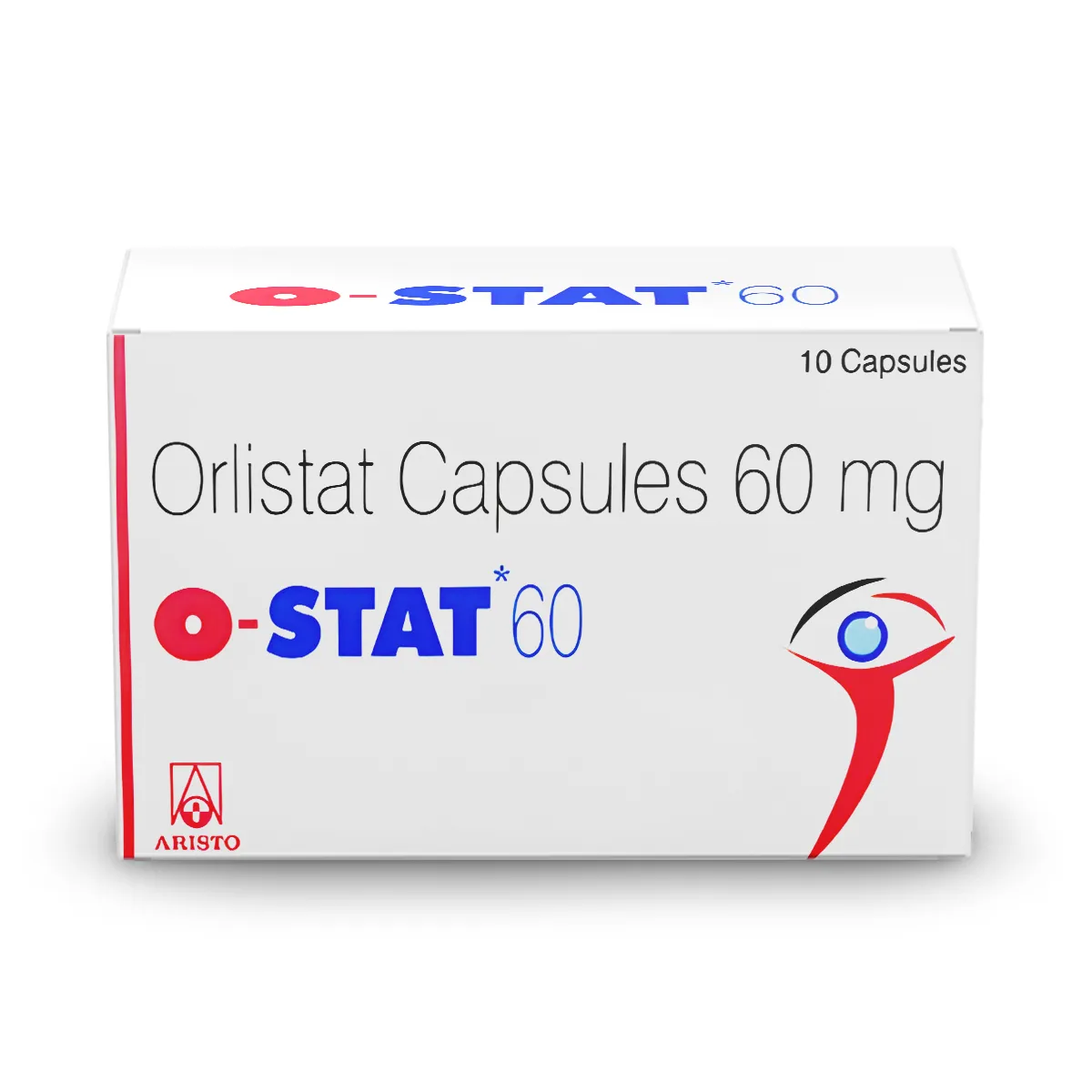
O-Stat 60 Capsule
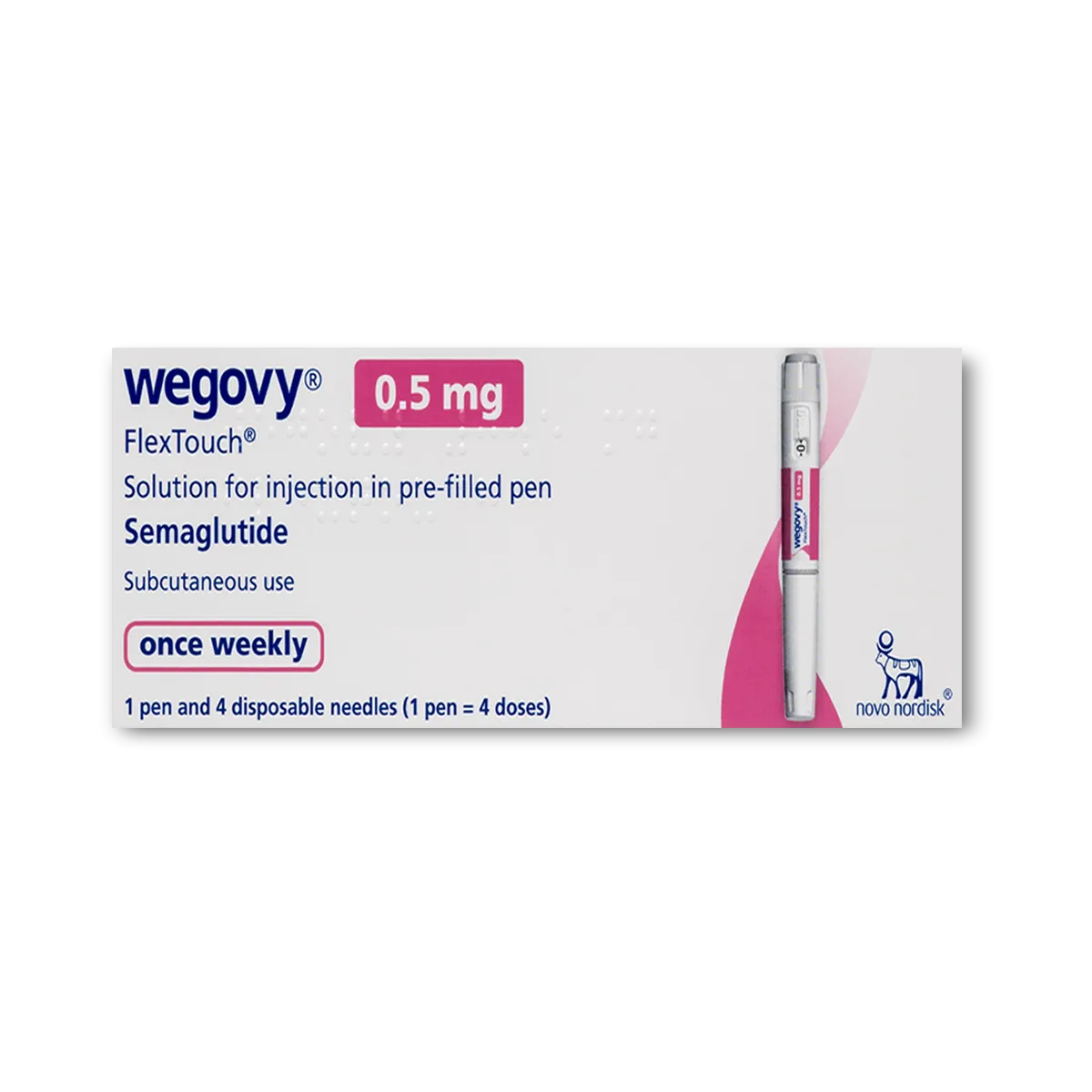
Wegovy 0.5mg
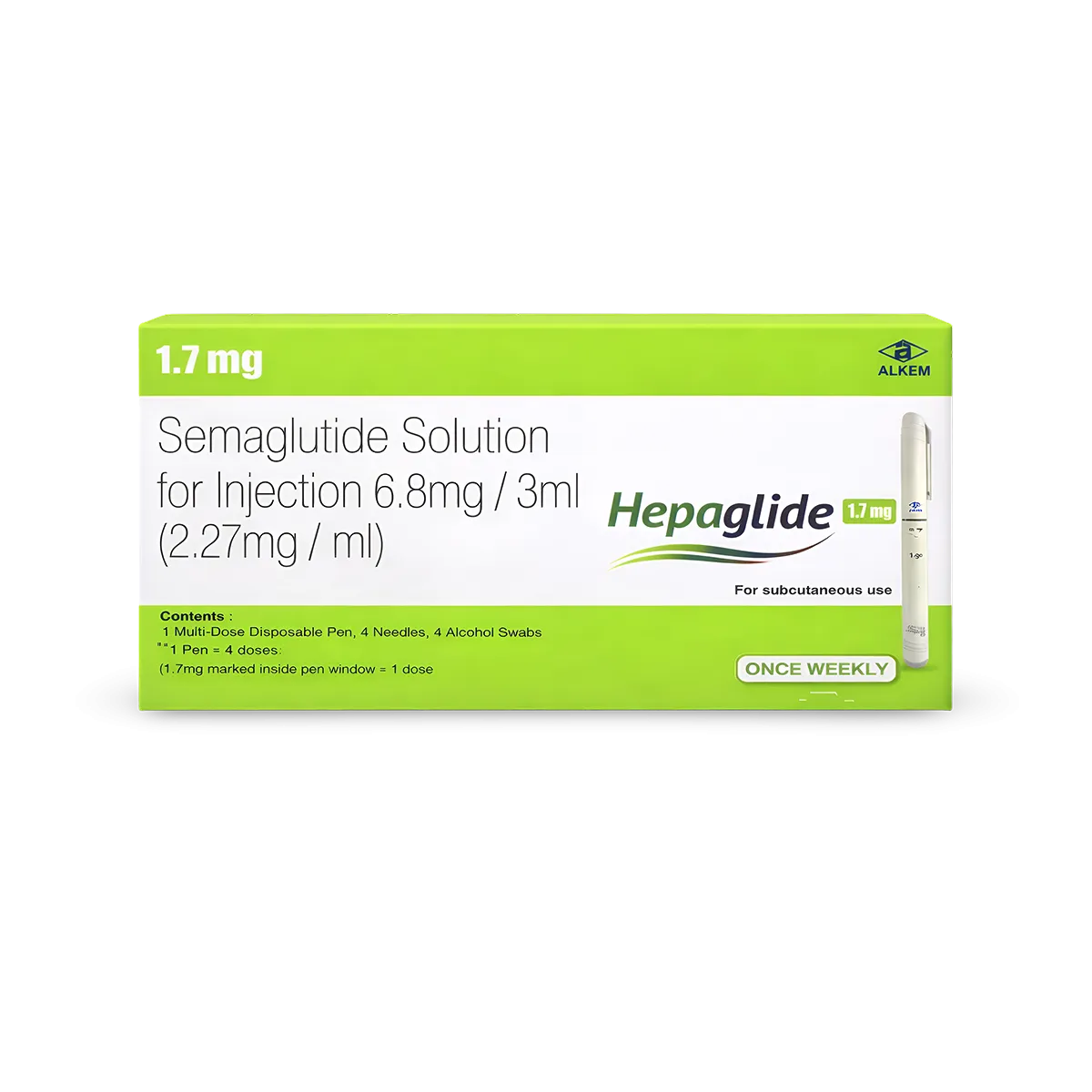
Hepaglide 1.7mg Injection

Obesema 1.7mg Injection
Here’s why Semaglutide can make you tired:
Lower calorie and protein intake
Semaglutide suppresses appetite, which is one of the main reasons it helps with weight loss. Hence, eating much less than usual, especially too little protein, can leave the body short on energy and make tiredness more noticeable.
Blood sugar adjustment
As blood sugar levels improve and eating patterns change, some people notice a temporary low energy while the body adjusts. In those taking insulin or other Diabetes medicines, low blood sugar can also contribute to more severe fatigue.
Body adjustment to rapid weight loss
Rapid weight loss can act as a physical stressor, especially when calorie intake drops sharply. To cope, the body can slow energy use, reduce spontaneous activity, and shift into a conservation mode. This adjustment can leave you feeling sluggish, weak, or mentally drained until the body adapts to the lower intake and weight changes.
Dehydration and digestive side effects
Nausea, vomiting, diarrhea, and reduced fluid intake are common side effects of Semaglutide. These effects can lead to dehydration and electrolyte imbalance, both of which can cause weakness, dizziness, and physical exhaustion.
How long does Semaglutide fatigue last?
Semaglutide-related fatigue usually lasts for a few weeks, but the exact timeline can vary. After the initial 48-72 hours peak, mild tiredness can continue over the first 1 to 4 weeks of treatment. It gradually improves as the body adjusts, typically within 4 to 8 weeks. However, the adjustment period can extend to 12 weeks in some cases.
Some factors can prolong this side effect. They are:
- Dose increases: Each time the dose is raised during titration, tiredness can return for 1 to 2 weeks.
- Inadequate nutrition: Fatigue can continue if protein and calorie intake stay too low to meet the body’s energy needs.
- Poor hydration: Ongoing dehydration can extend fatigue well beyond the normal adjustment period.
If tiredness lasts longer, gets worse, or starts affecting daily activities, it should be reviewed by a doctor.
Tips to manage tiredness or fatigue after taking Semaglutide
While tiredness after taking Semaglutide is usually mild and temporary, a few simple steps can help manage it better as the body adjusts to treatment.
- Choose protein-rich foods: This includes chicken breast, turkey, white fish, eggs, Greek yogurt, cottage cheese, tofu, lentils, and edamame. These foods help support muscle strength and improve energy levels during treatment.
- Eat small portions: Instead of large meals, try smaller meals or snacks every 3 to 4 hours. This can help reduce nausea, prevent long gaps without food, and keep energy levels more stable through the day.
- Add carbohydrates: Include slower-digesting foods such as oats, quinoa, brown rice, and sweet potatoes. These can provide a steadier source of energy and help avoid the crashes that often follow sugary snacks or refined carbohydrates.
- Stay hydrated: Sip water regularly instead of drinking too much at once, and consider electrolyte drinks if fluid loss has been significant.
- Use light movement: A short walk or gentle yoga can sometimes improve tiredness better than resting too much. Light activity helps circulation, supports digestion, and can make the body feel less sluggish.
- Improve sleep: Aim for 7 to 9 hours of sleep each night and avoid lying down immediately after meals if heartburn is a problem.
When to see a doctor
Mild tiredness or fatigue after taking Semaglutide often improves as the body adjusts, but medical advice is needed if fatigue becomes severe, persistent, or happens with other warning signs.
Consult a healthcare professional if the following symptoms occur:
- The tiredness lasts for several days and affects daily activities
- Dry mouth, dizziness, dark urine, or reduced urination
- Low blood sugar symptoms, such as sweating, shakiness, confusion, or blurred vision
- Ongoing nausea or loss of appetite
- Shortness of breath, chest discomfort, or a fast heartbeat
- Fainting, confusion, or severe abdominal pain.
Conclusion
Semaglutide can make you feel tired, particularly during the first few weeks of treatment or after a dose increase. This usually happens because the medicine reduces appetite and alters how the body handles blood sugar.
It can also happen due to the occurrence of other side effects such as nausea, dehydration, or reduced food intake. In most cases, the fatigue is mild and improves as the body adjusts over 4 to 8 weeks.
Simple steps like eating enough protein, staying hydrated, having small, balanced meals, and getting enough rest can help manage it. However, tiredness should not be ignored if it becomes severe, lasts too long, or occurs with symptoms such as dizziness, vomiting, or low blood sugar. Consult a doctor immediately for appropriate treatment.

Frequently Asked Questions
Does Semaglutide affect sleep?
No, Semaglutide does not usually directly affect sleep. However, side effects such as nausea, reflux, stomach discomfort, dehydration, or low blood sugar can disturb sleep in some people, while weight loss and improved metabolic health can help sleep over time. Persistent sleep problems should be discussed with a doctor.
What not to mix with Semaglutide?
Do not mix Semaglutide with Insulin or Sulfonylureas (medicines prescribed for Type 2 Diabetes) without medical supervision, as this can raise the risk of low blood sugar. Use caution with oral medicines that need precise absorption, such as Levothyroxine, because Semaglutide slows stomach emptying. Alcohol can also worsen nausea, vomiting, and dehydration.
Does Ozempic or Wegovy cause more fatigue?
Wegovy can cause more noticeable fatigue than Ozempic in some people because it is given at a higher weekly dose. Wegovy is used up to 2.4 mg weekly, while common Ozempic doses are usually 0.5 mg to 1 mg. However, fatigue can occur with either medicine, as both contain Semaglutide.
Can I lose 20 lbs in 2 months on Semaglutide?
No, losing 20 lb in 2 months on Semaglutide is not typical. It usually takes around 3 to 5 months rather than 2 months. Such rapid loss is possible in those with a higher starting body weight who follow a strict diet and exercise, but it is not the standard outcome.
Cheap Medicine Shop only refers to credible, authoritative sources for our content. If you’re curious about how we ensure the integrity of our content, we encourage you to read our Content Information Policy.