
Erection difficulties are common for all men at some point in life. Many develop issues gradually over time due to age and medical conditions such as Diabetes. Sometimes, troubles with getting and maintaining erections occur suddenly, which often creates fear and panic.
However, sudden Erectile Dysfunction (ED) or Impotence is not always alarming. It is often linked to stress, performance pressure, alcohol use, or an acute physical event. In most cases, simple measures such as improving sleep, reducing alcohol intake, or managing stress restore function.
In some cases, causes of sudden erectile problems are serious, such as injuries to the pelvic region or spinal cord and vascular issues that require immediate medical attention. This article covers everything about sudden Erectile Dysfunction, from causes to management, to help deal with erection issues with confidence and safety.
What is sudden Erectile Dysfunction?
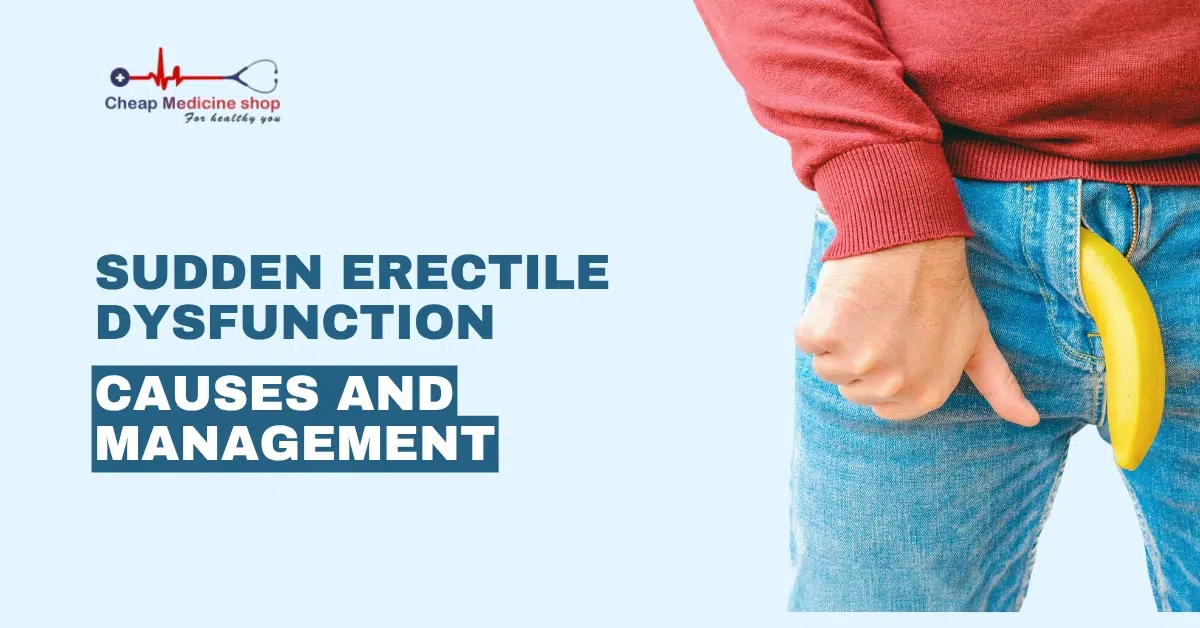
Sudden Erectile Dysfunction refers to a rapid and unexpected loss of the ability to achieve or maintain an erection in someone who previously had normal function. Unlike chronic ED, which develops gradually over months or years, sudden ED is abrupt.
It is not an official medical diagnosis and often indicates temporary erectile issues that signal a recent disruption in psychological signals or lifestyle. However, in some cases, such as injuries or nerve damage, sudden loss of erections can be alarming and sometimes even permanent.
Save up to 90% on your medicine bills
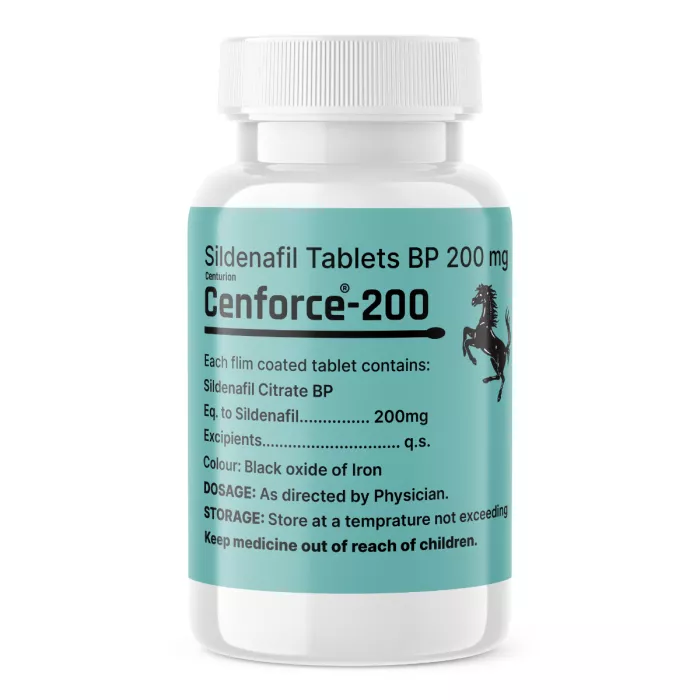
Cenforce 200 mg

Kamagra Oral Jelly Rx 100 mg
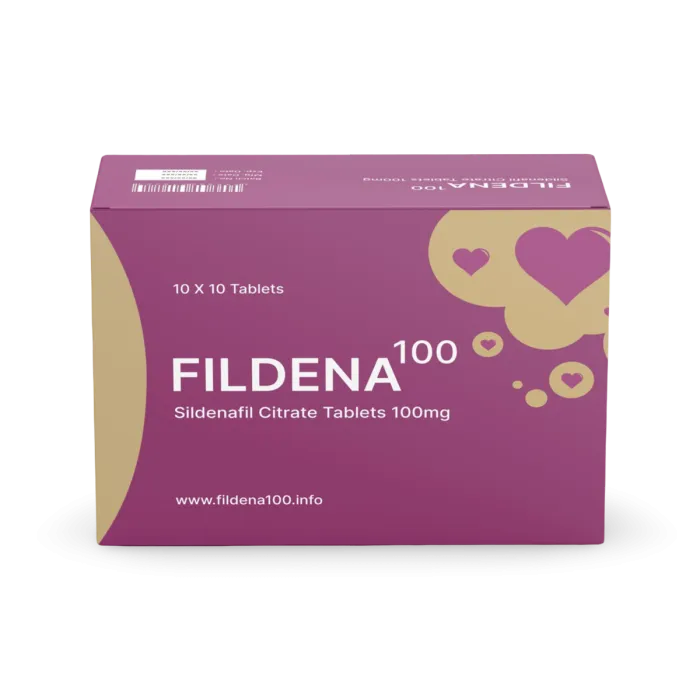
Fildena 100 mg

Vidalista 60 mg
What causes sudden Erectile Dysfunction?
Sudden ED occurs when a recent physical, psychological, or hormonal change disrupts the erection process. It does not develop due to aging or medical conditions like Diabetes, which slowly lead to a decline in erectile function. Some of the causes of sudden ED include:
Psychological causes
The brain plays a central role in erection. Sexual arousal begins with mental stimulation. When the brain activates the stress response, it releases adrenaline (the hormone responsible for the fight-or-flight response). Adrenaline narrows blood vessels and reduces blood flow to the penis, preventing a firm erection.
In case of Psychological ED, morning or solo erections usually remain normal, while difficulty is more noticeable with a partner, indicating that mental signals are affecting erections. Some common psychological triggers include:
- Stress-induced ED: Acute stress from work pressure, financial concerns, family conflict, or major life events can cause a rapid onset of Impotence. Even short-term intense stress and fatigue can disrupt erections.
- Performance Anxiety: A single episode of erection difficulty can create fear of recurrence. This fear activates the stress response during intimacy, leading to a sudden loss of erection despite normal physical health.
- Relationship problems: Emotional tension, unresolved arguments, or lack of intimacy can lower sexual arousal signals from the brain.
Alcohol and substance abuse
Alcohol directly affects the nervous system and blood vessels. While small amounts can initially feel relaxing, higher amounts suppress nerve signals required for an erection.
This effect can cause acute Erectile Dysfunction, with the effect lasting for hours. Similarly, misuse of opioids and stimulants can also impair erection quality. Repeated use can also increase long-term risk.
Medication side effects
A recent medication start or dosage change can trigger sudden ED. Certain medications alter blood pressure, nerve signaling, or hormone levels. Common examples include:
- Antidepressants such as Selective Serotonin Reuptake Inhibitors (SSRIs)
- Blood pressure medications, such as beta blockers
- Anti-anxiety medicines such as benzodiazepines
- Prostate medicines such as 5-alpha-reductase inhibitors
Vascular issues
An erection depends on rapid blood flow into the penile arteries. If that blood flow is suddenly reduced, erection quality can decline immediately. Although less common than psychological triggers for sudden ED, vascular causes are clinically significant.
Some of them include abrupt arterial narrowing, small blood clots, and uncontrolled spikes in blood pressure. Early Endothelial Dysfunction (impaired function of the inner lining of blood vessels) can also cause sudden ED.
In some cases, the rapid onset of Impotence can be the first noticeable sign of undiagnosed cardiovascular disease. As penile arteries are smaller and more sensitive to circulation changes than larger heart arteries, ED can appear 2-5 years before cardiovascular issues.
Hormone imbalance
Hormones influence sexual desire and erectile signaling. Although most hormonal causes of ED develop gradually, sudden hormonal fluctuations can occasionally contribute to the rapid onset of Impotence.
A sharp decline in testosterone due to acute illness, certain medications such as steroids, or endocrine disorders can reduce libido and weaken the quality of erections. Elevated prolactin (a hormone that can suppress testosterone) can also interfere with sexual function.
Neurological causes
Erections depend on intact nerve pathways between the brain, spinal cord, and penis. If these signals are suddenly interrupted, erectile function can stop abruptly. Some of the examples include injury to the spinal cord and pelvic region.
Conditions affecting the brain or spinal cord, such as stroke or nerve compression due to conditions such as tumors, can suddenly impair erectile signaling.
Management of sudden Erectile Dysfunction
Most cases of sudden ED improve once the underlying trigger is identified and corrected. When the cause is stress, alcohol use, medication effects, or Performance Anxiety, simple adjustments can significantly restore erectile function.
However, medical treatment may be necessary if a vascular, neurological, or persistent issue is identified. Some of the common management options include:
- Stress management: Relaxation techniques, mindfulness practices, counseling, and Cognitive Behavioral Therapy (CBT) help reduce Performance Anxiety and reduce stress to improve erectile function.
- Lifestyle improvements: Regular exercise, a balanced diet, weight management, and improved sleep can enhance blood flow and hormone balance, both of which are necessary for firm erections.
- Medication review: Adjusting or switching medications under medical supervision can resolve medication side effects contributing to sudden ED.
- Reducing alcohol and stimulants: Limiting alcohol and avoiding the misuse of stimulants supports normal nerve signaling and vascular response.
- Treatment of underlying concerns: When sudden Erectile Dysfunction is linked to a vascular, neurological, or hormonal issue, medical treatment to address these factors can improve erections.
- Phosphodiesterase 5 (PDE5) inhibitors: If needed, doctors can prescribe oral ED medicines, such as Sildenafil or Tadalafil, to improve erections and confidence, while the underlying trigger is being addressed.
When to see a doctor for sudden ED?
Most cases of sudden Erectile Dysfunction are not emergencies. However, certain situations require urgent care. Seek medical attention if sudden ED:
- Occurs with chest pain or pressure, shortness of breath, palpitations, or numbness in the lower body
- Begins after a stroke, severe pelvic or spinal injury
- Persists for more than a few weeks
- Causes distress or affects relationships
- Is accompanied by blood in the urine, frequent urination, or abdominal pain
- Appears after using certain medications
Conclusion
Sudden Erectile Dysfunction is an abrupt loss of the ability to get or maintain erections, unlike chronic ED, which develops gradually over time. It can feel alarming, but in most cases, it is triggered by temporary factors such as stress, Performance Anxiety, alcohol use, or recent medication changes.
Lifestyle improvements, stress management, medication review, and reducing substance use can often restore normal erectile function. In some cases, treating underlying causes such as vascular issues and prescription ED medications such as Sildenafil can improve erections.
While most cases are not emergencies, persistent symptoms or ED accompanied by chest pain, neurological symptoms, or injury require immediate medical attention. Early evaluation ensures both sexual health and overall cardiovascular safety.

Frequently Asked Questions
How long will it take for ED to go away?
Sudden Erectile Dysfunction (ED) often resolves within a few days to weeks, especially if triggered by temporary stress, fatigue, or alcohol. However, it can persist in cases of vascular issues and injuries, requiring medical treatment for management.
What is the average age for Erectile Dysfunction?
The average age of ED is 40-70, with the possibility of developing ED and its severity increasing with age. However, erection difficulties can occur at any age, depending on psychological and physical health factors.
Is sudden ED reversible?
Reversibility of ED depends on the underlying cause. It is often reversible when triggered by stress, medication effects, or alcohol use. However, in the case of permanent nerve damage or severe vascular issues, ED cannot often be reversed.
How do I confirm that I have ED?
You can confirm that you have ED only through a medical evaluation. If difficulty achieving or maintaining an erection occurs consistently for several weeks and affects sexual activity, consult a doctor. They will conduct physical exams, lab tests, check medication history, and also assess psychological factors to confirm ED.
Is ED in young men mostly psychological?
Yes, in younger men, psychological factors such as stress, anxiety, and performance pressure frequently contribute to erection difficulties. While physical causes are still possible, mental and emotional triggers account for a substantial proportion of cases in young men.
Cheap Medicine Shop only refers to credible, authoritative sources for our content. If you’re curious about how we ensure the integrity of our content, we encourage you to read our Content Information Policy.
Recent Web Stories