


Depression is one of the most common causes of declining libido. Low mood, fatigue, emotional withdrawal, and reduced motivation directly affect sexual drive. When treatment begins, medications such as Selective Serotonin Reuptake Inhibitors (SSRIs) and Serotonin Norepinephrine Reuptake Inhibitors (SNRIs) improve mood but can further reduce libido in some individuals.
As Depression treatment cannot be stopped abruptly, it is vital to understand how to increase libido while on antidepressants safely. Strategies such as dose adjustment and lifestyle modifications can help improve sexual function and restore libido.
This article covers 7 effective ways to boost libido while on antidepressants. It includes a combination of natural and medical options to manage sex drive without compromising mental health.
1. Dose adjustment
Antidepressants, particularly SSRIs and SNRIs, increase serotonin levels to improve mood. However, higher serotonin activity suppresses the hormone and neurotransmitter dopamine, which is responsible for pleasure, mood, and sexual motivation. By suppressing it, SSRIs and SNRIs cause sexual dysfunction, reducing sexual desire, delaying orgasm, and lowering sexual responsiveness.
To manage these sexual side effects, doctors usually reduce the dose of antidepressants. Dose changes should always be gradual to avoid withdrawal symptoms or recurrence of Depression. Adjusting dosage without medical supervision is not advised.
Save up to 90% on your medicine bills
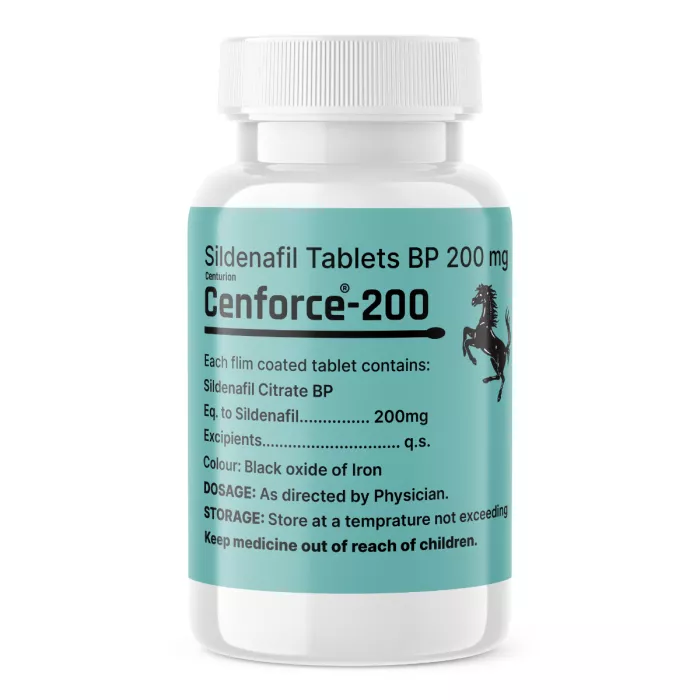
Cenforce 200 mg

Kamagra Oral Jelly Rx 100 mg
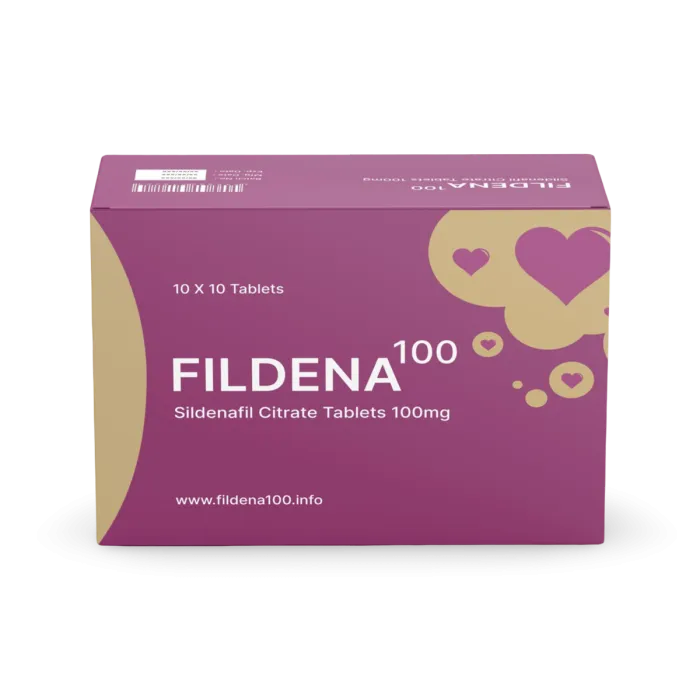
Fildena 100 mg

Vidalista 60 mg
2. Switching to antidepressants with lower sexual side effects
If symptoms persist despite dose adjustments, switching to antidepressants that are less likely to impair libido can be considered under medical supervision. Some of the options that do not increase serotonin and work by enhancing norepinephrine (a neurotransmitter that boosts arousal, sexual excitement, and alertness) and dopamine include Bupropion and Mirtazapine.
According to multiple studies, SSRIs cause sexual side effects in 40-70% individuals, while the instances are lower than 20% in the case of medicines like Bupropion. This difference makes them a preferred option when preserving sexual function is a priority, alongside managing Depression.
3. Add-on therapy
In some cases, antidepressants are not discontinued or switched. Instead, doctors prescribe an additional medication to counteract sexual side effects. Bupropion and Buspirone can be added to an SSRI or SNRI to enhance dopamine activity and improve libido.
This approach allows continuation of the primary antidepressant to treat Depression while addressing sexual dysfunction. It is often considered when the current antidepressant is highly effective for mood symptoms and reducing its dosage or switching medicine has a risk of relapse (worsening symptoms).
4. Lifestyle and behavioral adjustments
Improving overall physical and psychological health enhances neurotransmitter balance and hormonal regulation. The following adjustments may support libido recovery:
- Stress reduction: Techniques such as yoga and mindfulness can lower the stress hormone cortisol, which suppresses sexual desire.
- Regular exercise: Moderate aerobic activities, such as brisk walking, cycling, or swimming, can improve dopamine signaling and increase energy levels.
- Sleep regulation: A quality sleep of 7-9 hours supports testosterone production and stabilizes mood, which can help boost libido.
- Limiting alcohol: Alcohol suppresses libido by acting as a central nervous system depressant that reduces arousal, impairs nerve sensitivity, and disrupts hormone balance. So, limiting alcohol prevents suppression of sexual responsiveness.
5. Supplements to increase libido
Certain supplements, such as maca, ginseng, and L-arginine, are marketed to improve libido. These substances can influence blood flow, energy metabolism, or hormonal signaling to boost sexual desire. However, current scientific evidence remains limited and inconsistent.
Some of the supplements can also interact with antidepressants or affect serotonin levels. So, consulting a doctor before using them alongside psychiatric medication is crucial to ensure safety and avoid complications.
6. Psychotherapy and behavioral strategies
Cognitive Behavioral Therapy (CBT) and couples therapy address psychological and relationship factors that continue to affect libido while on antidepressants. Antidepressant-related sexual side effects, such as reduced desire and delayed arousal, are often worsened by Performance Anxiety, reduced intimacy, and relationship strain.
By reducing performance pressure, improving communication, and rebuilding emotional and physical intimacy, these approaches strengthen sexual stimulation and responsiveness. This helps improve libido even with the use of antidepressants.
7. Libido medicines
When sexual dysfunction persists despite adjusting or changing antidepressants and lifestyle adjustments, certain medicines can help improve libido. For men experiencing sexual dysfunction with antidepressant use, there are no approved medicines to specifically boost libido. However, doctors can prescribe Phosphodiesterase-5 (PDE5) inhibitors such as Sildenafil or Tadalafil off-label to improve sexual function.
For premenopausal women using antidepressants who develop Hypoactive Sexual Desire Disorder (HSDD), which is a lack of sexual desire, specific FDA-approved treatments can boost libido. They include Flibanserin (Addyi) and Bremelanotide (Vyleesi). In 2025, the FDA approved Flibanserin (Addyi) for postmenopausal women under 65 to treat HSDD. However, these are prescription medicines. So, it is vital to consult a qualified doctor before using them to ensure safety.
Conclusion
Antidepressants, particularly SSRIs and SNRIs, increase serotonin levels and suppress dopamine, which often causes loss of libido. So, to increase libido while on antidepressants, doctors can adjust their dosage, switch to alternative medicines such as Bupropion, or consider add-on therapy when appropriate.
Psychotherapy, supplements like L-arginine, and lifestyle modifications such as better sleep and exercise can help boost libido. In some cases, doctors can also prescribe medicines off-label, such as Sildenafil, to boost libido in men.
For women under 65 with HSDD, FDA-approved medicine like Flibanserin can enhance sex drive. A medically supervised approach ensures that sexual health improves without compromising mental health stability.

Frequently Asked Questions
Is decreased libido from antidepressants permanent?
No, in most cases, decreased libido from antidepressants is not permanent. Sexual side effects often improve with dose adjustments, switching medications, or discontinuation under medical supervision. Persistent cases are rare but may require specialist evaluation.
What boosts libido immediately?
There is no universally safe medication or natural remedy that boosts libido immediately. Short-term improvements can occur with stress reduction or improved sleep. Adjusting the dosage of medicines that are affecting libido under medical supervision can also help.
What are the symptoms of low libido?
Symptoms of low libido include reduced interest in sexual activity, fewer sexual thoughts or fantasies, difficulty becoming aroused, and emotional detachment during intimacy. Persistent symptoms lasting several months need medical assessment.
What medications cause horniness?
Certain medications, including dopamine-enhancing medicines used in neurological conditions, can increase sexual urges as a side effect. However, these should never be used to increase sexual desire in cases of Depression or antidepressant-related sexual dysfunction.
What is the difference between Depression-related and antidepressant-induced low libido?
Depression-related low libido develops gradually with worsening mood and often improves as mental health stabilizes. In contrast, antidepressant-induced low libido typically begins after starting or increasing the dose of medication and can persist even when mood symptoms improve, often with delayed orgasm or reduced sensitivity.
Cheap Medicine Shop only refers to credible, authoritative sources for our content. If you’re curious about how we ensure the integrity of our content, we encourage you to read our Content Information Policy.
Recent Web Stories