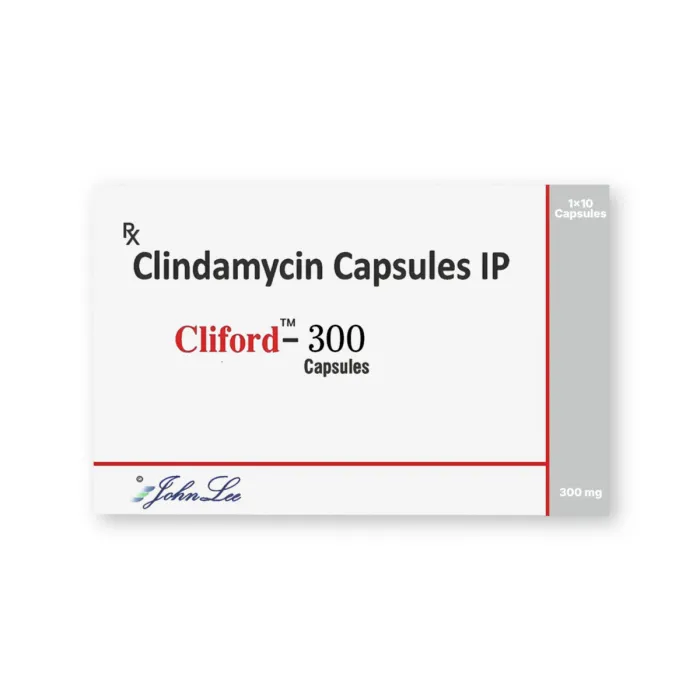
What is Cliford 300 mg tablet
Cliford 300 mg tablet is a prescription antibiotic designed to combat bacterial infections effectively. Manufactured by Johnlee Pharmaceuticals Pvt Ltd, it contains Clindamycin (300 mg). This Lincosamide antibiotic works by inhibiting bacterial protein synthesis, preventing the bacteria from multiplying and spreading further within the body.
This medication is widely used to treat bacterial infections such as respiratory tract infections, skin infections, bone infections, and intra-abdominal infections. It is particularly effective against Gram-positive and anaerobic bacterial strains, making it a versatile option for various infections.
Cliford is available in tablet form and should be taken precisely as a healthcare professional prescribes. Adherence to the recommended dosage is crucial to ensure maximum effectiveness while minimizing the risk of antibiotic resistance. While generally well-tolerated, some individuals may experience mild side effects such as nausea, diarrhea, or stomach discomfort.
For best results, patients should complete the prescribed course and avoid skipping doses. Stopping the medication prematurely may lead to a relapse or antibiotic resistance, making future treatments less effective. Always consult your doctor for guidance on proper use and potential precautions.
What are the benefits of Cliford 300 mg tablet
Cliford 300 is a potent antibiotic used to treat bacterial infections effectively. It inhibits bacterial protein synthesis, halting their growth and preventing further spread. This action promotes faster recovery, reduces symptoms, and lowers the risk of complications associated with persistent infections.
Key benefits of Cliford 300 mg tablet are:
- Respiratory infection treatment: Effective against bacterial infections affecting the lungs and throat.
- Skin and soft tissue infections: Treat bacterial skin conditions, including Cellulitis and Ascesses.
- Bone and joint infections: These are used in osteomyelitis and joint infections caused by bacteria.
- Abdominal infections: Helps treat peritonitis and intra-abdominal bacterial infections.
How to take Cliford 300 mg tablet
Cliford 300 mg is a prescription medication. Consult your doctor before use. General guidelines include:
- Take Cliford precisely as your doctor has directed.
- Swallow the tablet whole with a full glass of water; do not crush or chew.
- It is best taken with food to minimize stomach discomfort.
- Maintain a consistent schedule to improve effectiveness.
- If a dose is missed, take it as soon as you remember. Do not double dose.
Strengths and substitutes
Cliford has various strengths and substitutes. Your doctor will determine the appropriate dosage based on your medical condition and response to treatment.
Available strengths include:
View all substitutes
What are the side effects of Cliford 300 mg tablet
Cliford 300 mg is generally safe when taken as prescribed, but some individuals may experience mild side effects, including:
- Nausea or vomiting
- Diarrhea
- Abdominal pain
- Skin rash
- Loss of appetite
- Fatigue
Seek medical attention if side effects persist or worsen.
Safety Advice
 Liver disease
Individuals with liver conditions should use Cliford with caution, as impaired liver function may slow down drug metabolism. Regular liver function tests may be necessary to ensure safe use and prevent complications during treatment.
 Kidney impairment
Patients with kidney issues must take Cliford 300 under strict medical supervision. Reduced kidney function can impact drug clearance, increasing the risk of adverse effects. Regular renal monitoring may be required to ensure safe and effective treatment.
 Pregnant and breastfeeding women
Cliford 300 should only be used during pregnancy or while nursing if necessary. Always consult your healthcare provider for alternative options to ensure the safety of both mother and baby.
 Avoid
Avoid
Avoid alcohol consumption, as it may intensify dizziness or stomach discomfort. Refrain from driving or handling heavy machinery while on this medication, as it can cause drowsiness, affecting concentration and coordination.
FAQs
Can I drink alcohol while taking Cliford 300 mg?
Avoid alcohol while taking Cliford, as it may increase stomach irritation, dizziness, or drowsiness. Alcohol can also reduce antibiotic effectiveness, making treatment less effective. To ensure safety and the best results, follow your doctor's guidance and avoid drinking during treatment.
How long does Cliford 300 mg take to work?
Cliford 300 starts acting within hours, but visible improvement may take two to three days. Completing the course is crucial to prevent antibiotic resistance and ensure proper recovery. Skipping doses or stopping early can cause reinfection and reduce treatment effectiveness.
Can Cliford 300 mg cause Diarrhea?
Yes, Cliford may cause mild Diarrhea as a side effect. It usually resolves without treatment. However, if diarrhea persists, worsens, or contains blood, contact your doctor immediately, as it could indicate a severe intestinal condition requiring medical attention.
What should I do if I miss a dose of Cliford 300 mg?
Take the missed dose as soon as you remember. If your next Cliford dose is near, skip the missed dose and continue as scheduled. Never double the dose to compensate, as this increases the risk of side effects and complications.
Can Cliford 300 be taken with other antibiotics?
Only take Cliford with other antibiotics if prescribed by a doctor. Combining antibiotics without medical advice may reduce effectiveness, increase side effects, or cause harmful drug interactions. Always consult your doctor before taking multiple antibiotics together.
Is Cliford 300 safe for elderly patients?
Yes, elderly patients can take Cliford, but dosage adjustments may be needed due to kidney or liver function changes. Regular monitoring is recommended to ensure safe and effective use and minimize potential risks and side effects.
Can I stop taking Cliford 300 mg if I feel better?
No, complete the entire prescribed course even if you feel better. Stopping early can allow bacteria to survive, leading to reinfection and antibiotic resistance. Always follow your doctor's instructions for the entire duration of treatment to ensure complete recovery.