
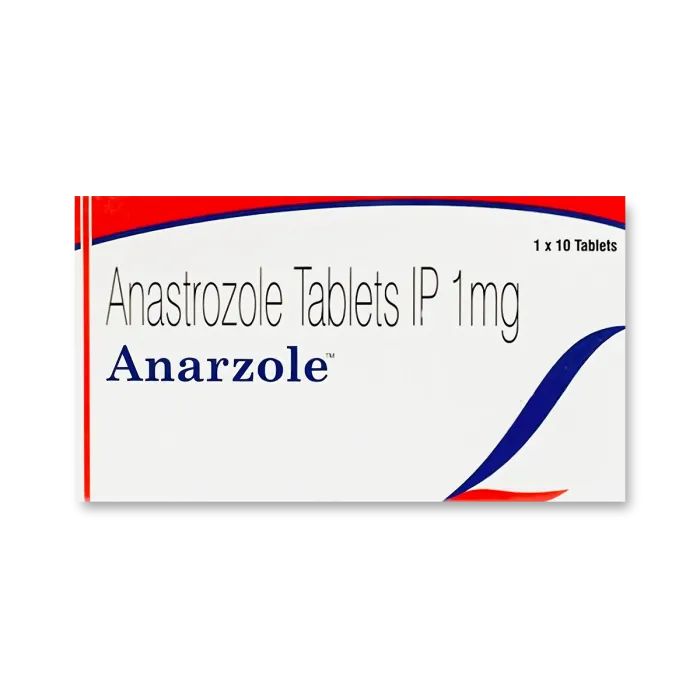
Anarzole 1 Mg Tablet
Starting at just
$17.23
In stock
Only %1 left
SKU
CMS5286
Anarzole 1 mg Tablet is primarily indicated as an anticancer medicine to treat early hormone receptor-positive breast cancer in postmenopausal women. It contains an FDA-approved active salt: Anastrozole, which belongs to the medicine class known as Aromatase Inhibitors. RPG Life Sciences Ltd manufactures this medicine.
Anastrozole helps lower estrogen levels in the body, slowing or stopping the growth of certain types of breast cancer cells that require estrogen to grow. It is often used alone or alongside surgery or radiation for early or advanced breast cancer in postmenopausal women.
Common side effects include numbness, hot flashes, and back pain. The medication's effectiveness may be different if taken alongside medicines containing estrogen or Tamoxifen. Other significant interactions include diseases like liver and kidney disease.
Inform the doctor of any underlying conditions patients may have to ensure the safety and effectiveness of the medication. Regular checkups of bone density and vitamin D levels may be necessary during treatment. Always follow the doctor's instructions while taking Anarzole to prevent complications and inform the doctor of any persistent side effects if faced.
Anarzole 1 mg Tablet offers several significant benefits, specifically for postmenopausal women with hormone receptor-positive breast cancer.
These benefits make Anarzole a viable option for treatment and prevention in these patients.
Patients should take this prescription-based medication per the doctor's instructions. Here are some general guidelines.
The strengths and substitutes of Anarzole 1 mg Tablet available at Cheap Medicine Shop are:
| Anazole Tablet | $15/ 10 tablets |
| Adova 1 mg Tablets’ | $24.90/ 10 tablets |
| Stazonex 1 mg Tablets | $10.30/ 10 tablets |
Like any medication, Anarzole may cause some side effects, including:
These side effects are mild and will disappear as the body adjusts. However, consult a healthcare professional if they continue or worsen.
 Liver disease
Patients with liver disease should take Anarzole with caution. The liver primarily processes Anastrozole, and its dysfunction can lead to a longer stay of the medication, resulting in adverse effects. Consult a doctor for possible dose adjustments and close monitoring.
 Kidney impairment
It is safe for patients with kidney impairment to use Anarzole 1 mg Tablet, with no possible dose adjustments. However, as a precaution, consult a doctor before taking the medication.
 Pregnancy and breastfeeding
Anarzole should be avoided during pregnancy due to its adverse effects on the developing fetus. Similarly, nursing mothers should not use the medication as the medicine is excreted into the breast milk, which can be harmful for the infant. Consult a doctor for appropriate treatment.
 Avoid
Avoid
Avoid taking the medication if you are allergic to Anastrozole. Alcohol can heighten the chance of experiencing side effects; thus, caution is advised.
If you miss a dose, take it as soon as possible. However, if it's time for the next dose, skip the previous one and continue with your regular schedule. You should never double the dose to make up for a missed one.
If you feel nauseous after taking Anarzole 1 mg Tablet, try taking the medication after a meal or with food or milk, as this can help reduce nausea and stomach discomfort. Nausea is a common side effect that often improves over time. Consult a doctor immediately if the symptom persists.
No, you should not stop taking Anarzole without your doctor's approval, even if you feel well. Stopping early can reduce the effectiveness of your treatment. It is essential to complete the duration as prescribed by your doctor.
Due to its estrogen-lowering effects, Anarzole 1 mg Tablet can cause vaginal bleeding and dryness. Bleeding may occur early in treatment and should be reported if it persists or starts later. Vaginal dryness is common and can be managed with non-hormonal moisturizers. Consult your healthcare provider if these symptoms are severe or ongoing.
Anarzole 1 mg Tablet should be used with caution if you have a history of heart disease, as it can increase the risk of heart problems or worsen existing conditions. You should inform your doctor about your heart history so they can monitor you closely and manage any symptoms promptly.