
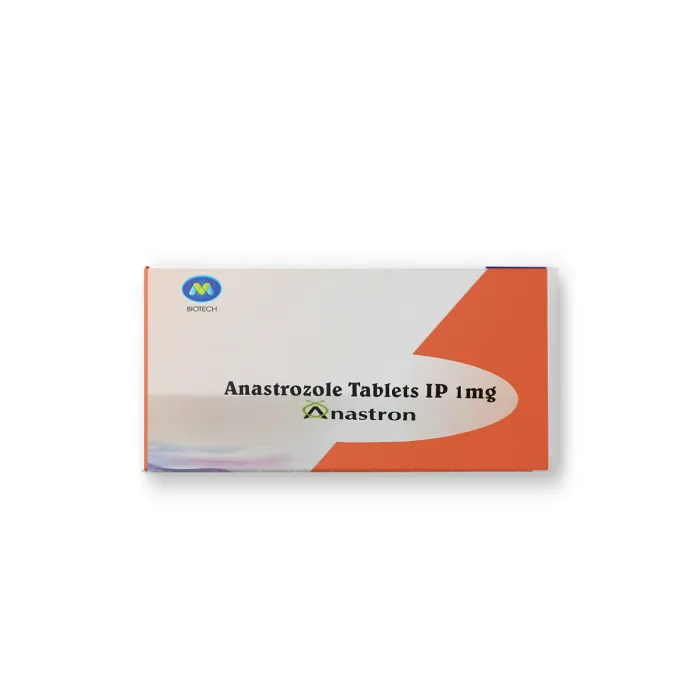
Anastron 1 Mg Tablet
Starting at just
$35.74
In stock
Only %1 left
SKU
CMS5393
Anastron 1 mg is a precision oncology medicine used primarily in the treatment of hormone receptor-positive Breast Cancer in postmenopausal women. Its active ingredient is Anastrozole (1mg), classified as an aromatase inhibitor that works by reducing Estrogen production in postmenopausal women.
By decreasing Estrogen levels, Anastron helps prevent the growth and recurrence of certain Breast Cancer tumors that rely on Estrogen to grow. This medication is particularly valuable as adjuvant therapy following primary treatment for early-stage Breast Cancer, helping to reduce the risk of recurrence.
It's also prescribed for advanced Breast Cancer treatment in patients who have shown progression after Tamoxifen therapy. Anastron offers a targeted approach with fewer side effects compared to traditional chemotherapy.
Medion Biotech is the renowned manufacturer of Anastron 1 mg. It ensures pharmaceutical excellence through advanced production techniques and stringent quality control measures that meet international standards.
Anastron 1 mg operates through a sophisticated biochemical mechanism that selectively inhibits the aromatase enzyme. This enzyme typically converts androgens into Estrogen in postmenopausal women. By blocking this enzymatic conversion, Anastron significantly reduces circulating Estrogen levels by up to 70-80%, effectively starving Estrogen-dependent Cancer cells of their growth stimulus.
The clinical benefits of Anastron include:
It is crucial to note that Anastron is specifically indicated for postmenopausal women and should not be used in premenopausal patients, as its mechanism relies on postmenopausal hormonal patterns.
Anastron is a prescription medication that should be taken per your doctor's instructions. Here are the general guidelines:
Currently, there are no strength alternatives available for Anastron. However, the following substitutes are available:
| $24.90 / 10 tablets | |
| $11.10 / 10 tablets | |
| $16.10 / 10 tablets |
Anastron is generally well-tolerated. However, it may cause side effects, including:
These adverse effects typically do not require discontinuation of therapy and often improve over time. However, persistent severe joint pain or significant bone density loss should be discussed with your healthcare provider.
 Liver disease
Patients with mild to moderate liver impairment can generally take Anastron without dose adjustment, though more frequent liver function monitoring may be recommended. Those with severe hepatic impairment should use this medication with caution, as drug clearance may be reduced, potentially increasing exposure to the active ingredient.
 Kidney impairment
No dose adjustments are typically necessary for patients with mild to moderate kidney impairment. Close monitoring is advised for those with severe Renal Dysfunction (creatinine clearance less than 20 mL/min), although pharmacokinetic studies have shown minimal impact on drug clearance through renal pathways.
 Pregnant and breastfeeding women
Anastron is contraindicated during pregnancy and should not be used by women who may become pregnant. It is classified as Pregnancy Category X, indicating known fetal harm. Additionally, it is unknown whether Anastrozole passes into breast milk, so the medication should not be used during breastfeeding.
 Avoid
Avoid
Estrogen-containing products, including certain herbal supplements like black cohosh or red clover, should be avoided as they may interfere with Anastron therapeutic effect. Limit alcohol intake as it may increase the risk of Osteoporosis.
The standard recommended dosage is one 1 mg tablet taken once daily. This dose is appropriate for all approved indications and typically doesn't require adjustment based on age. The treatment duration is usually five years for early breast cancer adjuvant therapy.
Anastron 1 mg has relatively few significant drug interactions. However, always inform your doctor about all medications you're taking, especially Tamoxifen and Estrogen-containing therapies, as these may reduce effectiveness. Most common medications, including pain relievers and antibiotics, can be safely taken.
Yes, Anastron is often incorporated into comprehensive treatment plans. It can be used sequentially after chemotherapy and radiation therapy and concurrently with targeted therapies like trastuzumab (Herceptin) for HER2-positive Cancers. It should not be combined with other hormonal therapies like Tamoxifen.
Anastron (Anastrozole) is a non-steroidal aromatase inhibitor that differs slightly from letrozole and exemestane in chemical structure and binding properties. While all three are effective, some patients experience fewer side effects with one versus another, allowing physicians to switch medications if needed.
Regular bone density monitoring is recommended due to increased osteoporosis risk. Most physicians advise daily calcium (1000-1200 mg) and vitamin D (800-1000 IU) supplementation, weight-bearing exercise, and smoking cessation. Bisphosphonate medications may be prescribed if significant bone loss occurs.