
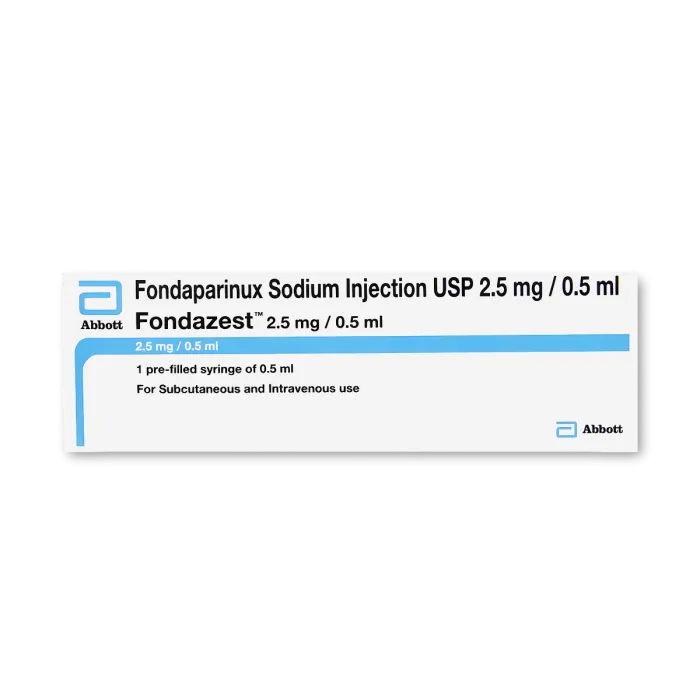
Fondazest 2.5 Injection
Starting at just
$82.35
In stock
Only %1 left
SKU
CMS8539
Fondazest 2.5 offers targeted blood thinning therapy with FDA-approved Fondaparinux 2.5 mg for the best clot prevention. Abbott makes this precision-dosed injection specifically for patients needing lower-strength blood thinning. The medicine blocks specific Factor Xa (clotting protein) without affecting other clotting factors.
This special dosage suits patients with moderate blood clot risk. Fondaparinux 2.5 prevents Venous Thromboembolism (blood clots in veins) in medical and surgical settings. The man-made pentasaccharide (sugar-like) structure ensures consistent treatment effects across patients.
Possible adverse effects include minor bleeding episodes and injection site discomfort. Serious bleeding problems remain rare but need immediate medical help. Patient watching focuses on clinical signs rather than routine lab testing.
Storage needs refrigeration between 2-8°C with protection from freezing temperatures. Healthcare professionals must follow sterile injection techniques. The medicine stays stable when appropriately stored according to the manufacturer's guidelines.
Fondazest 2.5 delivers precise blood thinning through specific Factor Xa blocking in the blood clotting process. This targeted approach prevents excessive bleeding while maintaining effective clot prevention. The medicine offers predictable effects with once-daily dosing convenience.
Treatment advantages include:
Fondazest 2.5 is a prescription medication that should be taken as per your doctor's instructions. Here are the general guidelines:
The strengths and substitutes available for Fondazest 2.5 at Cheap Medicine Shop are:
| Fondazest 7.5 Injection | $59.65/injection |
Fondazest 2.5 is generally safe when used under medical supervision. However, it may cause side effects, including:
These side effects usually resolve spontaneously and rarely require treatment discontinuation or medical intervention. However, consult a doctor if you feel uneasy or experience persistent effects.
 Liver disease
Mild liver problems typically don't need dose changes for Fondazest 2.5 therapy. Moderate to severe liver dysfunction may increase bleeding risks and require careful medical assessment. Watch liver function tests regularly during long treatment courses.
 Kidney impairment
Fondaparinux removal depends mainly on kidney function, requiring dose changes in kidney problems. Patients with kidney clearance of 30-50 mL/min may need to adjust their dosing. Severe kidney disease makes the use of Fondazest 2.5 completely unsafe.
 Pregnant and breastfeeding women
Limited pregnancy information suggests Fondaparinux may be used when the benefits outweigh possible risks to the developing baby. Breastfeeding mothers should talk with healthcare providers about medication safety.
 Avoid
Avoid
Alcohol drinking should be minimized to reduce bleeding problems during treatment. Other blood thinners, anti-platelet agents, and NSAIDs need careful medical supervision. Herbal supplements like ginseng, garlic, and turmeric may enhance blood-thinning effects unpredictably.
Fondazest 2.5 mg prevents blood clots after surgery or during immobility, while higher doses treat existing clots like DVT or PE. Your doctor decides the right dose for you based on your health condition.
Inform your surgical team about anticoagulant therapy well in advance of any planned procedures. Most minor surgeries can proceed safely, but major operations may require temporary medication discontinuation. Your healthcare provider will coordinate appropriate timing adjustments.
Kidney function changes require immediate dose reassessment since Fondaparinux elimination depends on renal clearance. Your healthcare provider may reduce doses, extend intervals, or discontinue therapy based on kidney function tests. Regular monitoring becomes essential for declining kidney function.
Yes, long-term use is possible under medical supervision for patients with ongoing thrombotic risks. However, periodic reassessment ensures the continued appropriateness of therapy. Alternative anticoagulants may become more suitable for extended treatment periods in some patients.
Use proper sterile technique and rotate injection sites between the left and right abdominal areas. Insert the needle at a 90-degree angle and inject slowly. Don't aspirate before injection. Avoid massaging the site afterward to prevent bruising and ensure proper absorption.