
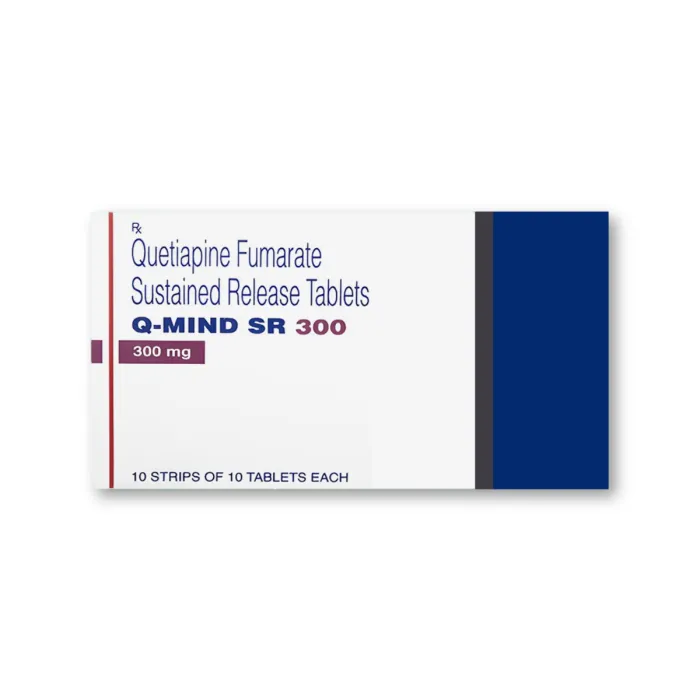
Q-Mind SR 300 Tablet
Starting at just
$47.81
In stock
Only %1 left
SKU
CMS4039
Q-Mind SR 300 mg is a prescription medicine for Major Depressive Disorder, Bipolar Disorder and Schizophrenia. It contains Quetiapine, an atypical antipsychotic that regulates the Dopamine and Serotonin levels. This helps reduce hallucinations, delusions, mood swings, and depressive symptoms, making it a popular treatment for individuals struggling with severe mental health conditions.
The Sustained-Release (SR) formulation ensures a steady and controlled release of the medicine, allowing for long-lasting effects and less frequent doses. By balancing neurotransmitters, Q-Mind SR increases cognitive function, improves decision-making abilities, and helps control impulsive behavior, ultimately supporting overall emotional stability.
Also, it is often prescribed as a treatment for major depressive disorder, where it works alongside antidepressants to provide better symptom relief. Some individuals may also benefit from its sedative properties, which can aid in improving sleep patterns and reducing anxiety levels. However, while Q-Mind SR is highly effective, certain precautions must be taken.
This medicine may cause sedation and drowsiness, making it important to avoid activities that require attention, such as driving. It can also lead to metabolic changes, including increased blood sugar levels and cholesterol imbalances, requiring regular monitoring.
Patients with prior heart conditions should use this medicine carefully, as it may cause Low Blood Pressure, irregular heartbeat, or fainting. Additionally, young adults and individuals with a history of depression should be closely monitored for suicidal thoughts.
Q-Mind SR 300 mg should only be taken under medical supervision, and abrupt discontinuation must be avoided to prevent withdrawal symptoms or worsening of mental health conditions. It is manufactured by Torrent Pharmaceuticals Limited in GMP-compliant facilities.
Q- Mind SR is a mood stabilization therapy that has multiple benefits including:
Taking Q-Mind SR correctly ensures maximum effectiveness and minimizes the chances of side effects. It is important to follow the instructions provided by your doctor carefully and maintain a consistent routine while taking this medication.
Some general guidelines are:
You can find Q-Mind SR in the following other strengths on Cheap Medicine Shop:
| $4.3 per 10 tablets | |
| $6.4 per 10 tablets | |
| $9.7 per 10 tablets | |
| $13.9 per 10 tablets |
Like any medication, Q-Mind SR may cause side effects in some individuals. While not everyone experiences them, it’s important to be aware of possible reactions. Most side effects are mild and manageable.
A few common Q-Mind SR 300 tablet side effects include:
If any of these side effects become severe or persistent, consult your doctor.
 Liver disease
Patients with liver disease should take Q-Mind SR with caution, as dose adjustments may be necessary. Regular liver function monitoring is recommended.
 Kidney impairment
Q-Mind SR is generally considered safe for patients with kidney disease. Dose adjustments are usually not required, but medical supervision is advised.
 Pregnant and breastfeeding women
The safety of Q-Mind SR 300 mg during pregnancy is uncertain, and it may not be safe during breastfeeding. Speak with your doctor before using this tablet while nursing or pregnant.
 Avoid
Avoid
Drinking alcohol while taking Q-Mind SR is not recommended, as it may increase drowsiness and dizziness, leading to impaired alertness.
Yes, Q-Mind SR interacts with antidepressants, antihypertensives, antifungals, and antibiotics, which may increase side effects or reduce effectiveness. It can also interact with sedatives and seizure medications. Always inform your doctor about all medicines you take, including herbal supplements, before starting or stopping Q-Mind.
Yes, Q-Mind SR can be taken with most painkillers, but opioids like morphine or tramadol should be avoided, as they may cause excessive sedation, dizziness, and respiratory depression. Non-opioid painkillers like paracetamol or ibuprofen are generally safer options, but consult a doctor before use.
Yes, Q-Mind should be used carefully in elderly patients, as it increases the risk of dementia-related complications, confusion, drowsiness, and falls. It may also affect blood pressure and heart function. Regular medical monitoring is necessary to adjust the dose and minimize risks.
No, Q-Mind SR is not usually prescribed for children, as its safety and effectiveness in young patients are not well established. However, in some cases, a psychiatrist may prescribe it for specific conditions. Dosage must be carefully monitored to avoid excessive sedation or behavioral changes.
Q-Mind SR 300 is not a first-line treatment for OCD, but it may be used off-label in some cases, especially for patients who do not respond well to standard treatments. It may help with obsessive thoughts and anxiety, but only under medical supervision.