
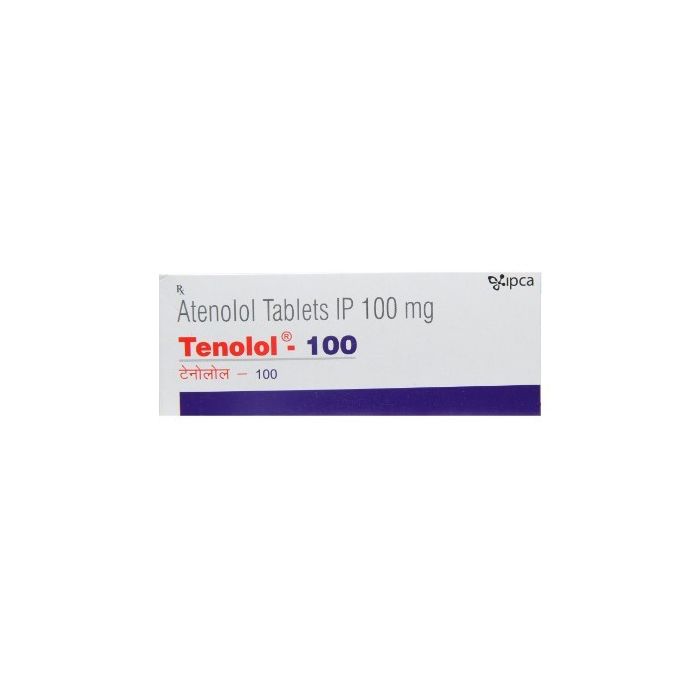
Tenolol 100 Tablet
Starting at just
$37.13
In stock
Only %1 left
SKU
CMS7702
Tenolol 100 is a prescription-based medication used to treat heart and blood pressure issues. It contains Atenolol (100 mg) as an FDA-approved active ingredient. Atenolol belongs to the beta-blocker class of medicines. Ipca Laboratories Ltd. manufactures Tenolol 100 Tablet in its GMP-compliant production facilities.
Atenolol's mechanism of action involves blocking certain beta-adrenergic receptors in the heart. In return, this action leads to a slowed heart rate, lowered pressure on the heart, improved blood circulation, and reduced blood pressure. Tenolol 100 Tablet uses are the treatment of Hypertension (High Blood Pressure), Angina and Arrhythmia. It also improves survival after a heart attack when prescribed. It is also prescribed to reduce the future risk of Stroke, heart attack, and other heart issues by controlling blood pressure.
Take Tenolol exactly as prescribed by your doctor. Generally, For Hypertension, Atenolol is commonly started at 50 mg once daily and then increased to 100 mg once daily if needed. For Angina, 100 mg once daily is commonly used, depending on response. Do not stop it suddenly, as this can worsen chest pain, heart rhythm changes, or blood pressure control.
If a dose of Tenolol is missed, take it when remembered. Skip it if the next dose is near. In case of overdose, seek urgent medical consultation, particularly if you faint or a slow heartbeat occurs. Furthermore, common side effects include dizziness, tiredness, nausea, diarrhea, and lightheadedness. Seek medical help if they don’t subside after a while, or if shortness of breath and swelling are observed.
As a precaution, inform your doctor if you have Asthma, Diabetes, Hyperthyroidism, or heart issues. Atenolol is reported to interact with medications such as Clonidine, Verapamil, Diabetes medicines, NSAIDs, and certain Asthma medicines. Store Tenolol 100 tablets below 25°C, away from direct light, moisture, and heat. Keep them out of reach of pets and children, and discard them once the medication expires.
Atenolol helps control blood pressure and heart-related conditions when taken consistently as prescribed. The primary Tenolol 100 Tablet benefits include:
Take Tenolol 100 regularly to maintain steady blood pressure and heart rate control. Do not stop suddenly, especially when treating Angina or heart disease. General guidelines to take it are as follows:
Both strengths and substitutes are available for Tenolol 100 at Cheap Medicine Shop. Seek a doctor’s advice before using the following option:
| Tenolol 25 Tablet | $1.10/10 tablets |
This medication generally causes mild, temporary side effects. Consult a doctor if they cause significant discomfort or persist for a long time. Tenolol 100 Tablet side effects are listed below:
 Liver Disease
Although Tenolol is filtered out through the kidneys, medical supervision is required for its use if you have any liver disease.
 Kidney Impairment
Atenolol is cleared primarily by the kidneys. Therefore, dose adjustment will be needed in case of severe kidney impairment, and elderly patients can be prescribed lower starting doses.
 Pregnant and Breastfeeding women
Use Atenolol during pregnancy and while breastfeeding only if clearly prescribed by the doctor, as it is linked with fetal harm.
 Avoid
Avoid
Avoid Tenolol tablets if you have issues of slow heartbeat, heart block, cardiogenic shock, uncontrolled heart failure, or an Atenolol allergy. Don’t discontinue the medication suddenly, without consulting a doctor. Also, avoid excessive alcohol consumption, and don’t combine Tenolol with heart-rate-lowering medicines without medical advice.
Yes, Tenolol 100 can be taken daily for long-term treatment to control High Blood Pressure, manage Angina, and prevent heart attacks. Generally, 50 to 100 mg is the once-daily maintenance dose. However, regular monitoring of kidney function, heart rate, and blood pressure is required.
No, Tenolol is contraindicated for patients with Asthma as it can block lung receptors and worsen breathing. For Diabetes, caution is advised, as it can mask the symptoms of low blood sugar. Therefore, monitor blood sugar levels and consult your doctor for dose adjustments.
Yes, Tenolol can lower the heart rate below 50 bpm (Bradycardia) in a few users. Its symptoms include fatigue, fainting, and dizziness. Stop and seek medical advice if these symptoms are observed or if the heart rate drops below 45 bpm.
While taking Tenolol 100, avoid alcohol, as it lowers blood pressure; Nonsteroidal Anti-inflammatory Drugs (NSAIDs), as they reduce Tenolol's effect; and Verapamil, as it can cause severe Bradycardia in combination. Make sure to list all the medications that you are taking to your doctor before beginning the treatment.
Yes, dizziness and fatigue are common side effects of Tenolol 100. These effects are usually mild and subside as the body adjusts to the dosage. Report to your doctor if they become severe or persist for a long time.
Serious side effects of Atenolol include Asthma attacks, heart block, serious Bradycardia, and worsening of heart failure. In rare cases, it can also cause Stevens-Johnson Syndrome. Immediately consult a doctor if these effects are observed or swelling and chest pain occur.
Yes, Atenolol is contraindicated in worsening heart failure because it depresses heart contractility, further worsening pump function. A stable heart failure patient can tolerate low doses of Atenolol in certain cases, but it should be used strictly under medical supervision.