
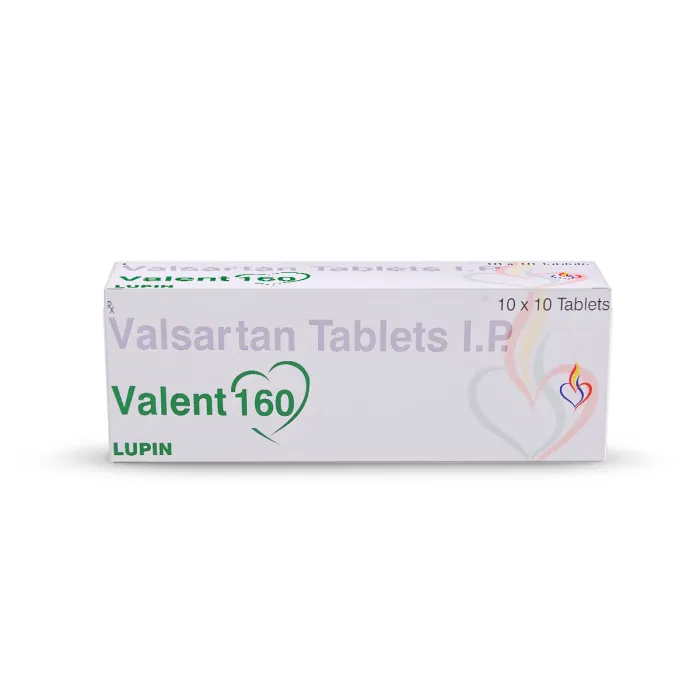
Valent 160 Tablet
Starting at just
$59.37
In stock
Only %1 left
SKU
CMS7616
Valent 160 tablet is a prescription medication used to manage High Blood Pressure and heart failure. It contains Valsartan (160mg), an angiotensin II receptor blocker (ARB) that relaxes blood vessels, improving circulation and reducing the heart's workload. By lowering blood pressure, it decreases the risk of heart attacks, strokes, and kidney complications, particularly in diabetic patients.
Manufactured by Lupin Ltd., the Valent tablet is widely prescribed for Hypertension and heart failure. It can be used alone or with other antihypertensive medications for enhanced effectiveness. This medication provides long-term cardiovascular benefits by ensuring sustained blood pressure control and improving heart function.
The valent tablet is generally well-tolerated when taken as prescribed. However, regular medical supervision is necessary to monitor blood pressure, kidney function, and overall treatment response. Always follow your doctor's instructions carefully and continue taking the medication even if you feel well. Stopping suddenly may lead to a sudden rise in blood pressure, increasing the risk of severe complications. Consult your doctor before making any changes to your treatment plan.
Valent tablet effectively manages Hypertension and heart failure by improving blood circulation and reducing cardiovascular risks. It works by relaxing blood vessels, allowing blood to flow more efficiently, which helps reduce strain on the heart and enhances overall cardiovascular function.
Key benefits of the Valent tablet include:
Valent tablet is a prescription medicine. Consult your doctor before use. General guidelines include:
Valent 160 has various strengths and substitutes. Your doctor may adjust your dosage based on your specific condition and response to treatment.
Available strengths include:
| $5.00 / 10 tablets | |
| $2.70 / 10 tablets |
Generally safe when taken as prescribed, but some may experience mild to moderate side effects, including:
Seek medical advice if these side effects persist or worsen.
 Liver disease
Patients with liver impairment should take Valent with caution, as the liver metabolizes the drug. Dose adjustments may be necessary based on liver function tests and the doctor's recommendation to prevent potential complications.
 Kidney impairment
Patients with kidney disease should use Valent under strict medical supervision. Regular kidney function tests are required to monitor creatinine and potassium levels to avoid complications and ensure safe treatment.
 Pregnant and breastfeeding women
The Valent tablet is not recommended during pregnancy or breastfeeding, as it may harm the baby. It is crucial to discuss alternative treatments with your doctor to ensure the safety of both mother and child.
 Avoid
Avoid
Avoid consuming alcohol, as it can significantly lower blood pressure, potentially causing dizziness or fainting. Refrain from eating grapefruit or drinking grapefruit juice, as these can interfere with the drug's effectiveness.
No, the Valent tablet does not cause weight gain. However, if you notice sudden weight changes, consult your doctor. Fluid retention or other underlying health conditions may be responsible, requiring further evaluation to determine the appropriate treatment approach.
Avoid taking Ibuprofen with a Valent tablet unless prescribed by your doctor. NSAIDs like Ibuprofen can reduce its effectiveness and may lead to kidney issues or increased blood pressure. Always consult your doctor before combining medications.
The Valent tablet does not directly affect blood glucose levels. However, blood sugar fluctuations may occur due to lifestyle changes or other medications. Diabetic patients should monitor their levels regularly and consult their doctor if any significant changes are noticed.
No, do not stop taking Valent tablets without consulting your doctor. Even if your blood pressure is controlled, sudden discontinuation may cause spikes, increasing the risk of heart attacks or strokes. Your doctor will advise on gradual dose adjustments if necessary.
Yes, it is effective for elderly patients, but dose adjustments may be needed based on kidney and liver function. Regular monitoring helps ensure safety and efficacy while minimizing side effects or complications in older adults.