


Lamotrigine
Starting at just
$32.80

Enter your details to sign in
Don't have an account?
Enter your details to create account
Already have an account?
We will send you reset instruction on email
Cart
Your cart is currently empty
You have no items in your shopping cart.
All-Inclusive Fee
Includes shipping, packing, and applicable duties. Learn More.

Add a tip to your purchase
Your kindness motivates the team handling your order. Learn More.
Remove product from your cart
Are you sure you want to delete this product? This action cannot be undone.
Anti-convulsant medicines are prescription Central Nervous System (CNS) medications that stabilize abnormal brain signals to help prevent or reduce seizures and support long-term Epilepsy management. Also called anti-seizure medications or antiepilep…
Read more
Lamotrigine
Lamotrigine

Levetiracetam

Levetiracetam
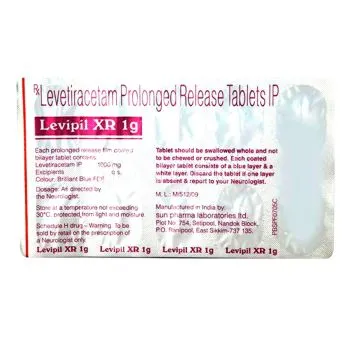
Levetiracetam
Carbamazepine
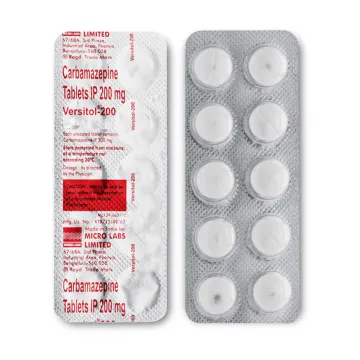
Carbamazepine

Carbamazepine
Carbamazepine
Carbamazepine

Topiramate
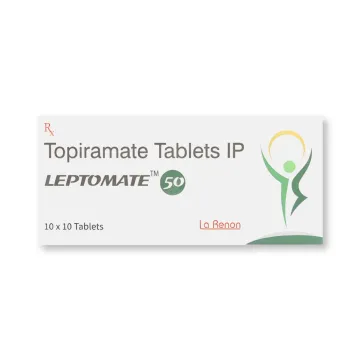
Topiramate

Topiramate
Topiramate
Gabapentin
Anti-convulsant medicines are prescription Central Nervous System (CNS) medications that stabilize abnormal brain signals to help prevent or reduce seizures and support long-term Epilepsy management. Also called anti-seizure medications or antiepileptic medications, they may be prescribed for seizure disorders, partial seizures, generalized seizures, nerve pain, or selected mood-related conditions. These nerve-stabilizing medicines are often used by adults aged above 65 who need ongoing seizure prevention therapy. Because anti-convulsants are prescription-only, they should be taken only under medical supervision. Affordable generic anti-convulsant medicine options can support long-term treatment at a fraction of US brand-name prices.
Anti-convulsant medicines are prescribed for doctor-diagnosed neurological and nerve-related conditions, including:
Anti-convulsants are not used for every seizure-like episode, so a healthcare provider should confirm the condition and decide whether this medicine class is appropriate.
Anti-convulsant medicines include different prescription salts used for seizure control, Epilepsy management, nerve pain, migraine prevention, or mood stabilization. The right salt depends on seizure type, diagnosis, age, pregnancy plans, kidney or liver health, other medicines, and side effect risk. A doctor should select the medicine because each option has a separate safety profile.
| Salt Name | Primary Use | Rx / OTC |
|---|---|---|
| Gabapentin | Focal seizures and neuropathic pain | Prescription |
| Pregabalin | Nerve pain, Fibromyalgia, and focal seizures | Prescription |
| Levetiracetam | Focal, myoclonic, and generalized seizures | Prescription |
| Topiramate | Epilepsy and Migraine prevention | Prescription |
| Carbamazepine | Focal seizures and Trigeminal Neuralgia | Prescription |
| Lamotrigine | Epilepsy and Bipolar Disorder | Prescription |
| Phenytoin | Tonic-clonic seizures and emergency seizure control | Prescription |
| Valproic Acid | Absence, focal, and generalized seizures | Prescription |
| Sodium Valproate + Valproic Acid | Epilepsy, absence seizures, and generalized seizure control | Prescription |
| Oxcarbazepine | Focal seizures | Prescription |
| Clonazepam | Selected seizure disorders | Prescription |
Anti-convulsant medicines work by calming overactive electrical activity in the brain that can lead to seizures. These central nervous system medications can affect sodium, calcium, or potassium channels, or increase the activity of calming neurotransmitters such as Gamma-aminobutyric Acid (GABA).
This helps stabilize nerve signaling, raise the seizure threshold, and reduce the frequency of recurrent seizures. The overall anti-convulsant effect supports better seizure control, but these medicines do not cure Epilepsy. They help manage seizure risk when taken regularly as prescribed by a healthcare provider.
Anti-convulsant medicines are prescription therapies and should be taken exactly as directed by a healthcare professional.
Abrupt Withdrawal: Do not stop anti-convulsants suddenly, as this may increase seizure risk or trigger severe repeated seizures.
Mood Changes: Some antiepileptic medications can increase the risk of Depression, Anxiety, or suicidal thoughts. Report unusual mood or behavior changes promptly.
Medical Conditions: Tell your doctor about liver or kidney disease, pregnancy or breastfeeding, allergies, or past severe skin reactions before treatment.
Drug Interactions: Anti-convulsants may interact with alcohol, sedatives, antidepressants, oral contraceptives, blood thinners, and herbal products.
Each medicine has its own safety profile, so review the specific salt pages and consult your doctor. You can also check safety updates on the US Food and Drug Administration (FDA) website.
Your doctor prescribes the right anti-convulsant medicine based on seizure type, seizure frequency, age, pregnancy plans, medical history, and other medicines you take.
As a general guide:
Levetiracetam: Can be prescribed for broad seizure control with fewer interaction concerns.
Gabapentin or Pregabalin: Can be considered when partial seizures occur with neuropathic pain.
Topiramate: Can be used when seizure control and Migraine prevention are both needed.
Because each anti-convulsant works differently, always take anti-seizure therapy exactly as prescribed by your healthcare provider.
A convulsant is something that can trigger convulsions or seizure-like muscle activity. It is different from an anticonvulsant, a class of medicines used to reduce abnormal nerve firing and help prevent seizures under medical supervision.
A seizure is an episode of abnormal electrical activity in the brain, while a convulsant is a substance or trigger that may provoke convulsions. Not all seizures cause visible shaking, and not every convulsion has the same cause.
Common side effects of anti-convulsant medications may include dizziness, drowsiness, tiredness, nausea, blurred vision, and coordination problems. Some people may also notice mood or concentration changes, especially when starting treatment or changing the dose.
Avoid alcohol, missed doses, sudden stopping, and starting new medicines or herbal products without medical advice. Anti-convulsants may increase sleepiness or affect coordination, so driving or operating machinery may be unsafe until the doctor confirms it is safe.
Don't worry — your cart and saved data are safe.
You'll be logged out of this device. Your saved information will remain secure.