
Diabetes
Diabetes
Diabetes is the term common to two different clinical entities called Diabetes Mellitus and Diabetes Insipidus but in common language, owing to the widespread prevalence of the disease, the term is generally used to refer to Diabetes Mellitus. Diabetes Mellitus is a lifestyle disease which...
Read more...
Shop By
Shopping Options










<h2 dir="ltr" style="text-align: justify;"><span style="font-family: arial, helvetica, sans-serif; color: #333333;"><strong>Diabetes</strong></span></h2>
<p dir="ltr" style="text-align: justify;"><span style="font-family: arial, helvetica, sans-serif; font-size: medium; color: #333333;">Diabetes is the term common to two different clinical entities called Diabetes Mellitus and Diabetes Insipidus but in common language, owing to the widespread prevalence of the disease, the term is generally used to refer to Diabetes Mellitus. Diabetes Mellitus is a lifestyle disease which is characterised by prolonged states of hyperglycemia or in simple terms high blood sugar level due to either decreased insulin secretion or defective insulin action at the receptor level resulting in major systemic complications. It is so common these days that whenever somebody is provided coffee, their diabetic status is enquired about.</span></p>
<h3 dir="ltr" style="text-align: justify;"><span style="font-family: arial, helvetica, sans-serif; color: #333333;"><strong>Definition of Diabetes:</strong></span></h3>
<p dir="ltr" style="text-align: justify;"><span style="font-family: arial, helvetica, sans-serif; font-size: medium; color: #333333;">Diabetes Mellitus is a clinical syndrome characterized by increased levels of blood glucose. There are various types of Diabetes Mellitus called Type 1, Type 2, Gestational Diabetes, Maturity-onset Diabetes of Young, Bronze Diabetes, Pituitary Diabetes etc.</span></p>
<h3 dir="ltr" style="text-align: justify;"><span style="font-family: arial, helvetica, sans-serif; color: #333333;"><strong>Type-1 Diabetes Mellitus:</strong></span></h3>
<p dir="ltr" style="text-align: justify;"><span style="font-family: arial, helvetica, sans-serif; font-size: medium; color: #333333;">It is a type of Diabetes in which there is a total lack of Insulin in the patients. It may be due to the destruction or absence of beta cells of the pancreas resulting from various causes. It was previously called as Insulin-dependent diabetes mellitus because the patients are completely dependent on insulin therapy. It forms a very small fraction of the total Diabetic population but comprises of young individuals even children who present with life threatening complications.</span></p>
<h3 dir="ltr" style="text-align: justify;"><span style="font-family: arial, helvetica, sans-serif; color: #333333;"><strong>Type- 2 Diabetes Mellitus:</strong></span></h3>
<p dir="ltr" style="text-align: justify;"><span style="font-family: arial, helvetica, sans-serif; font-size: medium; color: #333333;">This is the most common diabetes mellitus prevalent among the population. It is due to the resistance of Insulin receptors towards the secreted insulin. This, in turn, results in increased secretion of insulin resulting in both hyperglycemia and hyperinsulinemia which terminates in a number of complications. </span></p>
<h3 dir="ltr" style="text-align: justify;"><span style="font-family: arial, helvetica, sans-serif; color: #333333;"><strong>Gestational Diabetes:</strong></span></h3>
<p dir="ltr" style="text-align: justify;"><span style="font-family: arial, helvetica, sans-serif; font-size: medium; color: #333333;">Gestational Diabetes mellitus is diabetes developing during pregnancy. That is the state of carbohydrate intolerance with the onset or the first recognition during pregnancy. Gestational Diabetes mellitus is associated with a lot of obstetric and neonatal complications. Hence, it has to be screened for, diagnosed at the appropriate time and treated adequately.</span></p>
<h3 dir="ltr" style="text-align: justify;"><span style="font-family: arial, helvetica, sans-serif; color: #333333;"><strong>MODY (Maturity-onset diabetes of young):</strong></span></h3>
<p dir="ltr" style="text-align: justify;"><span style="font-family: arial, helvetica, sans-serif; font-size: medium; color: #333333;">It is a type of Diabetes Mellitus which is characterized by the presence of a specific type of mutation in the genetic makeup. The common mutations are HNF1 alpha, HNF4 alpha, HNF1 beta, and glucokinase.</span></p>
<h3 dir="ltr" style="text-align: justify;"><span style="font-family: arial, helvetica, sans-serif; color: #333333;"><strong>Bronze Diabetes:</strong></span></h3>
<p dir="ltr" style="text-align: justify;"><span style="font-family: arial, helvetica, sans-serif; font-size: medium; color: #333333;">It is not as such a type of Diabetes Mellitus but it is one of the names of hemochromatosis. It is called so because of the skin hyperpigmentation (bronze) and hyperglycemic status (diabetes).</span></p>
<h3 dir="ltr" style="text-align: justify;"><span style="font-family: arial, helvetica, sans-serif; color: #333333;"><strong>Pituitary Diabetes:</strong></span></h3>
<p dir="ltr" style="text-align: justify;"><span style="font-family: arial, helvetica, sans-serif; font-size: medium; color: #333333;">It is the state of hyperglycemia produced due to some problem in a pea-sized gland called as pituitary gland inside the skull. </span></p>
<h3 dir="ltr" style="text-align: justify;"><span style="font-family: arial, helvetica, sans-serif; color: #333333;"><strong>The Causse of Diabetes Mellitus:</strong></span></h3>
<p dir="ltr" style="text-align: justify;"><span style="font-family: arial, helvetica, sans-serif; font-size: medium; color: #333333;">There are various causes for Diabetes Mellitus, but the most common ones are:</span></p>
<ul style="text-align: justify;">
<li dir="ltr">
<p dir="ltr"><span style="font-family: arial, helvetica, sans-serif; font-size: medium; color: #333333;">Immune-mediated</span></p>
</li>
<li dir="ltr">
<p dir="ltr"><span style="font-family: arial, helvetica, sans-serif; font-size: medium; color: #333333;">Idiopathic </span></p>
</li>
<li dir="ltr">
<p dir="ltr"><span style="font-family: arial, helvetica, sans-serif; font-size: medium; color: #333333;">Genetic defects of β cell function</span></p>
</li>
<li dir="ltr">
<p dir="ltr"><span style="font-family: arial, helvetica, sans-serif; font-size: medium; color: #333333;">Genetic defects of insulin action (e.g.leprechaunism,lipodystrophies)</span></p>
</li>
<li dir="ltr">
<p dir="ltr"><span style="font-family: arial, helvetica, sans-serif; font-size: medium; color: #333333;">Pancreatic disease (e.g.pancreatitis,pancreatectomy,neoplastic disease,cysticfibrosis, fibro calculouspancreatopathy)</span></p>
</li>
<li dir="ltr">
<p dir="ltr"><span style="font-family: arial, helvetica, sans-serif; font-size: medium; color: #333333;">Excess endogenous production of hormonal antagonists to insulin,e.g.Growthhormone–acromegaly, Glucagon–glucagonoma, Catecholamines–phaeochromocytoma, thyrotoxicosis.</span></p>
</li>
<li dir="ltr">
<p dir="ltr"><span style="font-family: arial, helvetica, sans-serif; font-size: medium; color: #333333;">Drug-induced(e.g.corticosteroids,thiazide diuretics,phenytoin)</span></p>
</li>
<li dir="ltr">
<p dir="ltr"><span style="font-family: arial, helvetica, sans-serif; font-size: medium; color: #333333;">Uncommon forms of immune-mediated diabetes e.g.IPEX(immune dysregulation polyendocrinopathy X syndrome)</span></p>
</li>
<li dir="ltr">
<p dir="ltr"><span style="font-family: arial, helvetica, sans-serif; font-size: medium; color: #333333;">Associated with genetic syndromes e.g.Down’s syndrome; Klinefelter’s syndrome; Turner’s syndrome; DIDMOAD(Wolfram’s syndrome)–diabetesinsipidus, diabetesmellitus, optic atrophy, nerve deafness; Friedreich’s ataxia; myotonicdystrophy)</span></p>
</li>
<li dir="ltr">
<p dir="ltr"><span style="font-family: arial, helvetica, sans-serif; font-size: medium; color: #333333;">Gestational diabetes- pregnancy</span></p>
</li>
</ul>
<h3 dir="ltr" style="text-align: justify;"><span style="font-family: arial, helvetica, sans-serif; color: #333333;"><strong>Complications of Diabetes Mellitus:</strong></span></h3>
<h4 style="text-align: justify;"><span style="font-family: arial, helvetica, sans-serif; color: #333333;"><strong>Emergency Complications:</strong></span></h4>
<p style="text-align: justify;"><span style="font-family: arial, helvetica, sans-serif; font-size: medium; color: #333333;"><strong>1. Diabetic Ketoacidosis:</strong> This is a very common and dangerous complication of high blood sugar levels. Very high levels of blood glucose which might be undiagnosed primarily or which might also be due to the abrupt cessation of insulin or insulinaemicdrugs, infection or myocardial infarction or cerebrovascular accidents, etc. The patient may experience giddiness, collapse, difficulty in breathing and a fruity odor in breathing. The patient has to be immediately hospitalized and treated with fluids, insulin infusion and blood glucose monitored minute to minute. The insulin has to be titrated and an optimum dose at which the blood glucose remains at an optimum level is found out and maintained. The precipitating factor has to be addressed.</span></p>
<p style="text-align: justify;"><span style="font-family: arial, helvetica, sans-serif; font-size: medium; color: #333333;"><strong>2. Hyperosmolar Coma:</strong> this is similar in presentation to diabetic ketoacidosis except for the fact that the urine ketones would be negative.</span></p>
<p style="text-align: justify;"><span style="font-family: arial, helvetica, sans-serif; font-size: medium; color: #333333;"><strong>3. Hypoglycemia:</strong> it is a paradox that the most common acute complication of Hyperglycemia (diabetes mellitus) is hypoglycemia because the tissues don't get adequate glucose because of either lack of or resistance to insulin, the tissues experience hypoglycemia. This manifests as sweating, giddiness, blackouts, etc. The treatment is some kind of glucose supplement. If not IV dextrose, simple chocolate orally would save the life of the patient.</span></p>
<h4 dir="ltr" style="text-align: justify;"><span style="font-family: arial, helvetica, sans-serif; color: #333333;"><strong>Long-Term Complications:</strong></span></h4>
<p dir="ltr" style="text-align: justify;"><span style="font-family: arial, helvetica, sans-serif; font-size: medium; color: #333333;"><strong>1. Diabetic Nephropathy-</strong> The kidney goes in for failure slowly because of the pathological changes taking place at the level of blood vessels. ACE inhibitors like enalapril, captopril, lisinopril, fosinopril or Angiotensin Receptor Blockers like Telmisartan, irbesartan, azilsartan etc. can help to delay or even repair the changes causing diabetic nephropathy. It is assessed using the presence of microalbuminuria.</span></p>
<p dir="ltr" style="text-align: justify;"><span style="font-family: arial, helvetica, sans-serif; font-size: medium; color: #333333;"><strong>2. Diabetic Retinopathy-</strong> Long standing diabetes causes rapid changes in the eye power, predisposes to cataract etc but most importantly it causes microvascular bleeds resulting in diabetic retinopathy. It is one of the preventable causes of blindness.</span></p>
<p dir="ltr" style="text-align: justify;"><span style="font-family: arial, helvetica, sans-serif; font-size: medium; color: #333333;"><strong>3. Diabetic Neuropathy-</strong> Pin pricking sensation of the foot, feeling as if walking on a cotton floor etc. are some of the features of Diabetic neuropathy.</span></p>
<p dir="ltr" style="text-align: justify;"><span style="font-family: arial, helvetica, sans-serif; font-size: medium; color: #333333;"><strong>4. Diabetic Foot Ulcer-</strong> It may be due to changes in blood vessels or the nerves resulting in wounds which delays healing resulting in infections.</span></p>
<h3 dir="ltr" style="text-align: justify;"><span style="font-family: arial, helvetica, sans-serif; color: #333333;"><strong>Investigations:</strong></span></h3>
<p><strong style="color: #333333; font-family: arial, helvetica, sans-serif;">1. Blood Glucose Levels:</strong></p>
<ul>
<li><span style="font-family: arial, helvetica, sans-serif; font-size: medium; color: #333333;"><strong>Fasting Blood Glucose-</strong> this is taken after a minimum of 8-10 hours of the fasting period. It should be less than 110mg/dl in normal individuals.</span></li>
</ul>
<ul>
<li><span style="font-family: arial, helvetica, sans-serif; font-size: medium; color: #333333;"><strong>Post-prandial Blood Glucose-</strong> this is taken after two hours after taking a meal. It should fall less than 140mg/dl in normal individuals.</span></li>
</ul>
<ul>
<li><span style="font-family: arial, helvetica, sans-serif; font-size: medium; color: #333333;"><strong>Random Blood Glucose</strong> can be taken without any adequate precautions and the level should be less than 140mg/dl to eliminate the need for proper investigations.</span></li>
</ul>
<ul>
<li><span style="font-family: arial, helvetica, sans-serif; font-size: medium; color: #333333;"><strong>Capillary Blood Glucose-</strong> this is not a reliable method but is a quick method for emergency situations.</span></li>
</ul>
<ol>
<li><span style="font-family: arial, helvetica, sans-serif; font-size: medium; color: #333333;">Urine Glucose level</span></li>
<li><span style="font-family: arial, helvetica, sans-serif; font-size: medium; color: #333333;">Urine ketone bodies</span></li>
<li><span style="font-family: arial, helvetica, sans-serif; font-size: medium; color: #333333;">Renal Function Test to rule out nephropath</span></li>
<li><span style="font-family: arial, helvetica, sans-serif; font-size: medium; color: #333333;">Routine Eye examination to identify retinopathy at the earliest</span></li>
</ol>
<h3 dir="ltr" style="text-align: justify;"><span style="font-family: arial, helvetica, sans-serif; color: #333333;"><strong>Treatment Of Diabetes:</strong></span></h3>
<p dir="ltr" style="text-align: justify;"><span style="font-family: arial, helvetica, sans-serif; font-size: medium; color: #333333;">The most important part of treatment for Diabetic Mellitus is Lifestyle Modifications including diet.</span></p>
<p dir="ltr" style="text-align: justify;"><span style="font-family: arial, helvetica, sans-serif; font-size: medium; color: #333333;"> <strong> 1.</strong> Food with a low glycemic index like wheat, oats, millets etc should be taken instead of foods with a high glycemic index like rice, potato etc.</span></p>
<p dir="ltr" style="text-align: justify;"><span style="font-family: arial, helvetica, sans-serif; font-size: medium; color: #333333;"> <strong>2.</strong> Split meals into small frequent ones.</span></p>
<p dir="ltr" style="text-align: justify;"><span style="font-family: arial, helvetica, sans-serif; font-size: medium; color: #333333;"> <strong>3.</strong> Avoid fasting and feasting.</span></p>
<p dir="ltr" style="text-align: justify;"><span style="font-family: arial, helvetica, sans-serif; font-size: medium; color: #333333;"> <strong> 4.</strong> A Brisk walk of 30 minutes for three days a week is recommended.</span></p>
<p dir="ltr" style="text-align: justify;"><span style="font-family: arial, helvetica, sans-serif; font-size: medium; color: #333333;"> <strong> 5.</strong> Foot care is very essential.</span></p>
<h3 dir="ltr" style="text-align: justify;"><span style="font-family: arial, helvetica, sans-serif; color: #333333;"><strong>Medical Management:</strong></span></h3>
<ul>
<li><span style="font-family: arial, helvetica, sans-serif; font-size: medium; color: #333333;"><strong>Insulin Therapy:</strong> It is available in the form of insulin pen and insulin pump etc. For the easy usage of the patients by themselves. Long acting supplements are given to take care of the basal insulin levels while short acting ones are given to take care of post- prandial increase in blood glucose. After administration of insulin, food should be taken within 20 minutes failing which the patient might go in for hypoglycemia. Other complications of insulin must be looked for.</span></li>
</ul>
<ul>
<li><span style="font-family: arial, helvetica, sans-serif; font-size: medium; color: #333333;"><strong>Oral Hypoglycemic Agents:</strong> Metformin is the most commonly prescribed oral hypoglycemic agent for type2 diabetes mellitus.</span></li>
</ul>
<ul>
<li><span style="font-family: arial, helvetica, sans-serif; font-size: medium; color: #333333;">Glimipride, gliclazide are other commonly used drugs.</span></li>
</ul>
<ul>
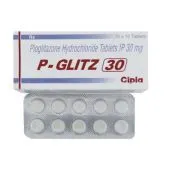
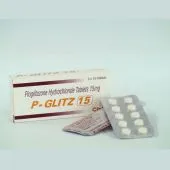
<li><span style="font-family: arial, helvetica, sans-serif; font-size: medium; color: #333333;">Some new<span style="color: #4ab232;"><a style="color: #4ab232;" title="drugs" href="https://www.cheapmedicineshop.com/acarbose.html" target="_blank" rel="noopener"> drugs</a></span> which have gained popularity are voglibose, repaglinide, nateglinide, sitagliptin, vildagliptin,and pioglitazone.</span></li>
</ul>